
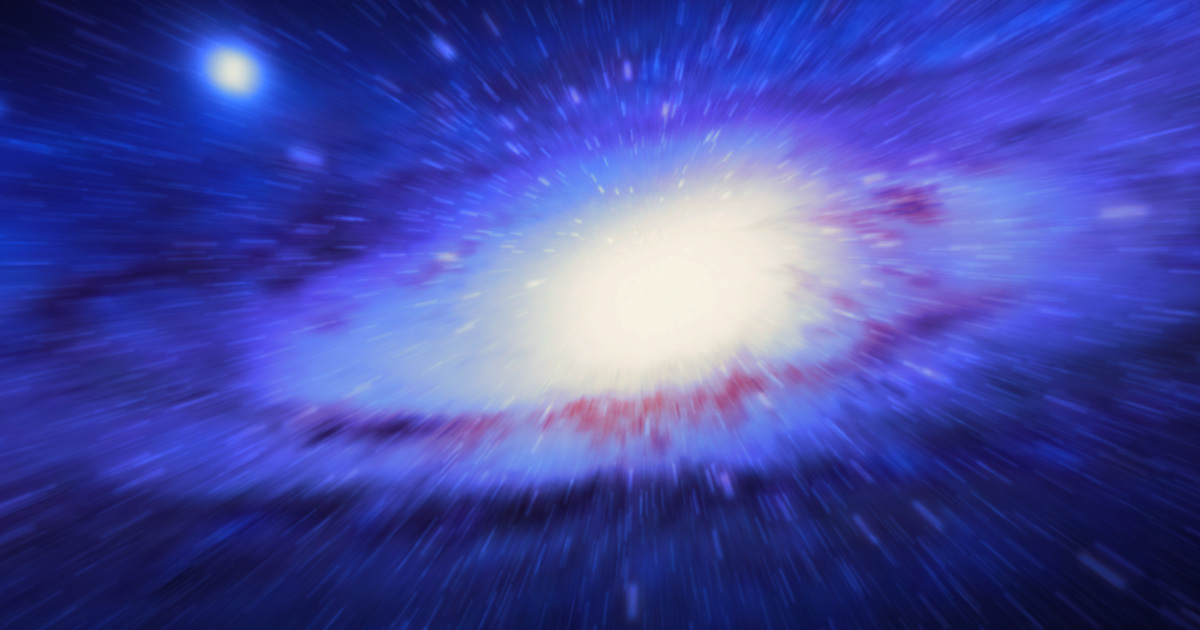
Strange thing about our galaxy's nucleus, according to new research: stars that stay young indefinitely by feeding off dark matter particles.
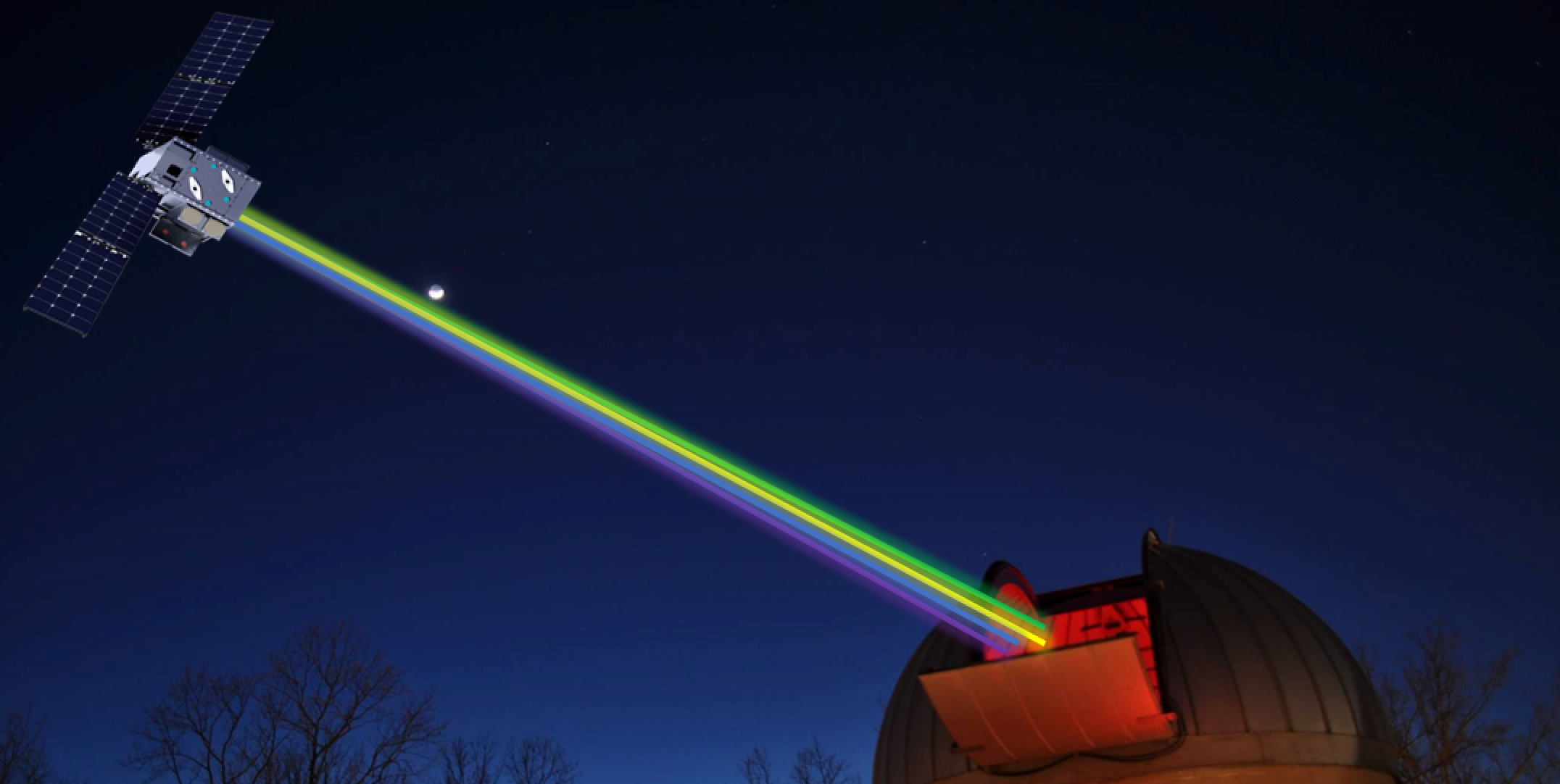
NASA has new plans to launch a tiny satellite mimicking a star into space.
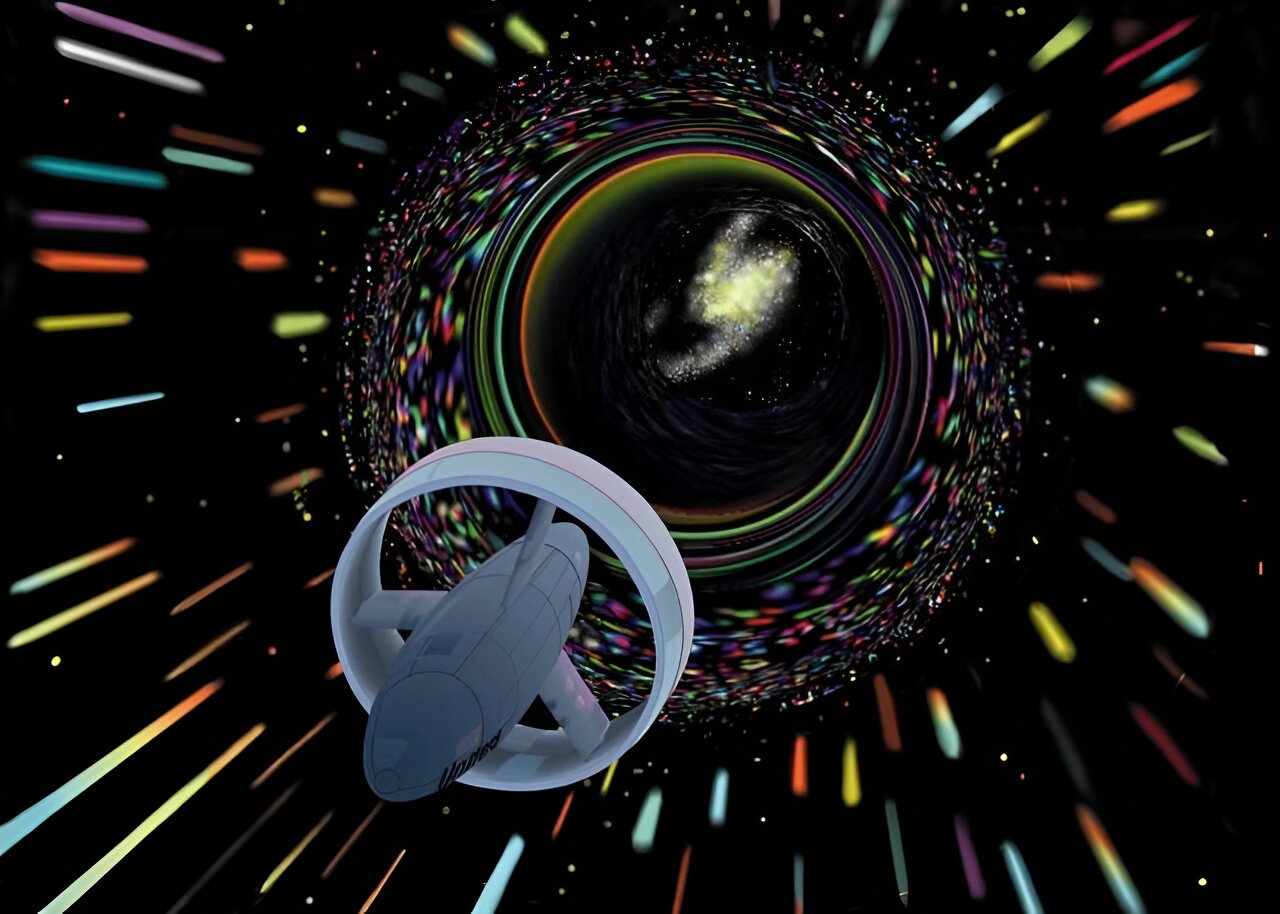
Everyone knows that no object can travel faster than the speed of light. But warp drives may offer a workaround. By warping spacetime itself, a spacecraft with a warp drive wouldn't be breaking the faster-than-light (FTL) rule.
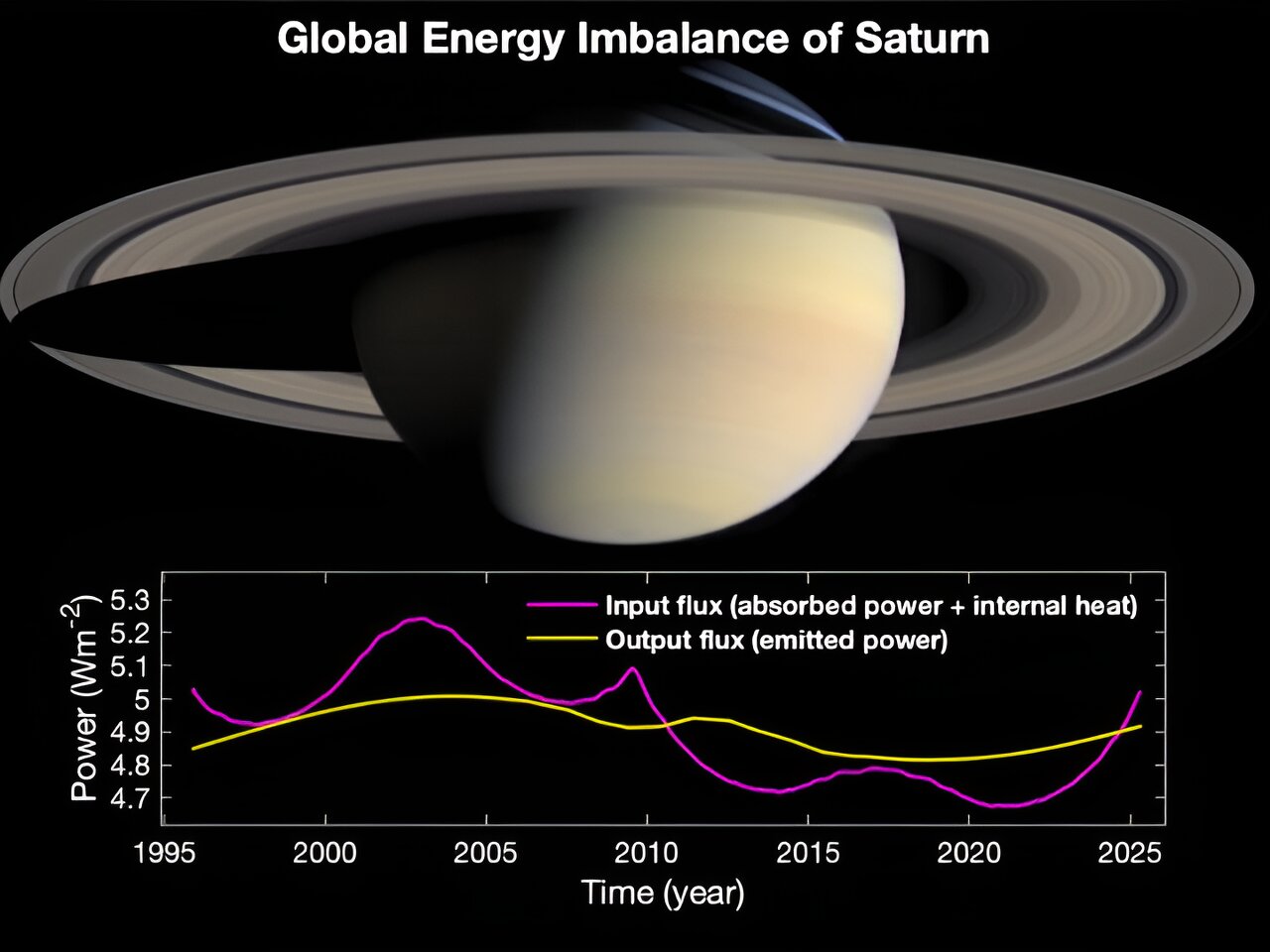
The imbalance is due to Saturn's large orbital eccentricity, resulting in huge seasonal variations in absorbed solar energy.
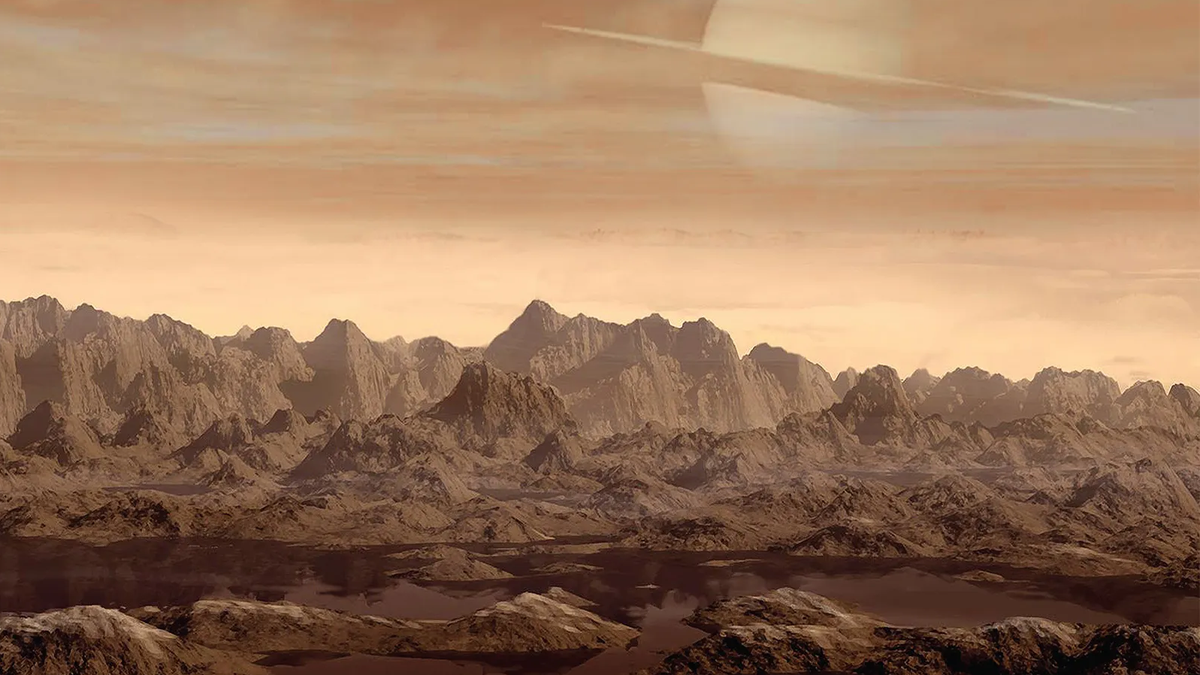
Instead of water, the fluid that runs across Titan is an unholy mixture of methane, ethane, and other hydrocarbons. A new study suggests that waves of the greenhouse gases could be crashing on the moon’s coastlines, shaping its wet landscape.
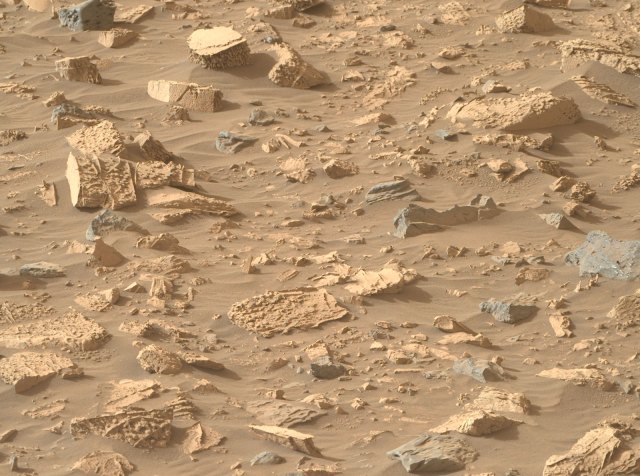
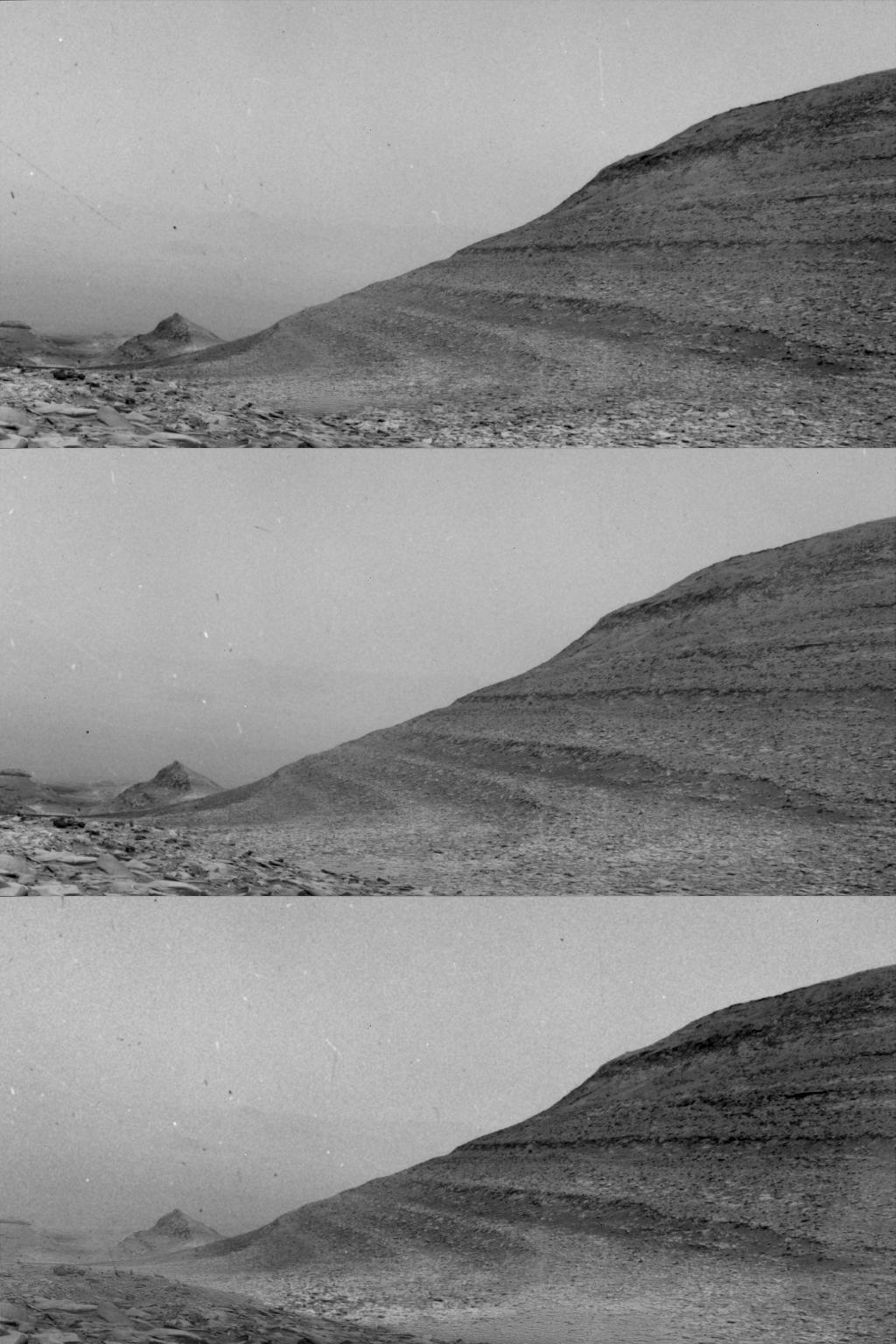
After months of driving, Perseverance has finally arrived at "Bright Angel", discovering oddly textured rock unlike any the rover has seen before.
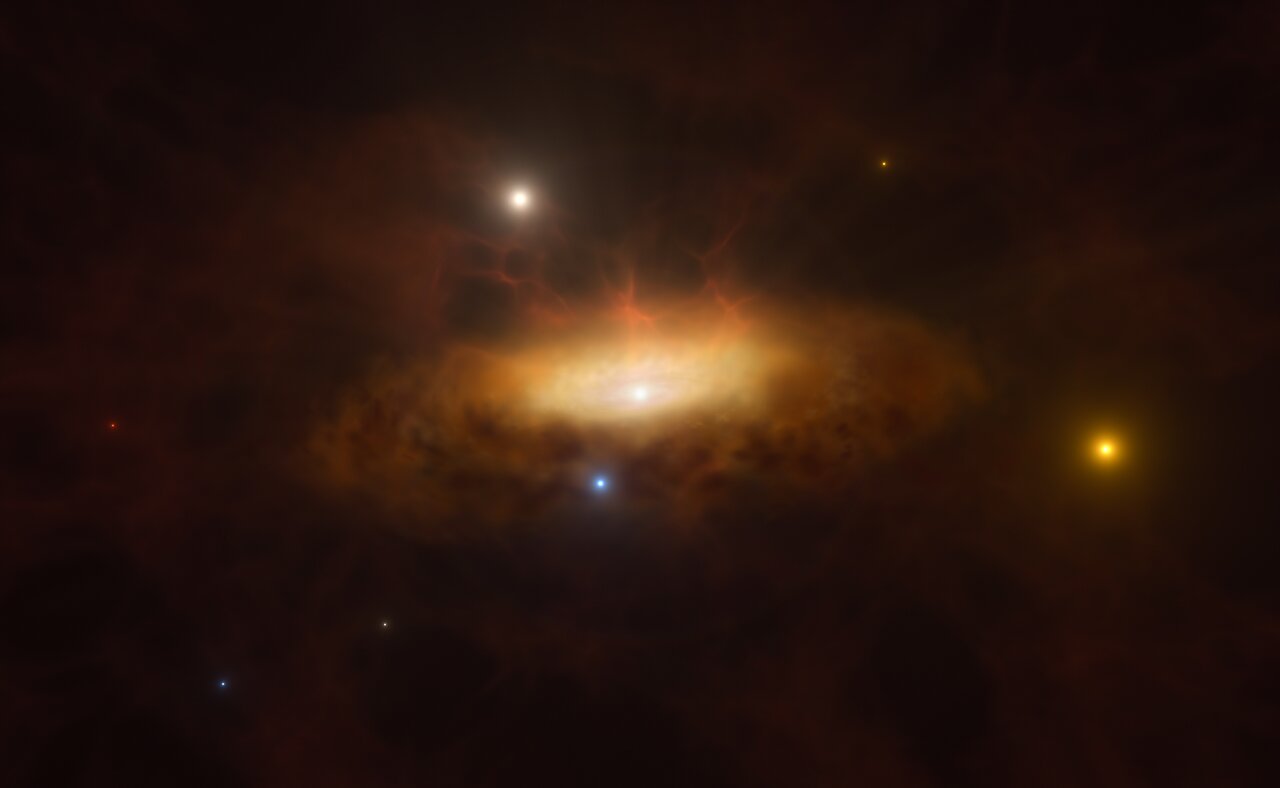
In late 2019 the previously unremarkable galaxy SDSS1335+0728 suddenly started shining brighter than ever before. To understand why, astronomers have used data from several space and ground-based observatories.
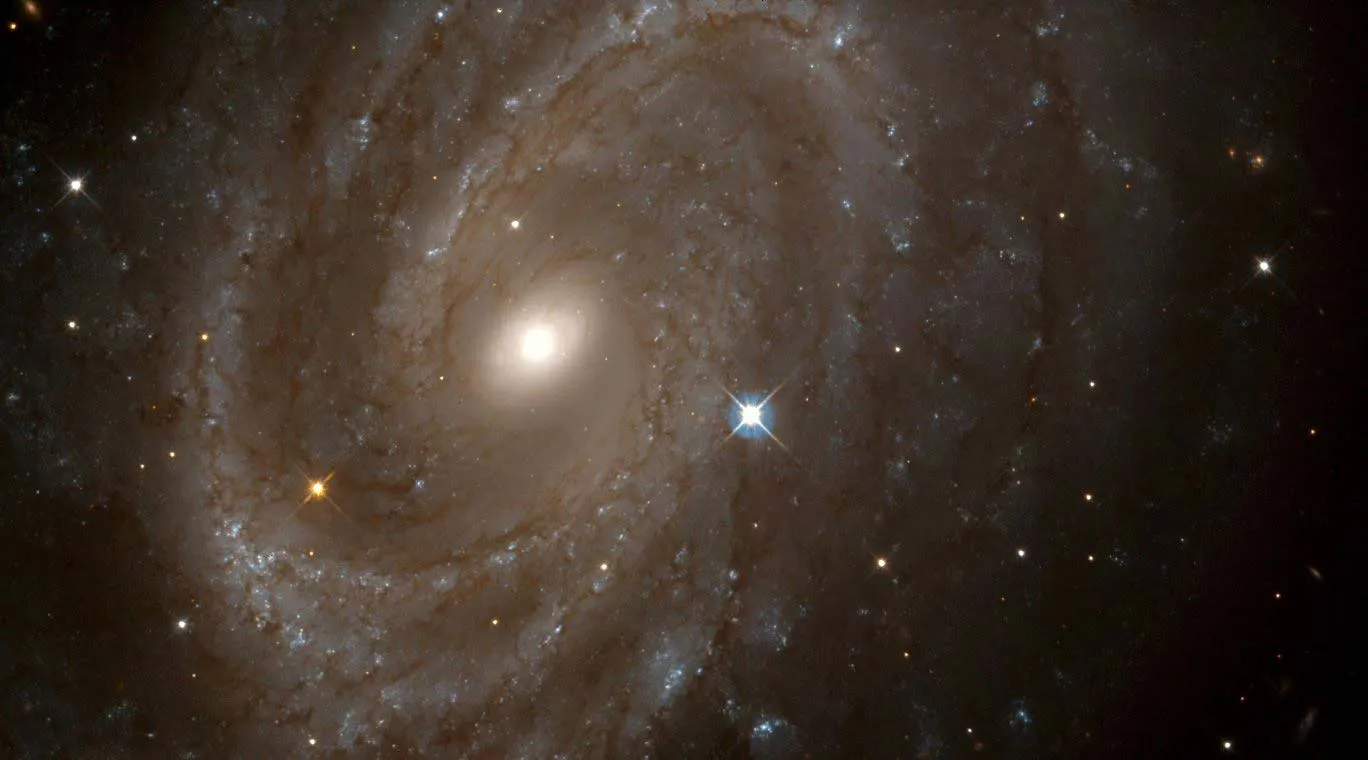
Scientists have clocked the speed of Cepheid stars -- 'standard candles' that help us measure the size of the universe -- with unprecedented precision, offering exciting new insights about them.
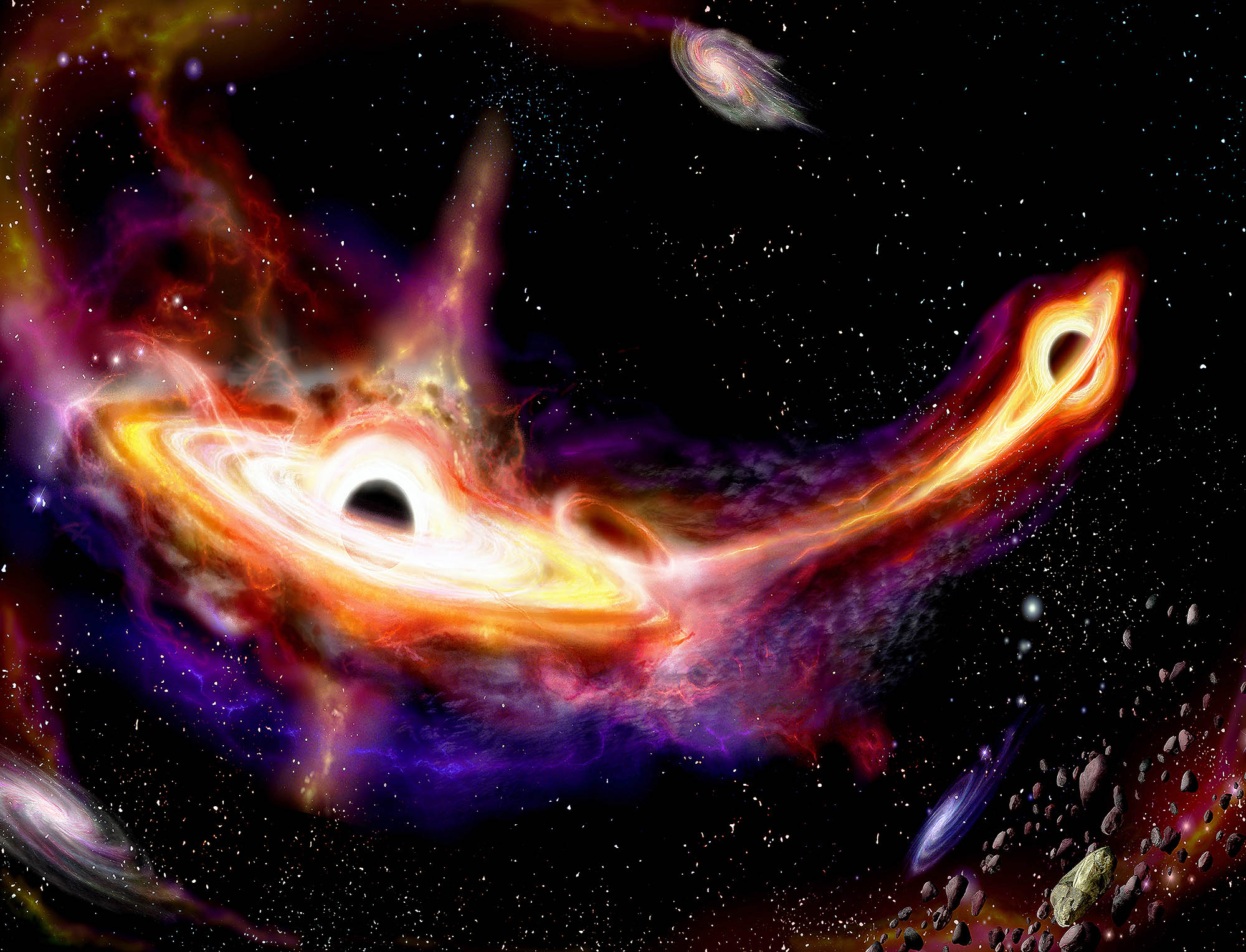
Astronomers discovered the first pair of merging quasars from the Cosmic Dawn, 900 million years after the Big Bang.
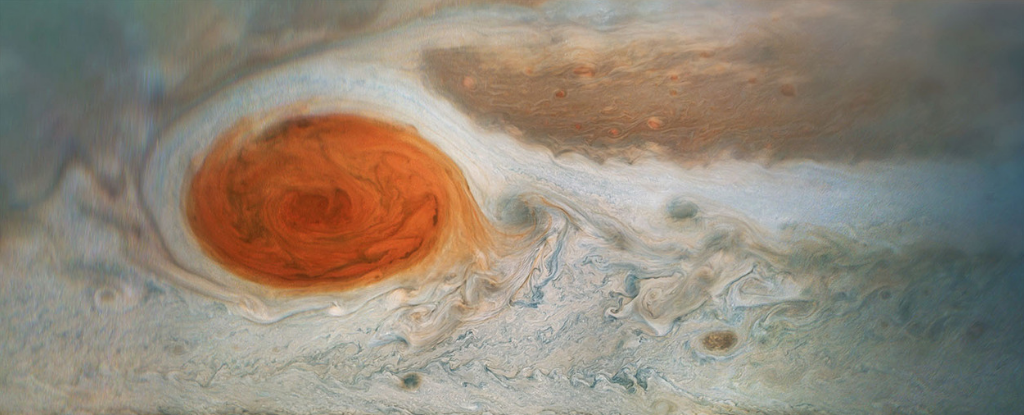
Jupiter's Great Red Spot (GRS) is one of the Solar System's defining features. It's a massive storm that astronomers have observed since the 1600s. However, its date of formation and longevity are up for debate.
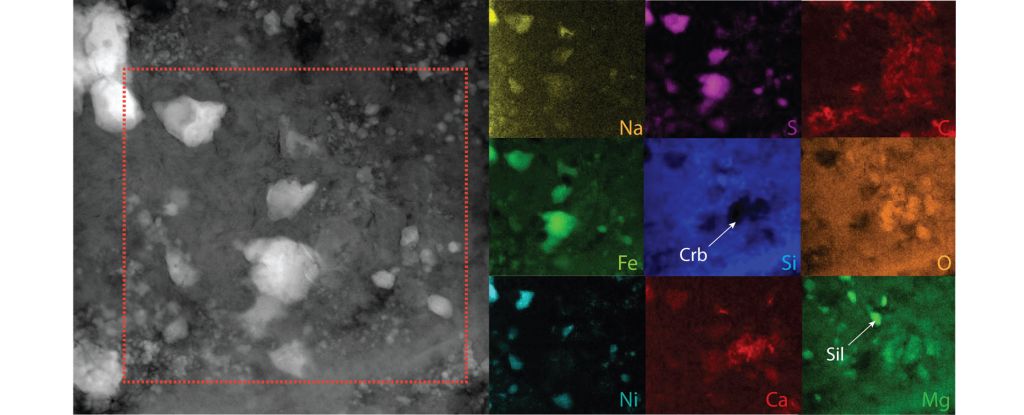
A lot as changed in the 4.5 billion or so years since the Solar System first came together from a disk-shaped cloud of swirling dust and gas.
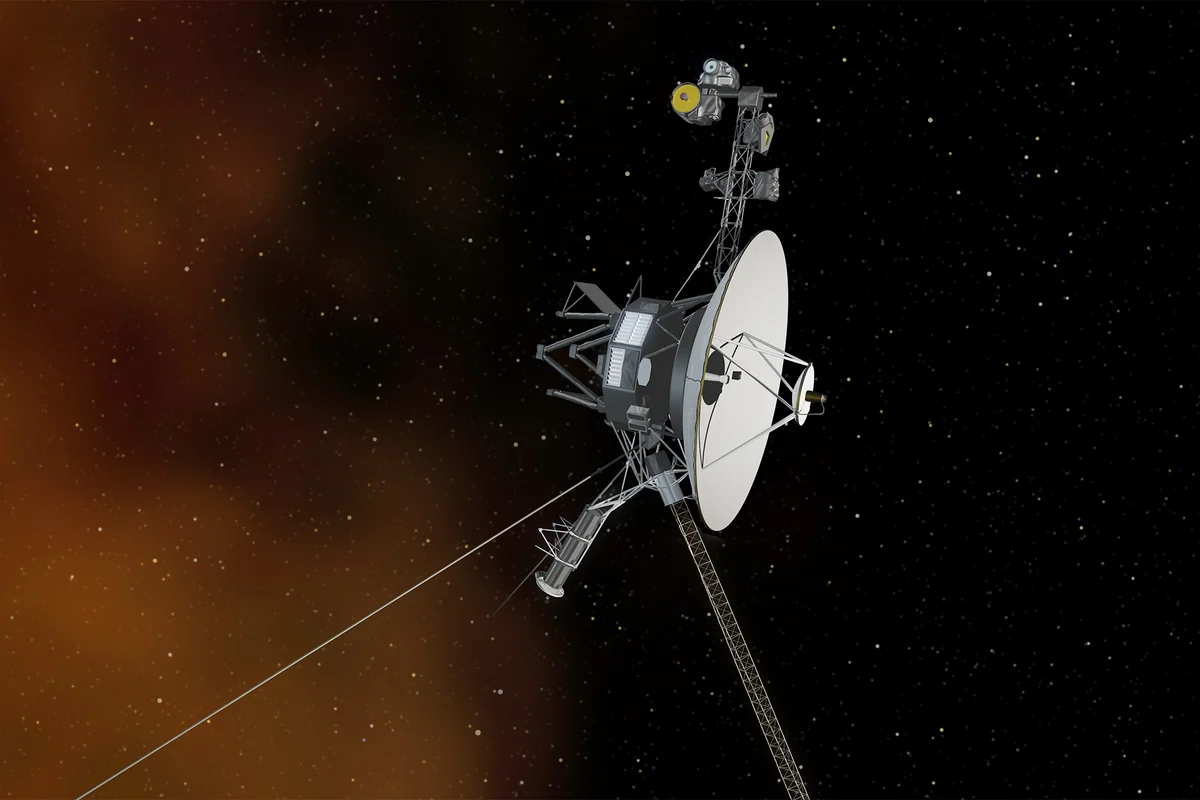
NASA’s Voyager 1 spacecraft is conducting normal science operations for the first time following a technical issue that arose in November 2023.

Deep beneath our feet, in the heart of our planet, something unexpected is happening. Scientists have discovered that Earth’s inner core, a solid iron-nickel sphere roughly the size of the moon, is slowing down.

Scientists have grappled with the fundamental forces that govern our universe, chief among them being gravity, and more recently, dark matter.
In addition to producing auroras, a recent extreme storm provided more detail on how much radiation future astronauts could encounter on the Red Planet.


