

The European Space Agency's Gaia mission spotted hundreds of potential moons, orbiting around more than 350 previously unknown asteroids lurking within the solar system.

Venus and Earth seem like twins who, through dramatically different circumstances and choices, ended up leading dramatically different lives.
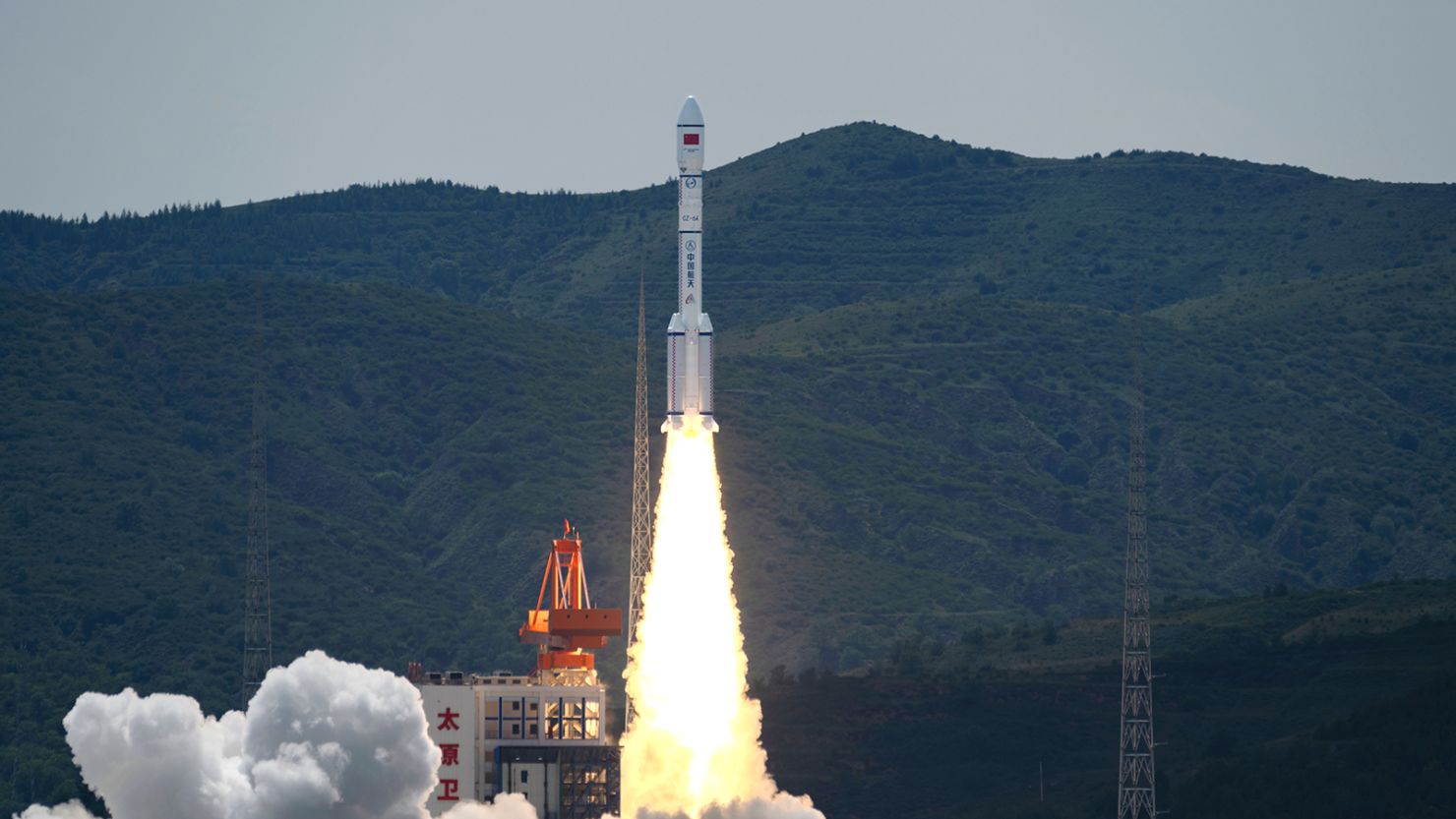
By 2025, China is aiming to deploy 648 satellites of the "Thousand Sails Constellation" to create global internet coverage, according to state media CCTV.
Although our Universe may seem stable, having existed for a whopping 13.7 billion years, several experiments suggest that it is at risk - walking on the edge of a very dangerous cliff.
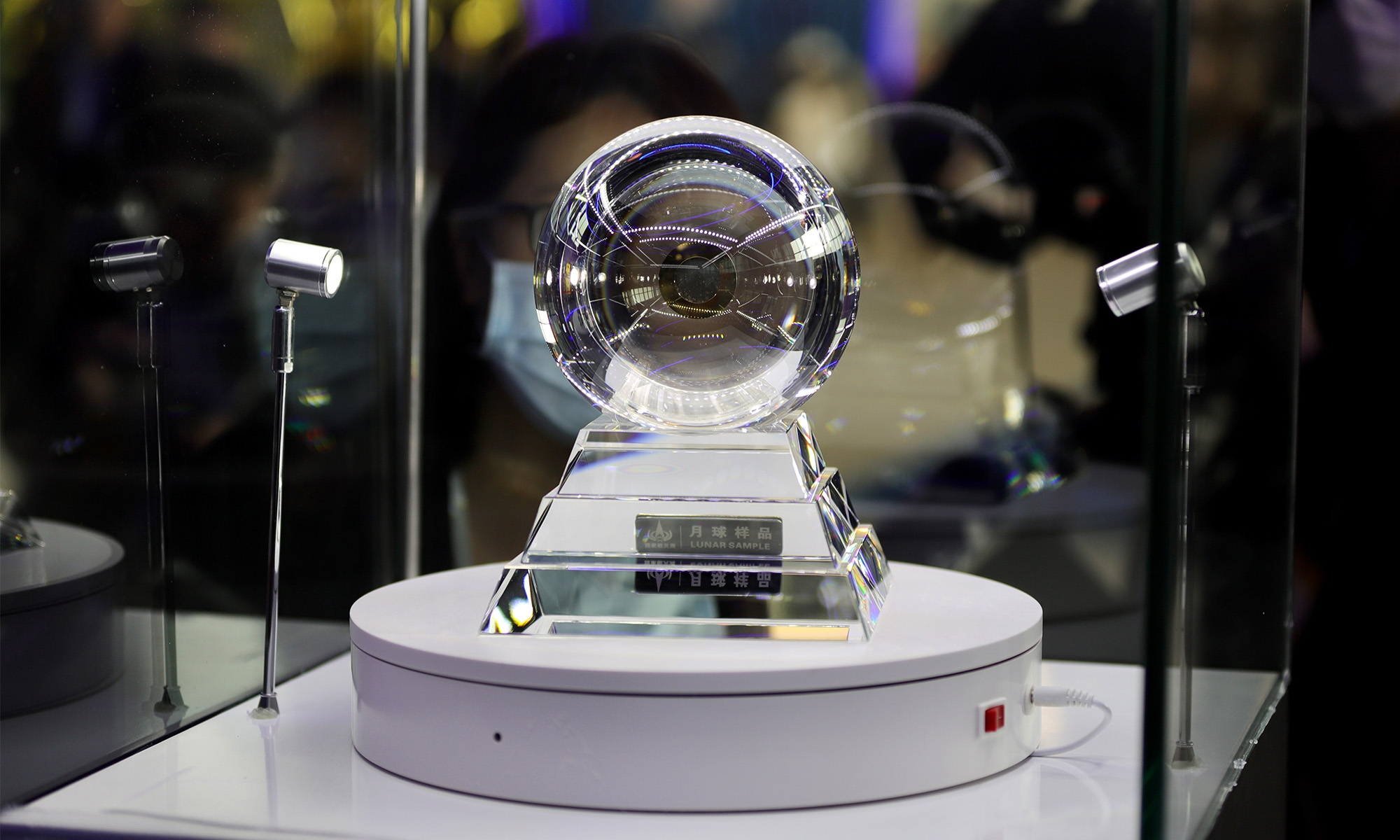
Chinese researchers have recently discovered a naturally occurring few-layer graphene for the first time in the lunar samples brought back by Chang’e-5 probe, which provides new insights into the Moon’s geology.
The signal could help explain why an explosion called a gamma ray burst appeared to be the most powerful ever detected.

In a remarkable discovery, astronomers have found a disc around a young star in the Large Magellanic Cloud, a galaxy neighbouring ours. It’s the first time such a disc has ever been found outside our galaxy.
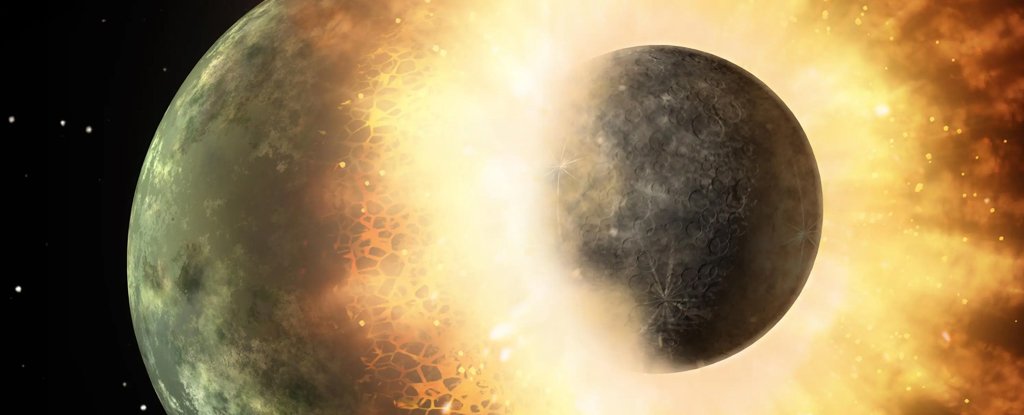
The origins of the Moon have been the cause of many a scientific debate over the years but more recently we seem to have settled on a consensus.
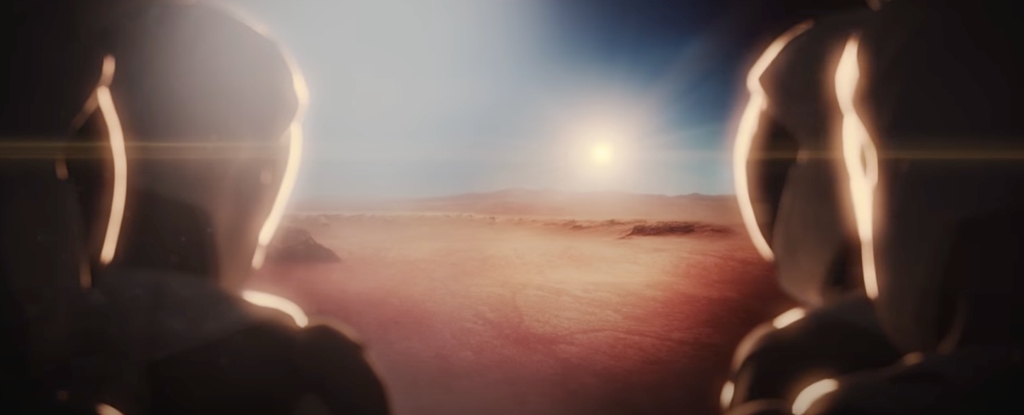
When considering human settlements on the Moon, Mars and further afield, much attention is given to the travel times, food and radiation risk.

Researchers has recently found that nearby storms would strengthen the Great Red Spot, increasing its size. The current shrinking spot may be due to a lack of smaller storms in its diet.

Nasa has announced the first detection of possible biosignatures in a rock on the surface of Mars.
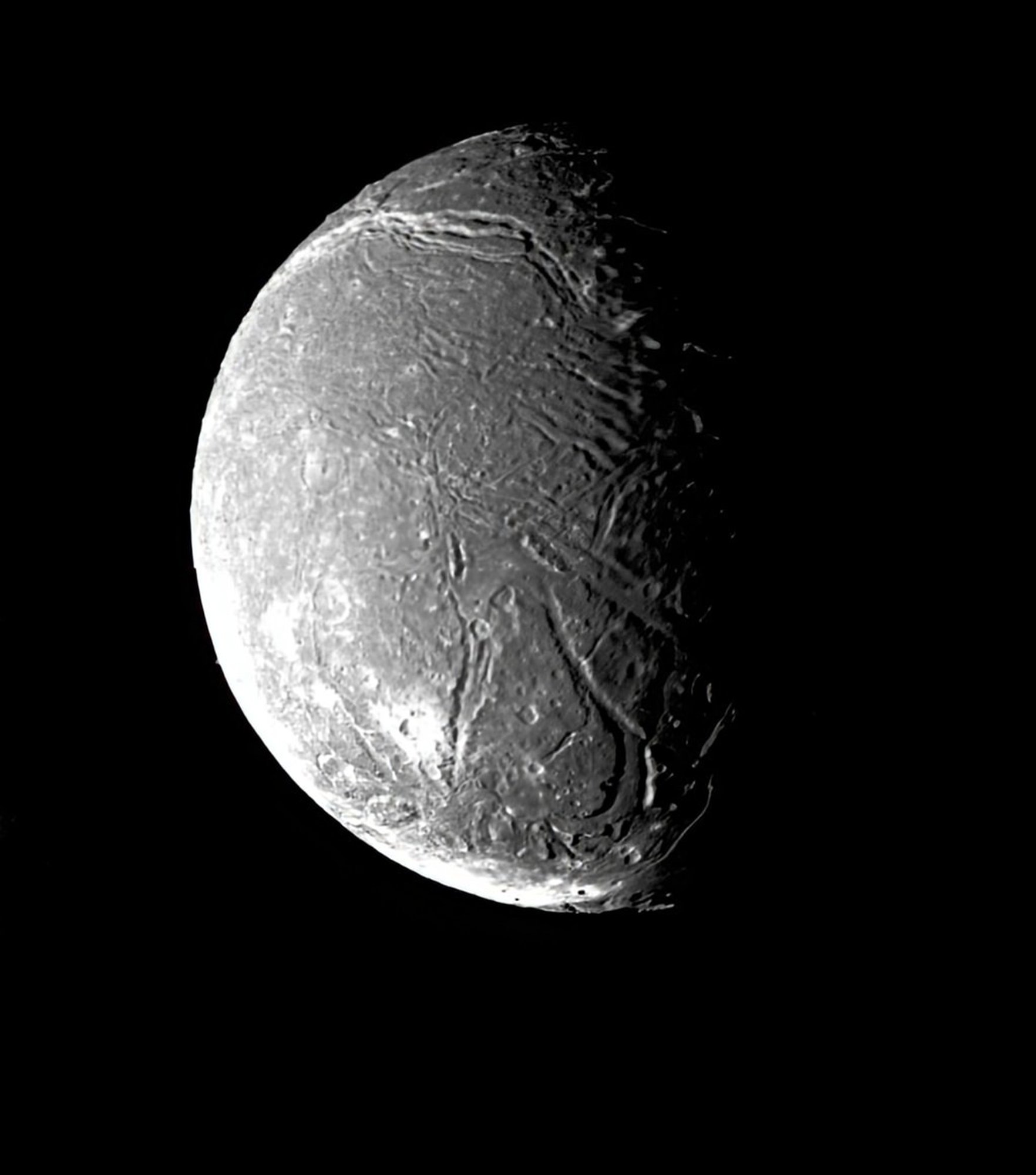
New research has revealed that the surface of Uranus’ moon Ariel is coated with a significant amount of carbon dioxide ice, particularly on its trailing hemisphere, which always faces away from the moon’s direction of orbital motion.

Our CO2 emissions are warming the planet and making life uncomfortable and even unbearable in some regions.
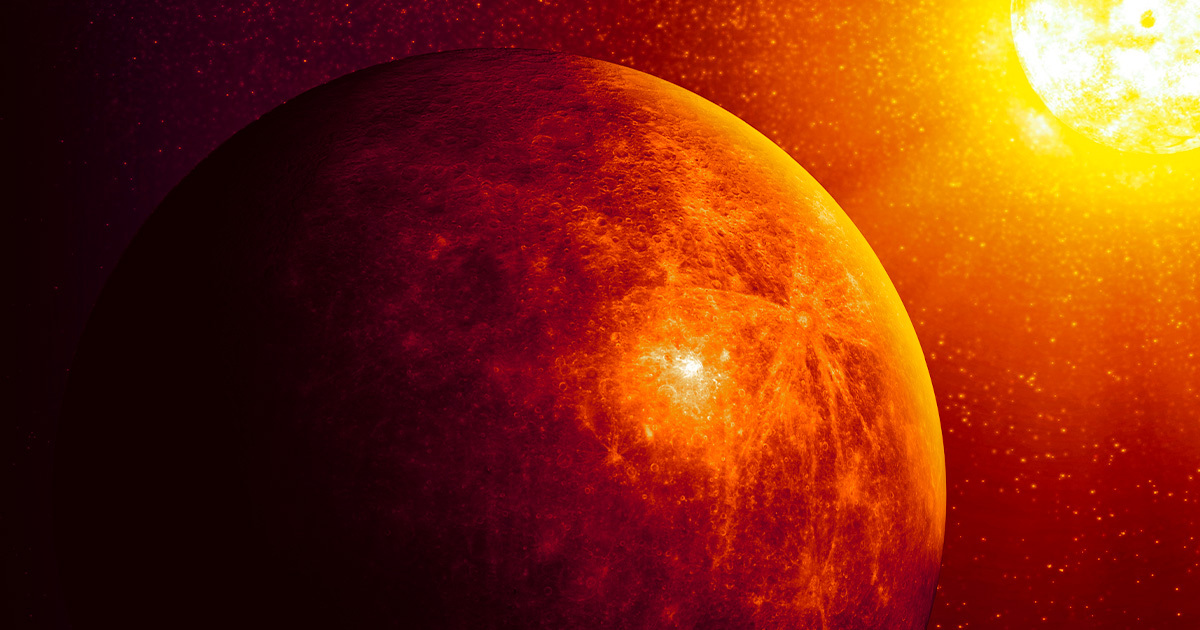
A new research suggests that underneath, the tiny world harbors a glittering interior fit to be the jewel in the crown of our Solar System.

To celebrate the 25th anniversary of its launch, NASA’s Chandra X-ray Observatory is releasing 25 never-before-seen views of a wide range of cosmic objects.


