
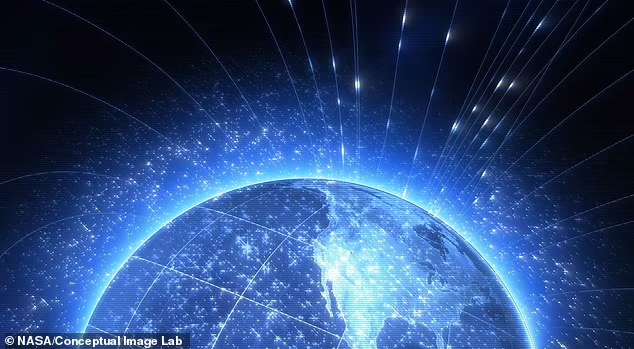
An international team of scientists has successfully measured a planet-wide electric field thought to be as fundamental to Earth as its gravity and magnetic fields.

A team of astronomers working with the James Webb Space Telescope (JWST) has detected six new ‘rogue planets,’ a discovery that could help us learn more about how stars and planets form.

A persistent, nagging problem with the expansion speed of the Universe may not require a rewrite of everything we know about physics.

For years, astronomers thought it was the Milky Way’s destiny to collide with its near neighbor the Andromeda galaxy a few billion years from now. But a new simulation finds a 50% chance the impending crunch will end up a near-miss.
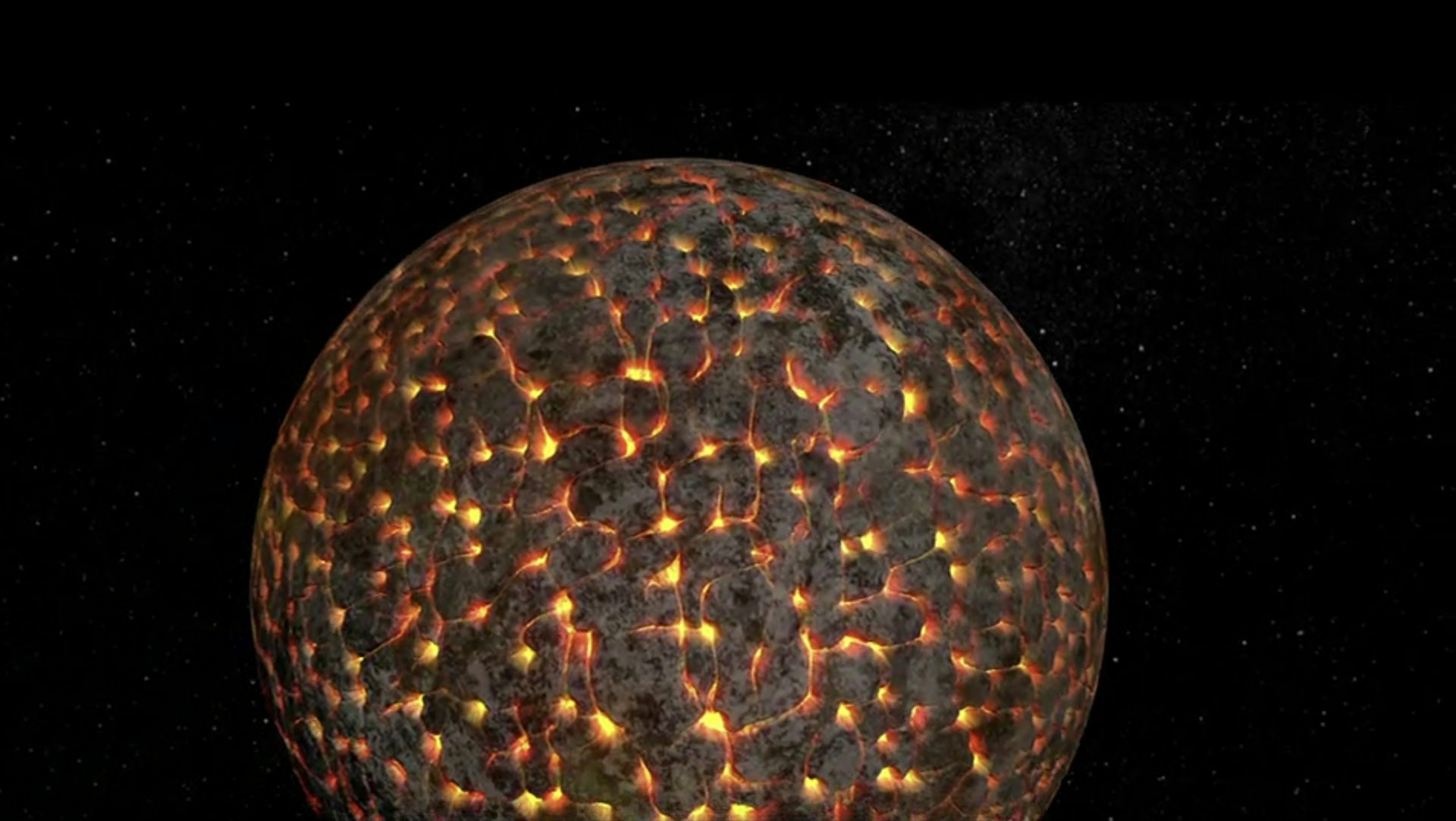
The new study seems to confirm that molten magma covered the Moon's surface shortly after its formation.
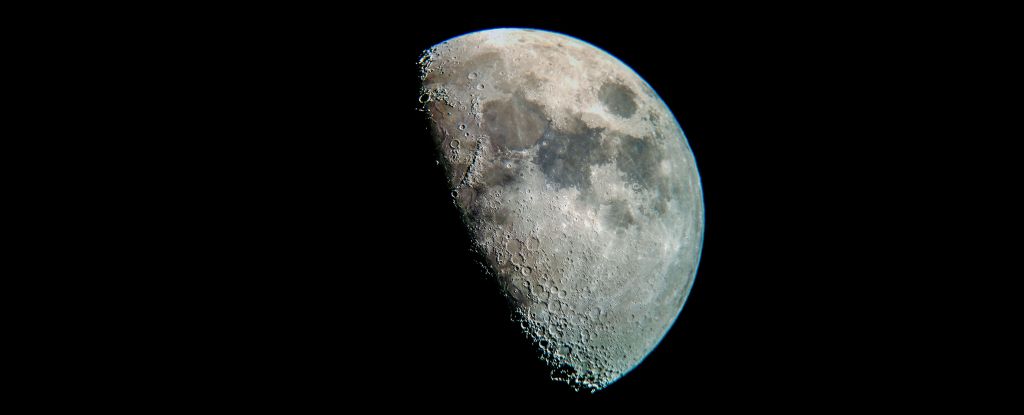
A thorough investigation published in May 2023 found that the inner core of the Moon is, in fact, a solid ball with a density similar to that of iron.
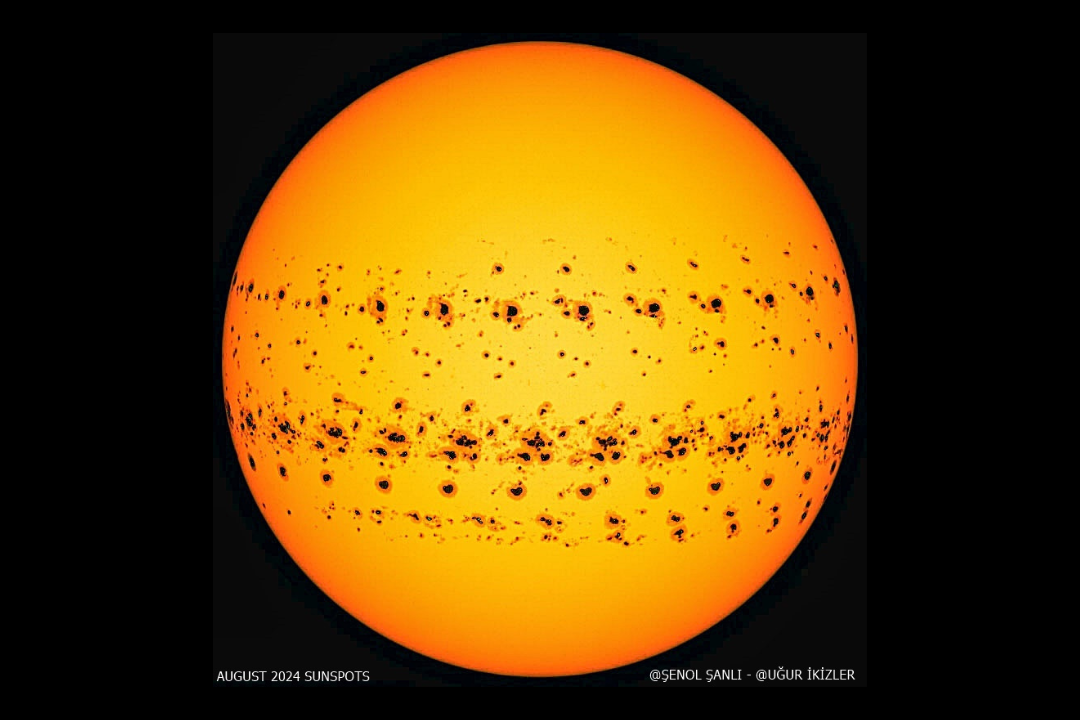
Experts record a record-breaking number of sunspots on the surface of our home star during the month of August.

The signal, recorded in 1977, was at first suspected to be an alien transmission. Now scientists suggest the 47-year-old radio signal was the result of a rare event that caused a massive cloud of hydrogen to shine super brightly.

The Milky Way is so huge and old that statistically, there should be plenty of intelligent civilizations that have colonized their own star systems or neighboring ones, and at least a few that have spread across the galaxy.

A space rock that smacked into Earth 66 million years ago and devastated the ancient life living thereon took a remarkably circuitous route to get here, a new study has found.

Using data from NASA's James Webb Space Telescope, astronomers have confirmed hydroxyl molecules on the surface of the metallic asteroid Psyche.

Two giant clusters of galaxies observed in the process of colliding are going so hard that their dark matter has basically detached from normal matter and flown ahead.
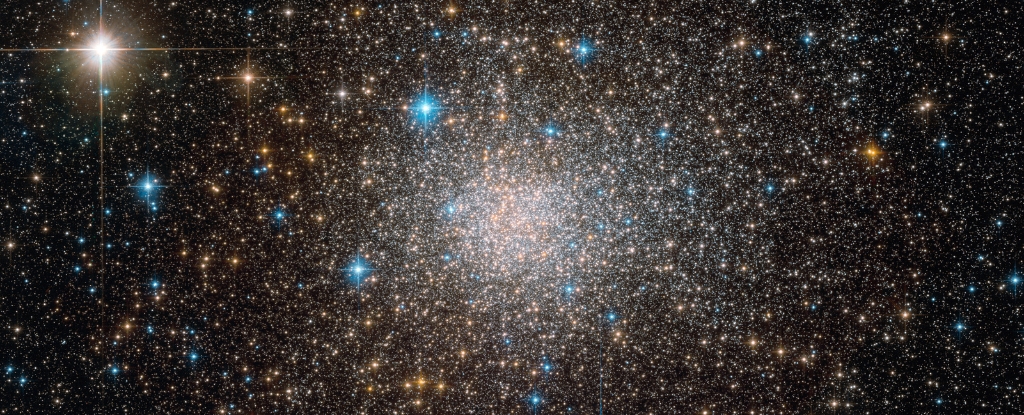
Terzan 5 star cluster is a copious producer of cosmic rays, because it contains a large population of rapidly rotating, incredibly dense and magnetised millisecond pulsars – which accelerate cosmic rays up to extremely high speeds.

New data about the Martian crust gathered by NASA's InSight lander allowed geophysicists to estimate that the amount of groundwater could cover the entire planet to a depth of between 1 and 2 km.
Something is making the fabric of our Universe grow at an ever-accelerating rate, and scientists are truly stumped on what it could be.


