
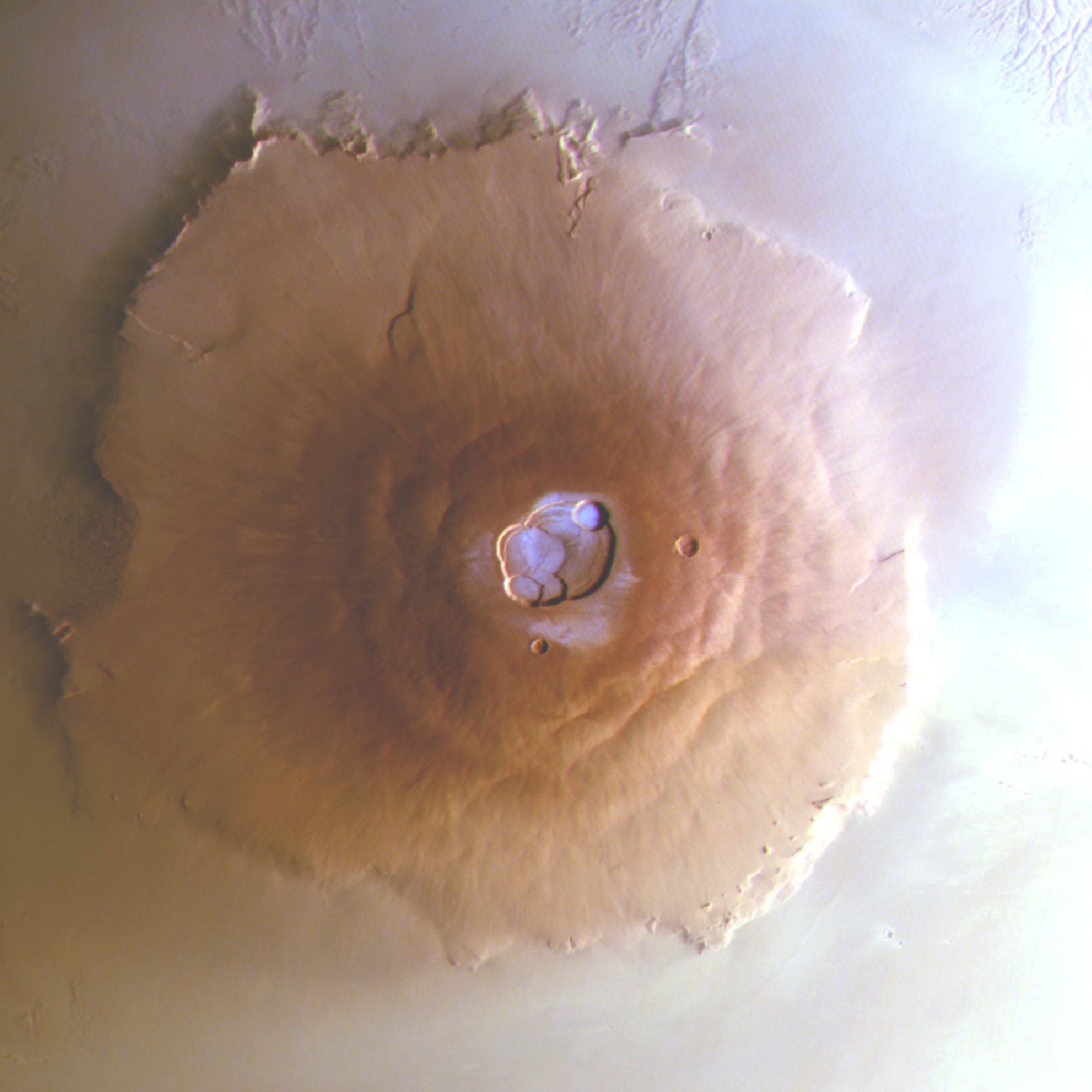
Morning images show frost briefly coating at least four colossal volcanoes: Olympus Mons, Arsia Mons, Ascraeus Mons, and Ceraunius Tholus.
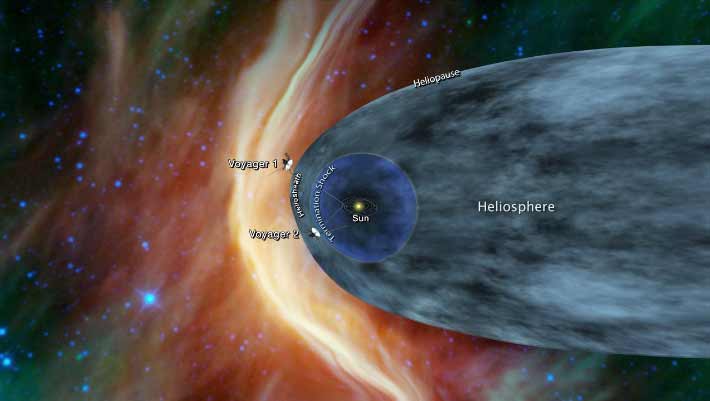
Cold, dense clouds in the interstellar medium of our Milky Way Galaxy are around four-five orders of magnitude denser than their diffuse counterparts.
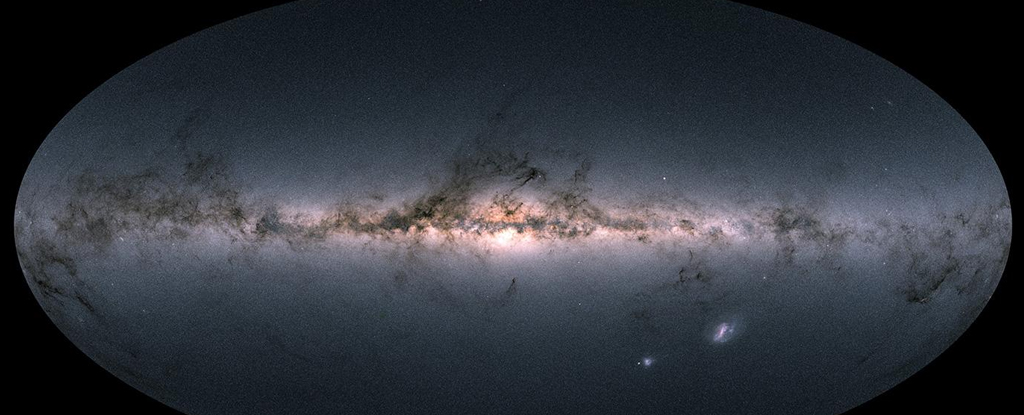
The Milky Way is only as massive as it is because of collisions and mergers with other galaxies.
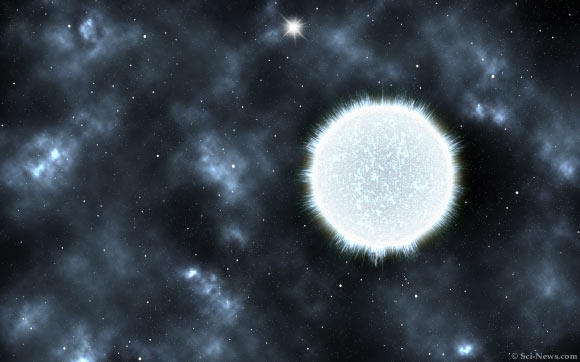
A neutron star labeled ASKAP J1935+2148 defies rules for neutron stars, emitting radio signals on a comparatively leisurely interval of 53.8 minutes.
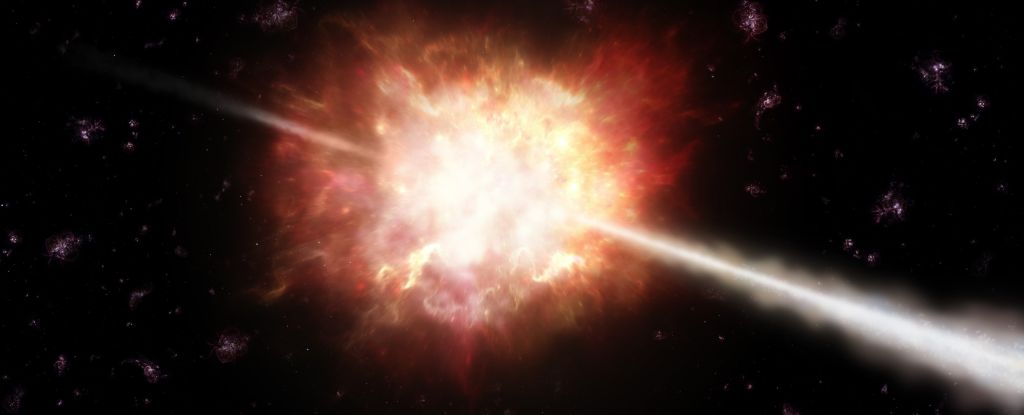
The creation of any heavier elements would consume energy instead of releasing it. In order to explain the presence of these heavier elements today, it's necessary to find phenomena that can produce them.
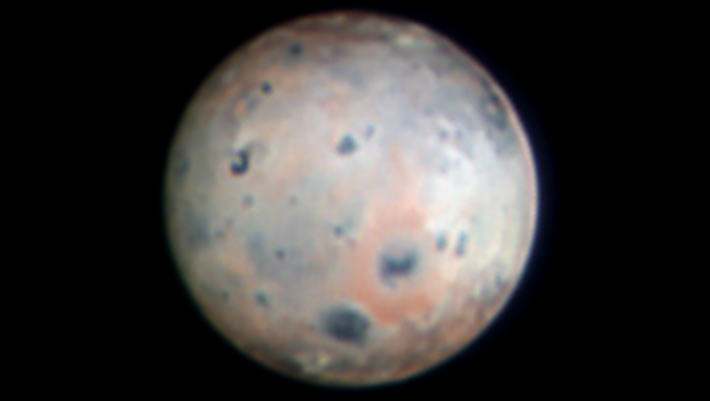
Using the SHARK-VIS instrument on the Large Binocular Telescope on Mount Graham in Arizona, the United States, astronomers have captured the highest resolution optical images of Io ever obtained from a ground-based telescope.
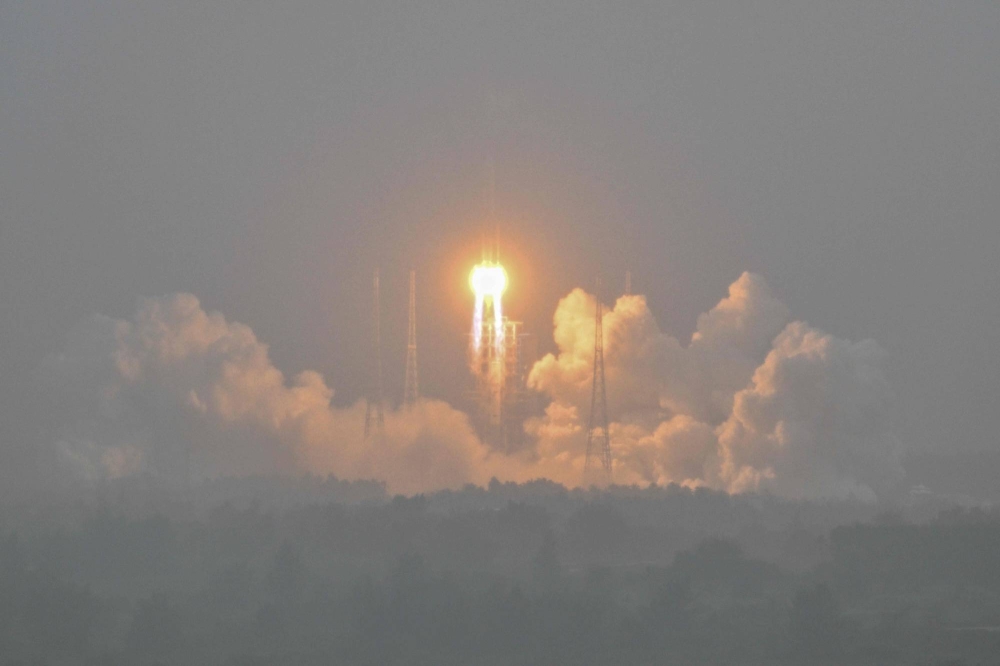
China launched a probe to collect samples from the far side of the moon, a world first as Beijing pushes ahead with an ambitious program that aims to send a crewed lunar mission by 2030.
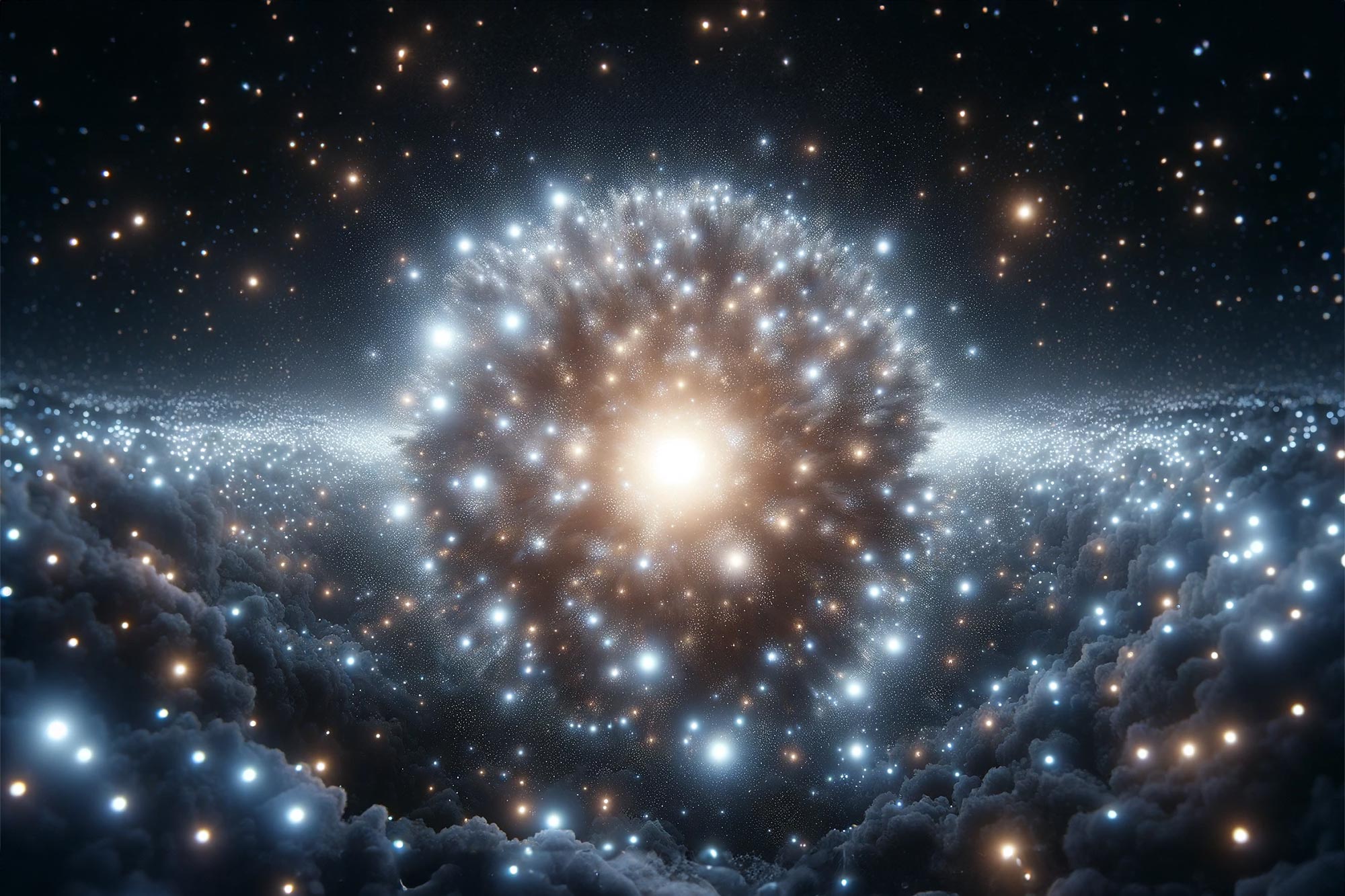
New research demonstrated a possible formation mechanism of intermediate-mass black holes in globular clusters, star clusters that could contain tens of thousands or even millions of tightly packed stars.

A NASA catalog featuring 126 exotic, newly discovered worlds includes detailed measurements that allow for comparisons with our own solar system.
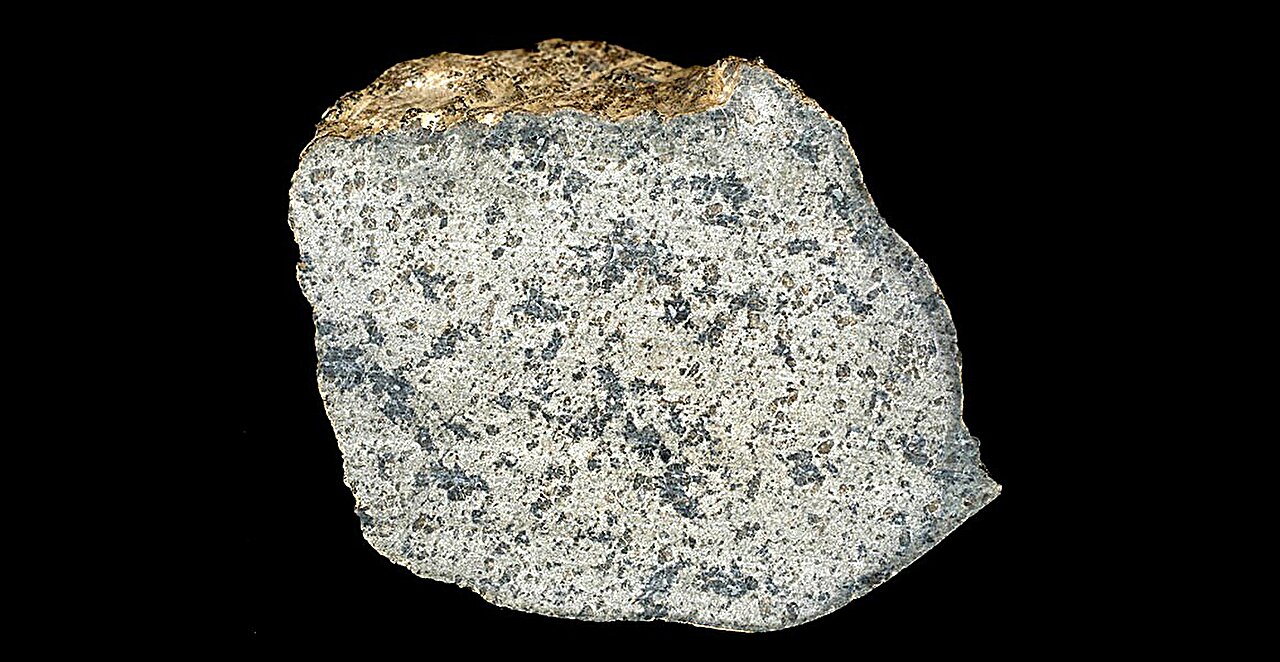
Mars has a distinct structure in its mantle and crust with discernible reservoirs, and this is known thanks to meteorites that scientists have analyzed.
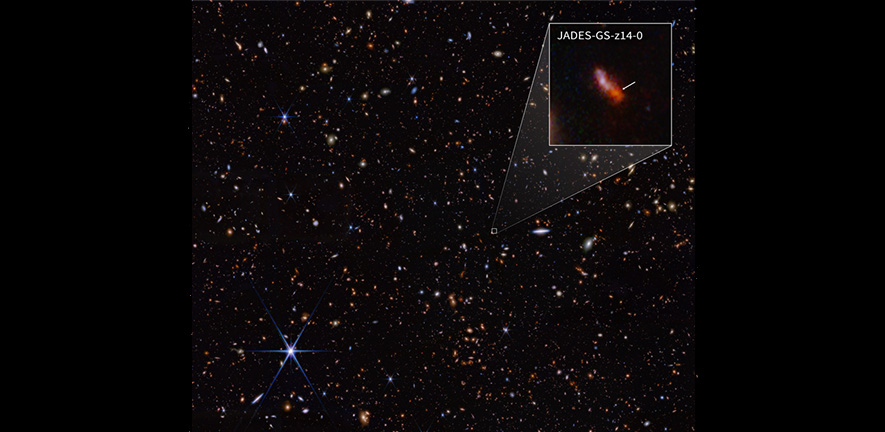
The two earliest and most distant galaxies yet confirmed, dating back to only 300 million years after the Big Bang, have been discovered using NASA's James Webb Space Telescope.
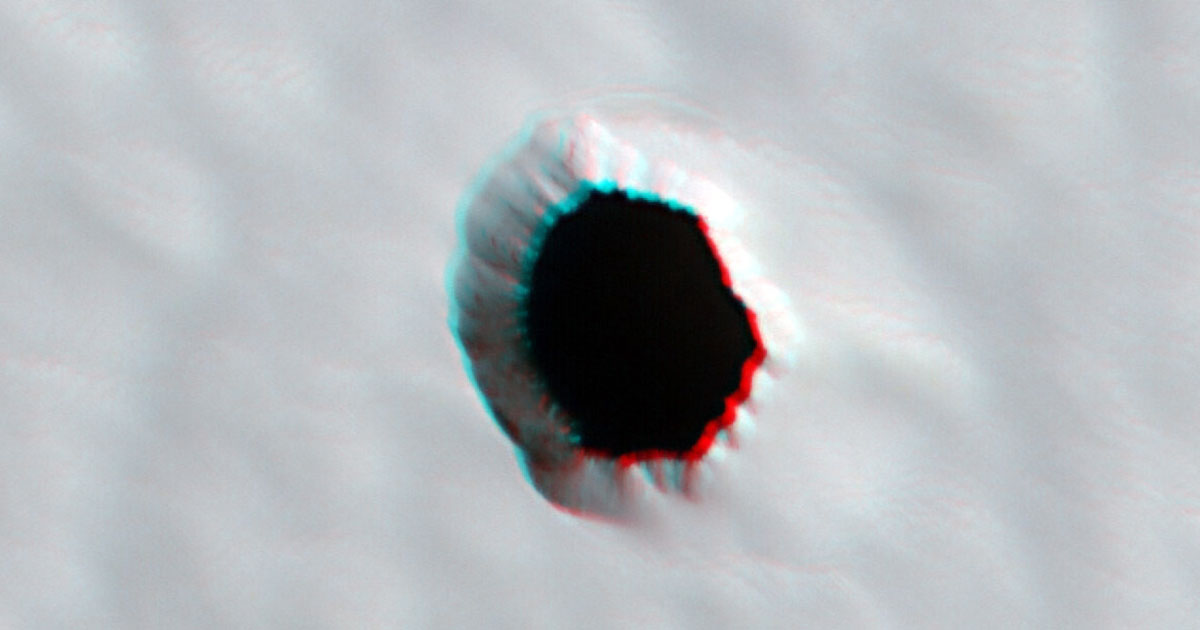
NASA's Mars Reconnaissance Orbiter (MRO) has discovered another intriguing formation on the planet's barren surface. Despite their best efforts, scientists can only guess as to how exactly holes like this one were formed.
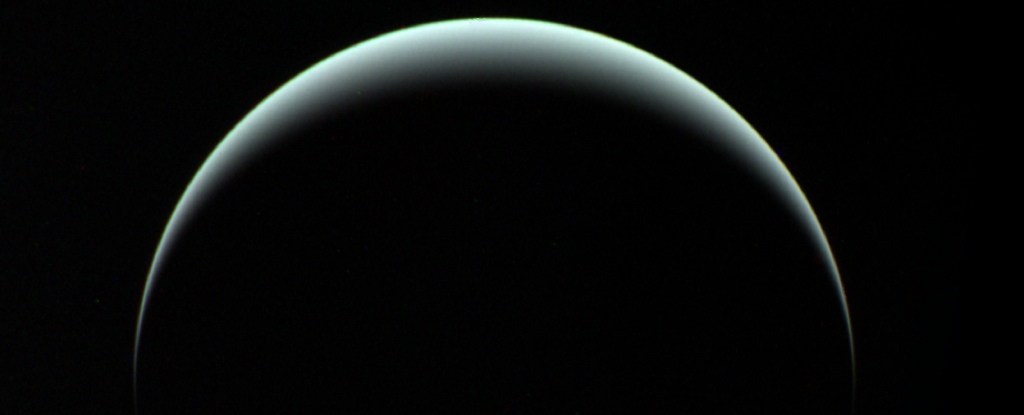
One of the most peculiar things about Uranus and Neptune is their magnetic fields.
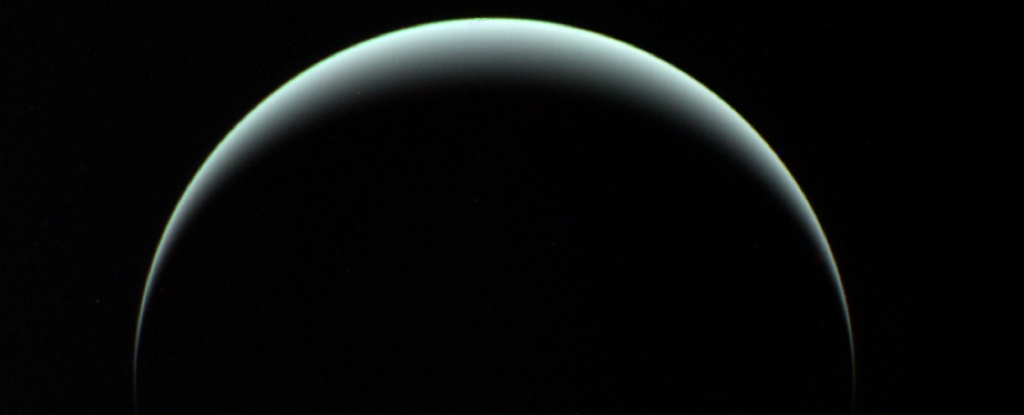
One of the most peculiar things about Uranus and Neptune is their magnetic fields.
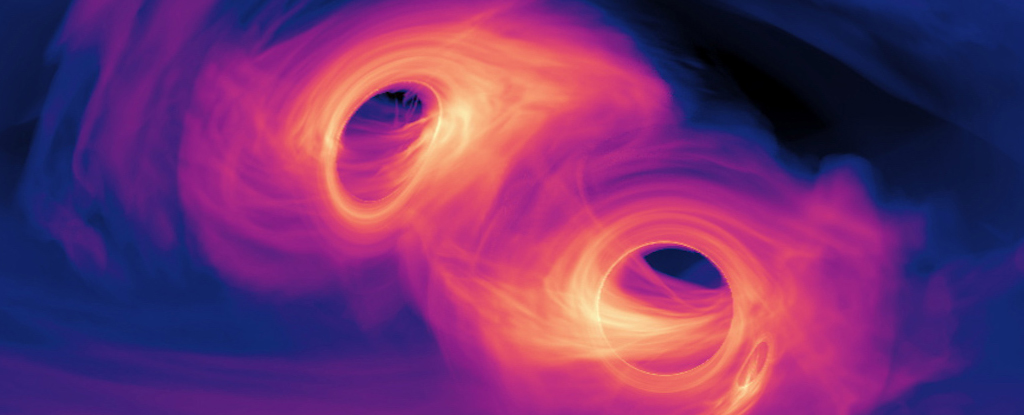
The researchers say that these black holes mergers are a window into Hawking Radiation. When black holes merge, they may create so-called "morsel" black holes the size of asteroids that are ejected into space.


