

Last year, a study proposed that deposits of carbon dioxide ice and other carbon-bearing molecules on Uranus's moon Ariel likely originated from chemical processes inside the moon—possibly even from a subsurface ocean.
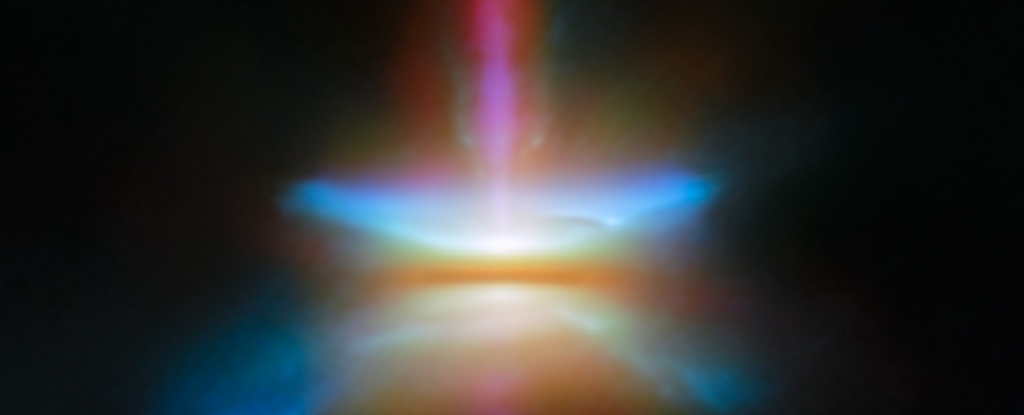
This new image of the protostar HH30 is in amazing new detail thanks to the JWST. The image shows the protoplanetary disk seen edge on, with a conical outflow of gas and dust, with a narrow jet blasting out into space.
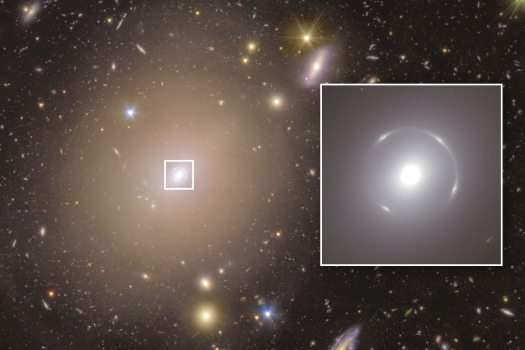
Using the European Space Agency’s Euclid space telescope, astronomers have accidentally found a complete Einstein ring around a nearby galaxy known as NGC 6505.
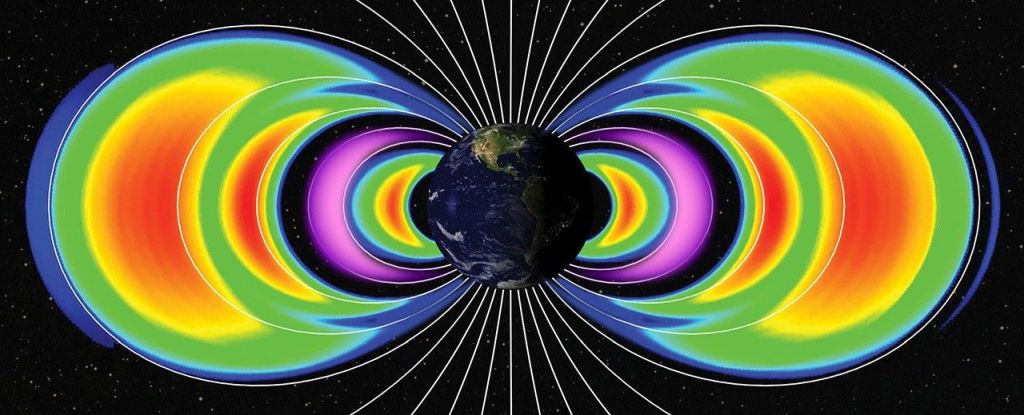
In the months following massive solar storm in May, 2024, Earth was girded by two new, temporary radiation belts of high-energy particles, trapped by the planet's magnetic field.
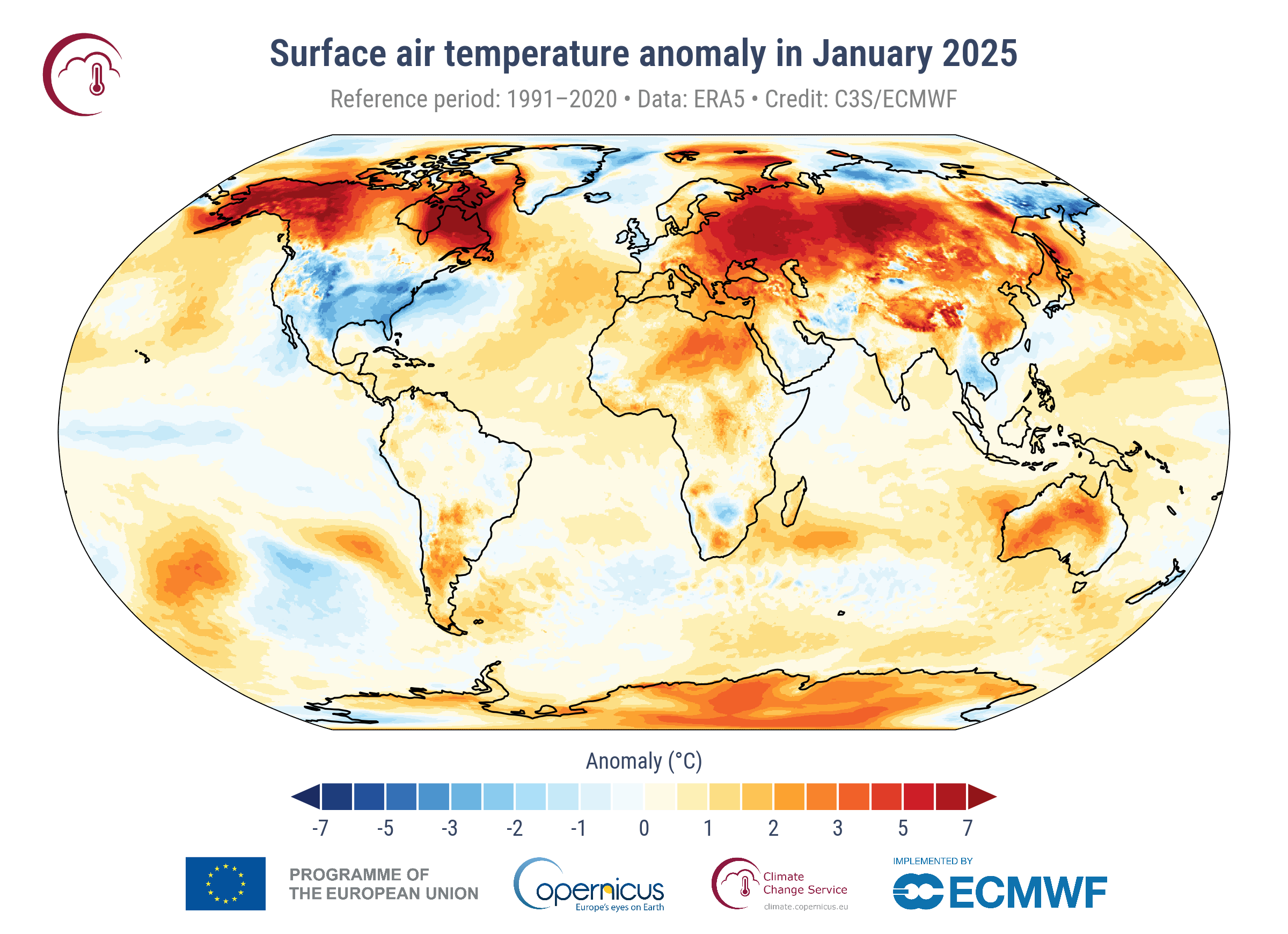
January 2025 was 1.75°C above the pre-industrial level and was the 18th month in the last nineteen months for which the global-average surface air temperature was more than 1.5°C above the pre-industrial level.
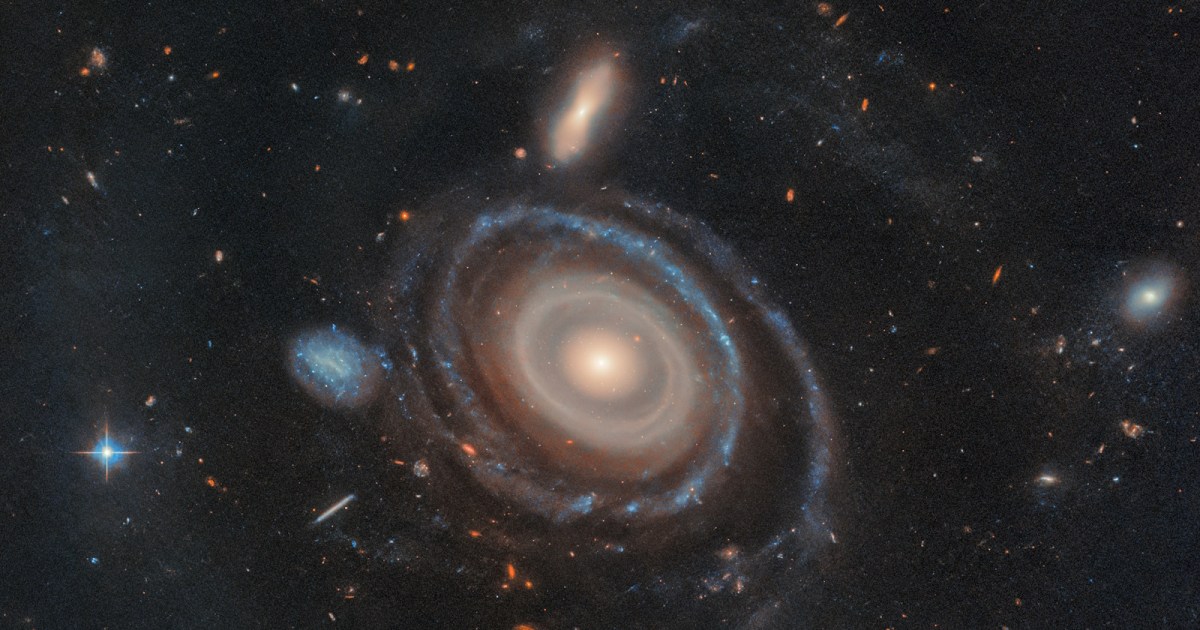
Ring galaxies are rare, but we think we know how they form. A new, early-stage version, the Bullseye galaxy, provides a new testing ground.
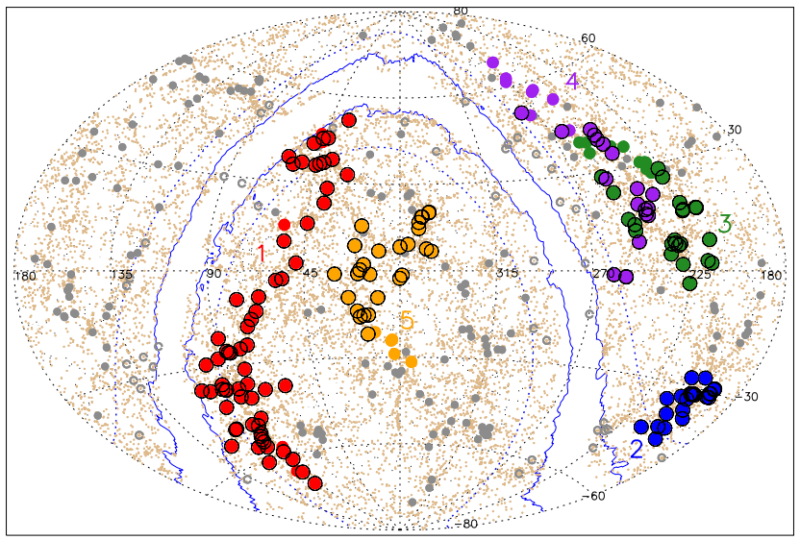
A team of astronomers have mapped the nearby universe, from about 425 million to 800 million light-years (which translates to some 130 to 250 megaparsecs), and discovered the largest-known structure residing there.
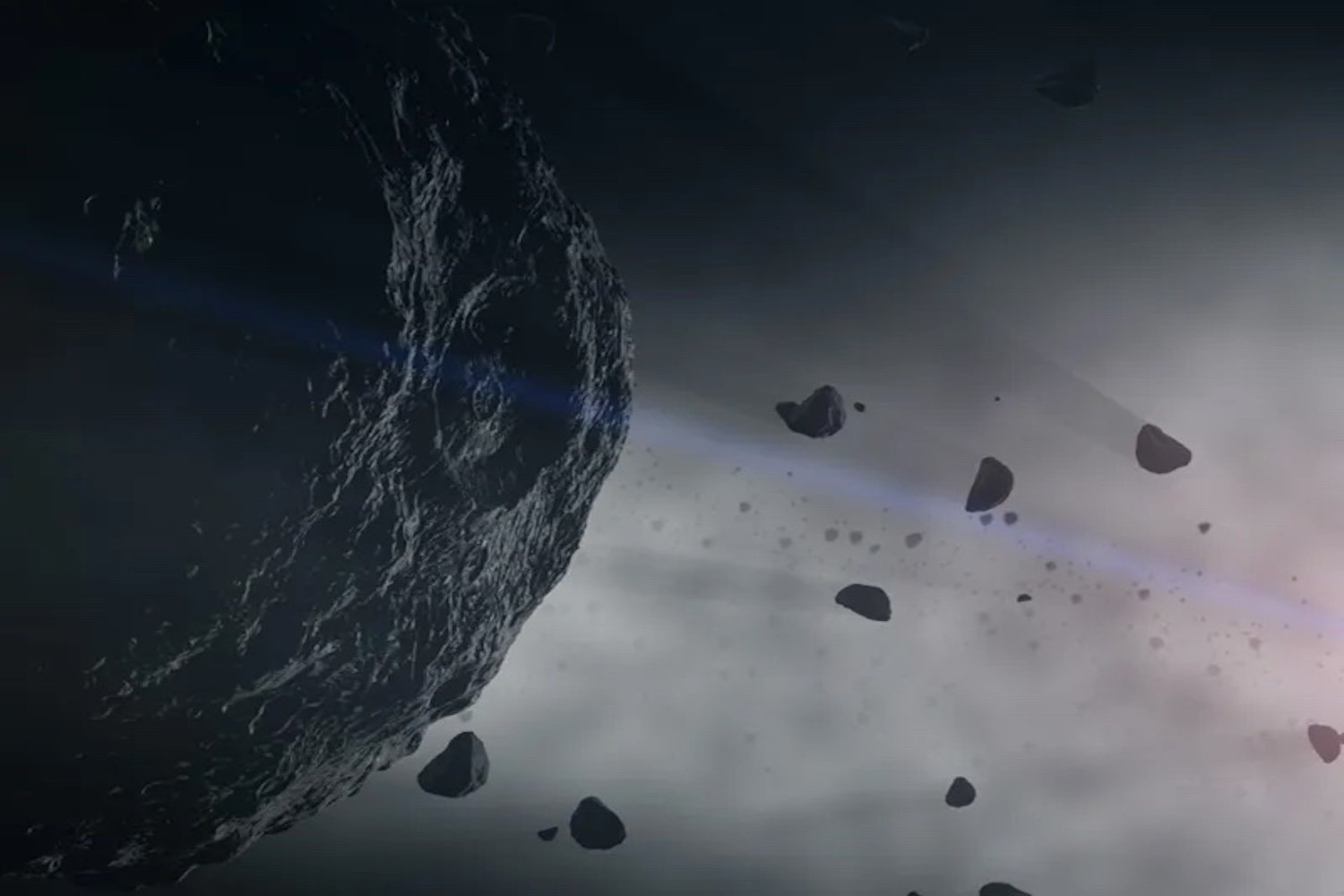
Bennu has a 1-in-2,700 chance of colliding with Earth in 2182, causing a global winter and drought.

New research shows that when an asteroid slammed into the moon billions of years ago, it carved out a pair of grand canyons on the lunar far side.
Scientist have concluded water did not arrive as early during Earth's formation as previously thought.
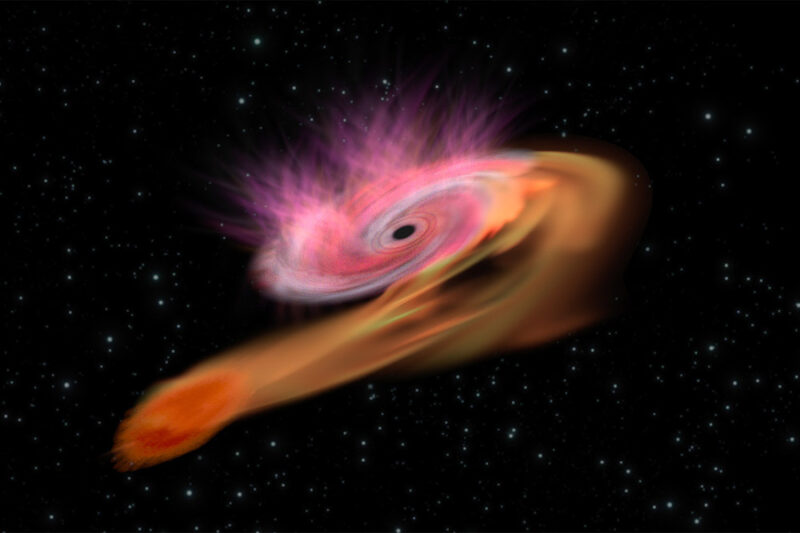
In April of 2024, astronomers spotted an unusual event that astronomers named EP240408a. While the explosion was originally thought to be a gamma-ray burst, it now appears it might represent a new class of powerful cosmic explosion.
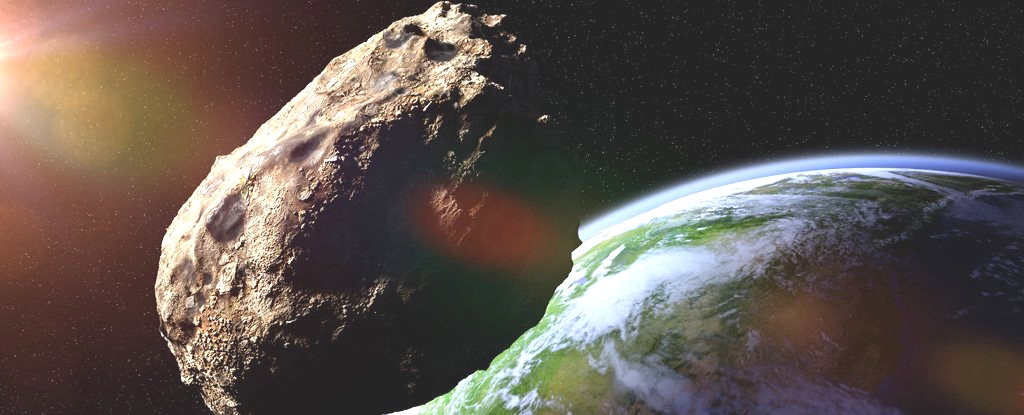
Asteroid, 2024 YR4, is on a path that might lead to a collision with our planet on 22 December 2032. Calculations suggest there is currently around a 1-in-77 chance that the asteroid will crash into our planet at that time.
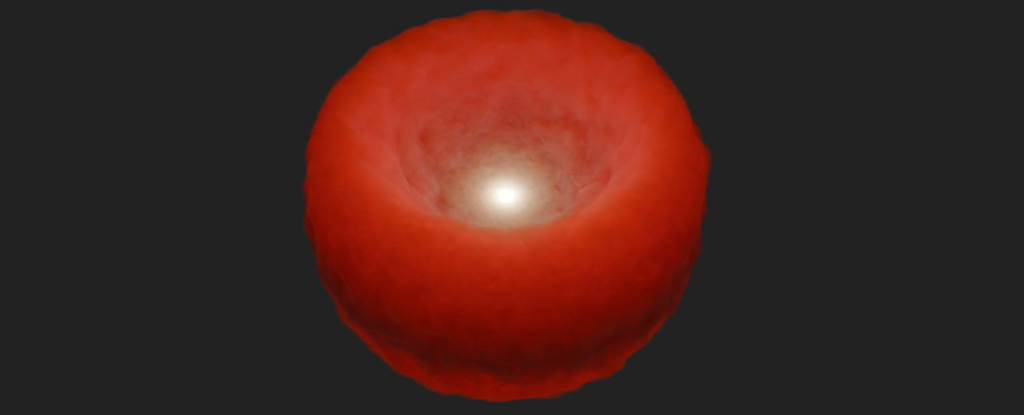
By some reckoning, as few as 15 percent of supermassive black holes are hidden behind dust clouds.

During a flyby of Jupiter’s moon Io on December 27, 2024, NASA’s Juno spacecraft discovered an astonishing volcanic hotspot in the moon’s southern hemisphere.
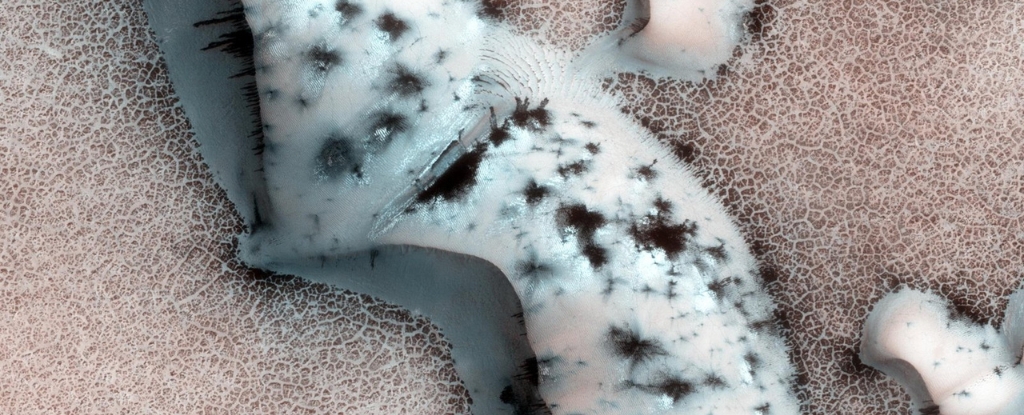
Though it's a cold, dead planet, Mars still has its own natural beauty about it. This image shows us something we'll never see on Earth - Martian CO2 geysers.


