

The European Space Agency's Milky Way-mapper Gaia has completed the sky-scanning phase of its mission, racking up more than three trillion observations of about two billion stars and other objects over the last decade.
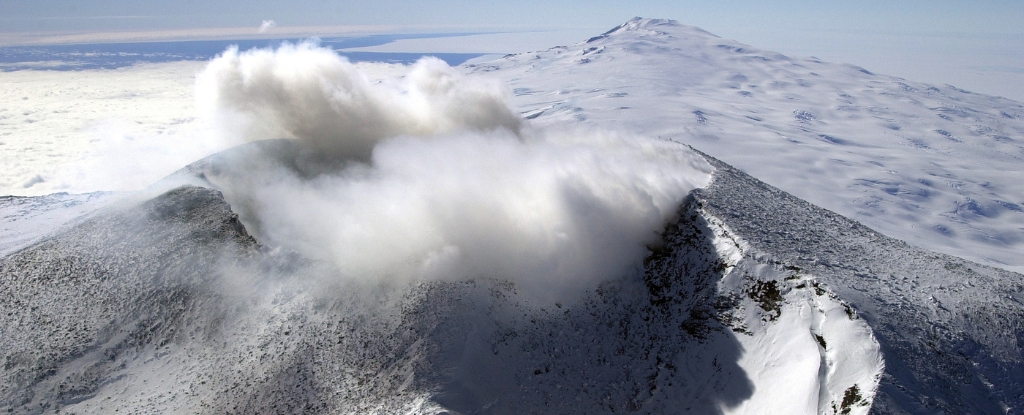
Deep under the frozen desert of western Antarctica, a hidden danger slumbers. Lurking beneath the massive, 1–2 kilometer-thick slab of frozen water lies an active volcanic rift, seething away in the deep, in the darkness.
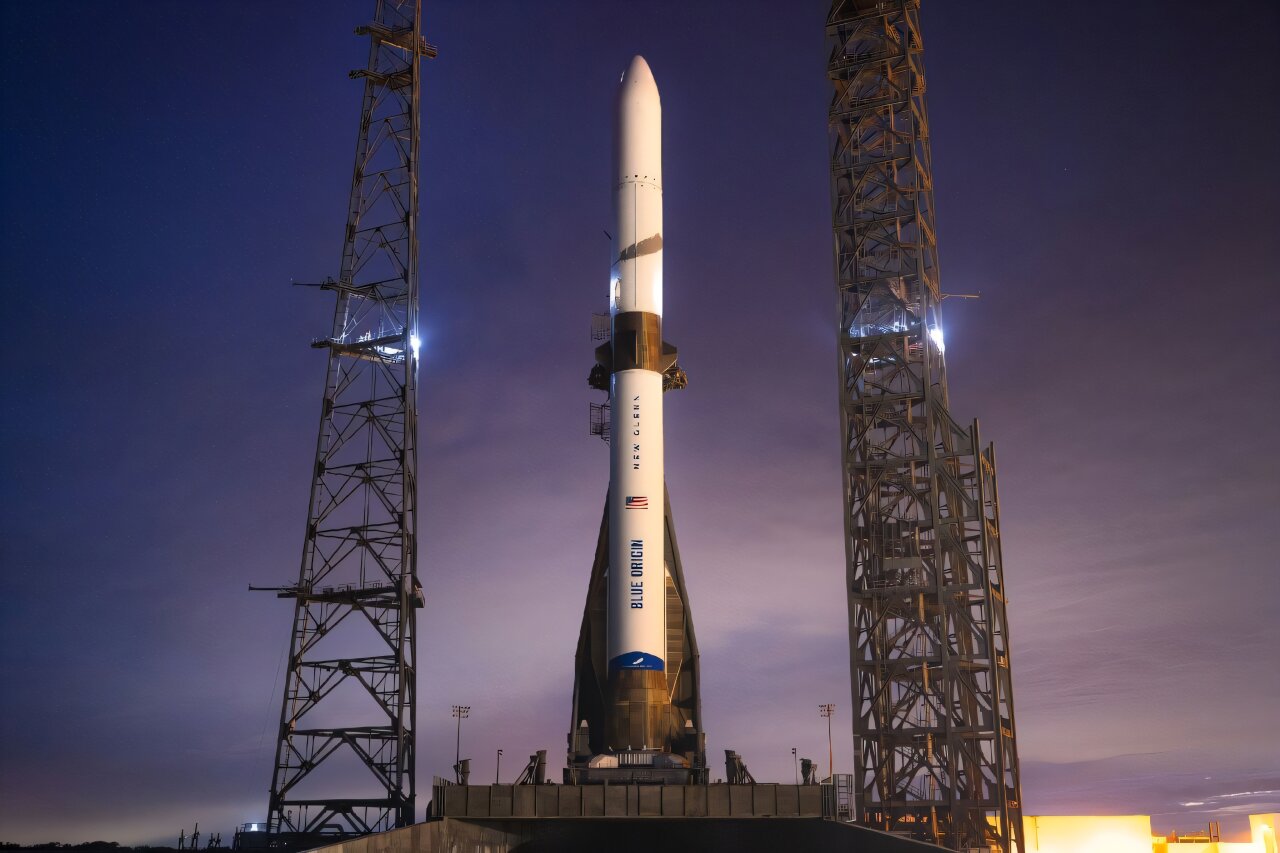
A quarter century after its founding, Jeff Bezos's Blue Origin is finally ready for its maiden orbital voyage with a brand new rocket the company hopes will shake up the commercial space race.

Astronomers at the University of Sydney have found the slowest rotating pulsar yet found, a 'cosmic lighthouse' that spins once every 6.5 hours, pushing the boundaries of what was thought possible.
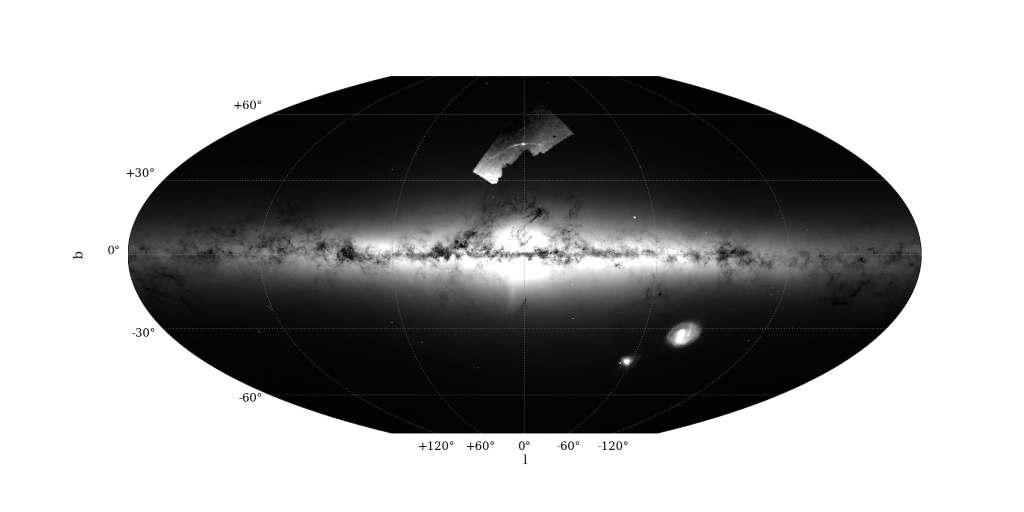
An international team of astronomers show that distinguishing features of Palomar 5 star cluster are likely the result of an oversized black hole population of more than 100 black holes in the center of the cluster.
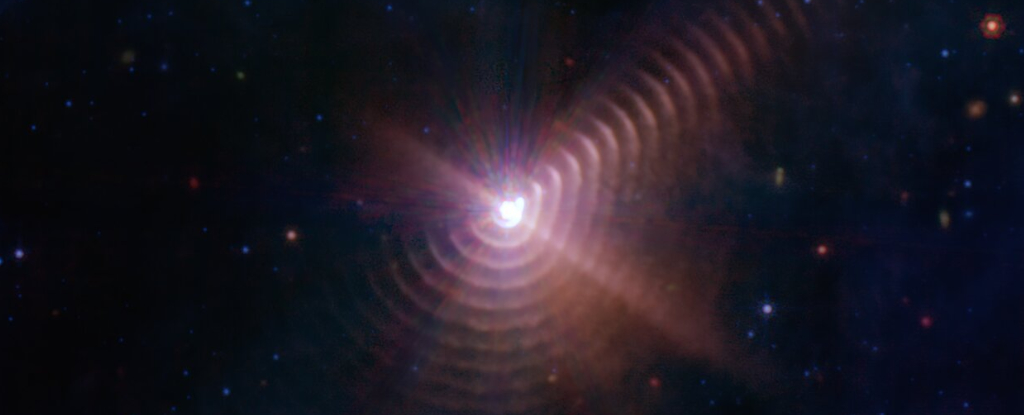
Carbon-rich cosmic dust comes from different sources and spreads out into space, where it's necessary for life and for the formation of rocky planets like ours.
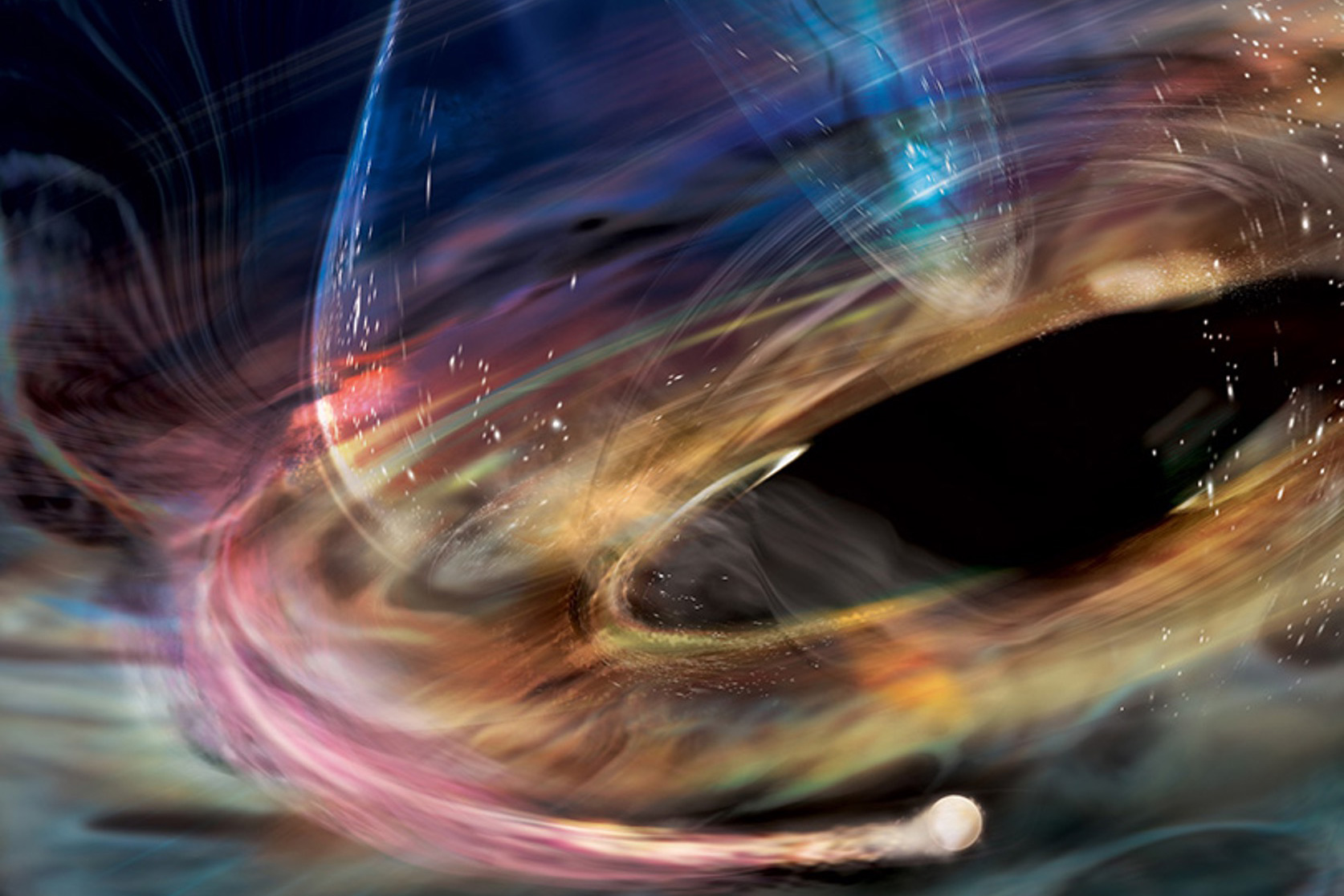
MIT astronomers observed flashes of X-rays coming from a supermassive black hole at a steadily increasing clip. The source could be the core of a dead star that's teetering at the black hole's edge.

On 8 January 2025, the ESA/JAXA BepiColombo mission flew past Mercury for the sixth time, successfully completing the final "gravity assist manoeuvre" needed to steer it into orbit around the planet in late 2026.
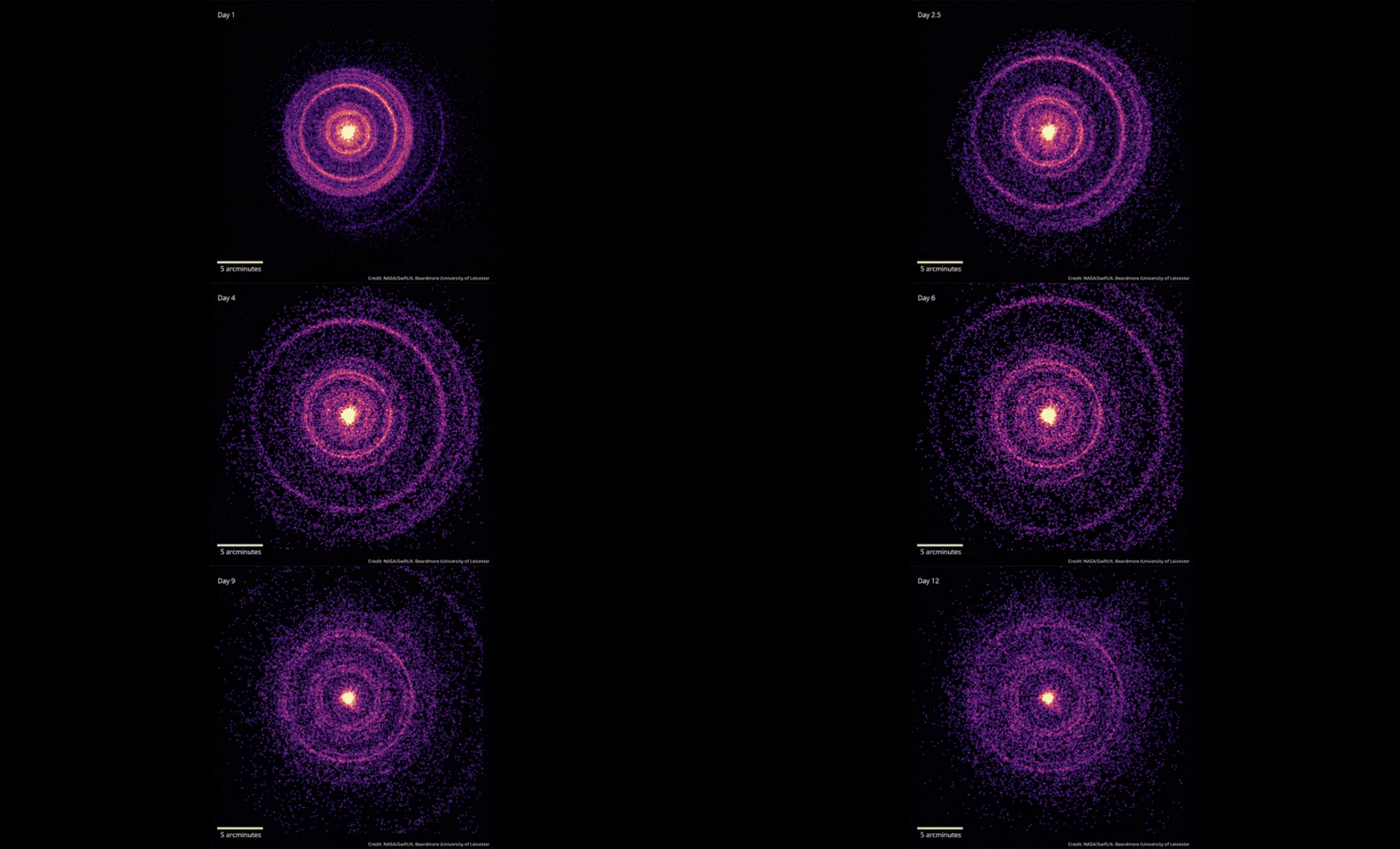
In October 2022, scientists detected the explosive death of a star 2.4 billion light-years away that was brighter than any ever recorded.

Scientists recently discovered that the giant 'conveyer belt' currents that push star-forged material out of our galaxy and pull it back in can also transport carbon atoms.

Collaborative work by amateur and professional astronomers has helped to resolve a long-standing misunderstanding about the composition of Jupiter's clouds.

Taking advantage of a cosmic "double lens," astronomers resolved more than 40 individual stars in a galaxy so far away its light dates back to when the universe was only half its present age.

When examining a still-developing exoplanet in a distant star system, a team of astronomers uncovered a mismatch between the gases in the planet's atmosphere and those within the disk.
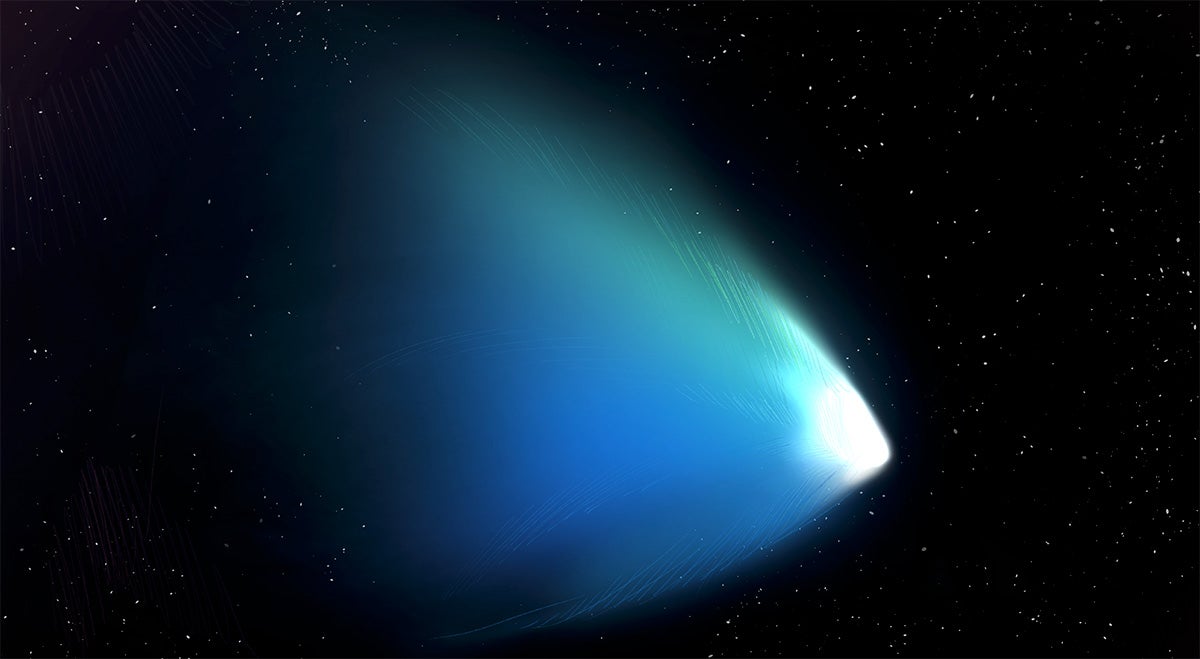
A resent study used James Webb Space Telescope to reveal one-of-a-kind attributes of (2060) Chiron, a distant “centaur” in space sharing properties of both a comet and an asteroid, giving clues to our Solar System’s origins.

Theoretical physicists from the Autonomous University of Barcelona in Spain think they might at last have an explanation for why Schrödinger's cat would always appear in a single state once it's observed.


