
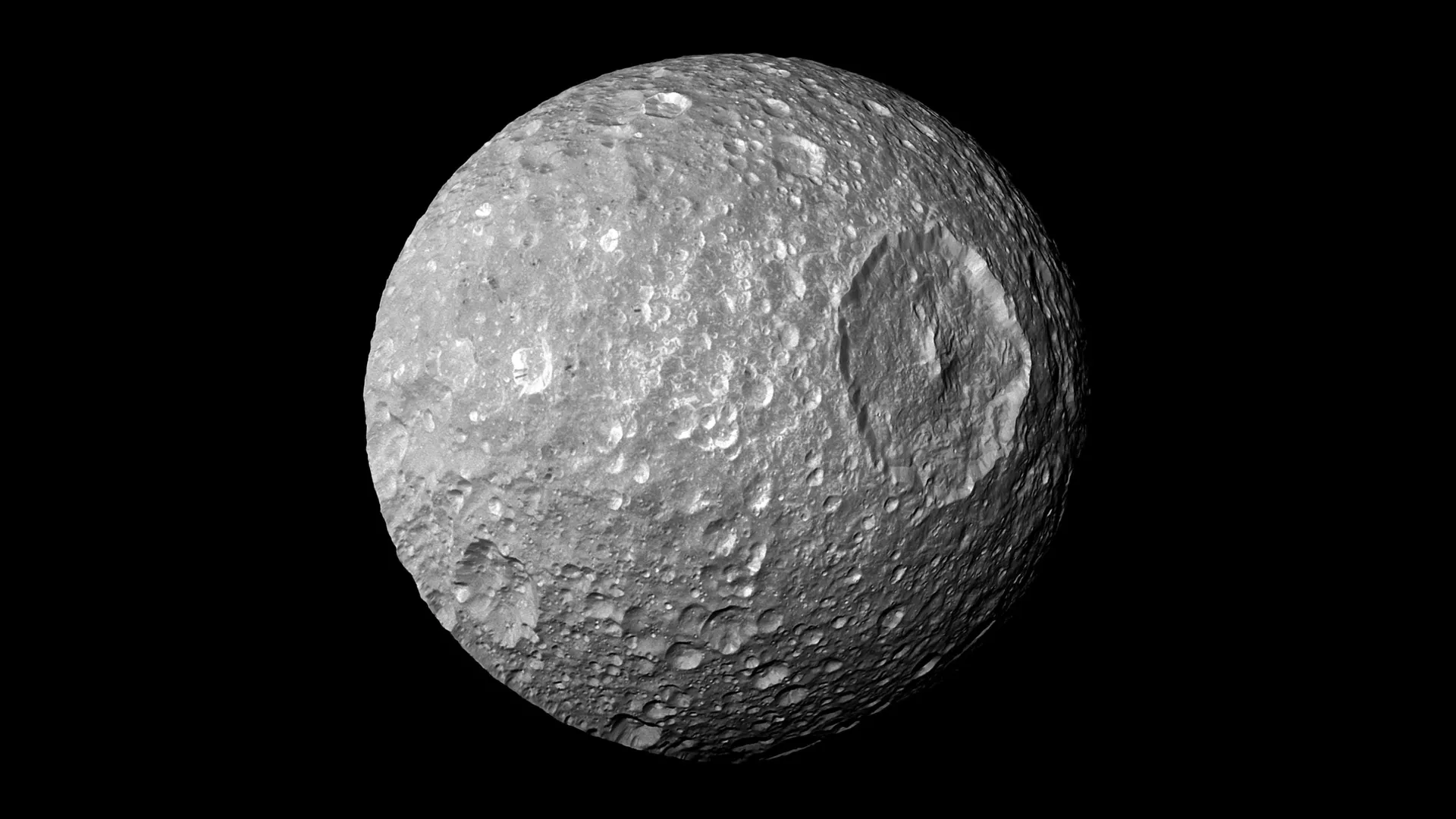
Icy moons circling the outer planets may be far more dynamic. New research suggests that when heat from tidal forces melts their ice shells from below, the sudden drop in pressure could cause hidden oceans to boil beneath the surface.
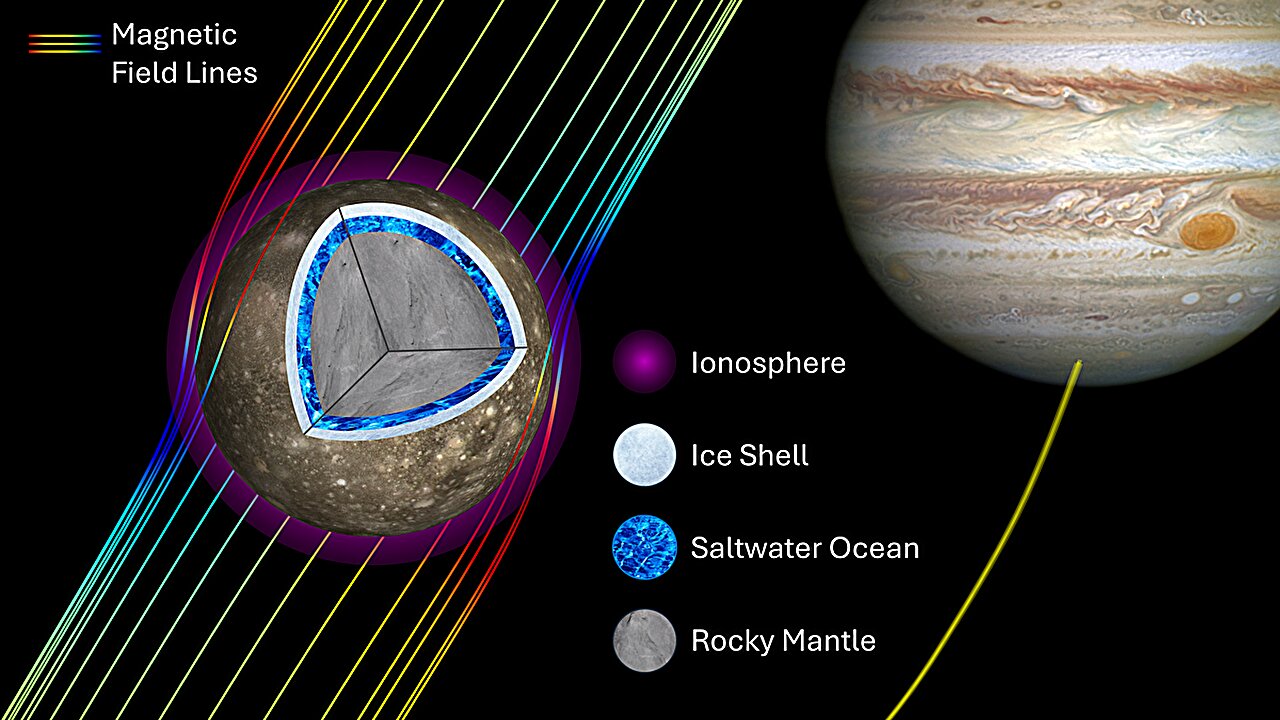
Recent expanded analysis much more strongly suggests that Callisto hosts a subsurface ocean.
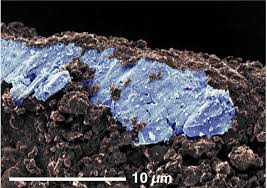
A team of researchers has found evidence of salt minerals in samples recovered from Ryugu during the initial phase of Japan's Hayabusa2 mission.

Last year, a study proposed that deposits of carbon dioxide ice and other carbon-bearing molecules on Uranus's moon Ariel likely originated from chemical processes inside the moon—possibly even from a subsurface ocean.
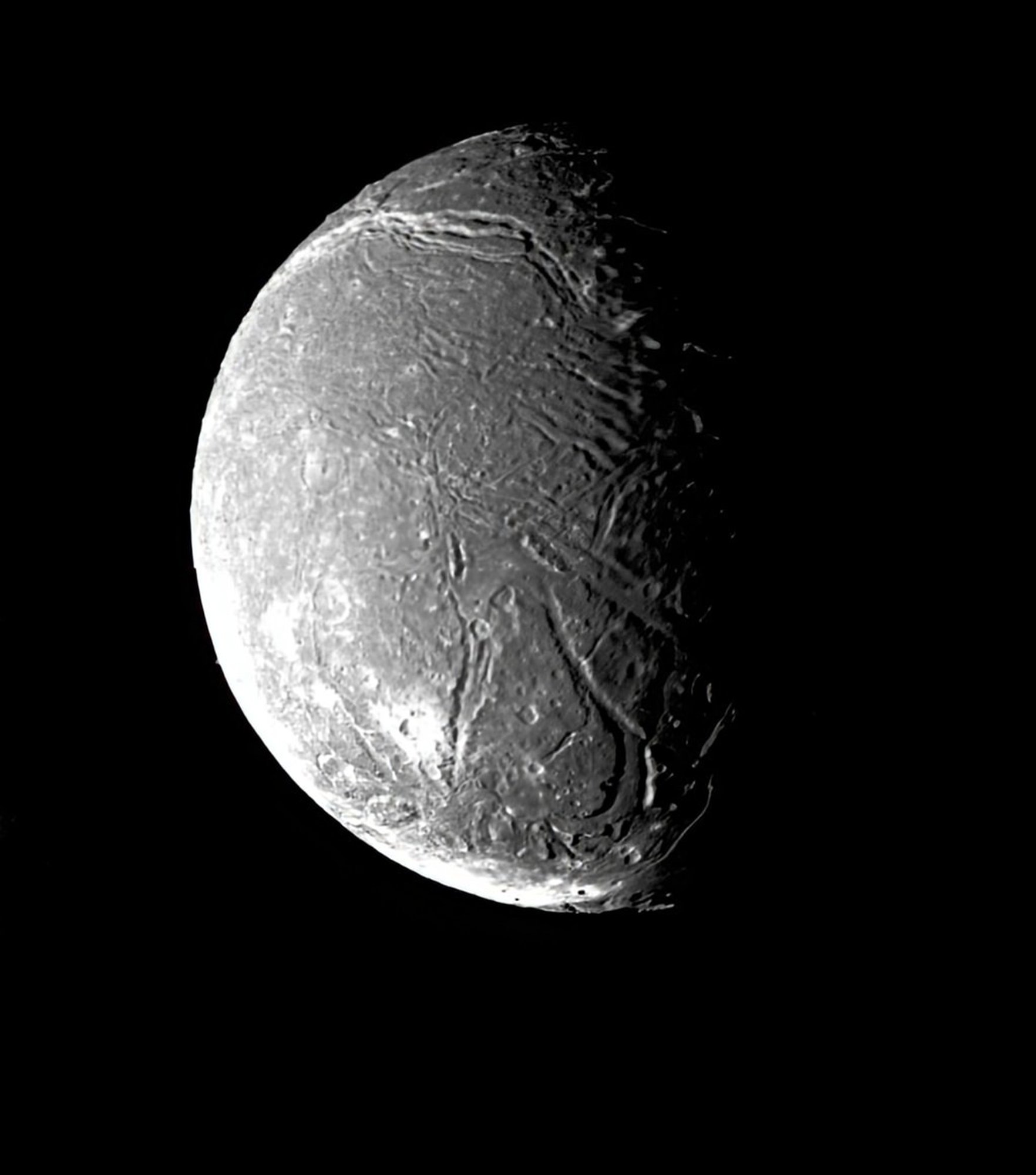
New research has revealed that the surface of Uranus’ moon Ariel is coated with a significant amount of carbon dioxide ice, particularly on its trailing hemisphere, which always faces away from the moon’s direction of orbital motion.

The icy dwarf planets Eris and Makemake have surfaces bearing methane ice of unknown origin. The two planets may have warm oceans.

Saturn's small, crater-covered moon Mimas may have a vast ocean under its thick icy surface, according to a new paper.

Scientists now believe Miranda and Ariel, the smallest and second-smallest of Uranus’s five major moons, could be expelling vapour plumes - which on other moons in the solar system are thought to come from subsurface oceans.


