
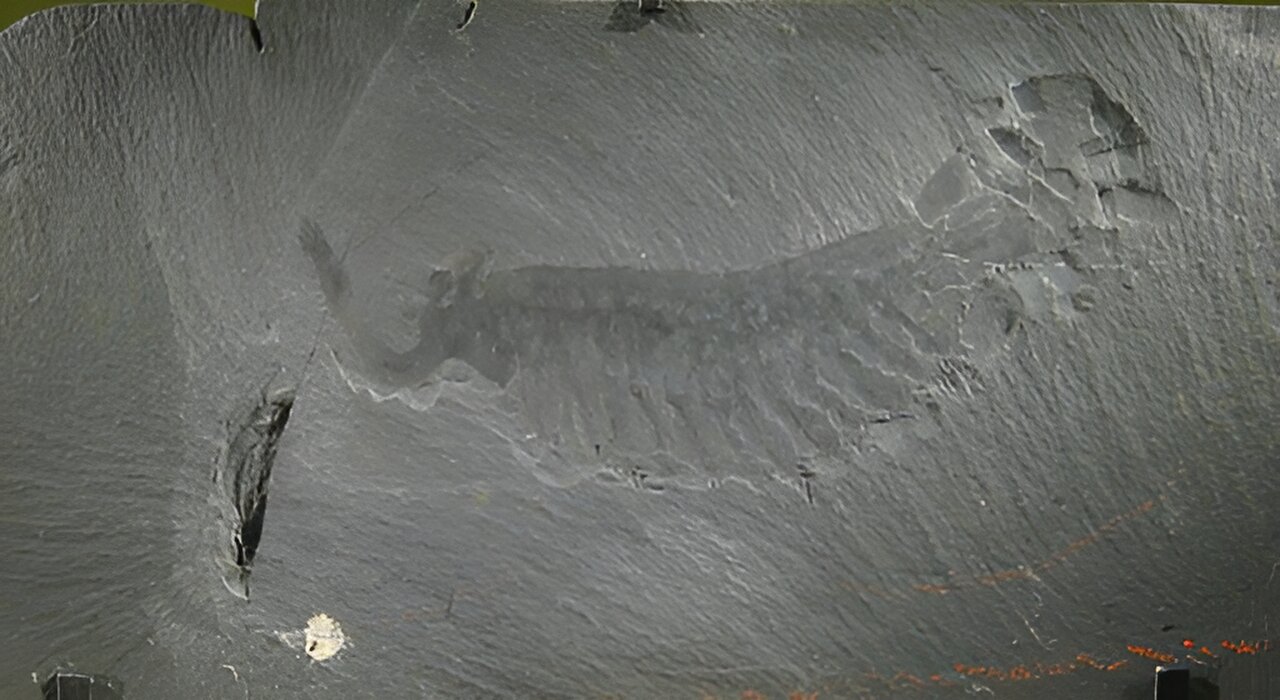
New research provides the clearest evidence yet that the Cambrian explosion - a rapid burst of evolution 540 million years ago, could have been triggered by only a small increase in oxygen levels in Earth's atmosphere and shallow ocean waters.
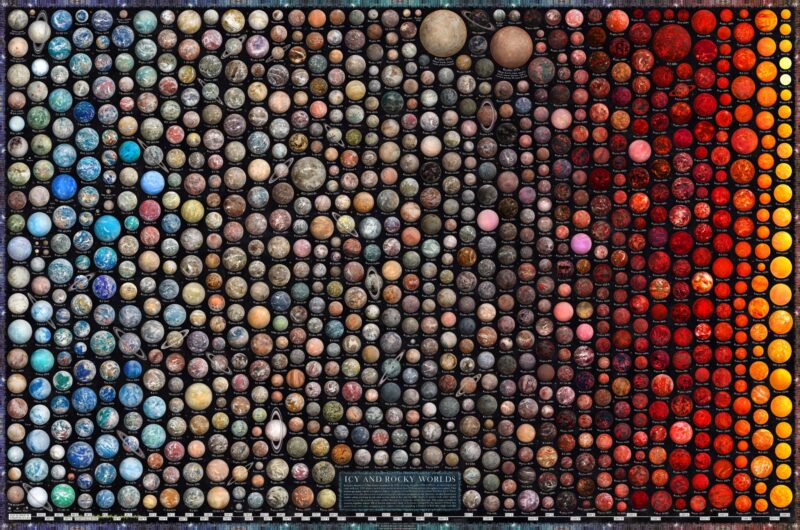
Martin Vargic illustrated more than 1,100 exoplanets based on astronomical discoveries. His art is a attempt to artistically visualize and compare thousands of exoplanets of all types and sizes according to observational data.
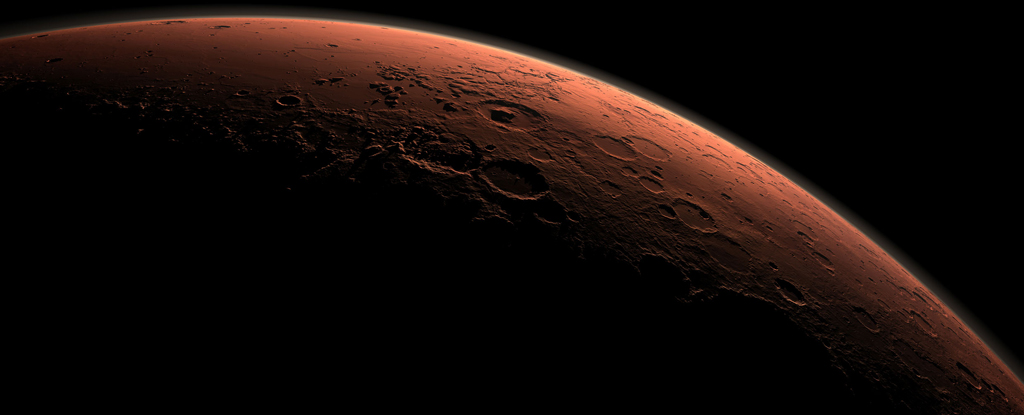
A team of researchers has uncovered evidence of its origins in the atmosphere, where carbon dioxide bathed in ultraviolet sunlight reacted to form a mist of carbon molecules that rained onto the planet's surface.
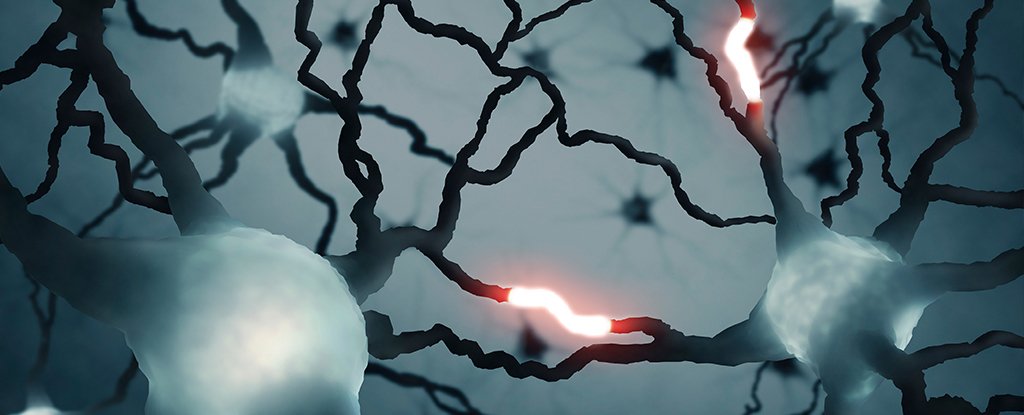
Scientists have identified a unique form of cell messaging occurring in the human brain, revealing just how much we still have to learn about its mysterious inner workings.
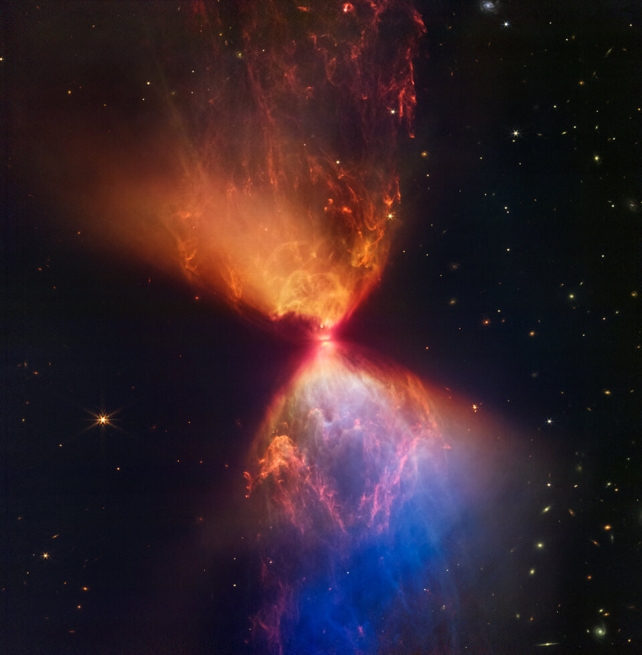
james Webb Space Telescope continues to revolutionise astronomy - it now shows the birth of a star. The star is named L1527, and at this young age, it's still ensconced in the molecular cloud that spawned it.
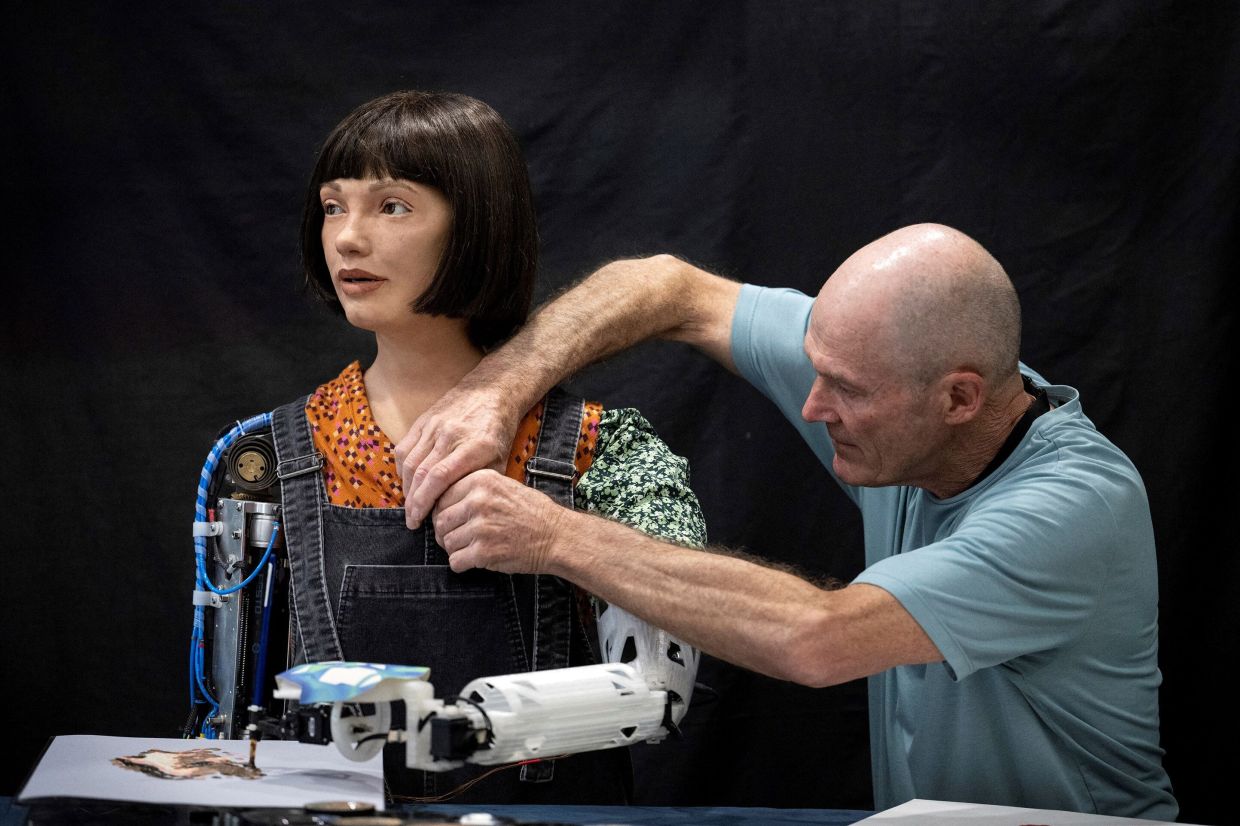
Researchers have found a way to bind engineered skin tissue to the complex forms of humanoid robots. This brings with it potential benefits to robotic platforms such as increased mobility, self-healing abilities, etc.

Every few thousand years, the Sun unleashes a burst of high-energy particles that can have serious consequences for life on Earth.
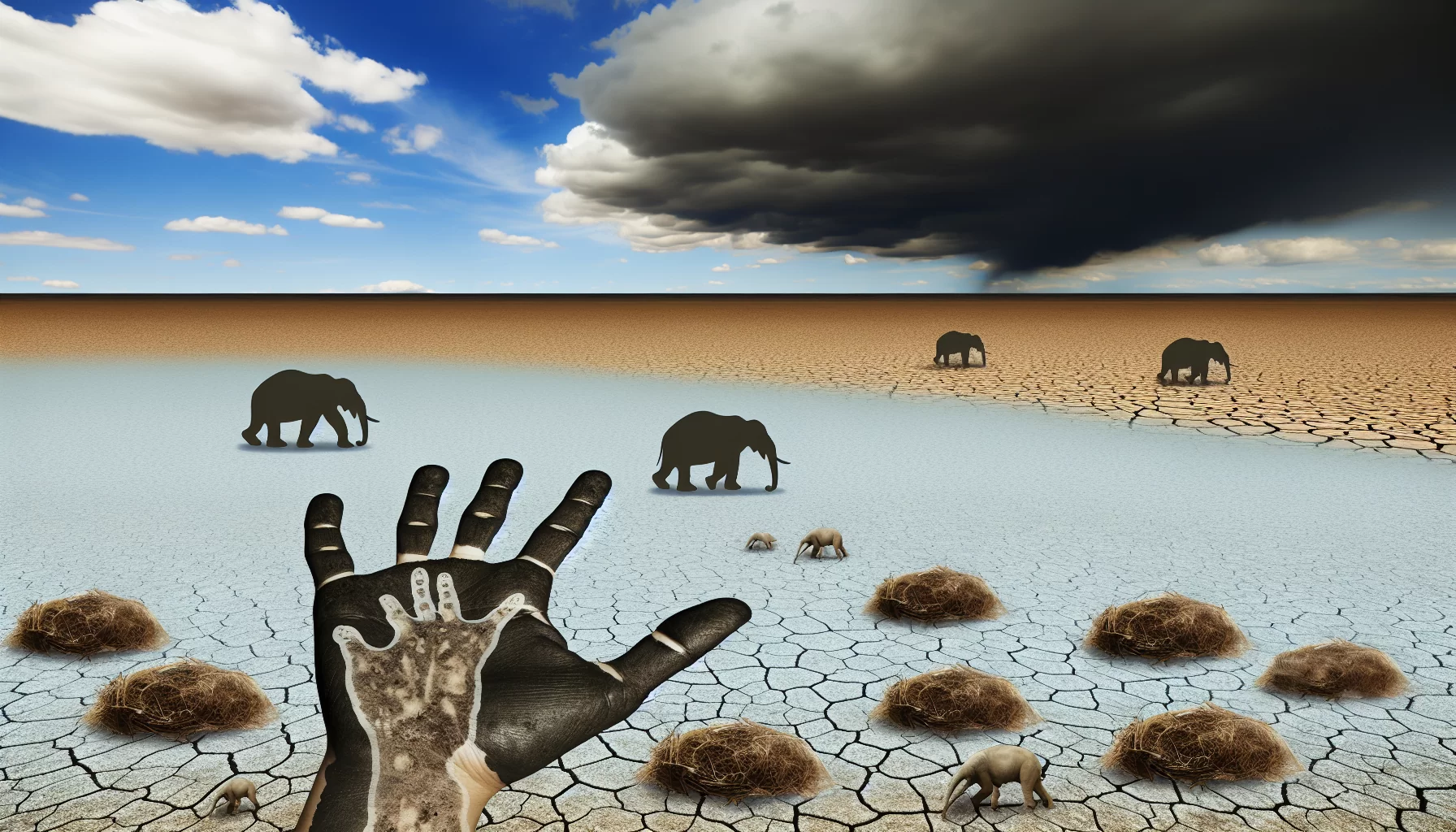
A recent study has shed new light on this topic, pointing the finger more directly at human activity as the major cause of this mass extinction.
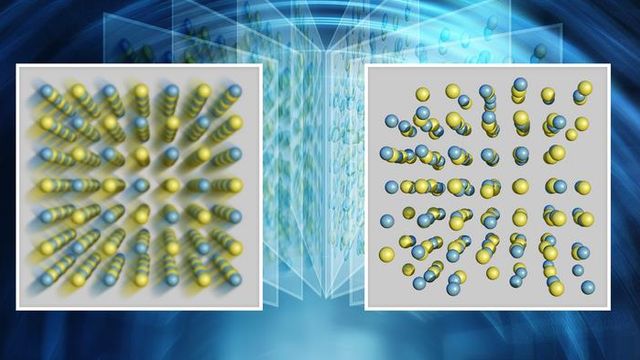
Speeding up a camera shutter a million million times enables researchers to understand how materials move heat around and is a major step in advancing sustainable energy applications.
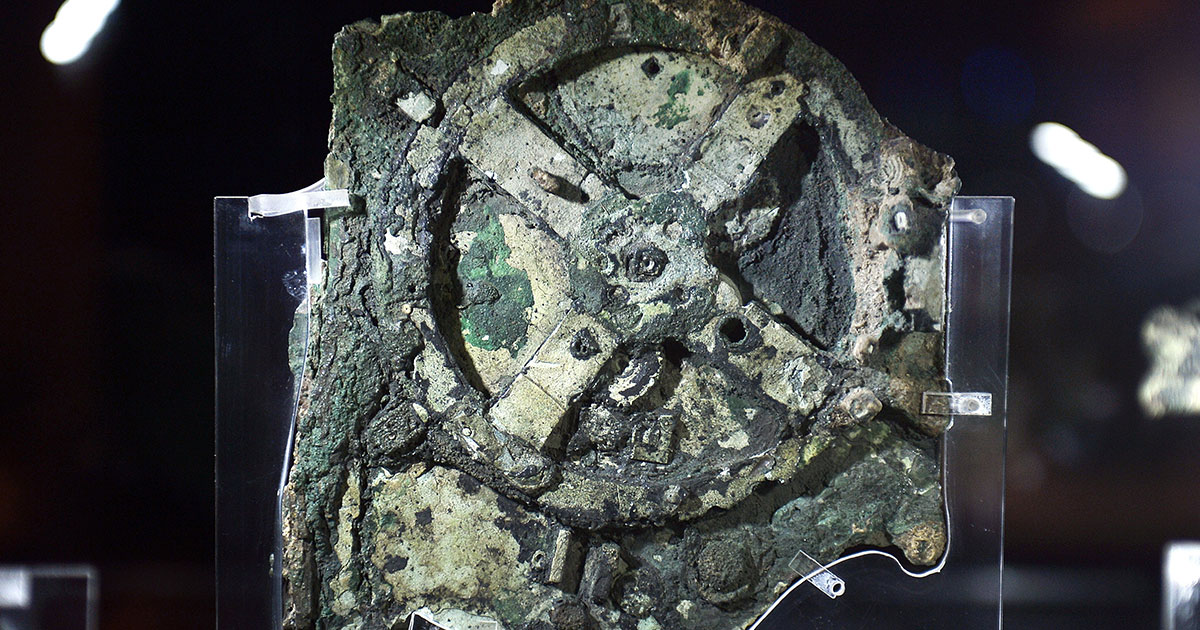
Researchers say they've used cutting-edge gravitational wave research to shed new light on a nearly 2,000-year-old mystery.
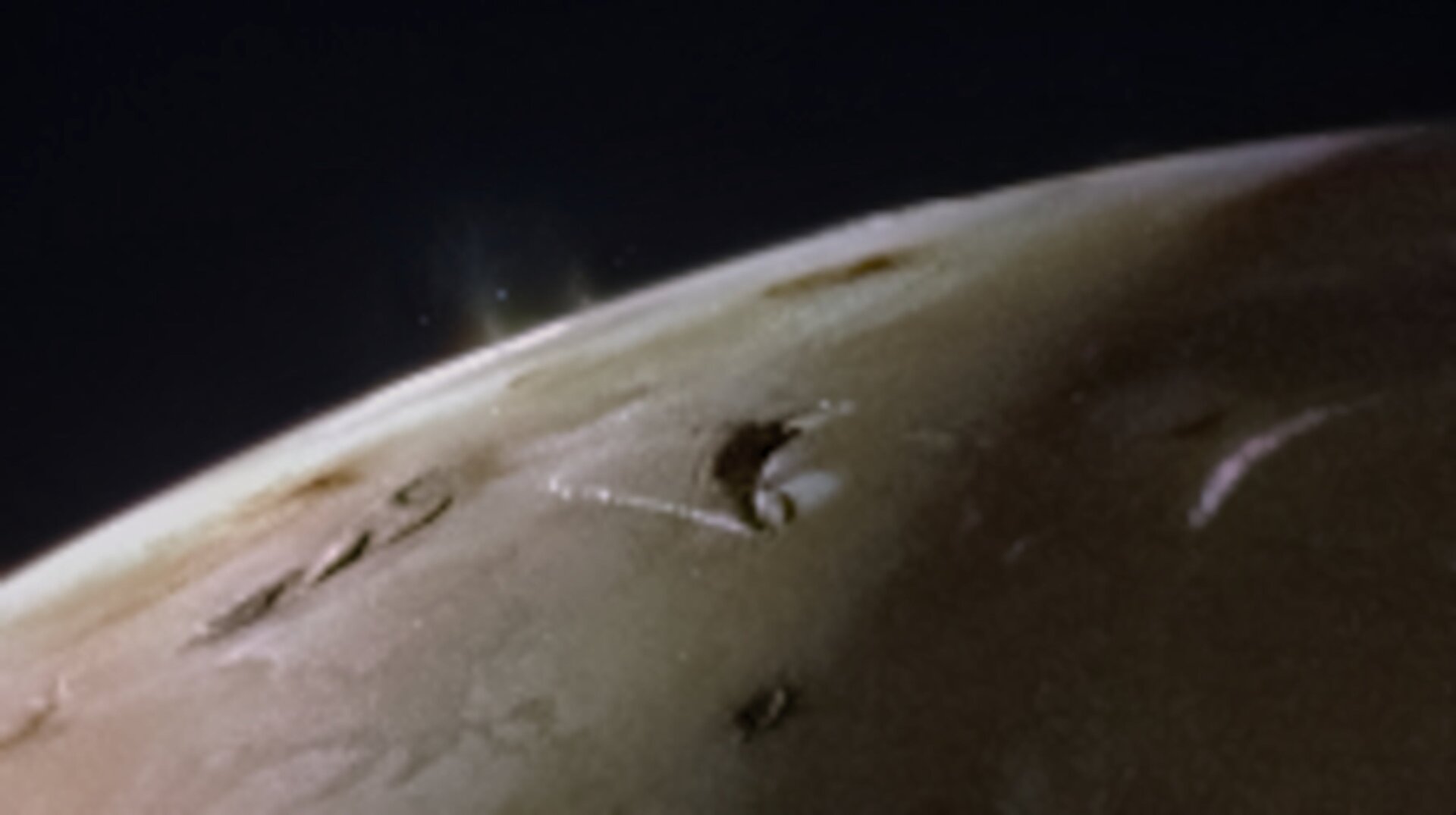
From around 2,400 miles away, the probe’s Jovian Infrared Auroral Mapper (JIRAM) instrument “revealed that the whole surface of Io is covered by lava lakes contained in caldera-like features.
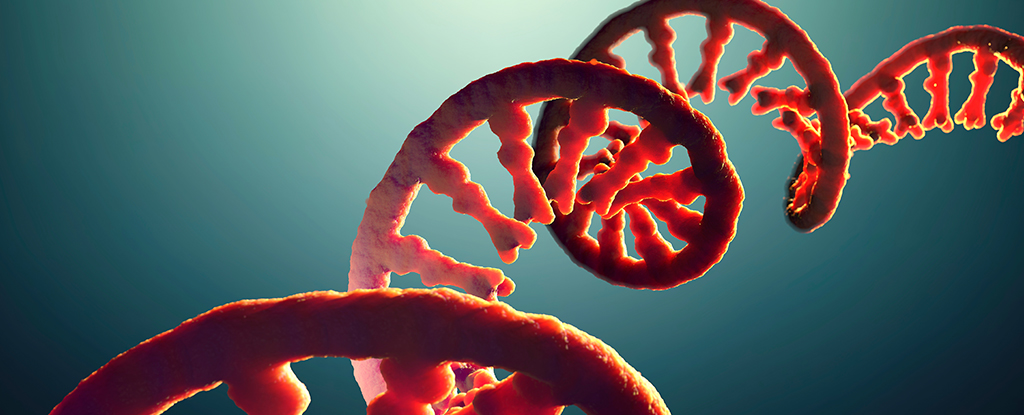
A comparison of post-mortem brain tissue and samples taken from living patients has revealed for the first time significant differences in the way strands of RNA are modified.
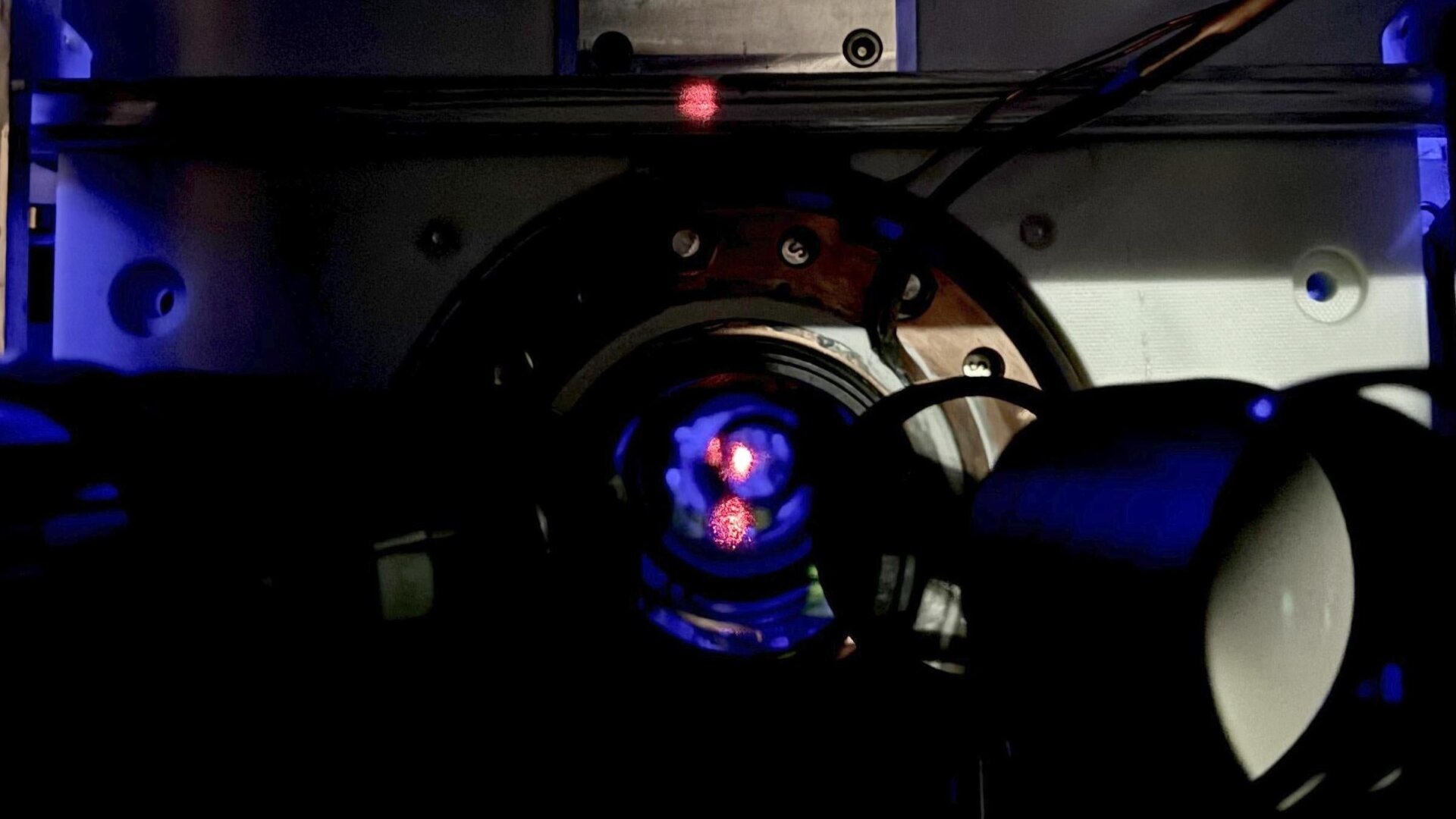
The device, which traps thousands of atoms to keep time, is "pushing the boundaries of what's possible with timekeeping."
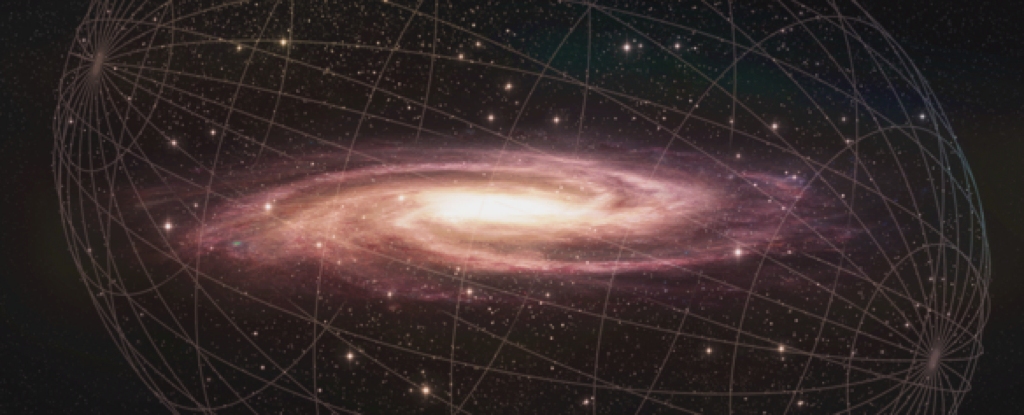
The two new satellites, named Virgo III and Sextans II, were discovered in a region of space already crowded with more dwarf galaxies than models of dark matter predict.
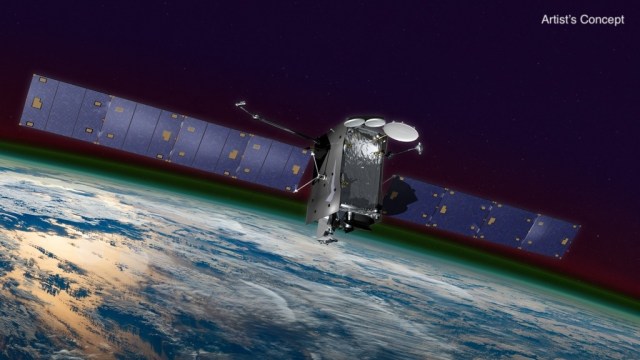
NASA's Global-scale Observations of the Limb and Disk (GOLD) mission has revealed unexpected C- and X-shaped formations in an electrified layer of gas high above our heads called the ionosphere.


