

A meta-analysis of existing research shows exposure to nature, even as little as 10 minutes, could benefit those with diagnosed mental illness.
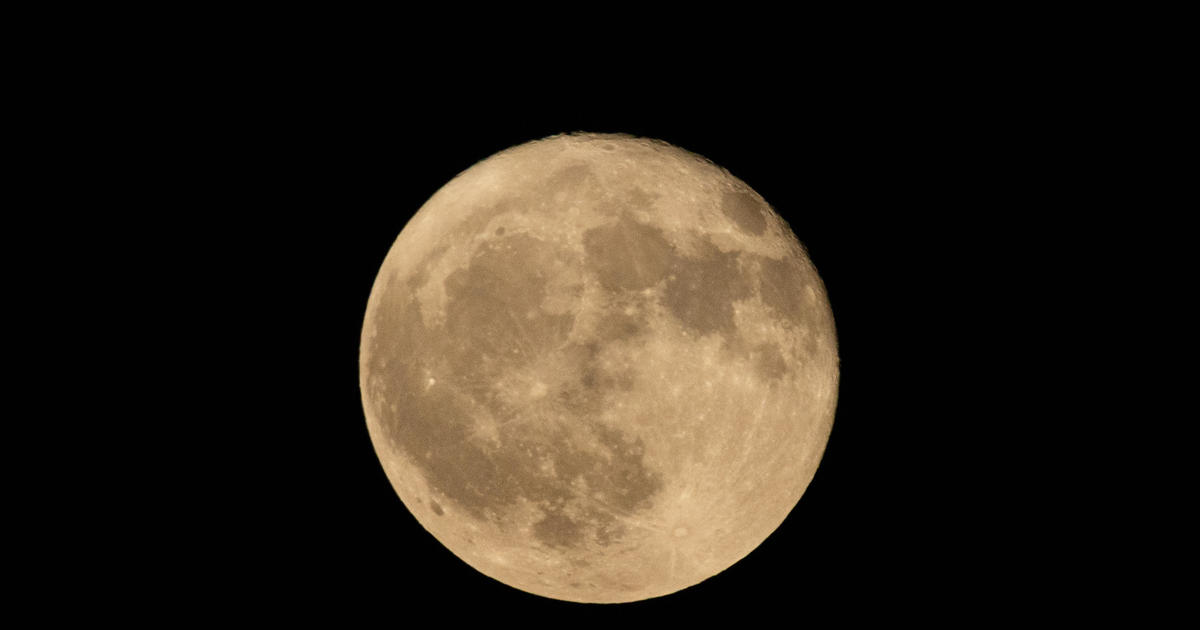
A team of Italian researchers say they have discovered evidence of a lunar cave and suspect that there could be hundreds more.
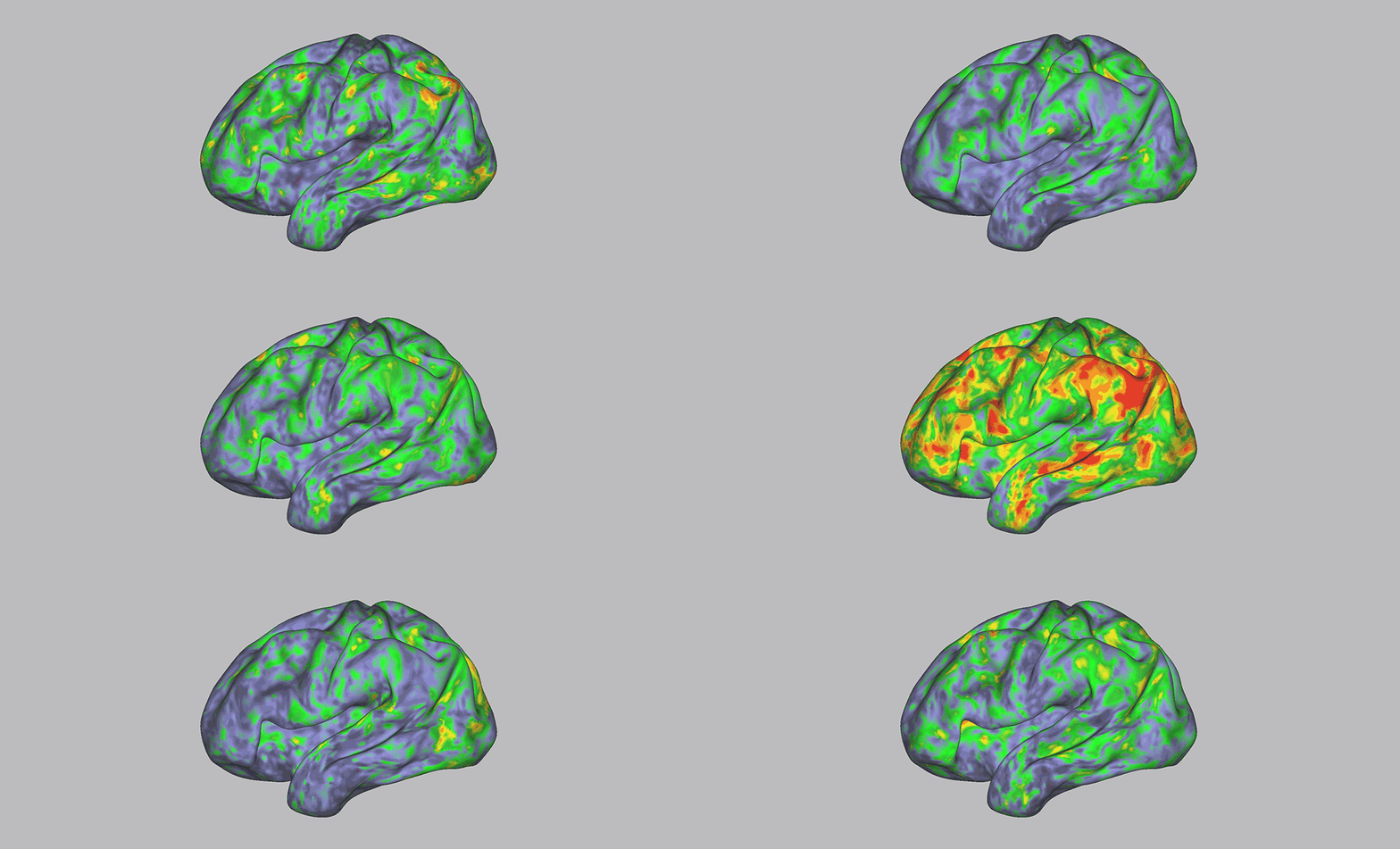
Once maligned for their psychedelic properties, magic mushrooms are increasingly attracting attention for their same mind-altering potential as a therapy for a wide variety of mental health issues.
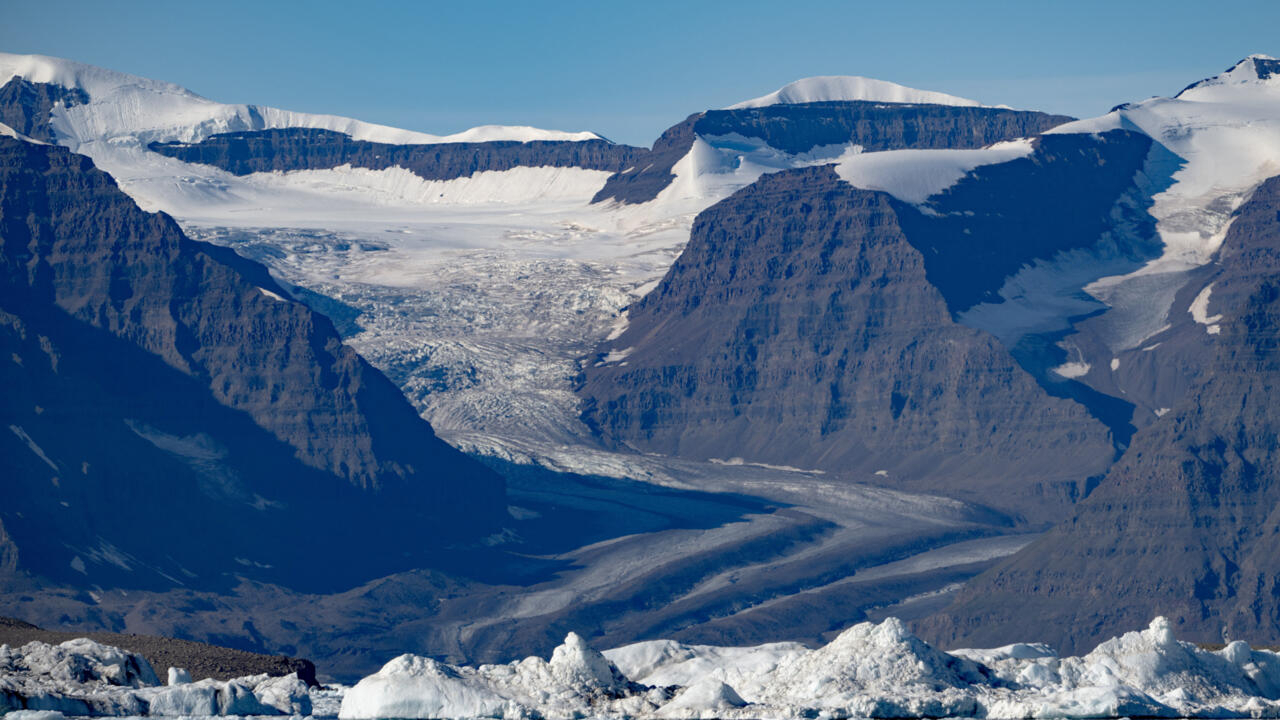
A new study says that the melting of the polar ice caps is causing our planet to spin more slowly. As the Earth turns more slowly, the length of day increases, intensifying the effects of a warming climate.
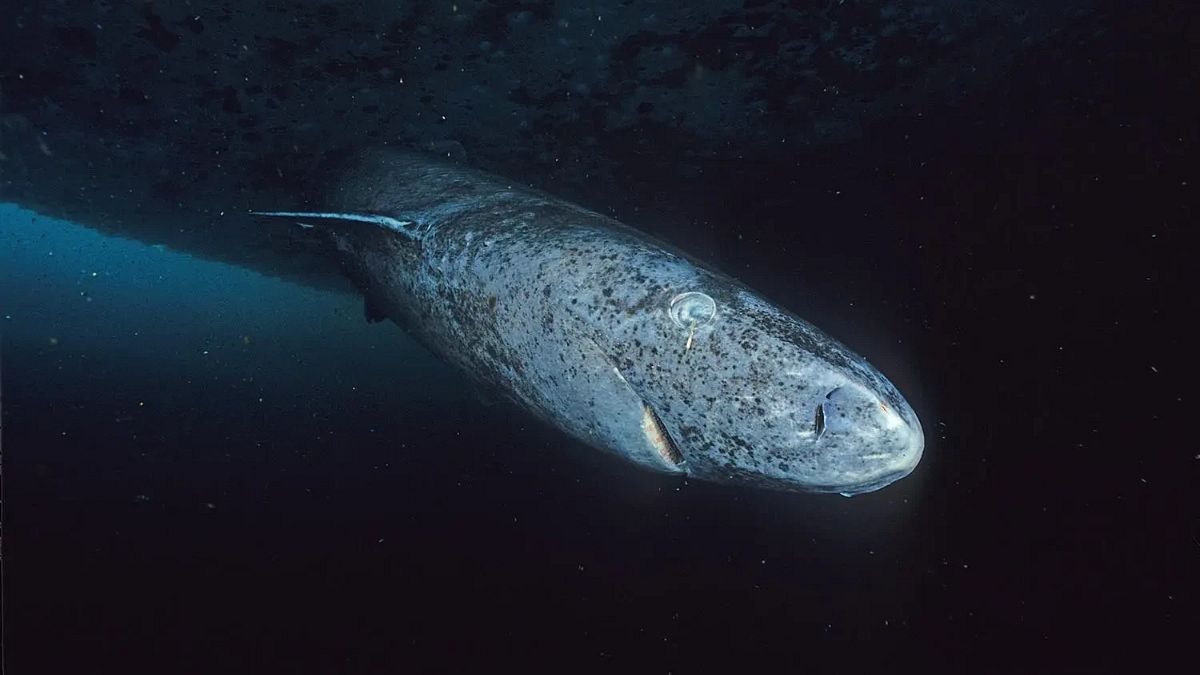
Previously, it was thought that this long lifespan was due to the shark’s cold environment and minimal movement. Now, it’s been discovered that the factors behind this species extreme longevity appear to be far more complex.

A new report says the world's population is expected to reach 10.3 billion in the 2080s. The United Nations document suggests that after reaching the peak, the population will then decrease to about 10.2 billion by the end of the century.

In the world of solar cell technology, perovskite materials are poised to take on the current reigning champion silicon, but their stability is holding them back. Now, scientists in China have developed a new type of hybrid perovskite.
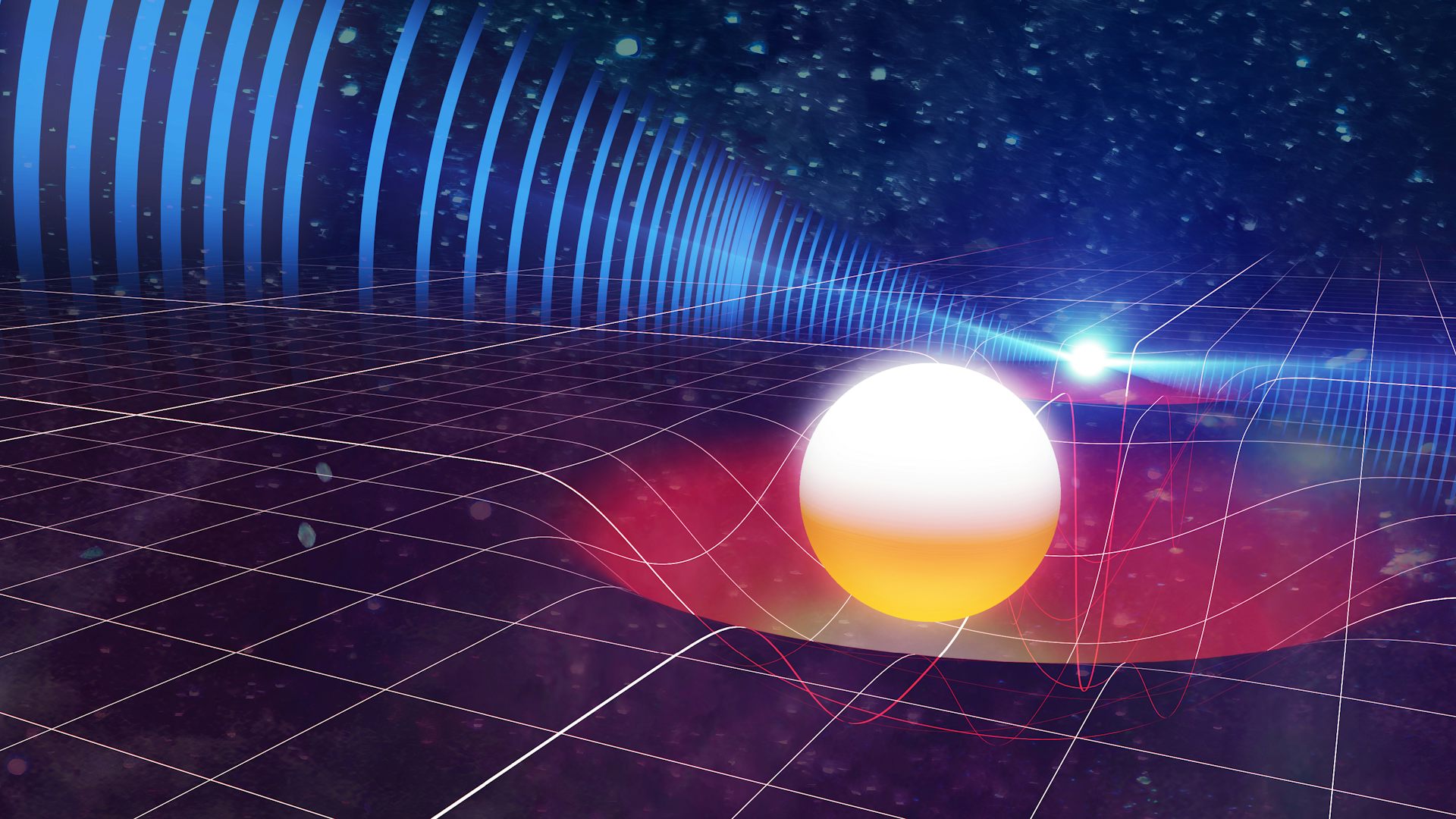
Neutron stars are some of the most extreme objects in the universe. Formed from the collapsed cores of supergiant stars, they weigh more than our Sun and yet are compressed into a sphere the size of a city.
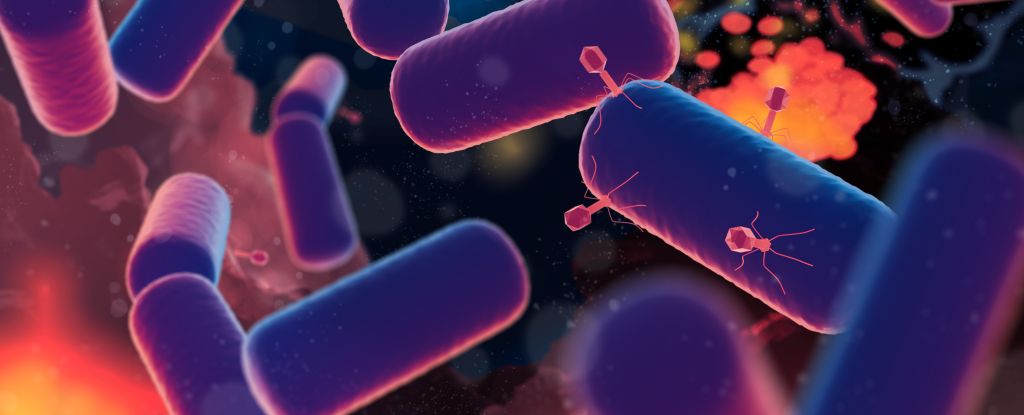
A new study has found that life on Earth emerged surprisingly early. Scientists have determined that the last universal common ancestor (LUCA), the first organism that spawned all the life that exists today on Earth, emerged as early as 4.2 billion years ago.
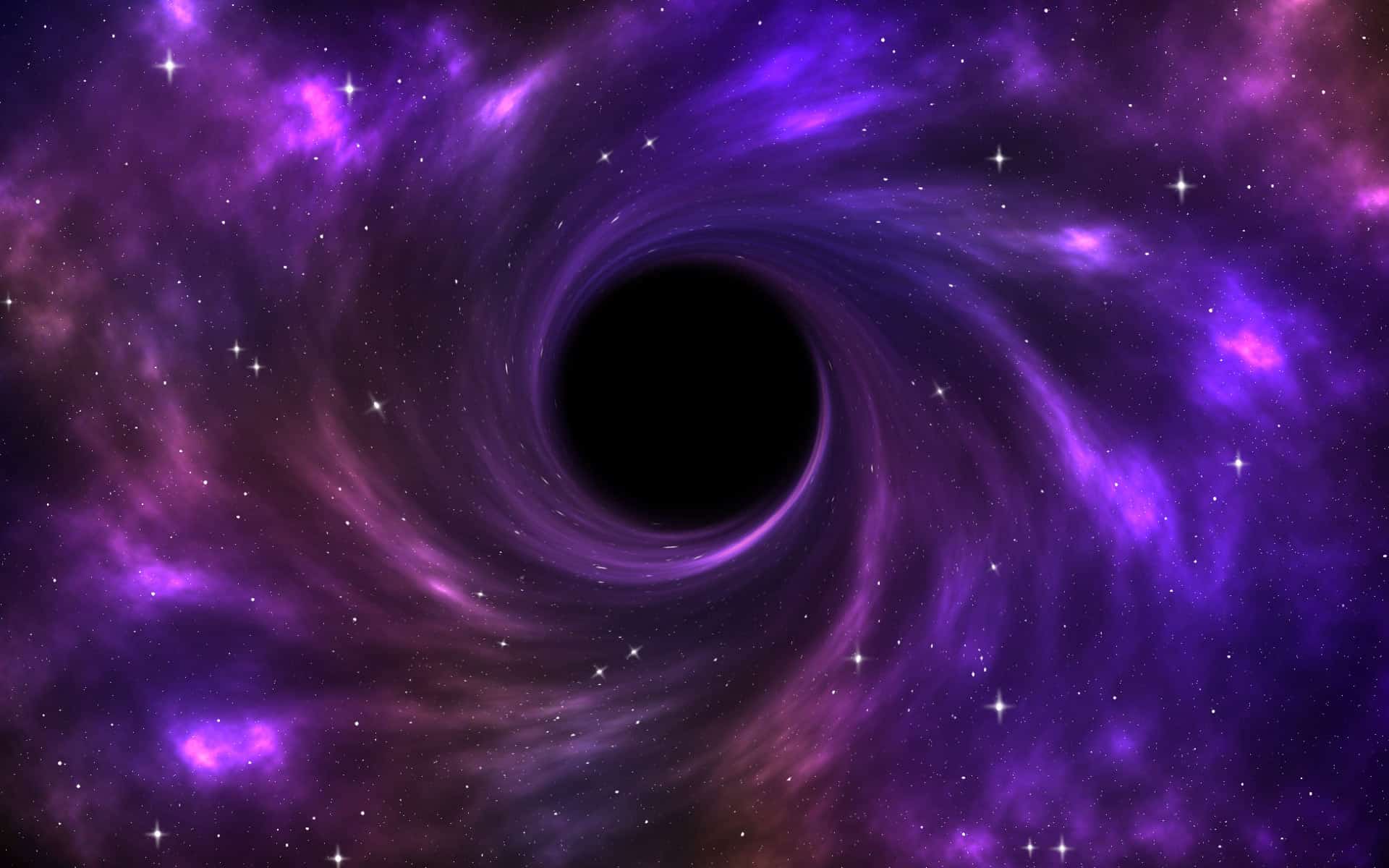
An international team of astronomers has detected seven fast-moving stars in Omega Centauri region. These stars provide compelling new evidence for the presence of an intermediate-mass black hole.

By the end of the century, tens to hundreds of millions could be deprived of even this tenuous supply of moisture as rising temperatures risk turning shallow groundwater supplies into toxic sumps.
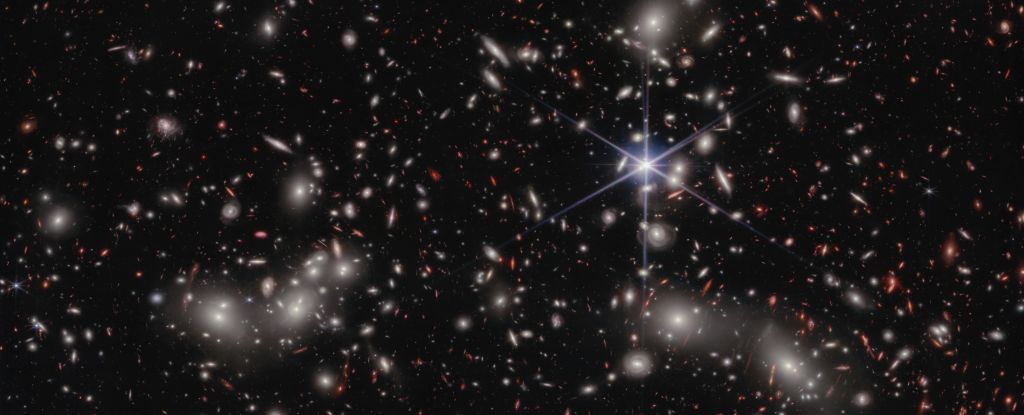
According to data from the Hubble and James Webb Space Telescopes, the origins of the free-flying photons in the early cosmic dawn were small dwarf galaxies that flared to life, clearing the fog of murky hydrogen that filled intergalactic space.
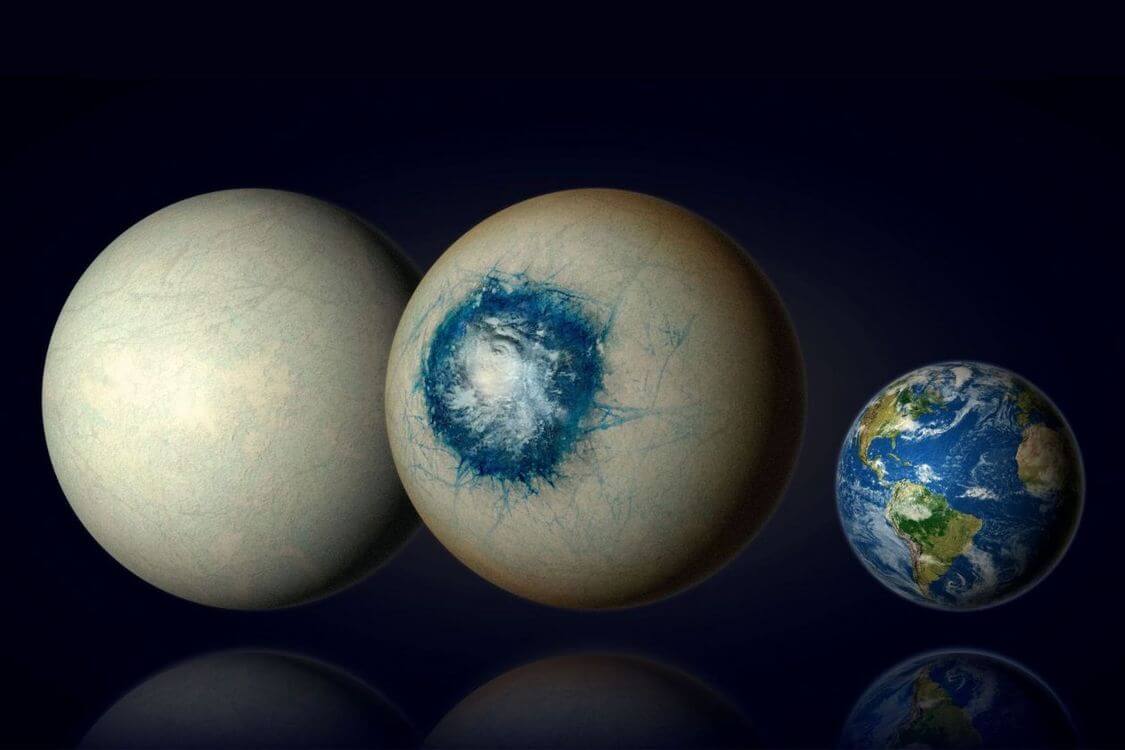
Researchers at the University of Montreal believe a vast ocean on exoplanet LHS 1140 b may be teeming with alien life.

Scientists have uncovered a new source of hazardous "forever chemical" pollution: the rechargeable lithium-ion batteries found in most electric vehicles.
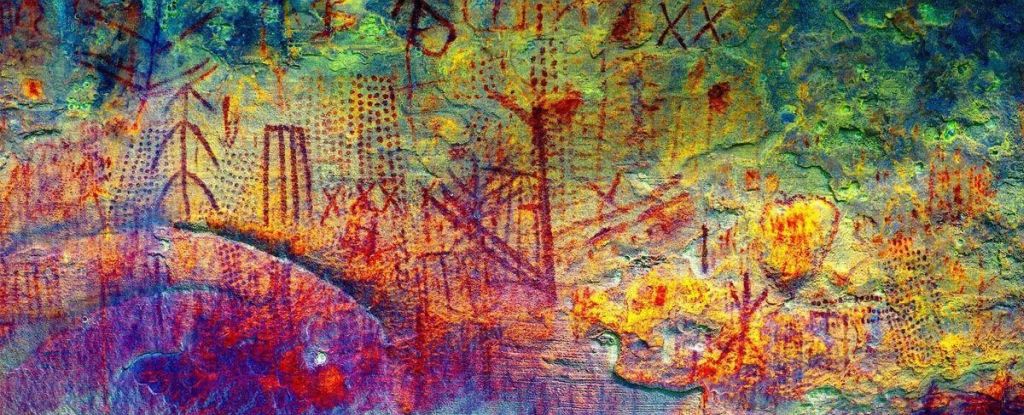
Hidden deep in southern Venezuela, archaeologists have uncovered glyphs, pictograms, and other symbols, left behind thousands of years ago, at around 20 different sites, carved and painted in caves and on boulders.


