
Strange thing about our galaxy's nucleus, according to new research: stars that stay young indefinitely by feeding off dark matter particles.
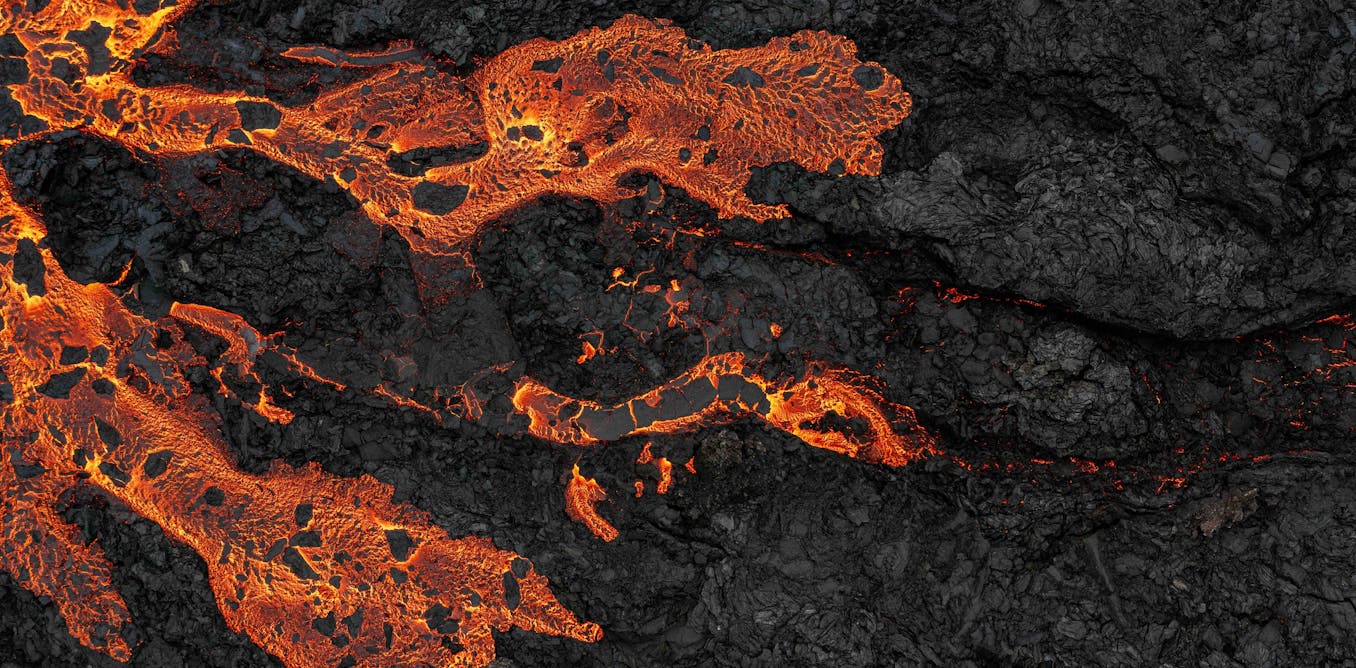
Our planet was born around 4.5 billion years ago. To understand this mind-bendingly long history, we need to study rocks and the minerals they are made of. In a new study, evidence of rocks of a similar age were found in Australia.
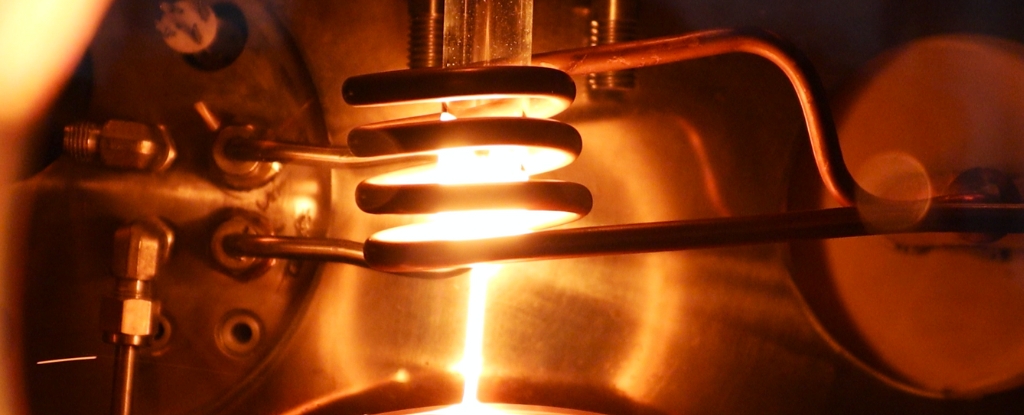
We urgently need to move away from fossil fuels, but electric vehicles and other green technology can put their own pressures on the environment. That pressure could be eased with a new magnet design that was built with AI.

The loss of wolves to the region has been largely overlooked by humans, even in our scientific research, but the impact of their absence is written loudly in the missing trees.
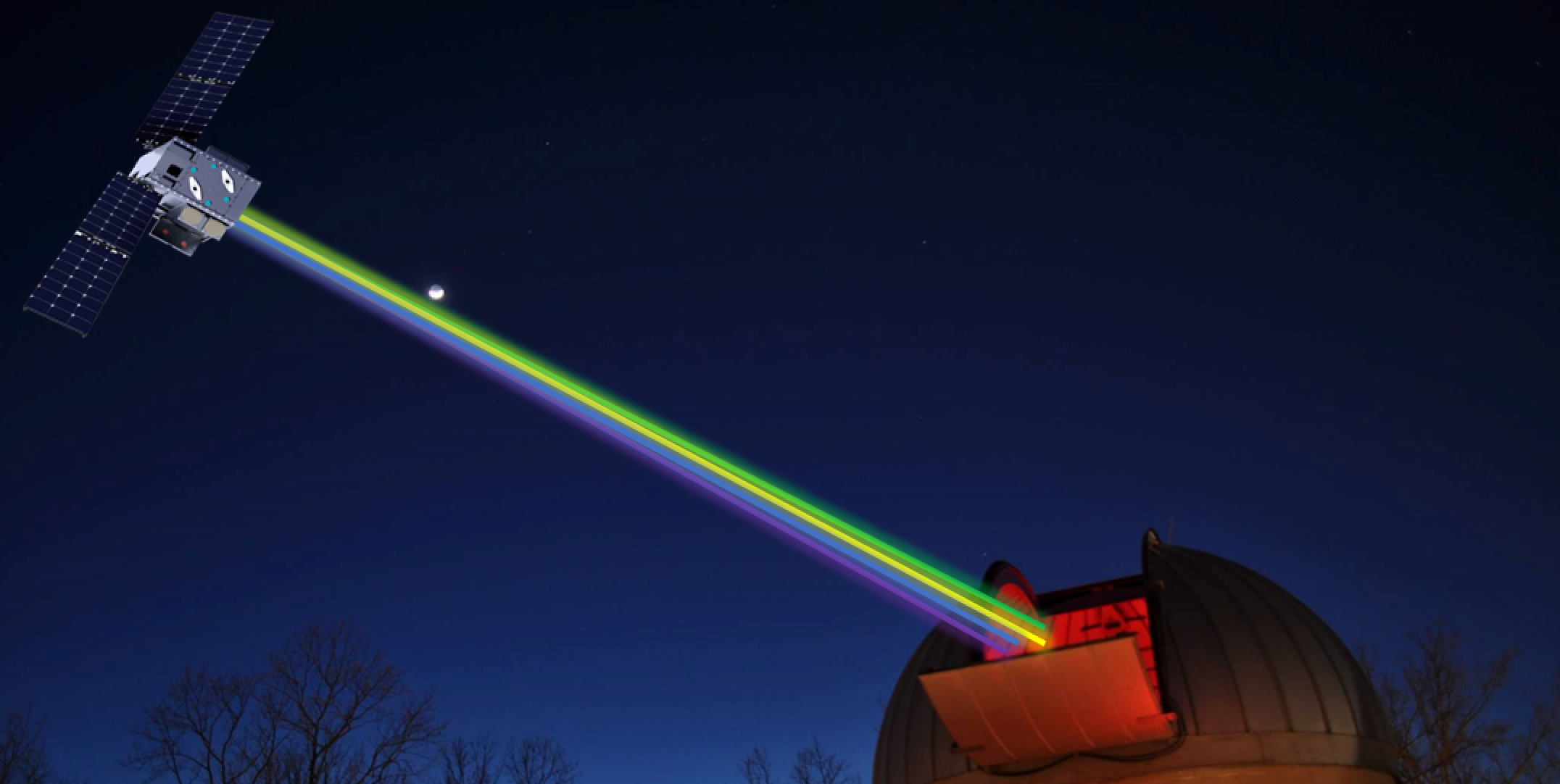
NASA has new plans to launch a tiny satellite mimicking a star into space.
A new model of quantum interactions now suggests some of the lightest particles in the Universe might play a critical role in how at least some heavy elements form.
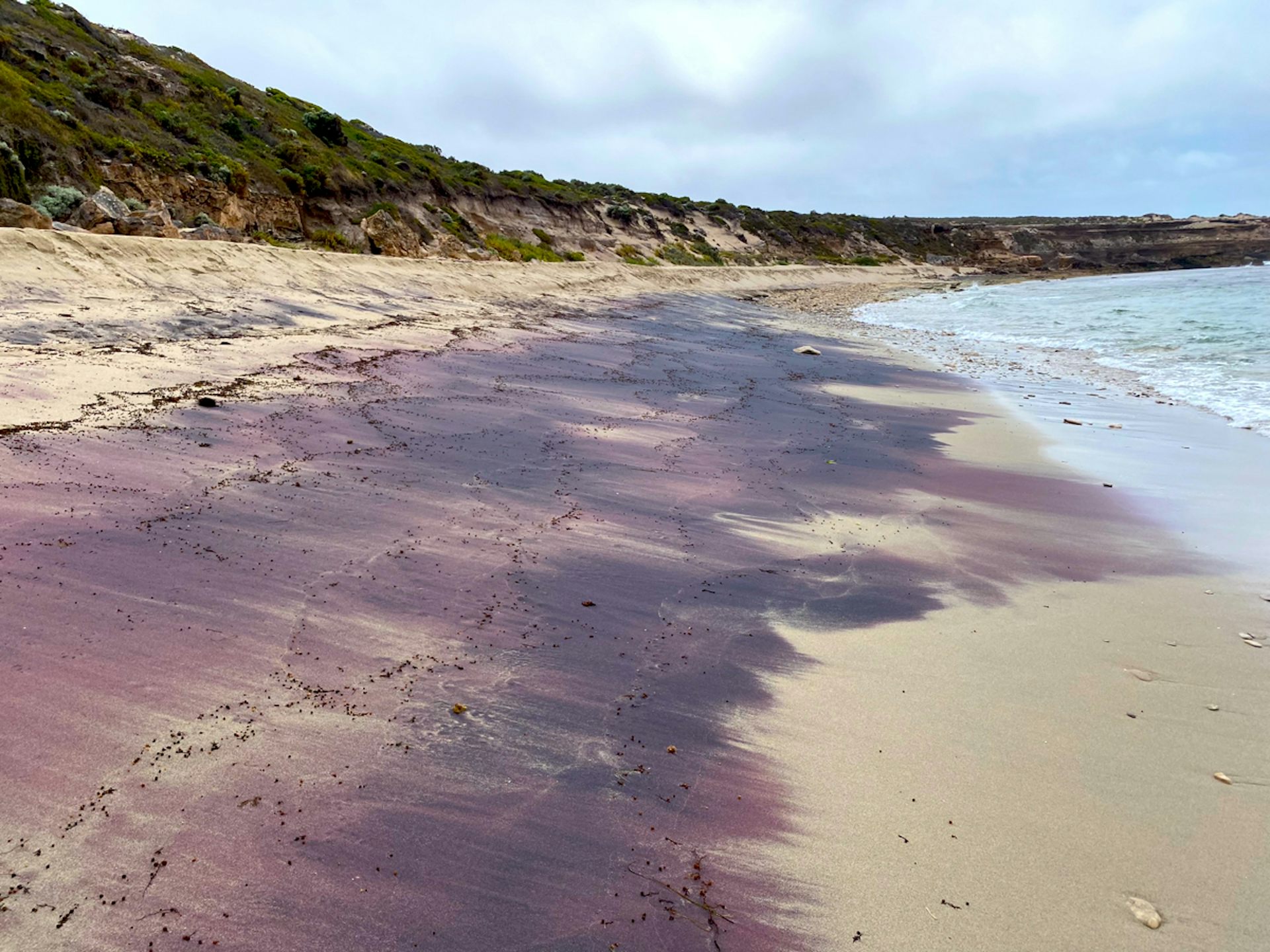
The hunt for the origin of garnet crystals found on South Australian beaches took researchers thousands of kilometres and half a billion years back in time to a hidden Antarctic mountain range.
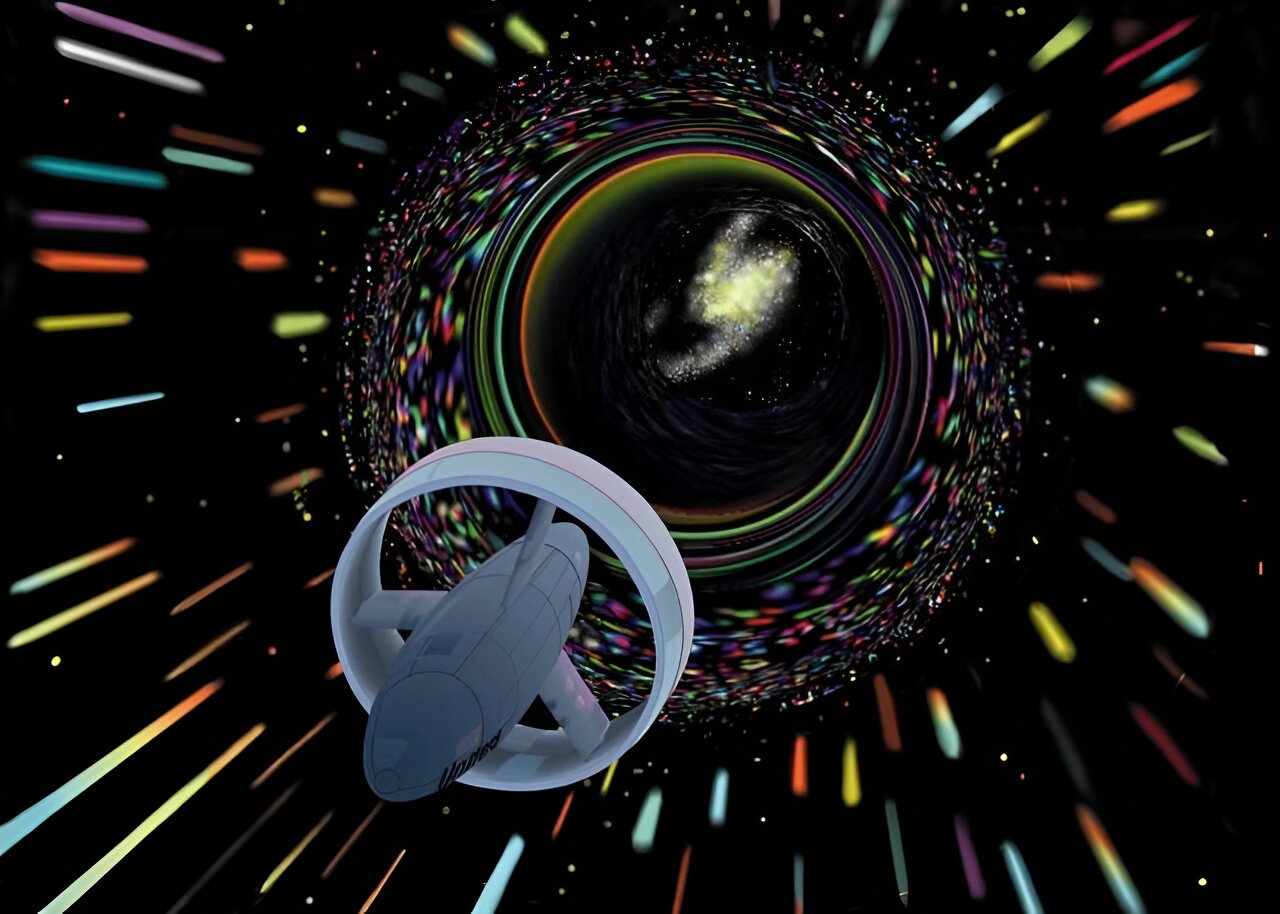
Everyone knows that no object can travel faster than the speed of light. But warp drives may offer a workaround. By warping spacetime itself, a spacecraft with a warp drive wouldn't be breaking the faster-than-light (FTL) rule.
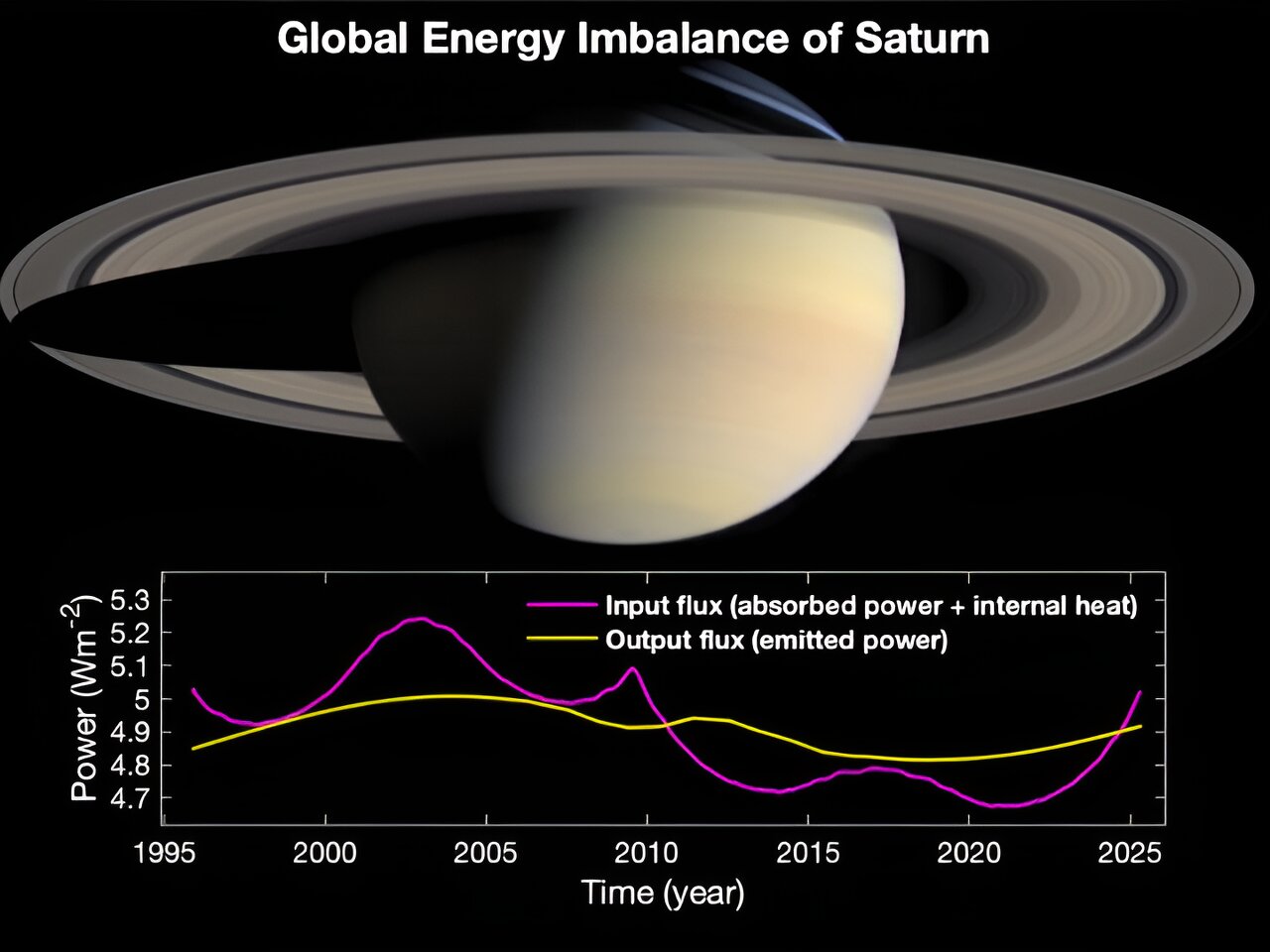
The imbalance is due to Saturn's large orbital eccentricity, resulting in huge seasonal variations in absorbed solar energy.
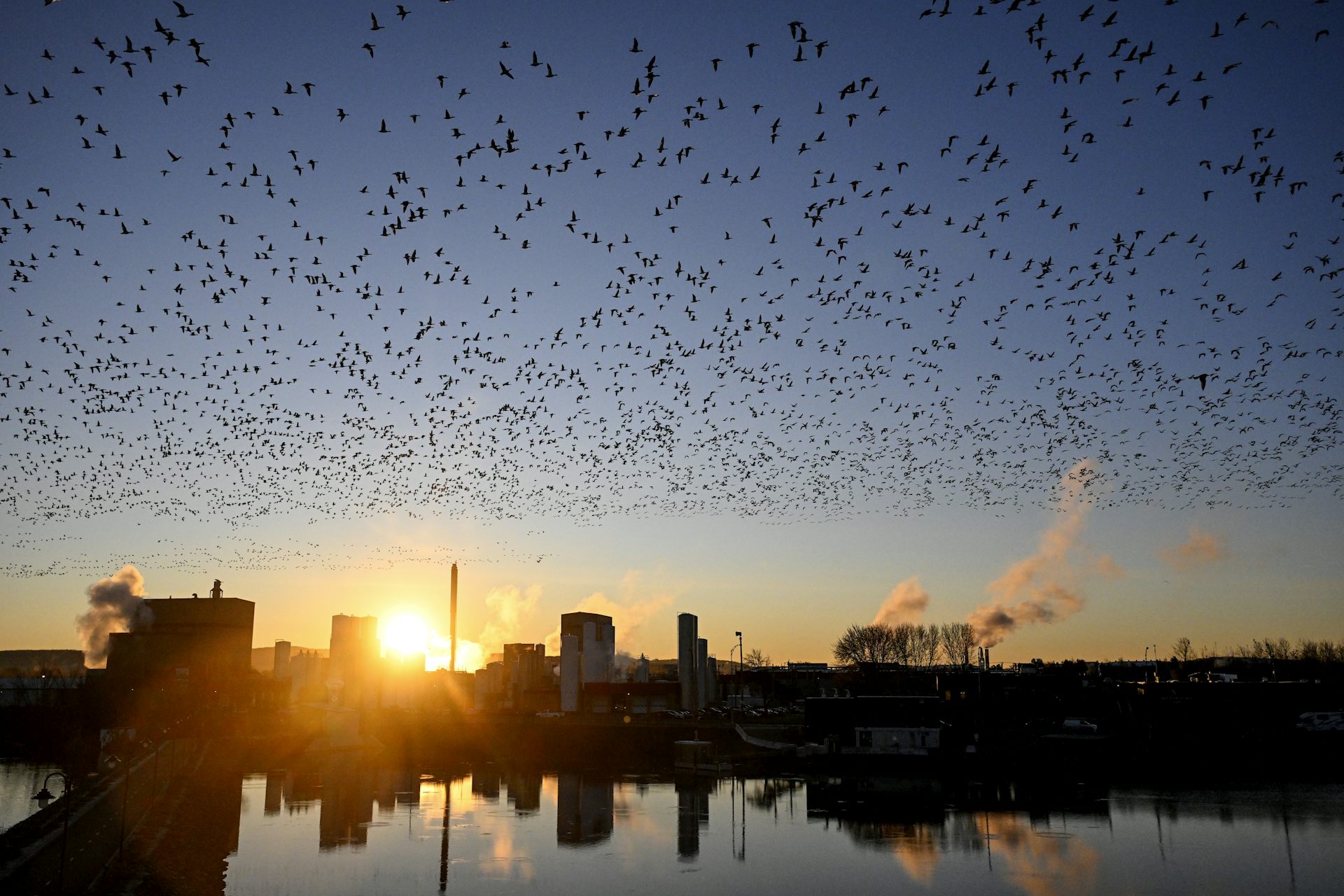
H5N1 is the latest evidence that climate change is altering how viruses spread and evolve. It is essential that global public health officials take these dynamics into account.
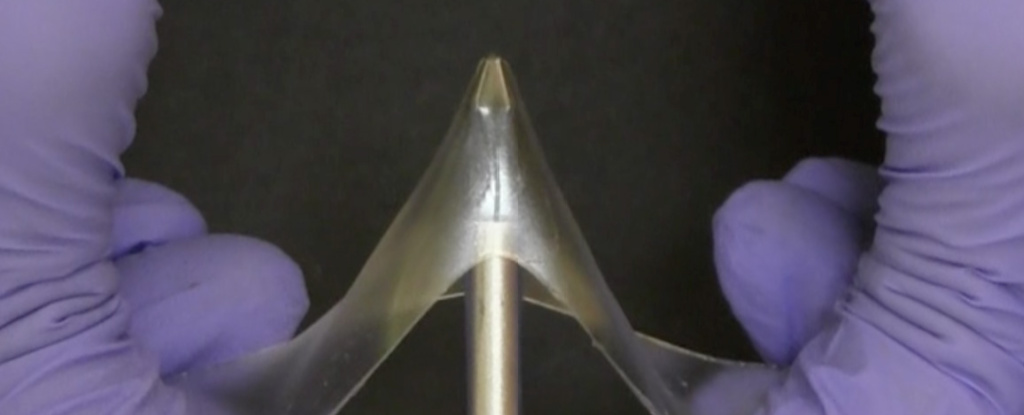
In a serendipitous discovery, researchers have created a new class of materials called 'glassy gels' that are half liquid but hard to break.
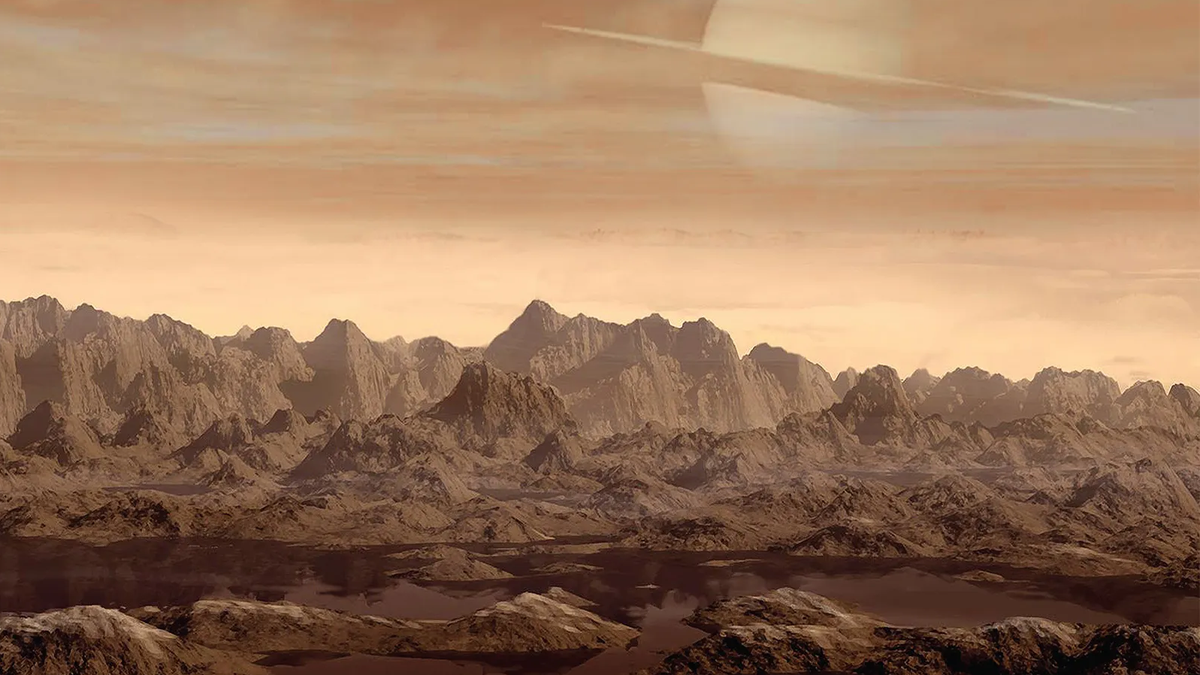
Instead of water, the fluid that runs across Titan is an unholy mixture of methane, ethane, and other hydrocarbons. A new study suggests that waves of the greenhouse gases could be crashing on the moon’s coastlines, shaping its wet landscape.
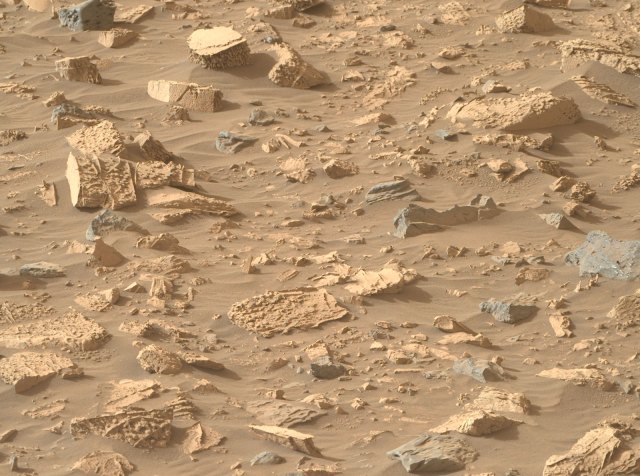
After months of driving, Perseverance has finally arrived at "Bright Angel", discovering oddly textured rock unlike any the rover has seen before.
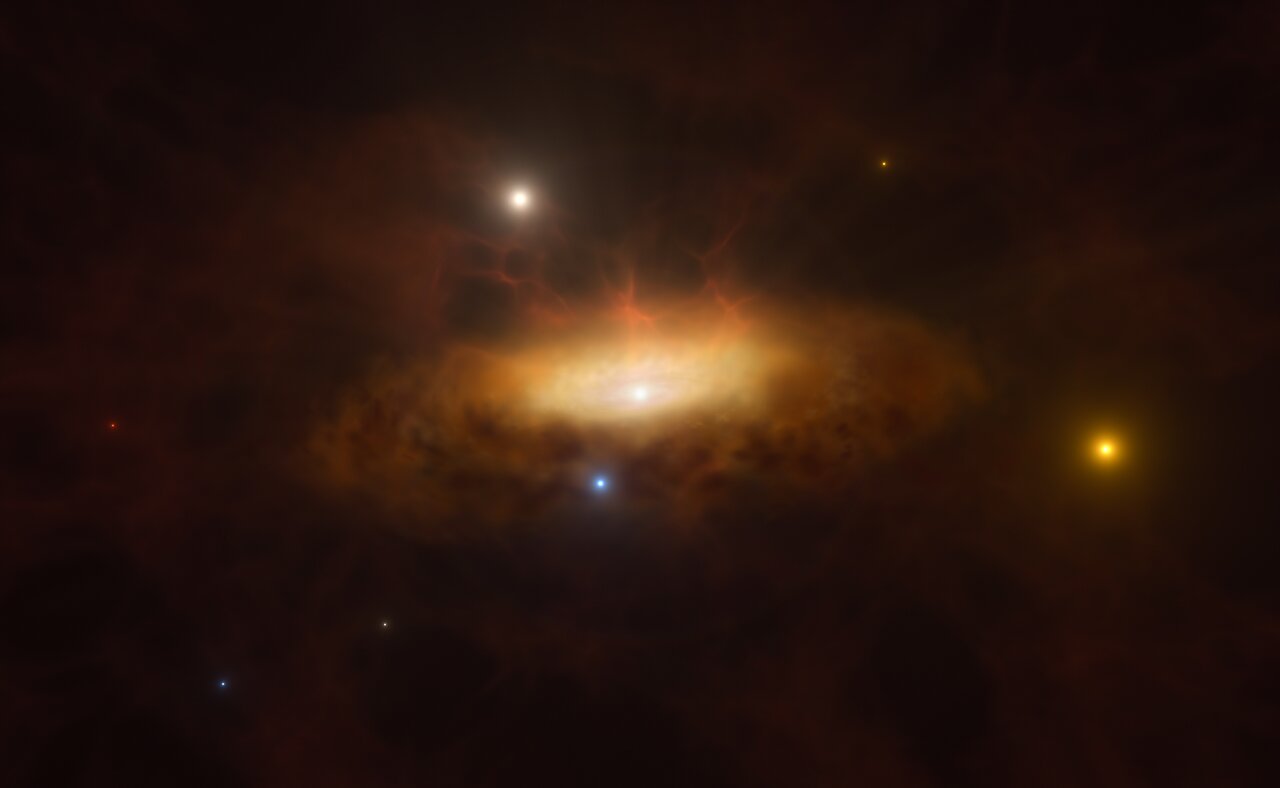
In late 2019 the previously unremarkable galaxy SDSS1335+0728 suddenly started shining brighter than ever before. To understand why, astronomers have used data from several space and ground-based observatories.
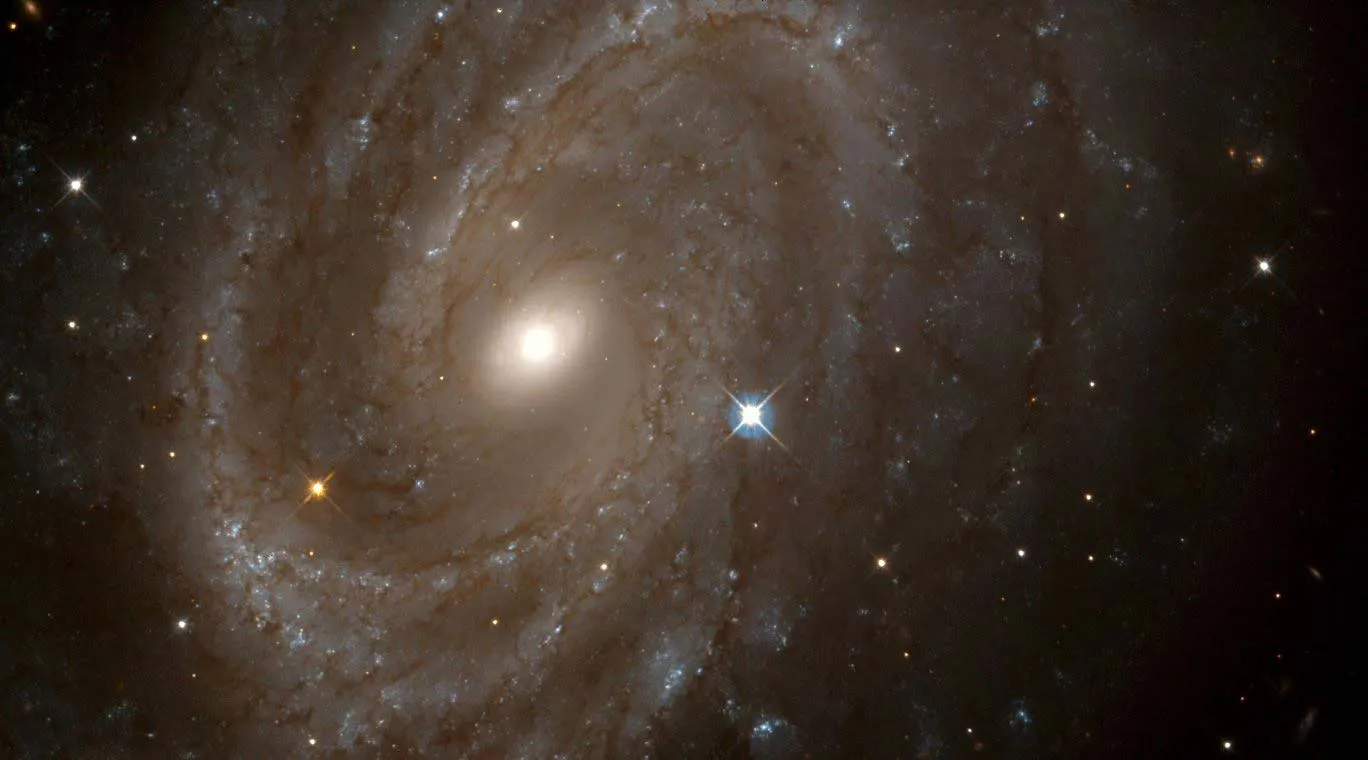
Scientists have clocked the speed of Cepheid stars -- 'standard candles' that help us measure the size of the universe -- with unprecedented precision, offering exciting new insights about them.


