
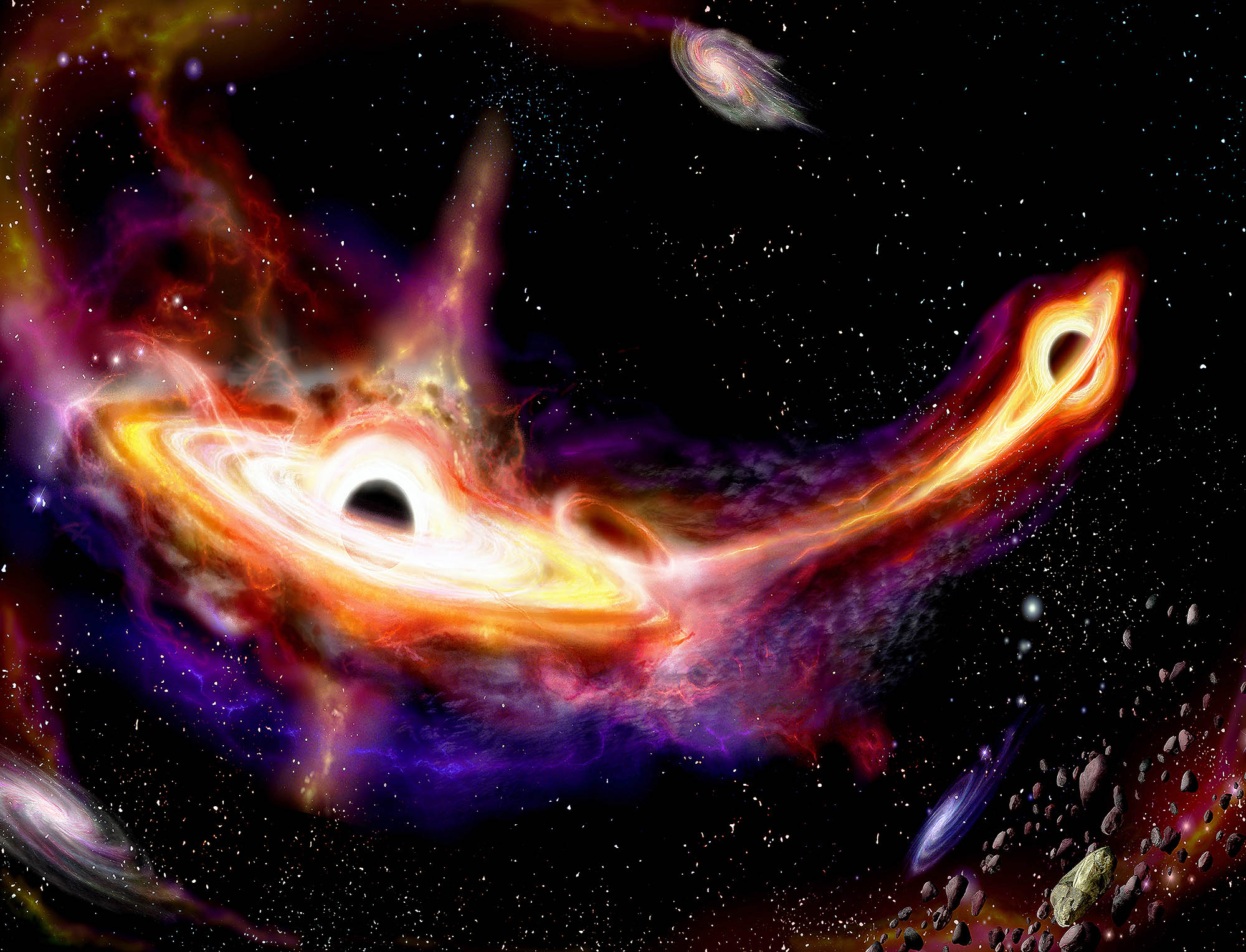
Astronomers discovered the first pair of merging quasars from the Cosmic Dawn, 900 million years after the Big Bang.
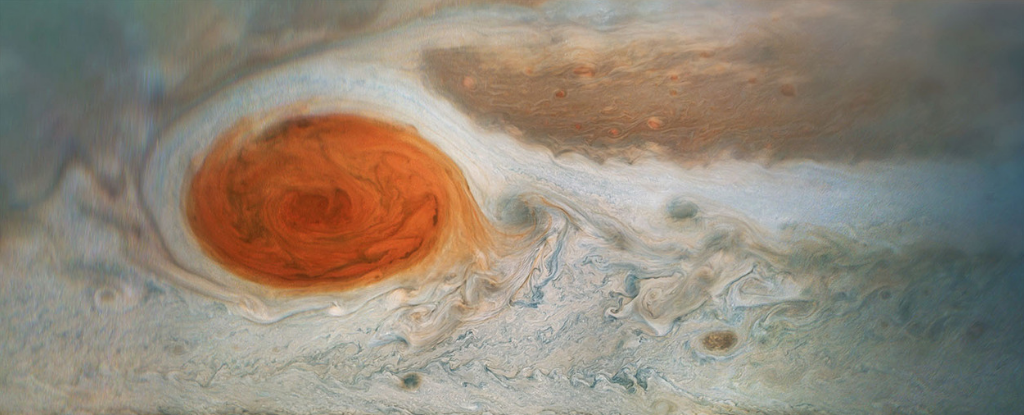
Jupiter's Great Red Spot (GRS) is one of the Solar System's defining features. It's a massive storm that astronomers have observed since the 1600s. However, its date of formation and longevity are up for debate.
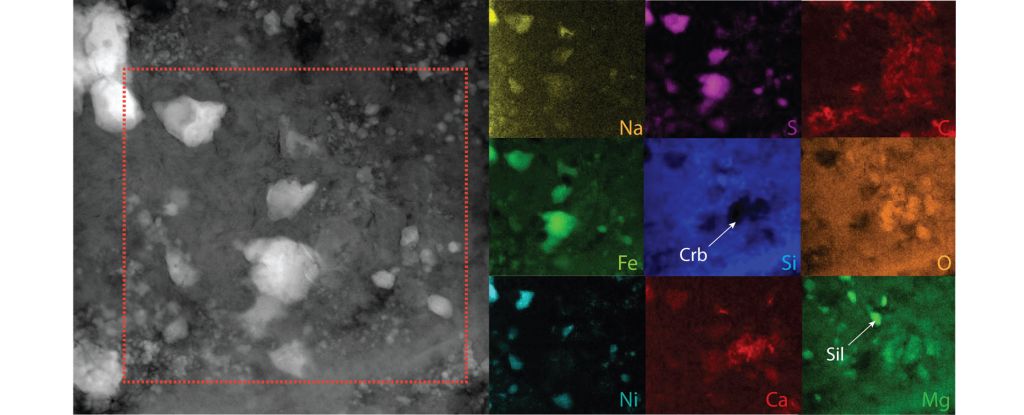
A lot as changed in the 4.5 billion or so years since the Solar System first came together from a disk-shaped cloud of swirling dust and gas.
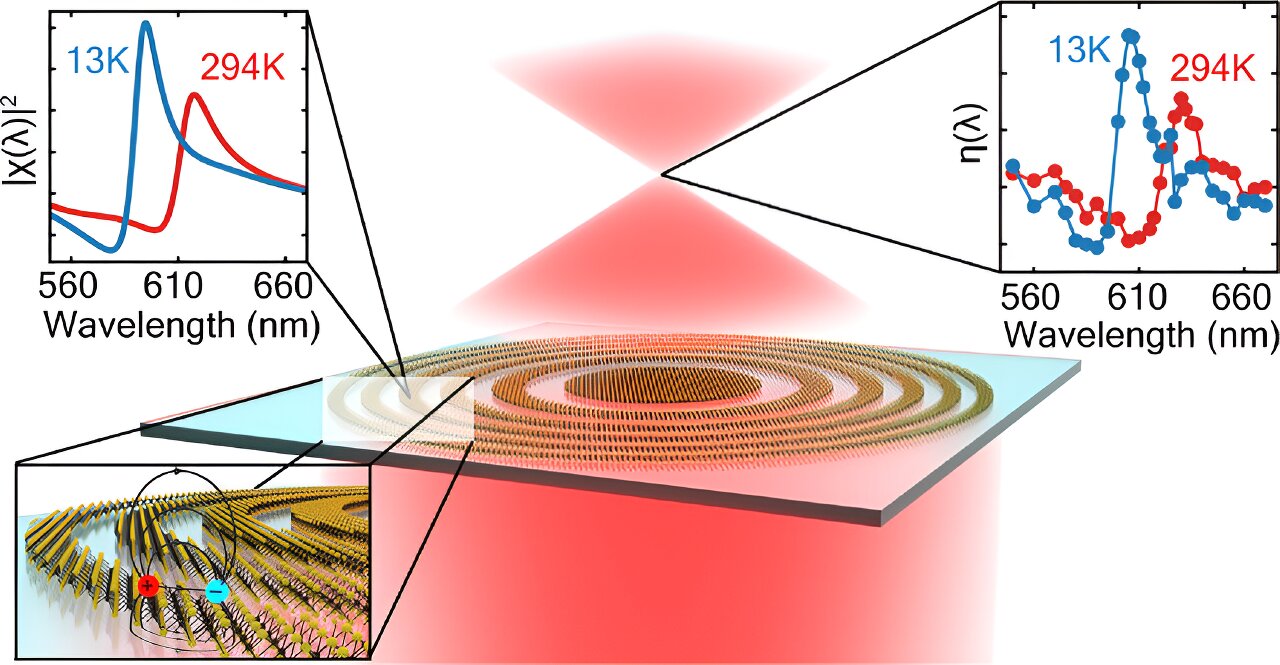
Lenses are used to bend and focus light. Normal lenses rely on their curved shape to achieve this effect, but physicists from the University of Amsterdam and Stanford University have made a flat lens of only three atoms thick that relies on quantum effects.
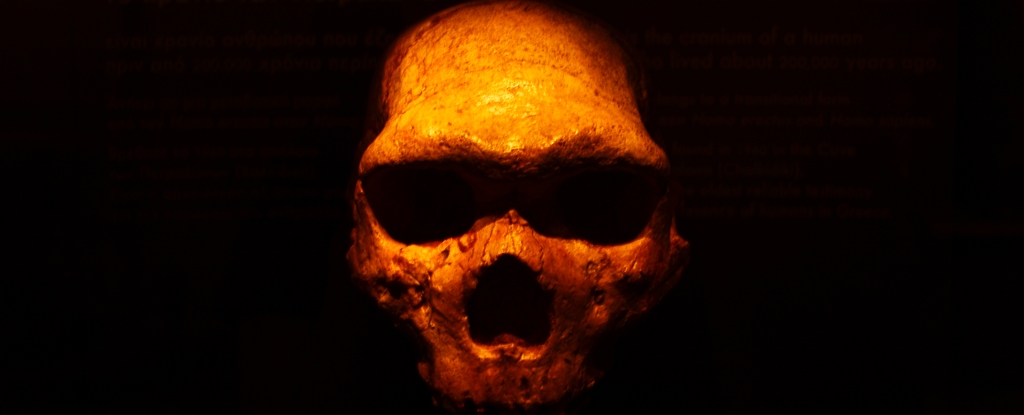
The Homo sapiens genome today contains a little bit of Neanderthal DNA. These genetic traces come from almost every part of the Neanderthal genome – except the Y sex chromosome, which is responsible for making males.
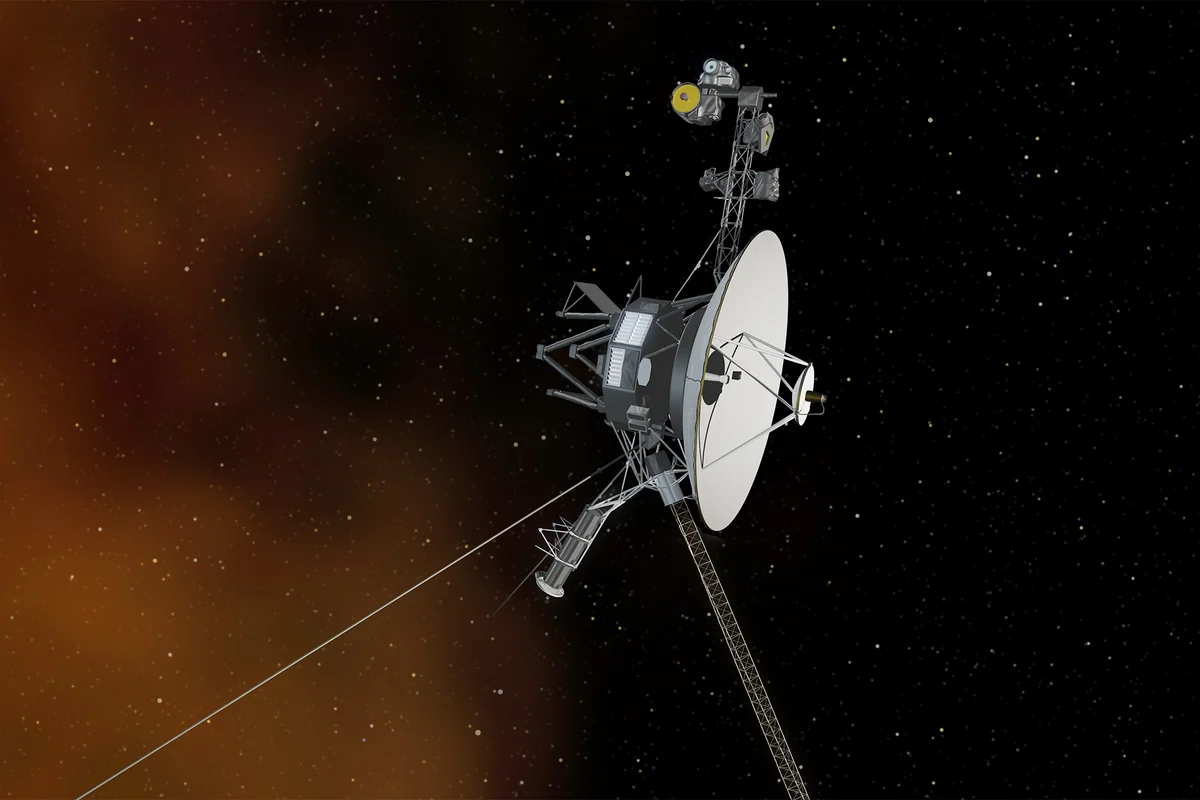
NASA’s Voyager 1 spacecraft is conducting normal science operations for the first time following a technical issue that arose in November 2023.
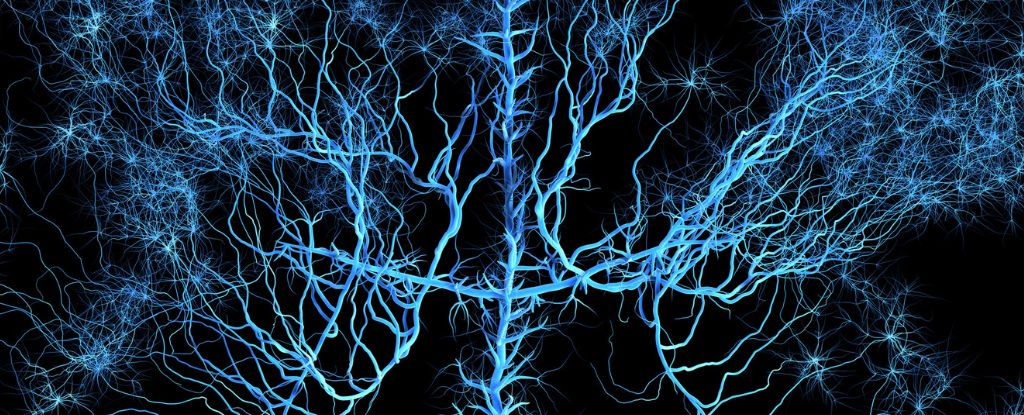
The human brain is said to be the most complex object in the known Universe. Its 89 billion neurons each have around 7,000 connections on average, and the physical structure of all those entities may be balanced precariously on a knife's edge.

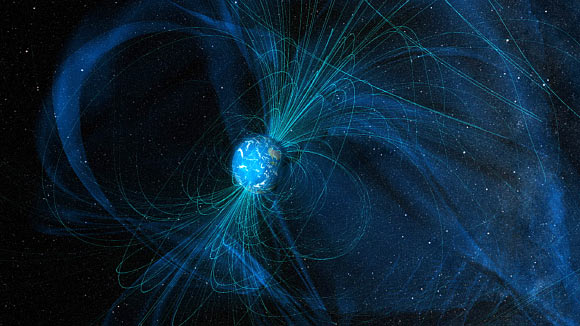
Deep beneath our feet, in the heart of our planet, something unexpected is happening. Scientists have discovered that Earth’s inner core, a solid iron-nickel sphere roughly the size of the moon, is slowing down.
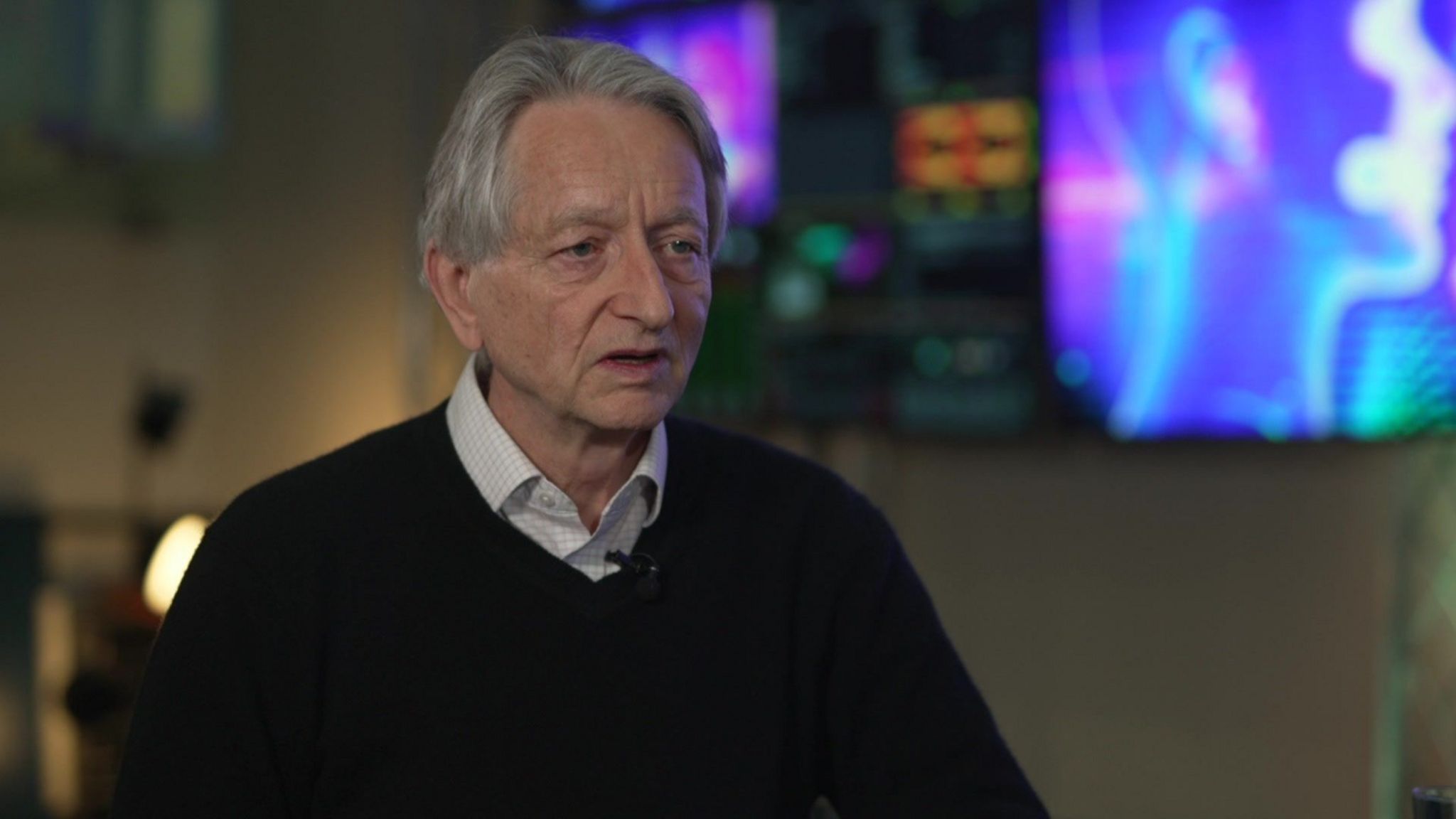
The computer scientist regarded as the “godfather of artificial intelligence” says the government will have to establish a universal basic income to deal with the impact of AI on inequality.

Scientists have grappled with the fundamental forces that govern our universe, chief among them being gravity, and more recently, dark matter.
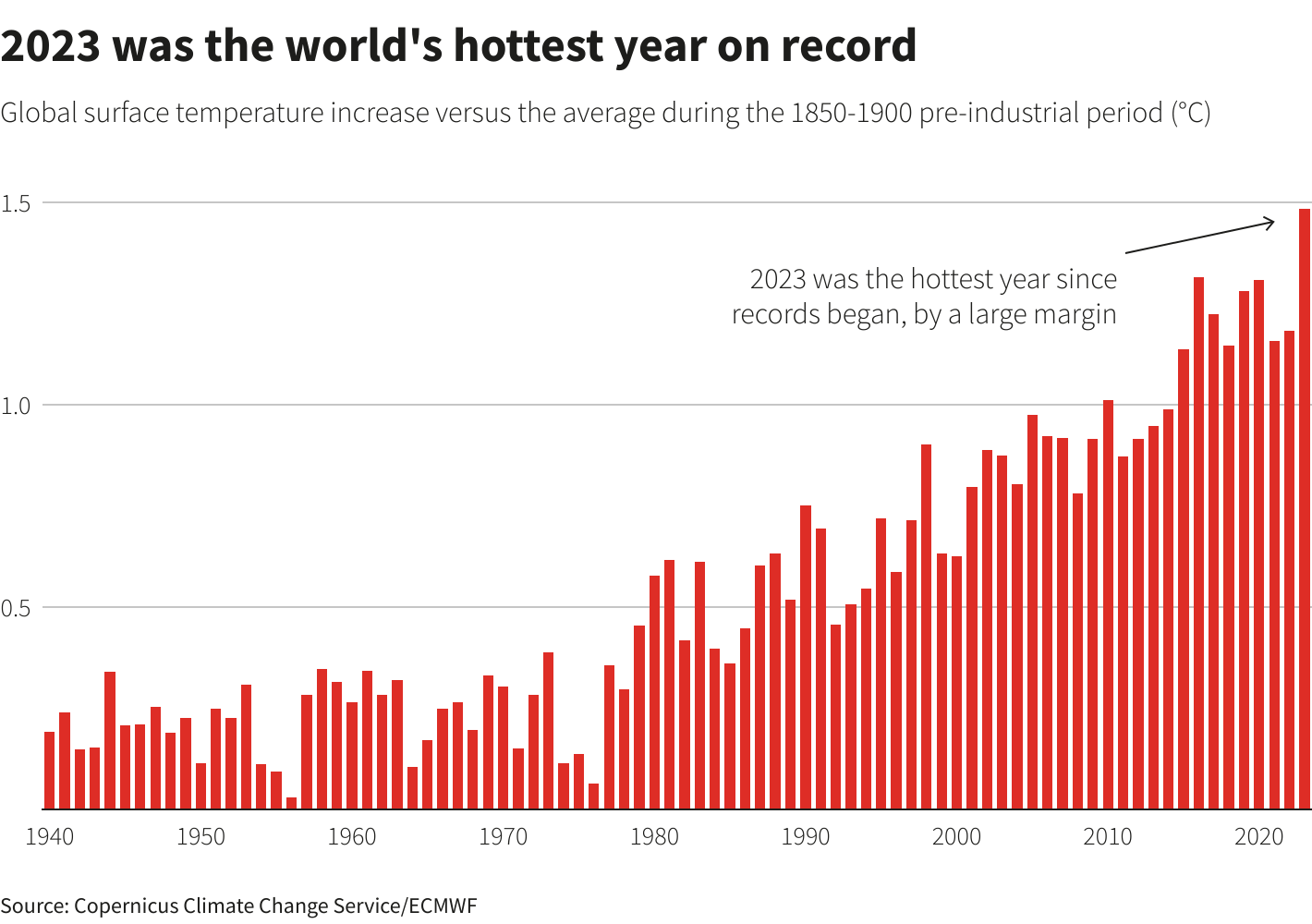
May capped a full year of monthly record-breaking temperatures. Globally, rising heat is causing hundreds of deaths, disrupting education and displacing communities.
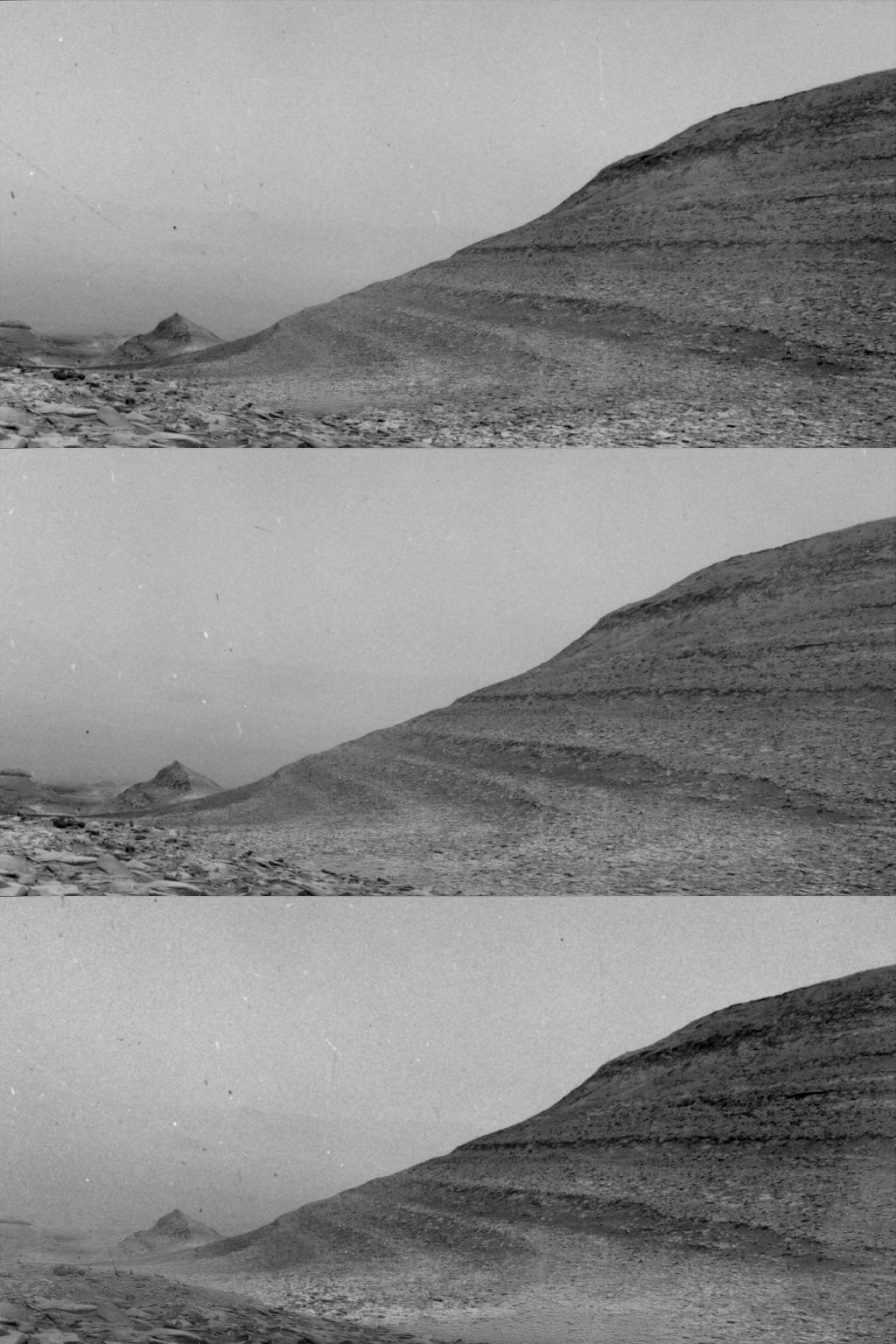
In addition to producing auroras, a recent extreme storm provided more detail on how much radiation future astronauts could encounter on the Red Planet.
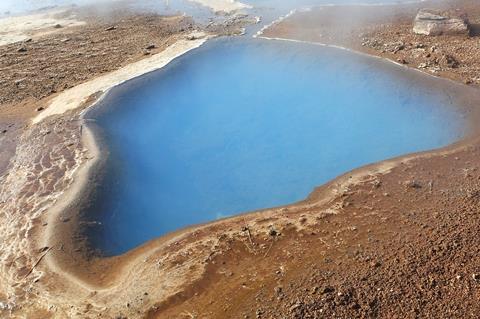
An international scientific team has redefined our understanding of archaea, a microbial ancestor to humans from two billion years ago, by showing how they use hydrogen gas.
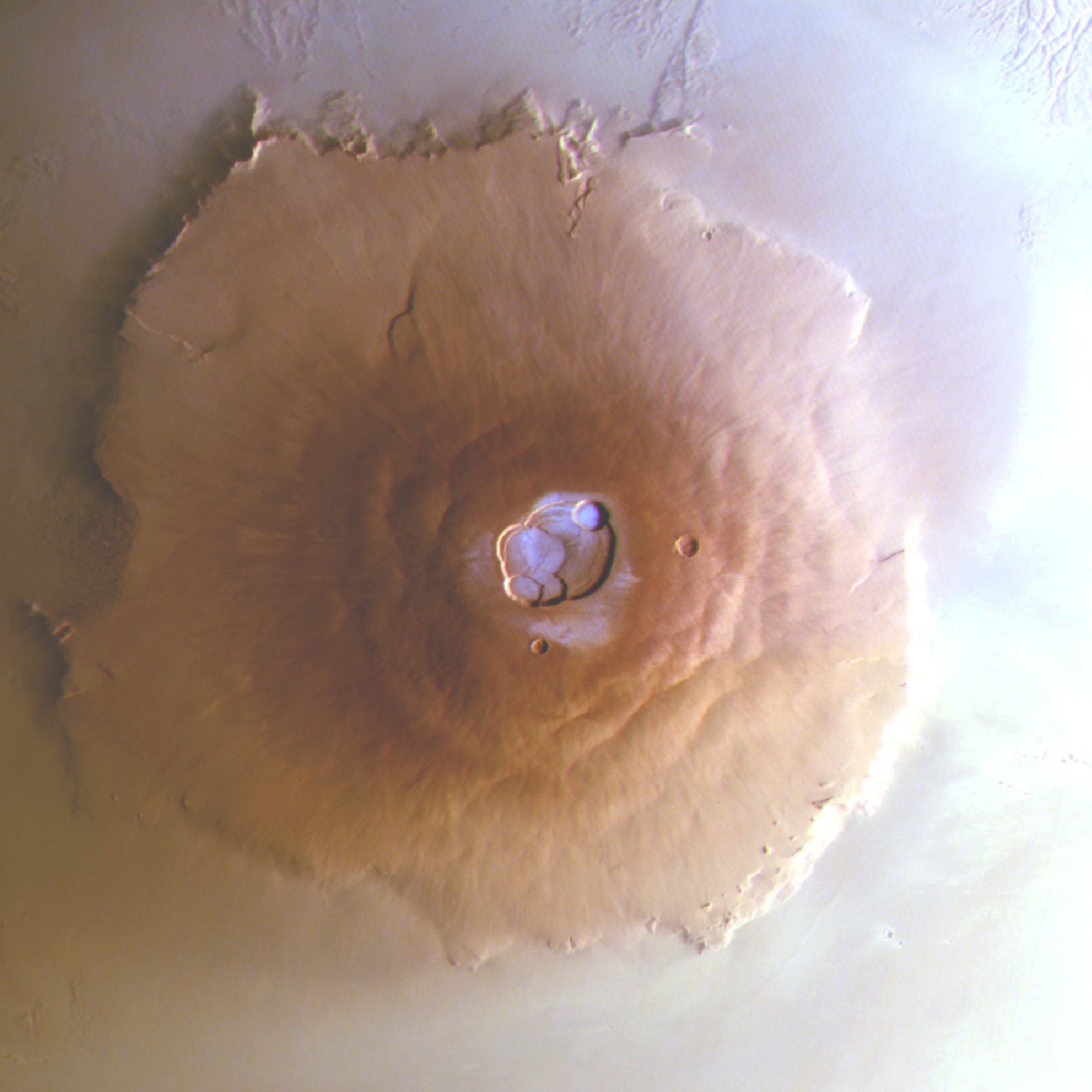
Morning images show frost briefly coating at least four colossal volcanoes: Olympus Mons, Arsia Mons, Ascraeus Mons, and Ceraunius Tholus.
Geoscientists show that rocks from the Isua Supracrustal Belt in West Greenland have experienced three thermal events throughout their geological history.


