
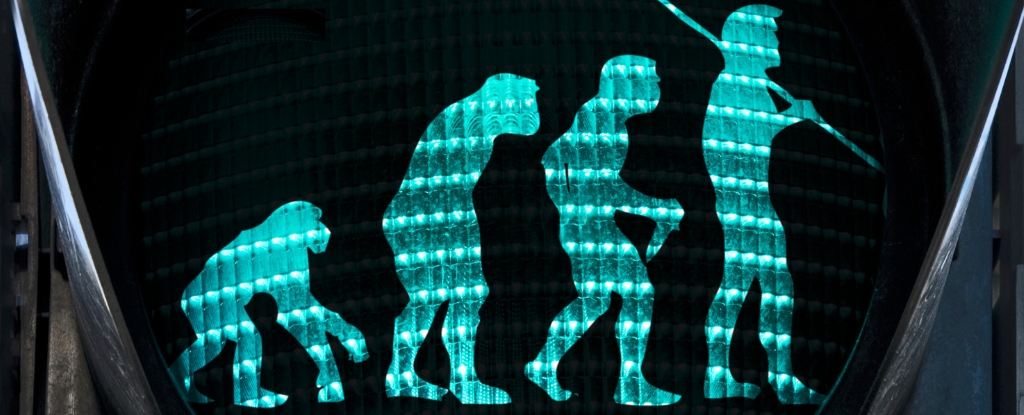
Research is showing that many of our contemporary problems, such as the rising prevalence of mental health issues, are emerging from rapid technological advancement and modernisation.

In the first quarter of 2024 there were more sales of electric and plug-in hybrids (which combine a petrol engine with a battery) than in the whole of 2020.
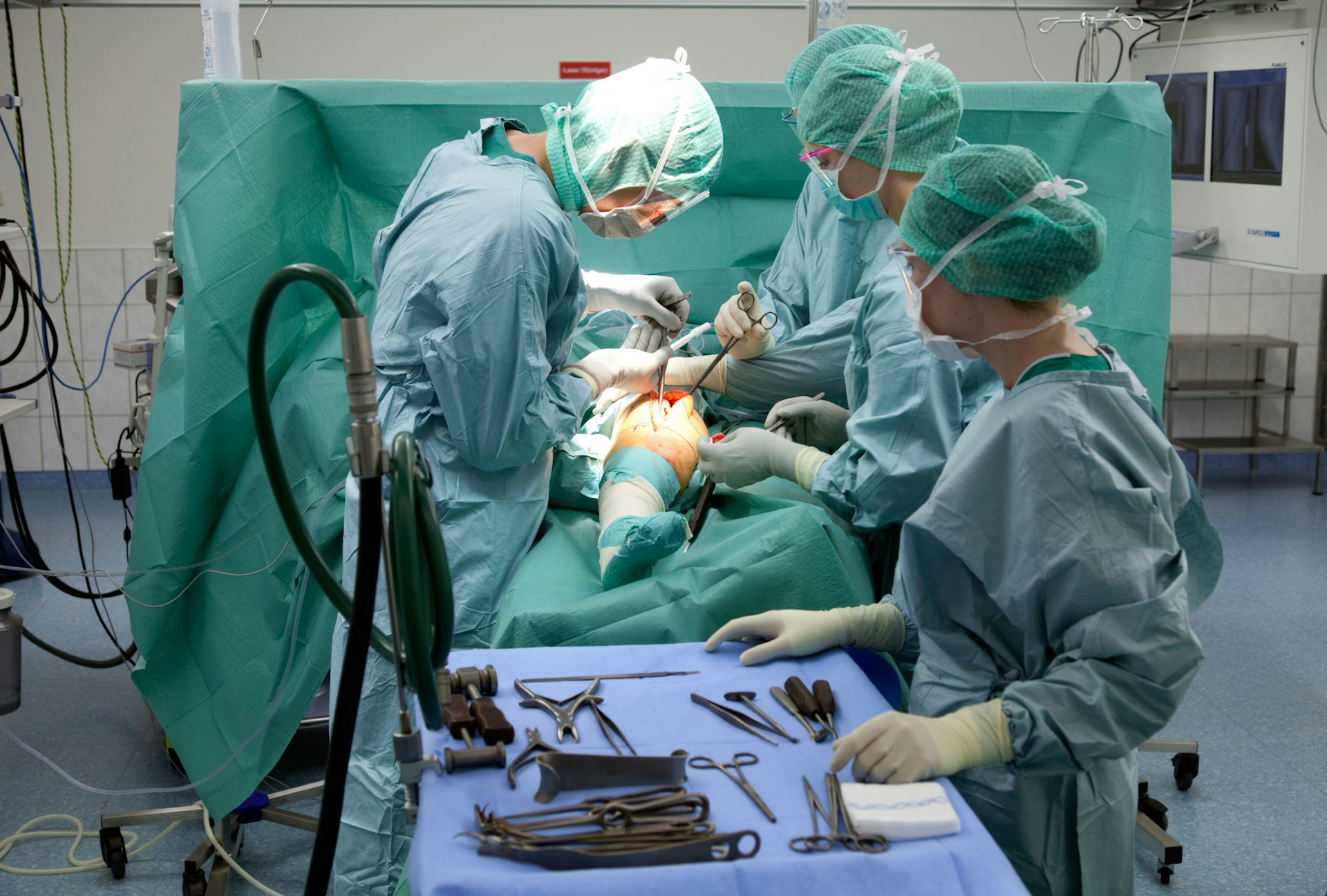
A review of 53 placebo-controlled surgery trials found that sham surgery was as good as the real thing in over half of the studies. Sham surgery activates the wound-healing cascade.
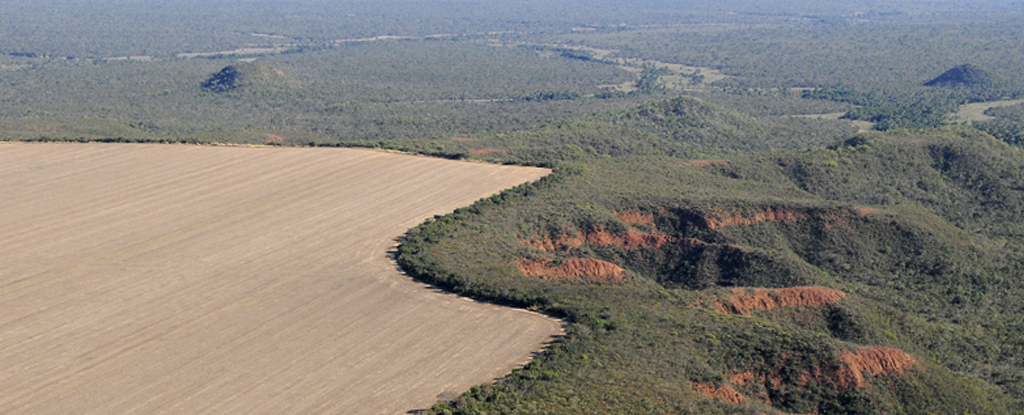
Up to 50 percent of rangelands are now degraded, a new report from the United Nations (UN) finds. Alongside climate change, many other problems are contributing to rangeland demise, mostly stemming from poor land management.

A small, seemingly unremarkable fern that only grows on a remote Pacific island was on Friday crowned the Guinness World Record holder for having the largest genome of any organism on Earth.
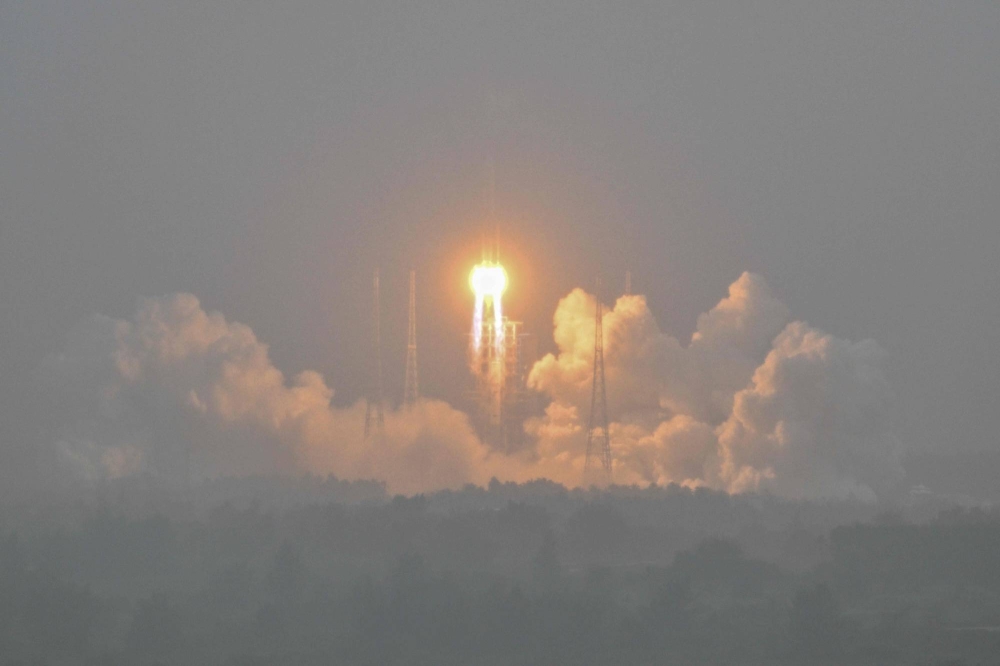
China launched a probe to collect samples from the far side of the moon, a world first as Beijing pushes ahead with an ambitious program that aims to send a crewed lunar mission by 2030.
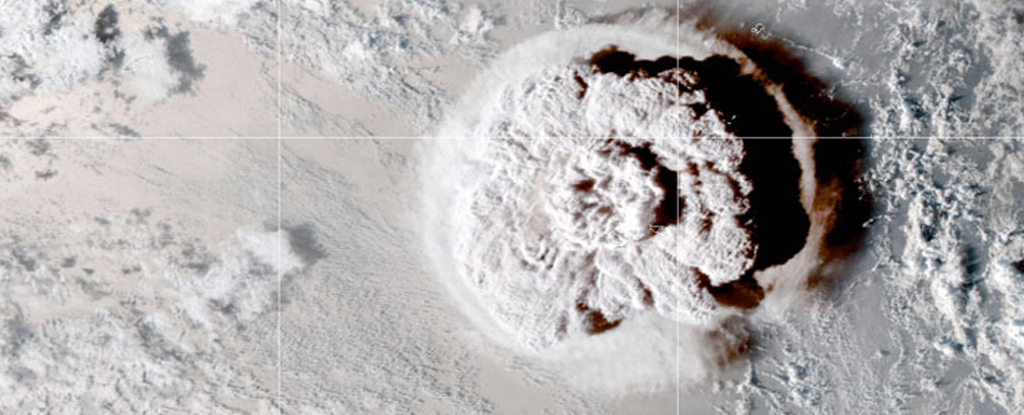
Because it was an underwater volcano, Hunga Tonga produced little smoke, but a lot of water vapor: 100–150 million tonnes, or the equivalent of 60,000 Olympic swimming pools.
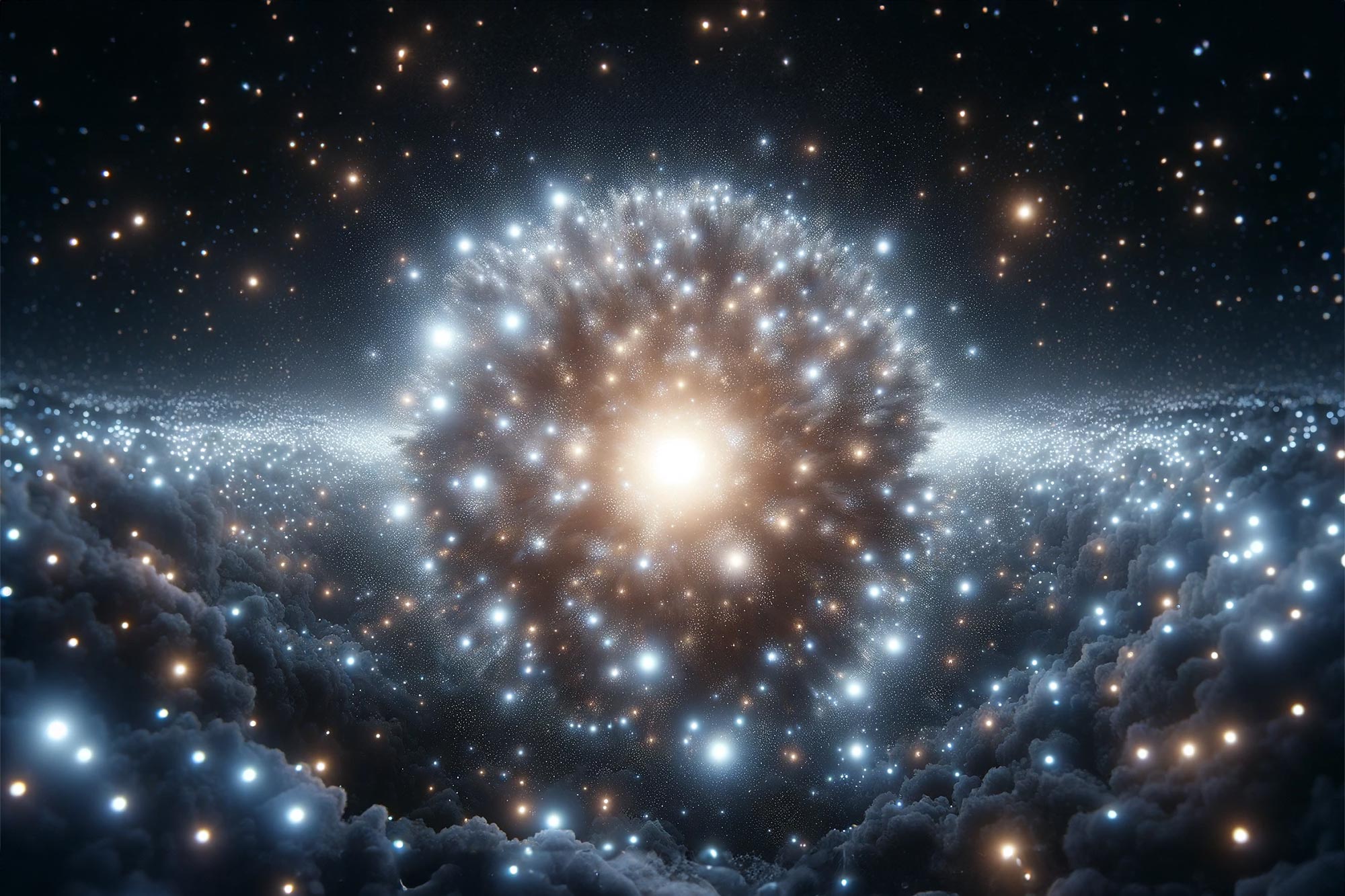
New research demonstrated a possible formation mechanism of intermediate-mass black holes in globular clusters, star clusters that could contain tens of thousands or even millions of tightly packed stars.

A NASA catalog featuring 126 exotic, newly discovered worlds includes detailed measurements that allow for comparisons with our own solar system.

Approximately three million people in currently untapped areas of Korea could face groundwater depletion by 2080.

Mars has a distinct structure in its mantle and crust with discernible reservoirs, and this is known thanks to meteorites that scientists have analyzed.

From The Iron Giant to Big Hero 6, many of us will be familiar with tales of kids befriending robots, which suggest generations of young children are more trusting of advice from machines than their own flesh and blood.

There are two types of 'superspreaders' of online misinformation: the intentional and organized spreaders of falsehoods or misleading claims, and those who unwittingly share information they didn't know was false.
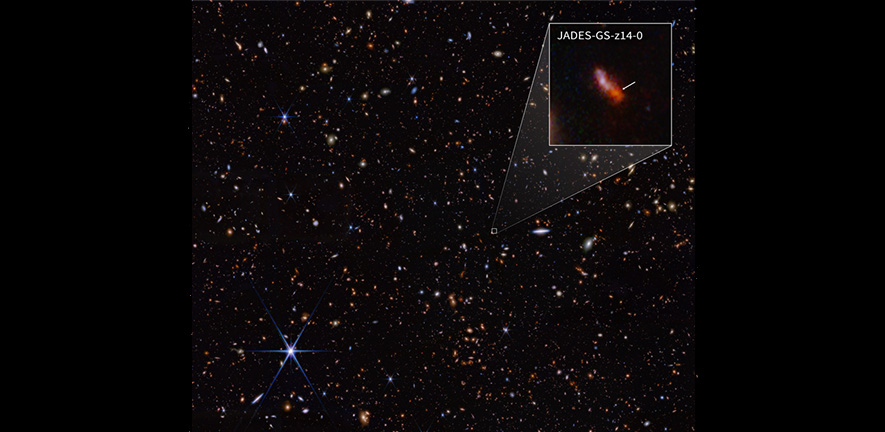
The two earliest and most distant galaxies yet confirmed, dating back to only 300 million years after the Big Bang, have been discovered using NASA's James Webb Space Telescope.

When we are in a state of flow, it is likely that we are spending less time ruminating over our lives or worrying about the future.


