

So far, only six countries have successfully launched more than 1 ton of equipment into space using domestically developed rockets. Now, a seventh, North Korea, has successfully done so, almost successfully.

Totality was visible only in Antarctica on early Saturday, experienced by a small number of scientists experts and adventure tourists.

Nasa's Dart mission has launched on a mission to test technology that could one day tip a dangerous asteroid off course. The spacecraft will crash into an object called Dimorphos to see how much its path can be altered.

The moon’s regolith is made up of approximately 45 percent oxygen. Each cubic meter of lunar regolith contains 1.4 tons of minerals on average, including about 630 kilograms of oxygen.

The launch came five years and one month after Astra was founded in 2016. SpaceX required six years and four months and Virgin Orbit needed seven or more years to successfully reach orbit.

The results from Mars simulations, Project Sirius and project Mars-500, showed worrisome outcome - the astronauts become detached from mission control and almost autonomous with time.

New findings from NASA's Juno probe orbiting Jupiter provide a fuller picture of how the planet's distinctive and colorful atmospheric features offer clues about the unseen processes below its clouds.

Astronomers have discovered unusual signals coming from the direction of the Milky Way's centre. The radio waves fit no currently understood pattern of variable radio source and could suggest a new class of stellar object.
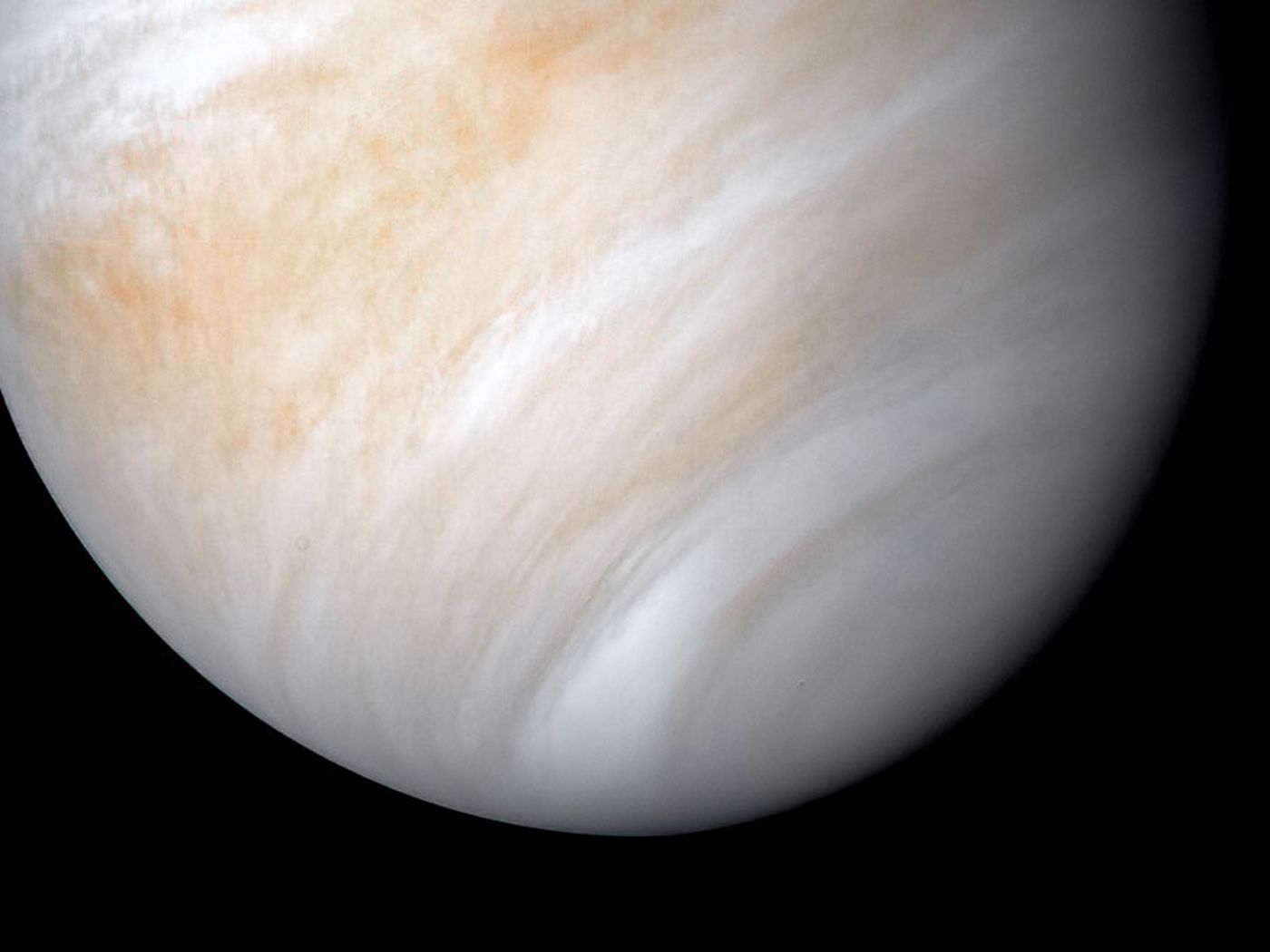
New research suggests that water never condensed and that, consequently, oceans never formed on the surface of Venus. One of the main reasons for this is the clouds that form preferentially on the night side of the planet.

The most powerful previously detected quakes occurred in the Cerberus Fossae region on Mars, where lava may have flowed in the geologically recent past.

Scientists have long noticed an absence of ammonia in the atmospheres of Uranus and Neptune. Scientists now think that ammonia in the upper atmosphere formed “mushballs” by merging with water.

The first research paper from Perseverance rover team was published lately. It shows that Jezero Crater on Mars was probably the site of some violent floods.

New research has just answered one of the fundamental questions about our universe: Why did some of the oldest, most massive galaxies go quiescent early in their formation? The answer, we now know, is because they ran out of cold gas.

Other rovers have also experience dust devils, but Jezero crater, Perseverance’s landing site, seems to have a high occurrence of dust devils.

The impact on Jupiter was reported by both amateur and professional astronomers. The object’s diameter is estimated at 20 meters and it is believed to be the remnant of a larger comet or asteroid.


