
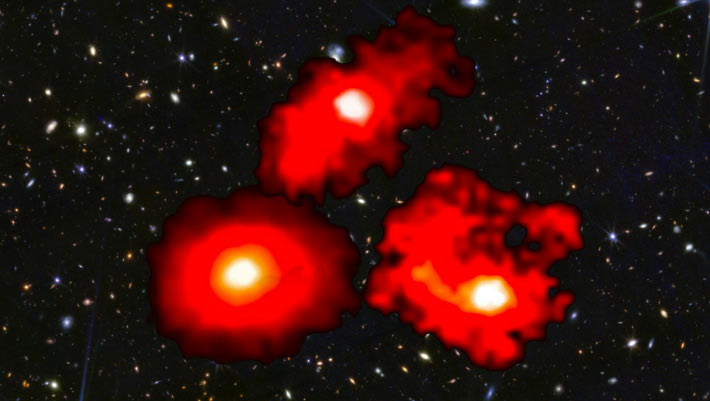
Astronomers using the NASA/ESA/CSA James Webb Space Telescope have discovered three ultra-massive galaxies -- nearly as massive as our own Milky Way Galaxy - already in place within the first billion years after the Big Bang.

The chances of intelligent life emerging in our Universe - and in any hypothetical ones beyond it - can be estimated by a new theoretical model which has echoes of the famous Drake Equation.
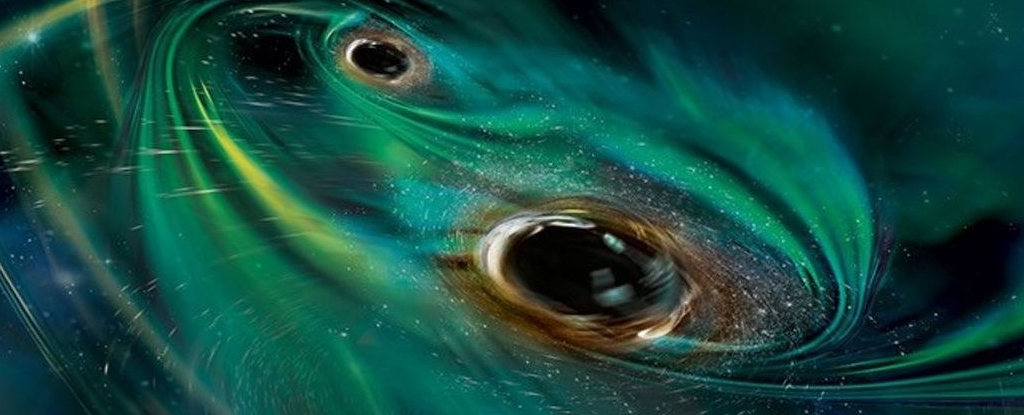
In March 2021, astronomers observed a high-energy burst of light from a distant galaxy. Assigned the name AT 2021hdr, it was thought to be a supernova.
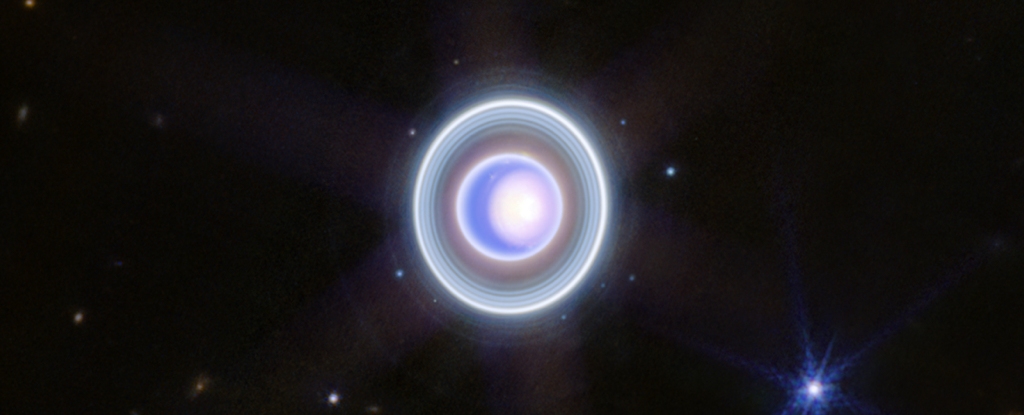
For decades, we've thought we had a pretty good grasp of Uranus. The penultimate planet, our best measurements suggest, has a whole slew of idiosyncrasies. And one of the most puzzling is its magnetic field.
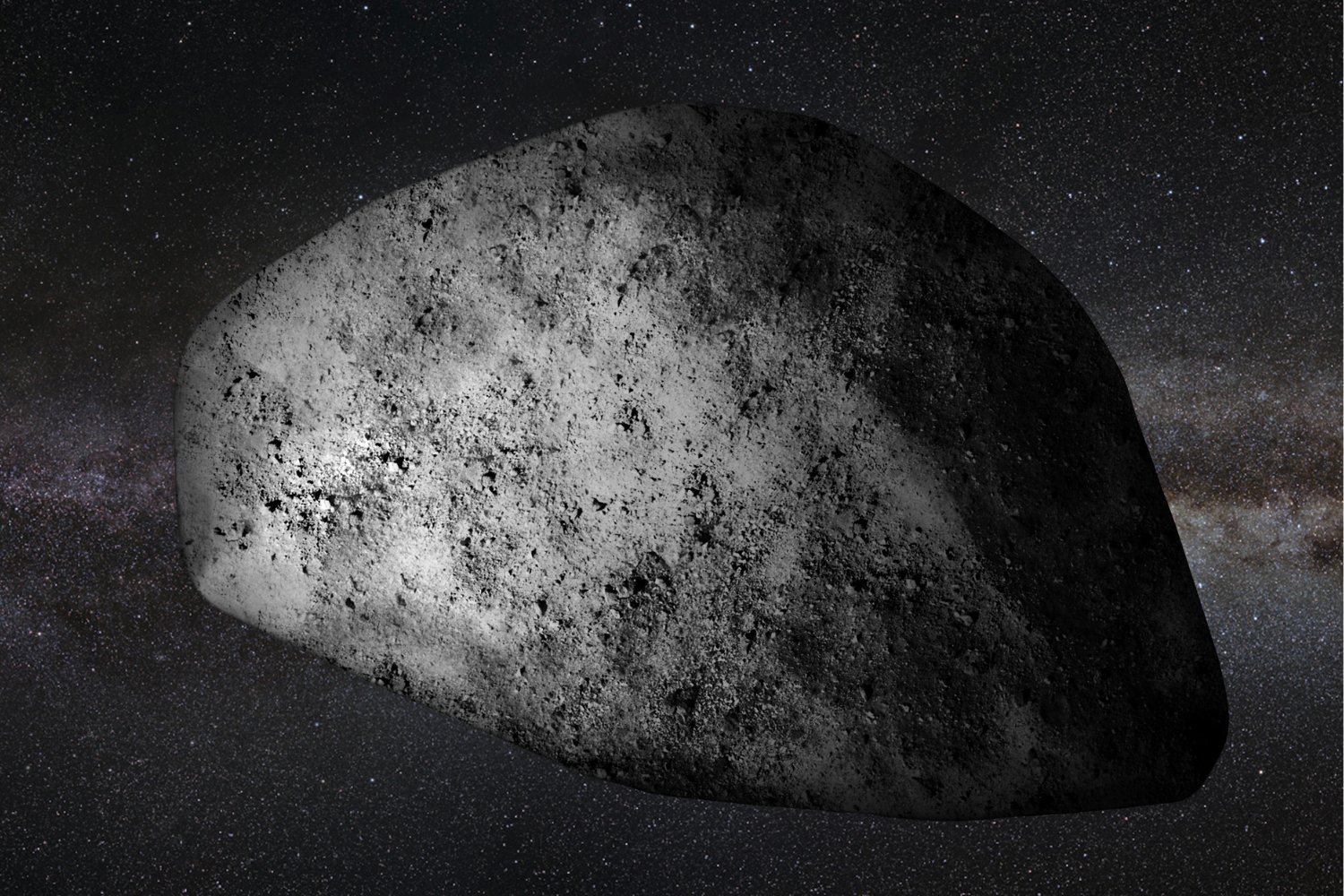
A team of astronomers believe that our planet’s gravitational pull could alter the surface of Apophis, a near-Earth asteroid (NEA) set to make a close approach to Earth in five years’ time.
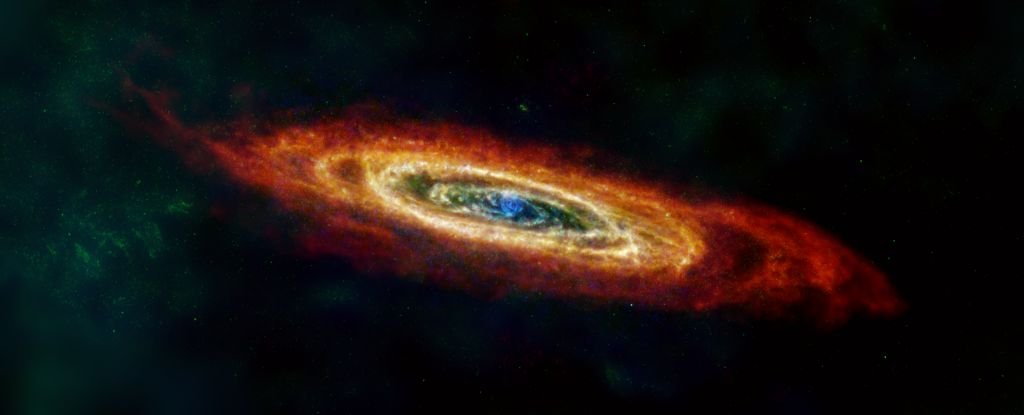
It appears that sometimes stars fail to explode as supernovae and instead turn directly into black holes.
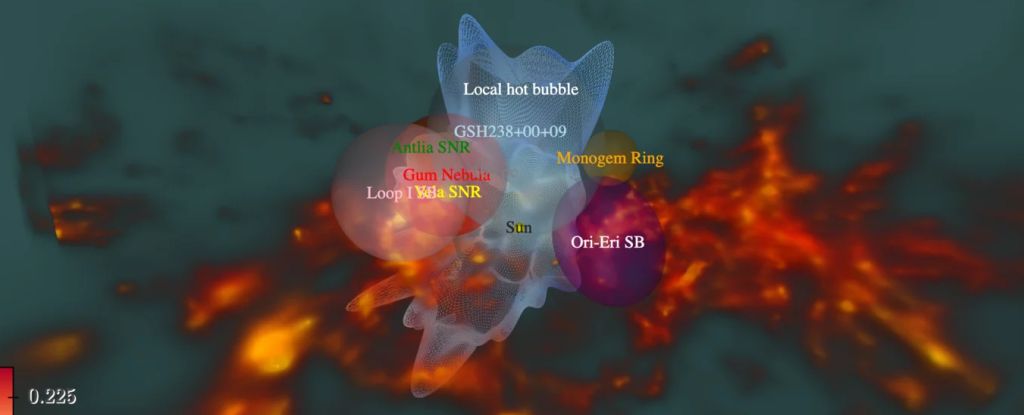
Our star resides in the Local Hot Bubble (LHB). Now a team of astronomers has mapped the bubble, revealing the presence of a mysterious tunnel pointing towards the constellation Centaurus.
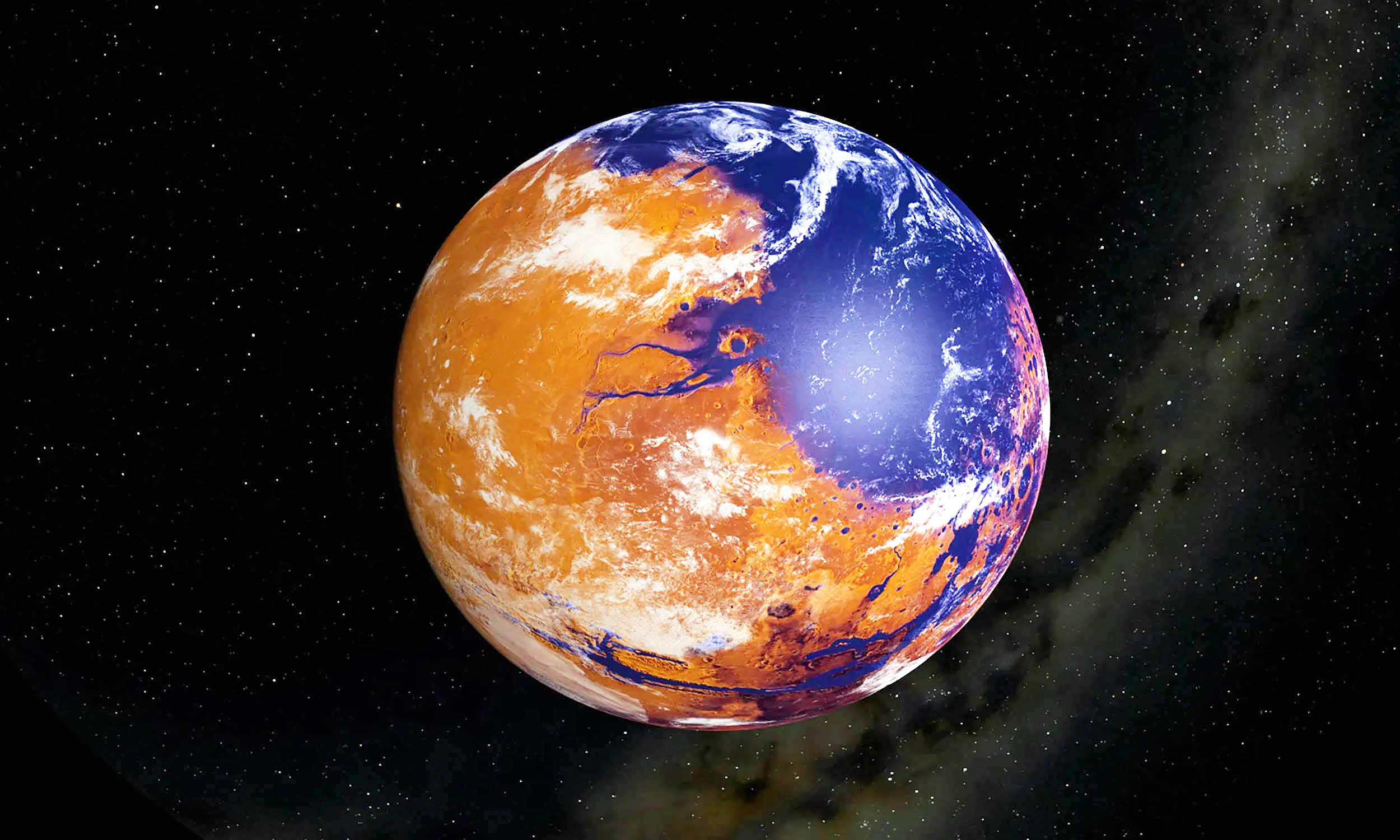
A Chinese rover has brought forth evidence that hints at the likelihood of a massive ocean, covering almost a third of the Red Planet, that existed billions of years ago.
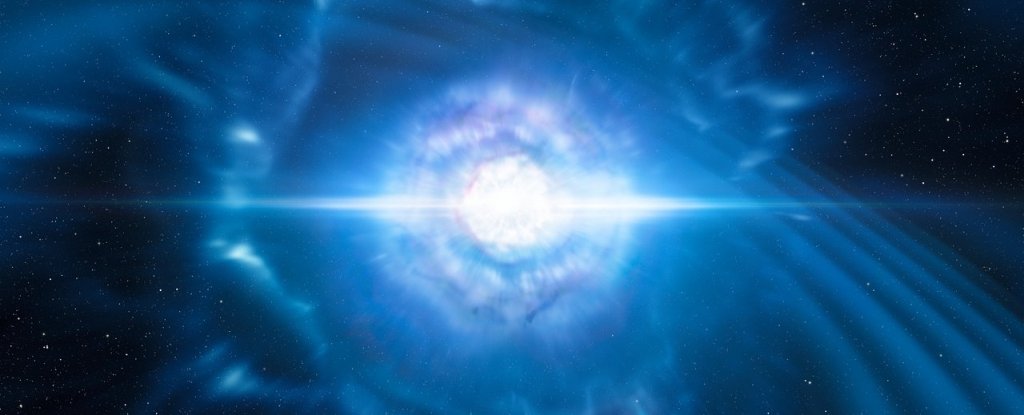
In August 2017, humanity observed a wonder. For the first time, we got to see two neutron stars colliding.

In the binary system 4U 1820-30, a neutron star is spinning so fast around its center axis that it completes a breathtaking 716 rotations per second.
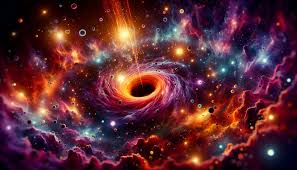
If the hypothesis that black holes are related to dark energy is proven correct, it would revolutionize conventional knowledge about black holes and dark energy.
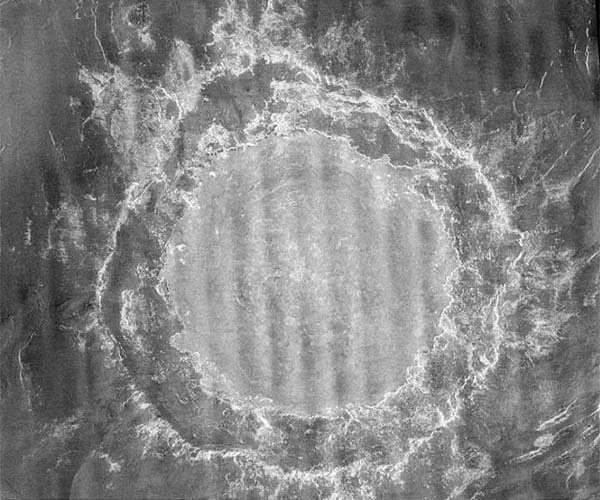
Researchers have discovered what may be a long-hidden record of ancient impact craters on Venus, shedding light on a planetary history distinct from Earth's.
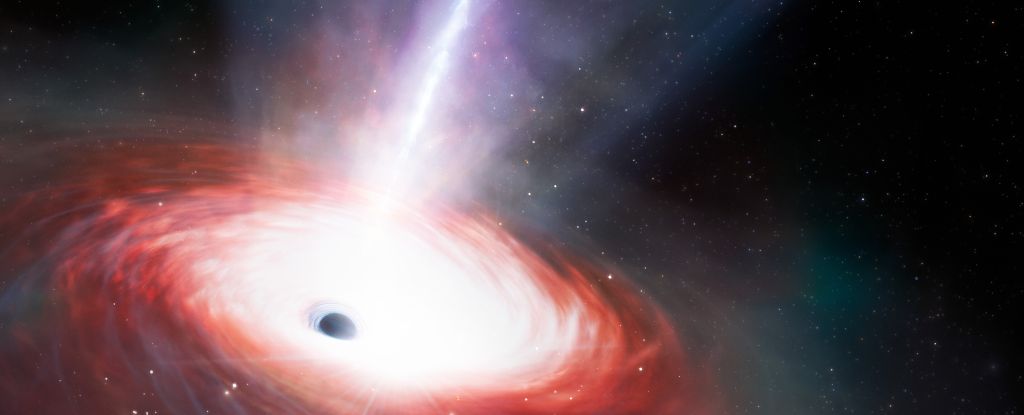
Sitting in the middle of a galaxy called LID-568, this black hole, as seen just 1.5 billion years after the Big Bang, appearing to guzzle down material at a jaw-dropping rate of over 40 times a theoretical maximum known as the Eddington limit.

A recent study demonstrates that oxygen may be produced without the need for life at depths where light cannot reach.
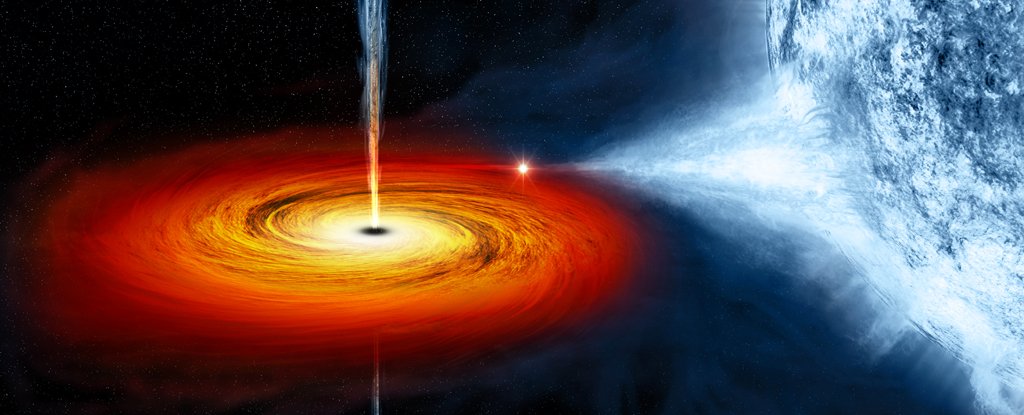
V4641 Sagittarii is a system about 20,000 light-years from Earth. Astronomers have now detected photons from V4641 Sagittarii carrying energies of up to a staggering 200 teraelectronvolts (TeV).


