
Even though we cannot physically access the 4D world, being aware of its existence will pave the way to future discoveries and a better understanding of our Universe.

A team of high-energy experimental particle physicists has uncovered possible evidence of a subatomic quasiparticle dubbed an 'odderon' that - until now - had only been theorized to exist.

A report led by the Bureau of Investigative Journalism reveals that thousands of tonnes of colistin – what medics refer to as the “last hope antibiotic” – is being shipped to countries like India for use in livestock farming.

Using a revolutionary laser technology known as LiDAR, researchers discovered an ancient Mayan megacity hidden in a Guatemalan jungle.

The time taken to reach the limit improves since last year but campaigners say the Government must do more to save lives.

On Monday, a Qantas flight took off from Los Angeles, US to Melbourne, Australia burning 90-percent regular jet fuel and 10-percent mustard seed oil biofuel.

The two new parks — Pumalín National Park and Patagonia National Park Chile — are already open to the public and are now permanently protected for visitors and the wildlife that live there.

Stockton, US is starting a trial program known as Stockton Economic Empowerment Demonstration (SEED) to test how basic income may impact city residents and the local economy.

New ALMA telescope observations have uncovered the surprisingly clear chemical "fingerprints" of the complex organic molecules methanol, dimethyl ether, and methyl formate.

Erica, a lifelike android designed to look like a 23-year-old woman, may soon become a TV news anchor in Japan.
Each scaffold was made by 3D printing a replica of each patient’s ear using a Z Corporation Spectrum Z510 3D printer. The scaffolds were then populated with living cells from each patient.

Even the fruits and vegetables are wrapped in plastic so that the sensors can read them, inculcating a culture of convenience and waste.

Results from the first data release of the Dark Energy Survey include eleven new stellar streams in the Milky Way galaxy.

How changing crops, moving to no till agriculture and lightening infrastructure can reduce extreme temperatures.
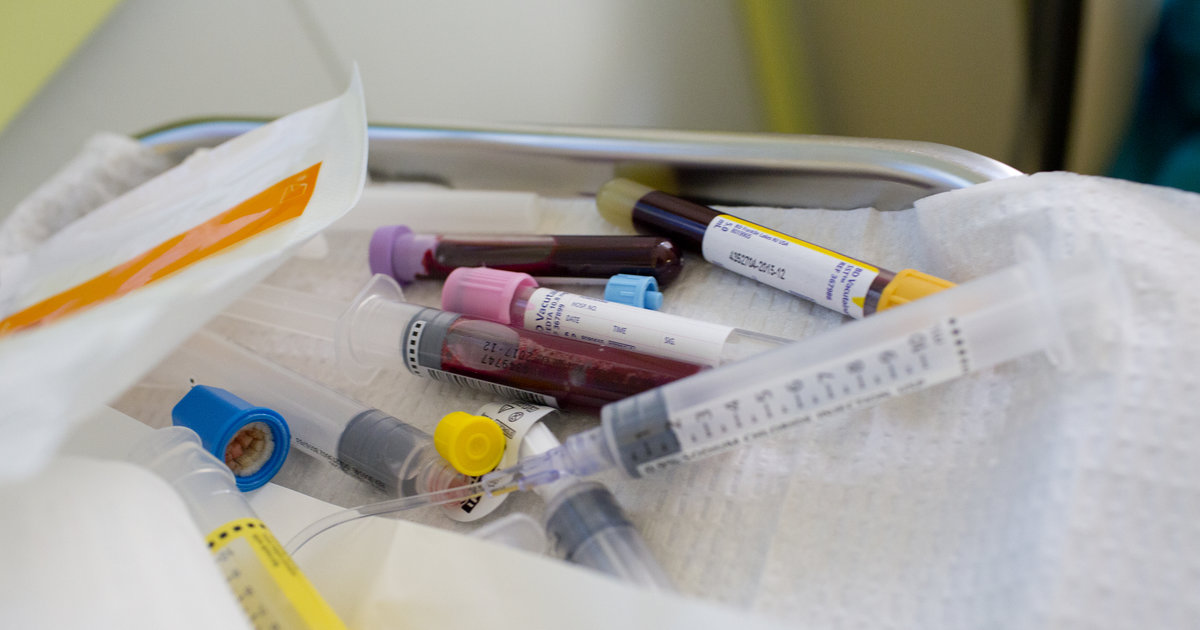
CancerSEEK, which was 70 percent accurate in a human trial, could be major breakthrough in early identification of cancers and where in the body they are located.


