

In the U.S., the first planned clinical trials of CRISPR gene editing in people are about to kick off. China already used the gene-altering tool to change the DNA of dozens of people in several clinical trials.
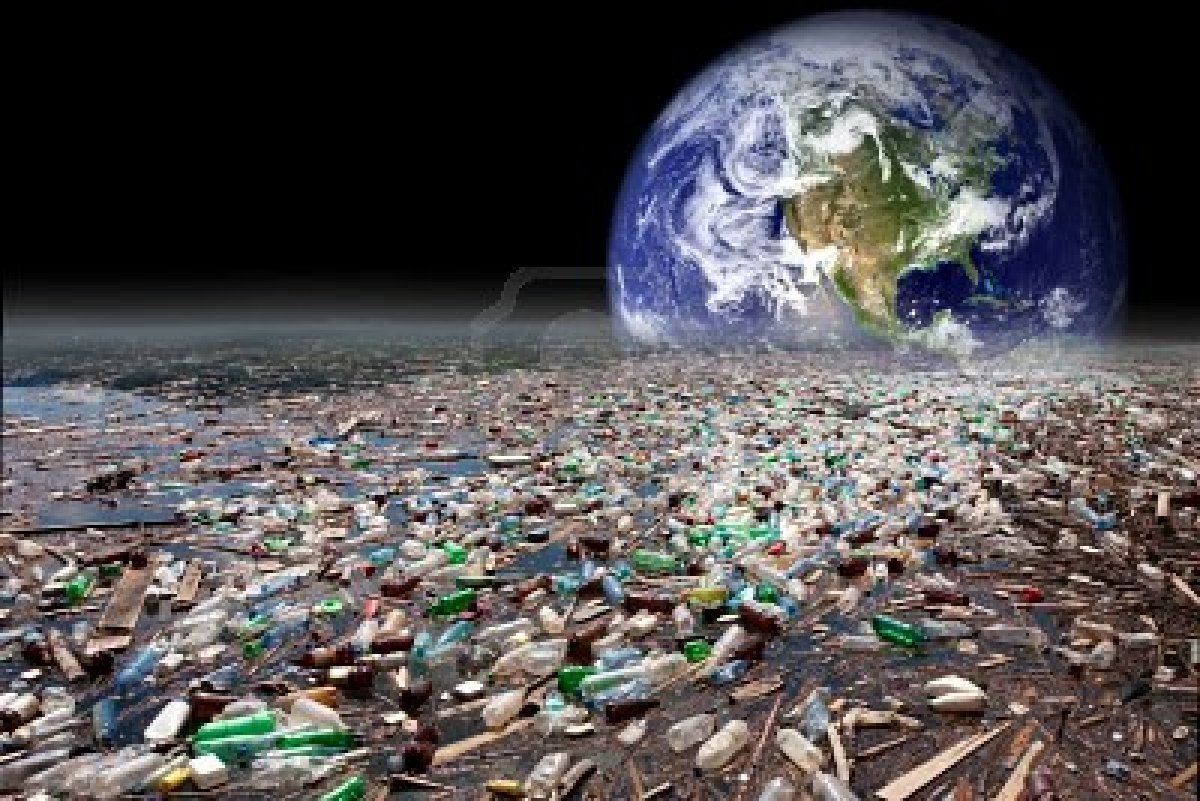
Researchers found that teens who spent a lot of time in front of screen devices were less happy than those who invested time in non-screen activities.

Researchers now describe the development of an inexpensive, efficient catalyst material for a type of fuel cell which turns the chemical energy of hydrogen into electricity.

UK study reports that the number of older people diagnosed with four or more diseases will double between 2015 and 2035.

Contrary to what was expected, a team of astronomers has discovered that kilonova event has been brightening ever since it first appeared.

Rather than sending misbehaving children straight to the principal's office, a Merrillville elementary school in US is teaching basic meditation techniques.

The ban will force the country’s 340 fur farms to close down by 2025.

Students who spend a class session in a natural outdoor setting are more engaged and less distracted in their regular classroom afterward than when they remain indoors, scientists found in a new study.
The world's most powerful acoustic tractor beam could enable the manipulation of drug capsules or micro-surgical implements within the body. The discovery could even lead to levitating humans.

The Hypatia stone - pebbles found in Egypt, have been known to have come to Earth from somewhere else. But new research shows they are even more alien, having been formed outside of our solar system and even before our sun existed.
As our sun gets older, it's losing mass, and so its gravitational pull becomes weaker. As a result, the orbits of all the planets in our solar system are expanding.

The air quality in northwestern China’s Shaanxi Province improved significantly after researchers initiated testing of a massive experimental tower, dubbed by its operators as the “World’s Biggest Air Purifier.”

Researchers took a cue from the electric eel to create a soft, foldable battery that could one day power devices.

Electric vehicles accounted for 50 percent of new car sales in Norway in December and now the country hopes “to be the first in the world” to switch over to electric air transportation.

Singapore researchers developed a water-based air conditioning system which doesn’t need energy-intensive compressors or harmful chemical refrigerants.


