

A new environmentally-friendly shopping model was recently launched at the World Economic Forum in Davos, Switzerland. This shopping model, called Loop, aims to replace throwaway containers with reusable ones.
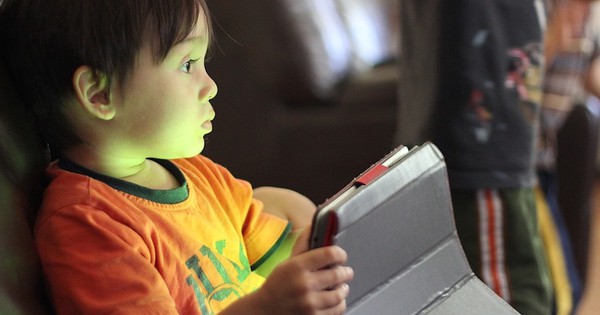
In an open-access study of over 2,400 children, researchers found that the more time young children spend glued to screens, the worse their score on tests of cognitive and emotional development.
In a scientific first, neuroengineers have created a system that translates thought into intelligible, recognizable speech. This breakthrough could lead to new ways for computers to communicate directly with the brain.

Made up of 43 public health experts from 14 countries, the Lancet Commission, UK, states that the problems of obesity, malnutrition and climate change are linked by factors such as overconsumption, unchecked marketing and government failures.

It has taken researchers almost three years to produce this deepest image of the Universe ever taken from space, by recovering a large quantity of ‘lost’ light around the largest galaxies in the iconic Hubble Ultra-Deep Field.

Engineers have developed a flexible device that harvests energy from Wi-Fi signals. And not just harvest. It can then convert it into electricity that could be used to power devices, wire- and battery-free.

YouTube said Friday it will stop recommending videos promoting a phony miracle cure for a serious illness, claiming the earth is flat, or making blatantly false claims about historic events.

Germany should stop using coal for electricity production by 2038, a government-appointed commission said Saturday, laying out an 80-billion euro roadmap to phase out the polluting fuel.

If you see a video of a politician speaking words he never would utter, or a Hollywood star improbably appearing in a cheap adult movie, don't adjust your television set—you may just be witnessing the future of "fake news."

Unlike some previous test missions, Wednesday's New Shepard flight followed the same profile that space tourists will take. But The company has yet to begin selling tickets for the six-person capsule.

Amazon has made a deal with a big American home builder, to build "Alexa-enabled smart homes" where you can do a lot more than just adjust your temperature.

A new study revealed a number of harmful substances in diapers, including banned chemicals and the weedkiller glyphosate, which is classified by the World Health Organization as a probable carcinogen.
New Glenn is a two-stage orbital launch vehicle with an optional third stage and a reusable first stage. Launches of the New Glenn are planned to be made from Spaceport Florida Launch Complex 36 in 2020.

An international team of scientists found evidence that the rock was launched from Earth by a large impacting asteroid or comet. The impact sent material into space, where it collided with the surface of the Moon 4 bil years ago.

Using a hot-water drill, British scientists have dug a 7,060-foot borehole through the Antarctic ice sheet. This largest ever ice hole for West Antarctica is meant to improve our understanding of climate-related sea level rise.


