

The island of Tristan da Cunha is halfway between Argentina and South Africa. Recent study shows that it is hugely polluted by plastic that comes from international shipping.

A big study examined the records of more than a quarter million pregnant women in Beijing from 2009 to 2017 in light of the womens' exposure to air pollution. Among the women 17,497 were found to have experienced silent miscarriages.

On top of the list are Chevron, Exxon, BP and Shell. These four global businesses are behind more than 10% of the world’s carbon emissions since 1965. Twelve of the 20 companies are state-owned and together they are responsible for 20% of total emissions.

Upside-down rivers lapping at the bottoms of ice sheets and brilliant blue mini-lakes dotted on top may be speeding up Antarctic melting. As the Earth continues to warm, both processes could hasten the demise of Antarctica’s icy armor.

"Our so-called civilization is using the ocean as its toilet. Unless this changes, and fast, ocean ecosystems are going to continue their rapid collapse", says Cameron.

Researchers have shown that antimicrobial-resistant infections are rapidly increasing in animals in low and middle income countries. They produced the first global of resistance rates, and identified regions where interventions are urgently needed.
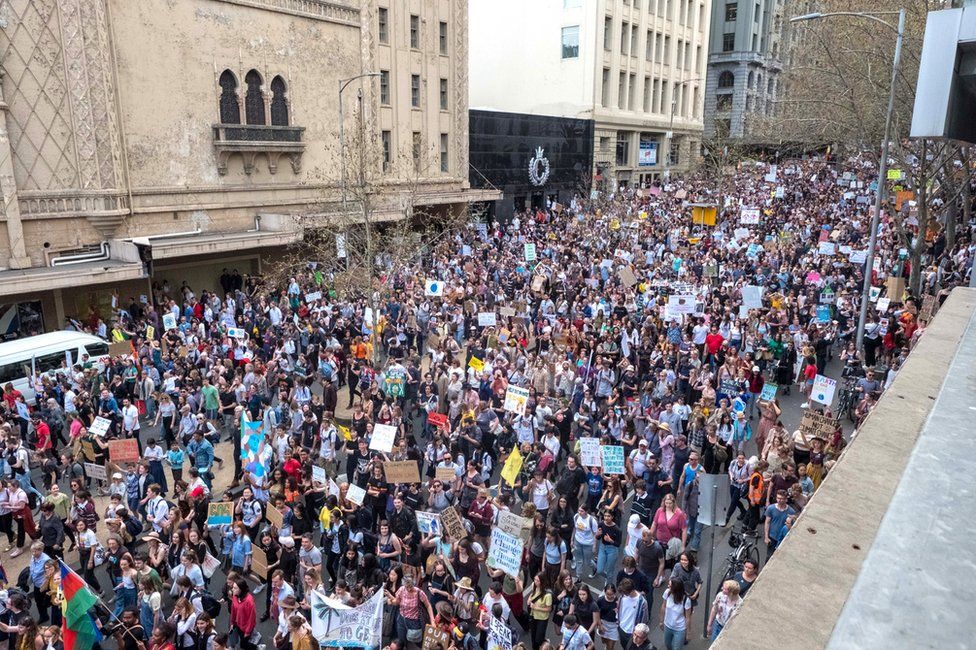
From New York to Guatemala City, Sydney to Kabul, and Cape Town to London, protesters in hundreds of cities around the world took the streets, demanding their governments take urgent steps to tackle the climate crisis and prevent an environmental catastrophe.

Since August, forest fires have erupted in Riau, Jambi, South Sumatra, West Kalimantan, Central Kalimantan, and South Kalimantan, and produced smog that has choked millions of people in those provinces, several neighboring regions and even Malaysia and Singapore.

Prompted by the Amazon fires in Brazil and Bolivia, 230 global investors have issued a statement warning hundreds of unnamed companies to either meet their commodities supply chain deforestation commitments or risk economic consequences.

Studies have found that microplastics are in the human food chain. Recently Plastic by-products have been discovered in blood and urine samples of young children. They were found in 97% to 100% of the test cases.

A large European study in 10 countries found that participants who drank two or more glasses of sugar-sweetened or artificially sweetened soft drinks drinks per day had a higher risk of all-cause mortality.

The analysis was carried out by the Global Commission on Adaptation - a group of 34 leaders in politics, business and science. The report says it is an urgent moral obligation of richer countries to invest in adaptation measures that will benefit the world.
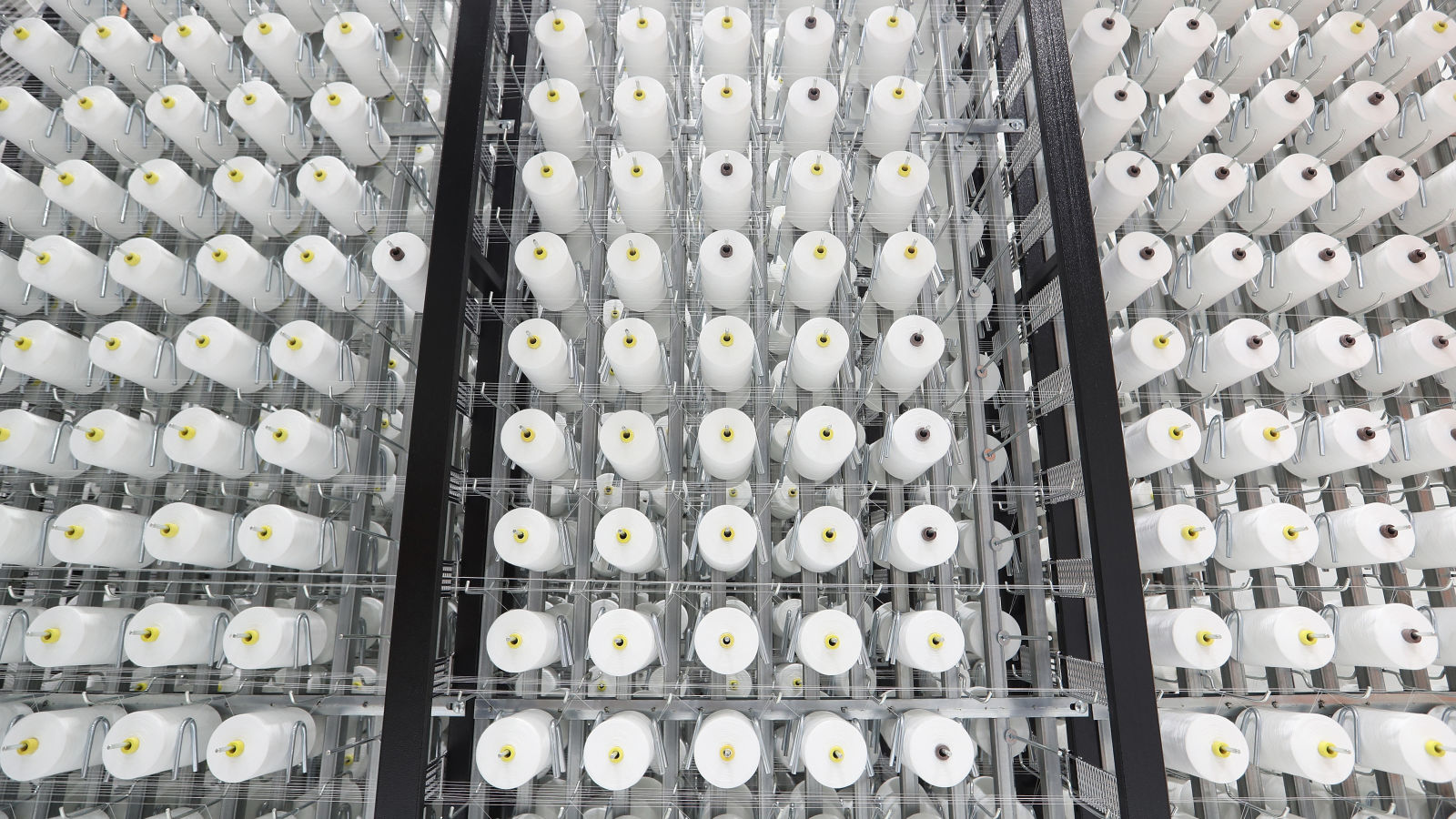
the ocean sediment tells a clear story of the world’s growing reliance on plastic. Between 1945 and 2009, the rate of plastic deposition doubled every 15 years on average.

Social networking sites are known to cause stress in users, known as technostress from social media. However, instead of switching off or using them less, people are moving from one aspect of the social media to another which could cause addiction.

In a new report issued by the UN's Intergovernmental Panel on Climate Change (IPCC), scientists warn that the decisions we make now regarding land use and food production will determine whether or not global warming is controllable.


