
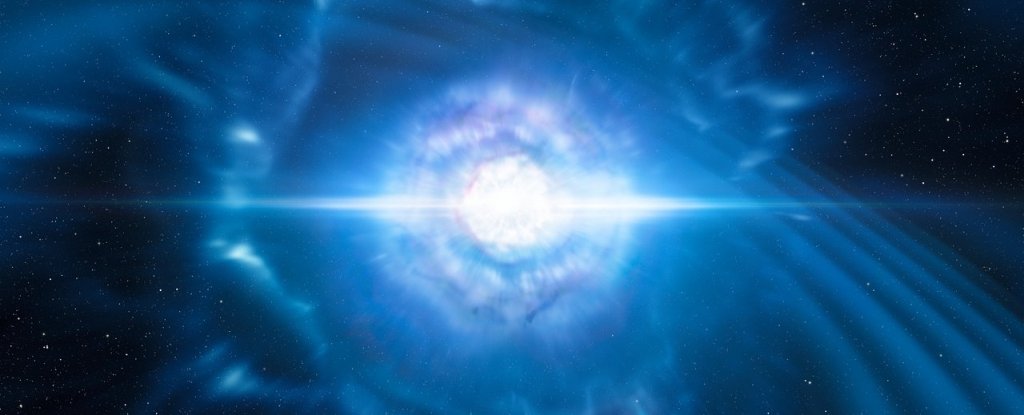
In August 2017, humanity observed a wonder. For the first time, we got to see two neutron stars colliding.

Comb jellies seem to use the strategy of aging in reverse as a survival strategy when they are under pressure.
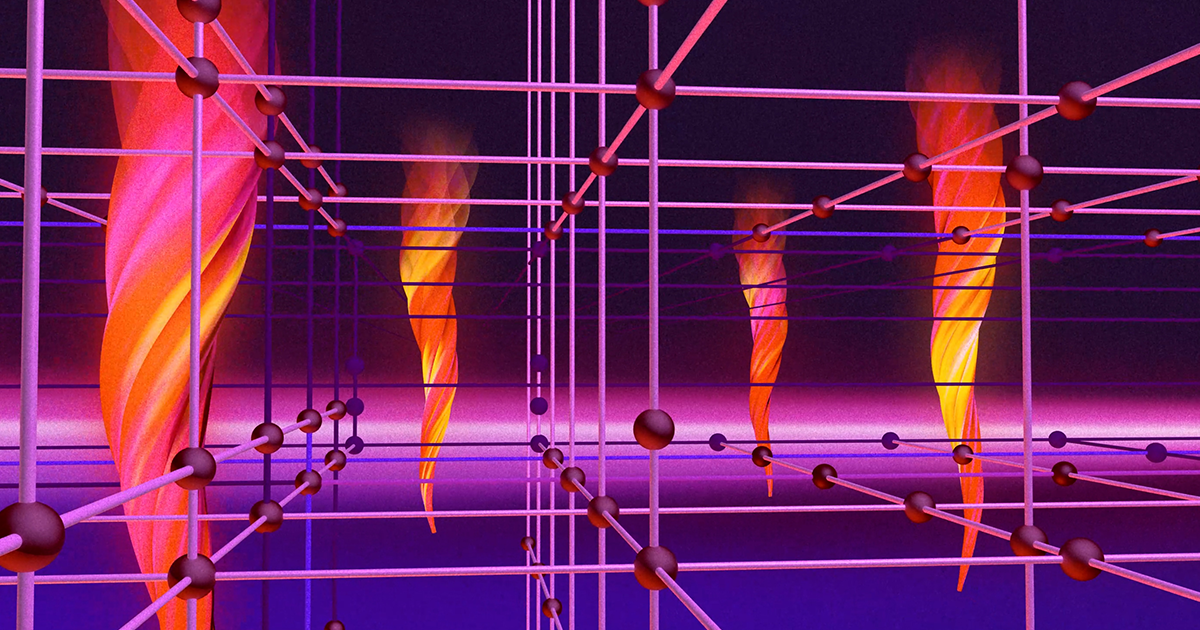
New observations of microscopic vortices confirm the existence of a paradoxical phase of matter that may also arise inside neutron stars.

In the binary system 4U 1820-30, a neutron star is spinning so fast around its center axis that it completes a breathtaking 716 rotations per second.

A low-sugar diet in the first years of life can significantly reduce the risk of chronic diseases in adulthood, a study based on historical data has found.
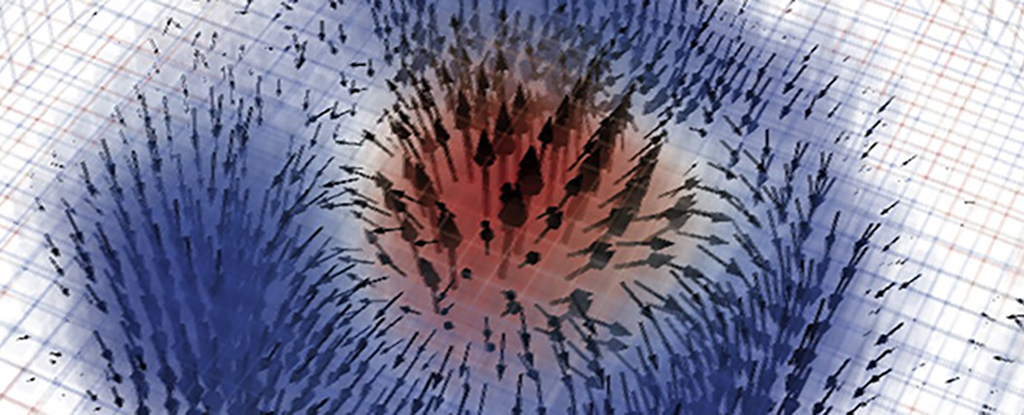
For the first time, we've got a three-dimensional picture of a magnetic skyrmion. This tiny, spiraling flaw in the magnetic properties of some materials could find uses in next-gen electronics storage devices and quantum computers.
If the hypothesis that black holes are related to dark energy is proven correct, it would revolutionize conventional knowledge about black holes and dark energy.
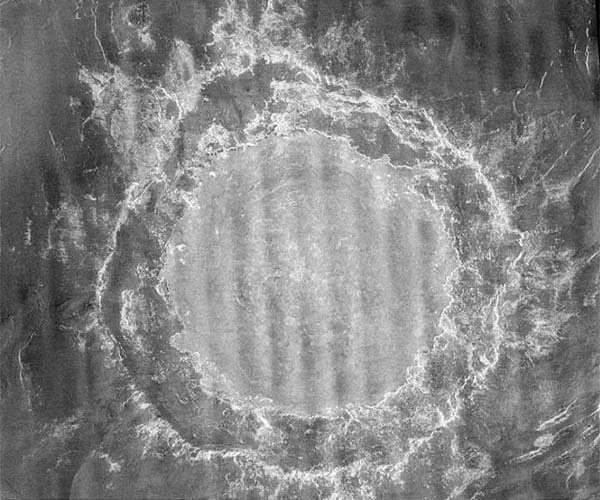
Researchers have discovered what may be a long-hidden record of ancient impact craters on Venus, shedding light on a planetary history distinct from Earth's.

A new study explores how marine biodiversity conservation, human health and wellbeing are connected.
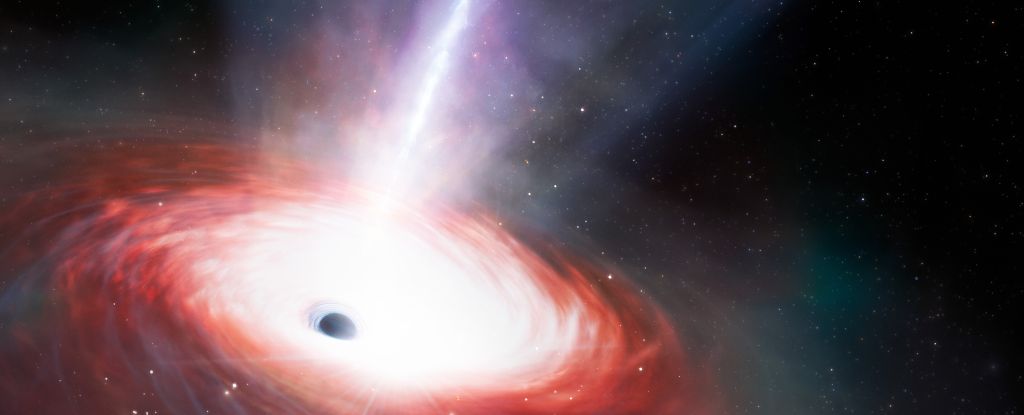
Sitting in the middle of a galaxy called LID-568, this black hole, as seen just 1.5 billion years after the Big Bang, appearing to guzzle down material at a jaw-dropping rate of over 40 times a theoretical maximum known as the Eddington limit.

A recent study demonstrates that oxygen may be produced without the need for life at depths where light cannot reach.
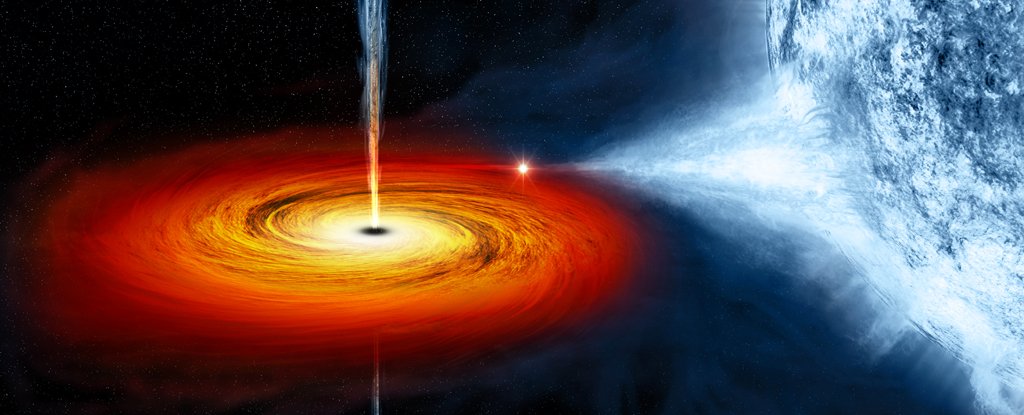
V4641 Sagittarii is a system about 20,000 light-years from Earth. Astronomers have now detected photons from V4641 Sagittarii carrying energies of up to a staggering 200 teraelectronvolts (TeV).
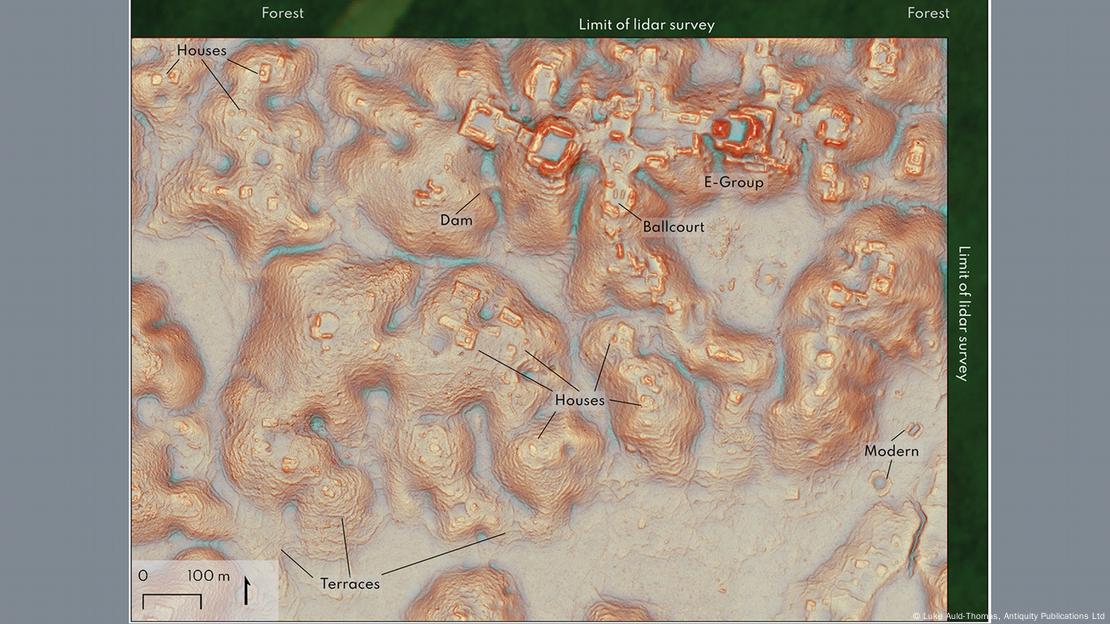
A huge ancient Mayan city that may have housed between 30,000 and 50,000 people at its peak between 750 and 850 AD was discovered in Mexico by accident thanks to Lidar technology.

Greenhouse gas levels surged to a new record in 2023, committing the planet to rising temperatures for many years to come. CO2 is accumulating in the atmosphere faster than any time experienced during human existence.

In 2022, U.S. high school students Calcea Johnson and Ne'Kiya Jackson astonished teachers when they discovered a new way to prove Pythagoras' theorem using trigonometry after entering a competition at their local high school.


