

Two teams built a time crystal, the first examples of a non-equilibrium form of matter.

Cheap natural gas could force the closure this year of the Navajo Generating Station near the Grand Canyon, dealing another blow to coal as a chief source of electricity in the U.S.

A very simple chemical analysis is being developed by NASA scientists that could someday be used by robotic missions on other worlds to detect alien biology.

More than 80 years after it was first predicted, physicists have created metallic hydrogen - a mysterious form of hydrogen that could be capable of superconducting electricity without resistance at room temperature.

The Irish parliament just passed a bill to fully divest their sovereign wealth fund from oil, gas, and coal.

On the first day of the new year, India’s capital city of Delhi issued a ban on all disposable forms of plastic.

Two infants diagnosed with an aggressive and previously incurable form of leukemia are now in remission, after British doctors say they cured the babies using so-called "designer cells".

Whether you live to work or work to live, we’re all going to see some noticeable changes to work in the near and distant future.

Japan Display officials said some smartphone makers have agreed to adopt the bendable LCD in the next few years. The company also hopes to sell the displays for other uses such as laptop computers and car dashboards.

A team of British and Czech researchers have announced that they've constructed and fired a 1000-watt "high peak power laser". This laser is reportedly ten times more powerful as any other of its kind.

There’s ‘Enhanced Autopilot’, which in itself offers several different features, and there’s ‘Full Self-Driving Capability’, which despite its name will not enable self-driving for a while, but could still be useful to Tesla drivers very soon.

Advanced photonic nanostructures are well on their way to revolutionizing quantum technology for quantum networks based on light. Researchers have now developed the first building blocks needed to construct complex quantum photonic circuits for quantum networks.

Solar Team Great Britain has created the UK’s first family-sized solar-powered car. The newly formed team has launched a Kickstarter campaign to help them build what it hopes will win the title as the world’s fastest solar-powered car.

Physicists have invented a tiny device that creates the highest quality holographic images ever achieved, opening the door to imaging technologies seen in science fiction movies.
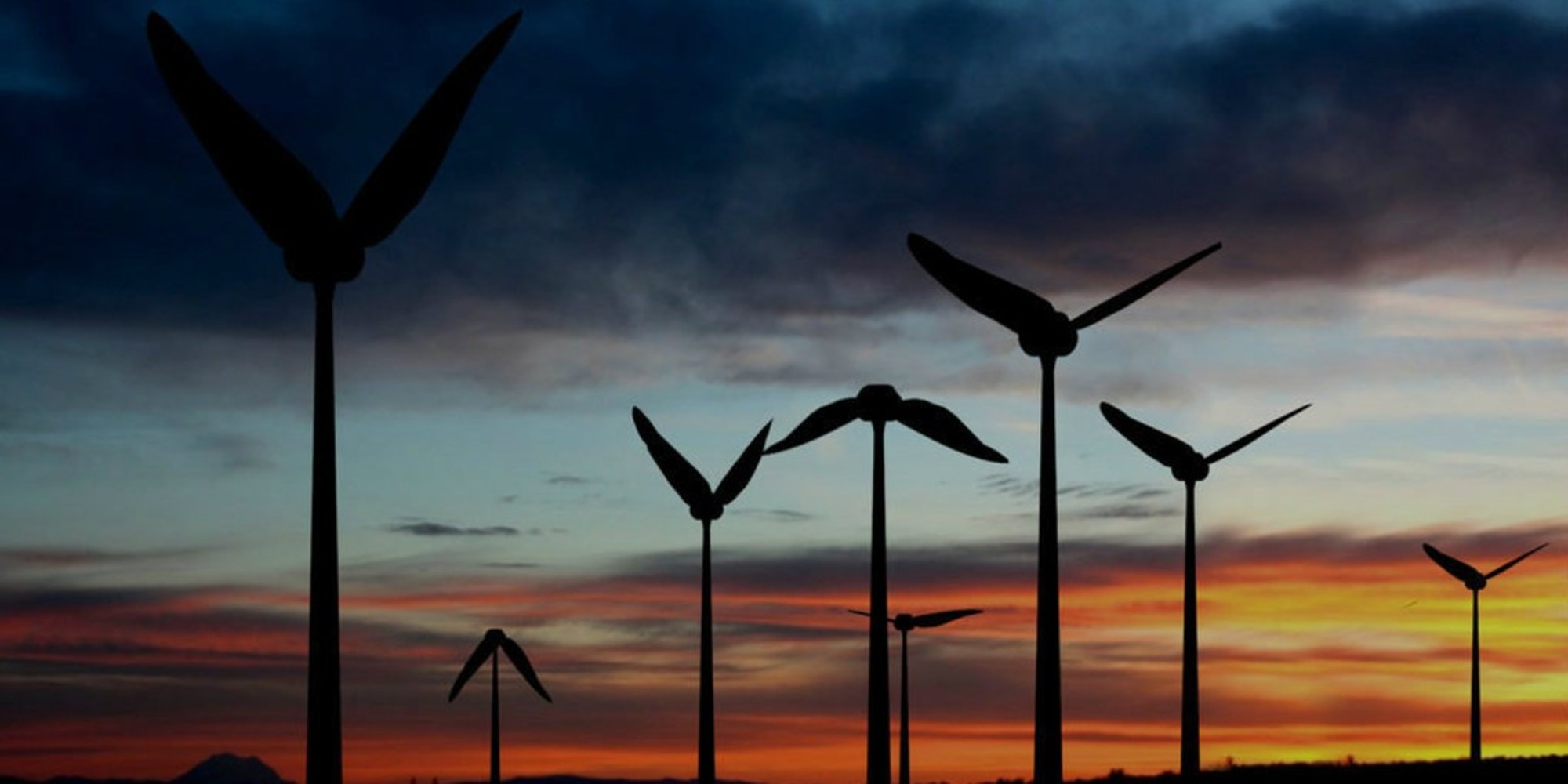
A unique biomimetic design could take wind power in a whole new direction, both for small-scale and large-scale renewable energy systems.


