

A heat wave is ravaging countries around the world. Although many celebrate sunny days, wildfires, wasted crops and health problems are some of the many disastrous consequences hot weather can have.

Thousands of miles of buried fiber optic cable in densely populated coastal regions of the USA may soon be inundated by rising seas, according to a new study.
A team of NYU scientists has captured on video a four-mile iceberg breaking away from a glacier in eastern Greenland. This phenomenon, known as "calving", is a force behind the rise of global sea water levels.
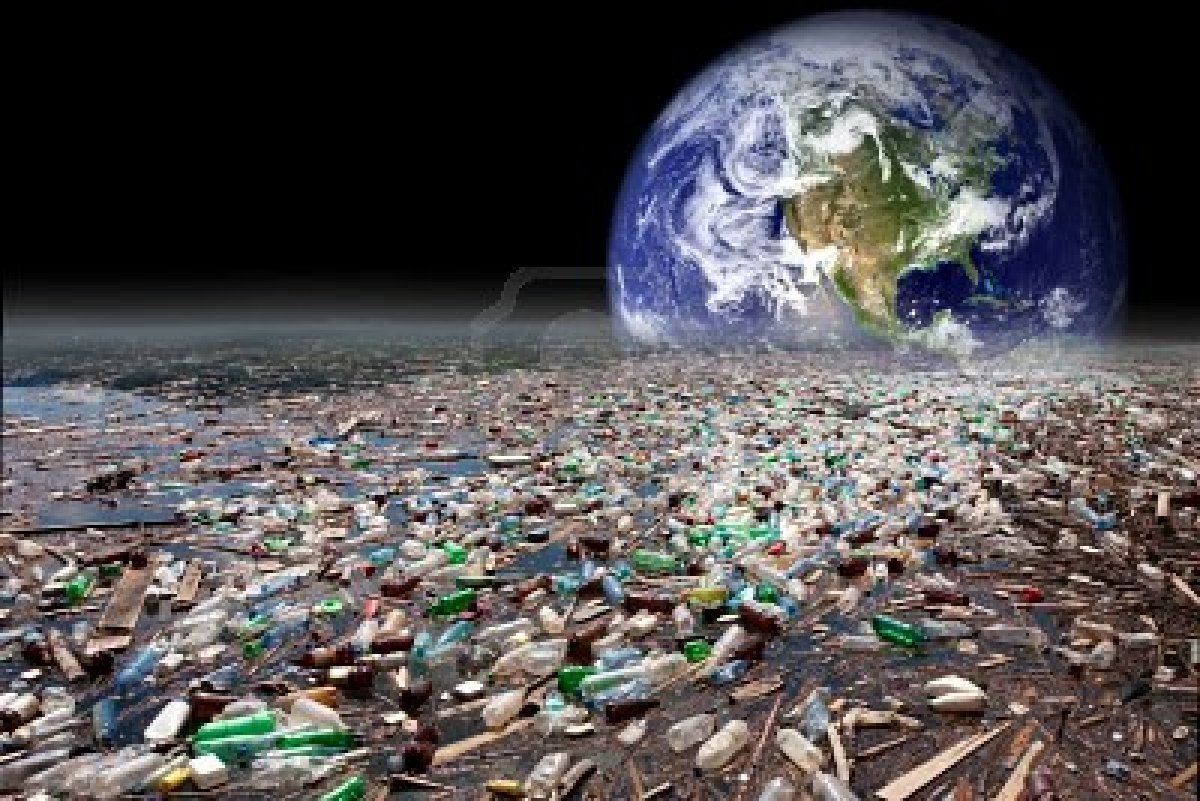
A study found flooding from rising sea levels could cost $14 trillion worldwide annually by 2100, if the target of holding global temperatures below 2ºC above pre-industrial levels is missed.

Rhode Island has become the first US state to sue a group of oil companies over their role in causing dangerous climate change.

New data shows that over 15.8 million hectares (39 million acres) – an area the size of Bangladesh – of tree cover was lost in the tropics during 2017.

Researchers may have found the reason for the rise in levels of CFCs in the atmosphere: factories in China that produce foam for refrigerators and buildings.

The environmental audit committee in UK will investigate the social and environment impact of this type of short-lived clothing and the wider industry.

Mass losses of the Antarctica have increased global sea level by 7.6 mm since 1992, with 40% of this rise coming in the last five years alone. In West Antarctica, mass losses today amount to about 160 billion tons per year.

The deaths of the majority of the oldest and largest African baobabs over the past 12 years is an event of an unprecedented magnitude.

The findings from a major international climate assessment show Ice losses from Antarctica have increased global sea levels by 7.6 mm since 1992, with two fifths of this rise (3.0 mm) coming in the last five years alone.

During a two-day conference in Vatican City, Pope Francis took oil company executives to task and called for clean power as climate change continues to threaten people and the environment.

According to the latest study by the Norwegian researchers - Seoul (South Korea), Guangzhou (China) and New York City leads the world in its global carbon footprint.

Besides having a disastrous impact on sea levels and weather, a warming climate could also trigger catastrophic volcanic eruptions across the planet.
Reports have emerged of multiple fatalities in the wake of an eruption of the Fuego volcano in Guatemala. Plumes of black smoke have forced evacuations and the closure of the country’s international airport.


