

The global comprehensive tourism footprint is about four times greater than previous estimates, is growing faster than international trade and is already responsible for almost a tenth of global greenhouse emissions.

Smartphones, laptops, and electric car batteries rely on cobalt, most of which comes from Congolese mines that employ children.

Wet wipes are accumulating on the river beds and changing the course of rivers. They are made up cotton and plastic woven together and are non-biodegradable products that pollute the environment very severely.

Pakistan hit 122.3 degrees Fahrenheit (50.2 C) this week, marking the highest temperature recorded for the month of April - ever. The Pakistan Meteorological Department confirmed the recording.
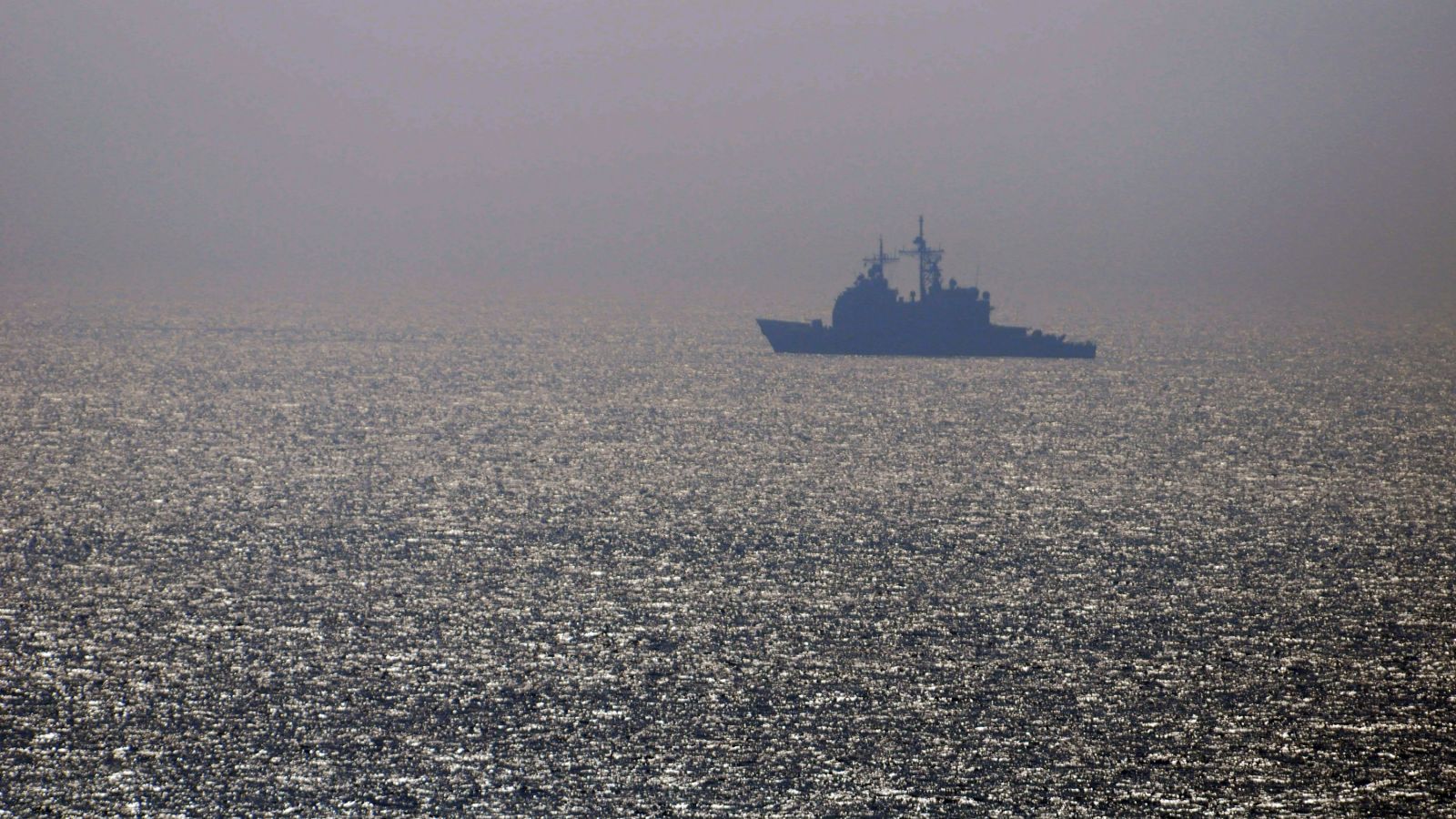
New research has uncovered a “dramatic increase” in the size of the Gulf of Oman’s oxygen minimum zone, an observation that heralds bad news for the region’s aquatic life and possibly our atmosphere in general.

These thousands of tiny islands scattered throughout the Pacific, which are home to more than 50,000 people, are at severe risk due to sea level rise and, as a new study details, wave-driven flooding.

Several Colorado communities have now joined the growing wave of municipalities taking legal action against fossil fuel companies and seeking compensation for the impacts of climate change.

In a notably blunt study in the journal Nature scientists report that in 2016 alone, about 30 percent of the Great Barrier Reef’s corals were lost, with the most severe damage in the isolated northern sector.

Two new studies have found that the system of currents in the Atlantic Ocean is exceptionally weak — and its strength, or lack thereof, could have serious ramifications for the global climate.

Researchers have published a new study that reveals increased risks for Alzheimer

The Dark Zone is a stripe of fast-melting ice towards the south-west of the ice sheet. This speedy melting is actually bad news for the planet, especially the areas bound to be affected by a sea level rise.

Each year, farmers in the U.S. purchase tens of millions of pounds of antibiotics that are approved for use in cows, pigs, fowl and other livestock.

Ubiquitous images of many animals are leading us to believe that some of the world's most endangered species are thriving in the wild.

So far, the Antarctic was seen as relatively stable. But a new study suggests that climate change is affecting the polar region on a much larger scale than previously believed.

The study showed that more than 200 cases of infections with antibiotic-resistant bacteria known as carbapenem-resistant Enterobacteriaceae, have been recorded and identified in 27 US states.


