

Two giant clusters of galaxies observed in the process of colliding are going so hard that their dark matter has basically detached from normal matter and flown ahead.
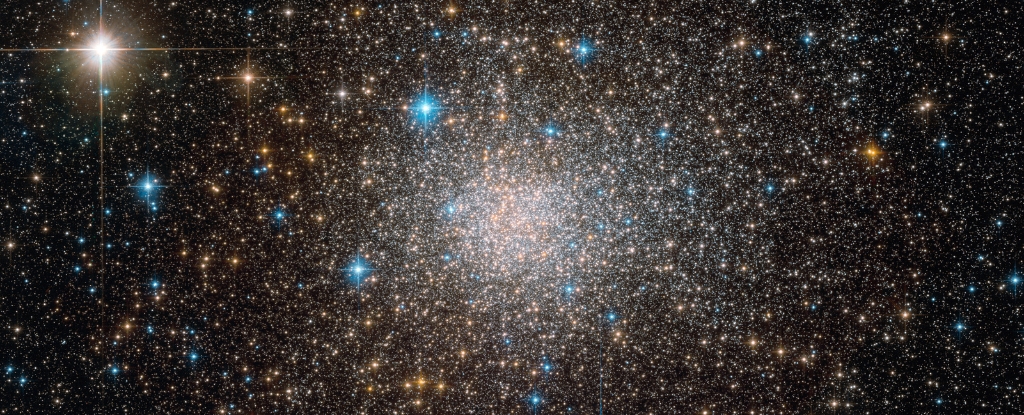
Terzan 5 star cluster is a copious producer of cosmic rays, because it contains a large population of rapidly rotating, incredibly dense and magnetised millisecond pulsars – which accelerate cosmic rays up to extremely high speeds.

New data about the Martian crust gathered by NASA's InSight lander allowed geophysicists to estimate that the amount of groundwater could cover the entire planet to a depth of between 1 and 2 km.
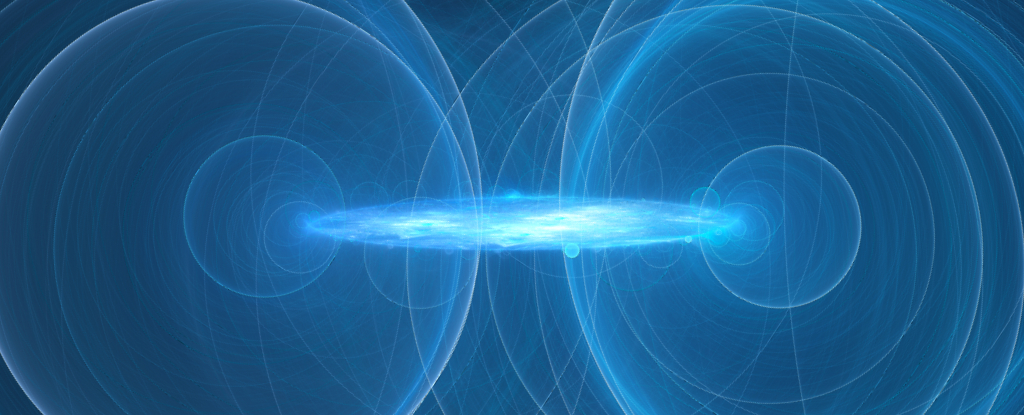
Something is making the fabric of our Universe grow at an ever-accelerating rate, and scientists are truly stumped on what it could be.

The European Space Agency's Gaia mission spotted hundreds of potential moons, orbiting around more than 350 previously unknown asteroids lurking within the solar system.

Chinese scientists explain how entangled photons emitted by carbon-hydrogen bonds in nerve cell insulation could synchronize activity within the brain.

Below the Earth's crust is our planet's thickest layer, the mantle, which influences many processes - such as volcanism, crust formation, and its magnetic field.

Venus and Earth seem like twins who, through dramatically different circumstances and choices, ended up leading dramatically different lives.
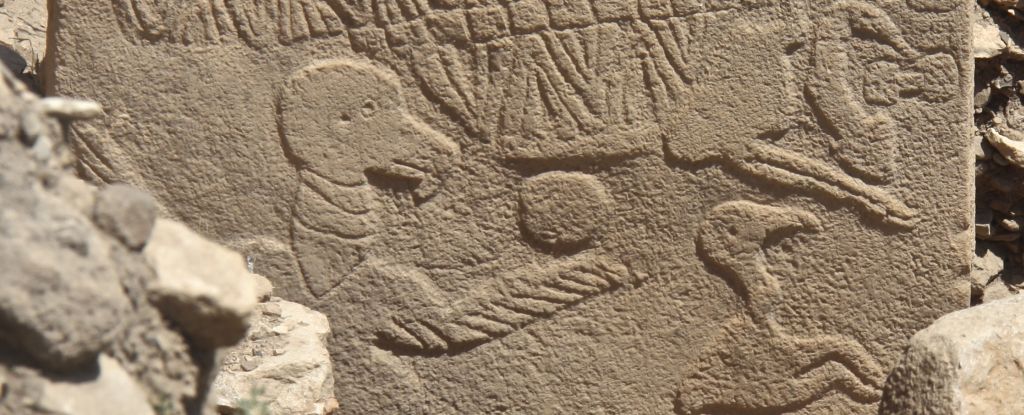
The ancient monument of Göbekli Tepe in Türkiye is truly one of the most magnificent ancient marvels on our planet. The temple complex that thrived as a cultural epicenter more than 10,000 years ago is the oldest monument of its kind.

Andean tropical glaciers are retreating at an unprecedented rate, exposing ice-free areas not seen for 11,700 years since the Holocene epoch began. This phenomenon highlights the significant regional impacts of human-induced climate change.
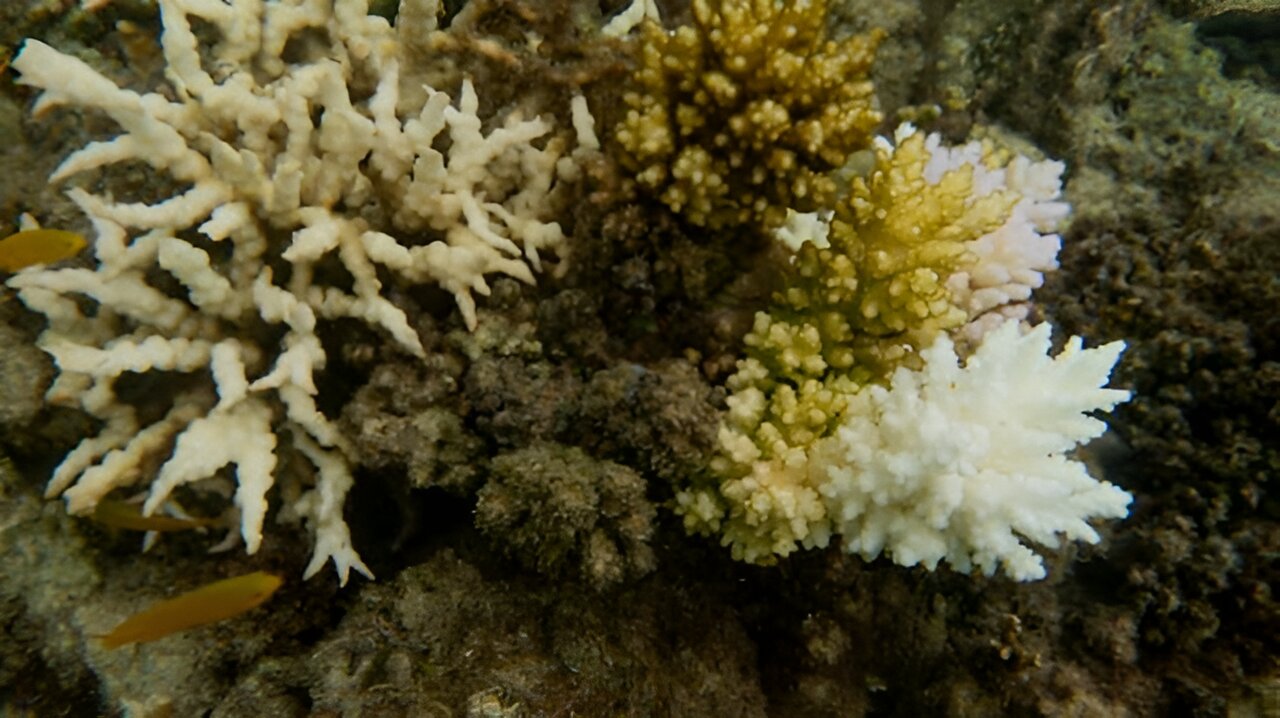
The results are sobering confirmation that global warming will continue to damage the Great Barrier Reef. If humanity does not divert from its current course, our generation will likely witness the demise of one of Earth's great natural wonders.
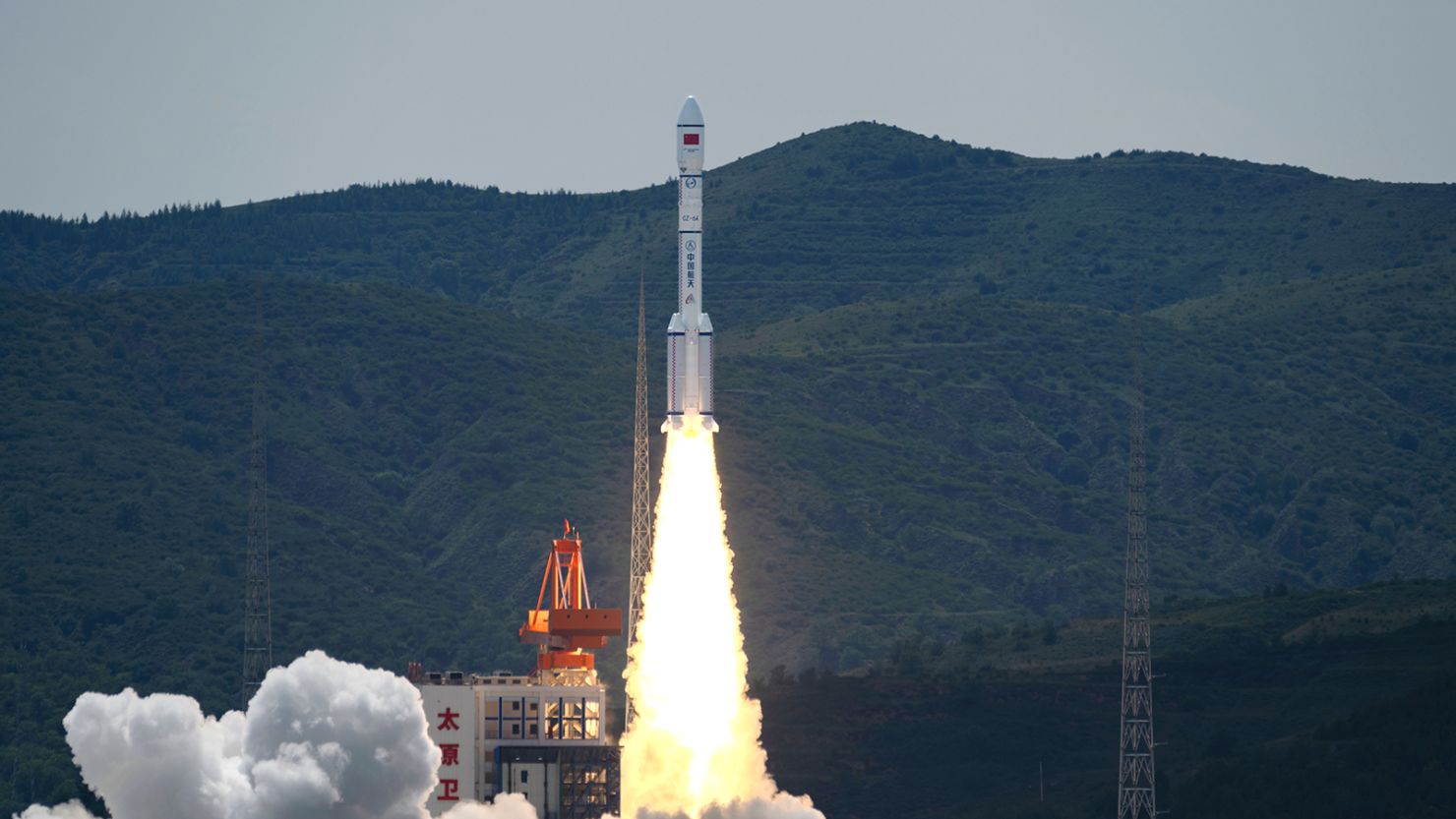
By 2025, China is aiming to deploy 648 satellites of the "Thousand Sails Constellation" to create global internet coverage, according to state media CCTV.
Although our Universe may seem stable, having existed for a whopping 13.7 billion years, several experiments suggest that it is at risk - walking on the edge of a very dangerous cliff.

Canadian scientists have created a super-black substance that has the potential to be cheaper, hardier and easier to manufacture … and it's made out of wood. Trademarked as Nxylon the material reflect less than 1% of visible light.

Chinese researchers have recently discovered a naturally occurring few-layer graphene for the first time in the lunar samples brought back by Chang’e-5 probe, which provides new insights into the Moon’s geology.


