
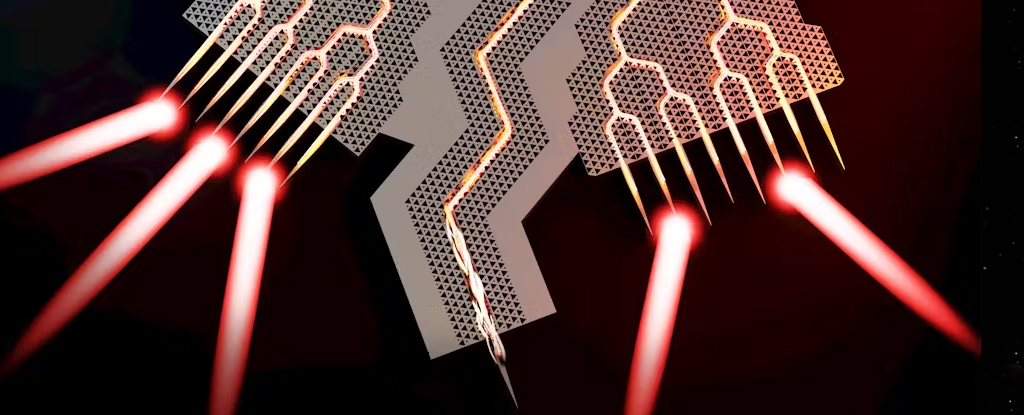
Imagine a future where internet connections are not only lightning-fast but also remarkably reliable, even in crowded spaces.
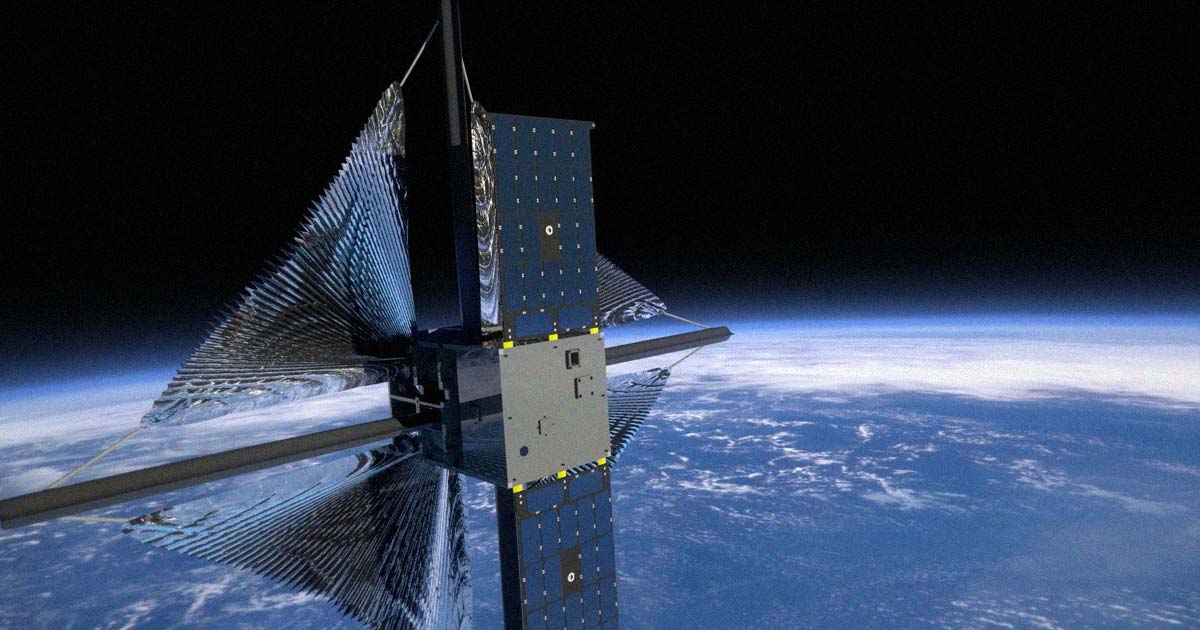
A solar sail is designed to capture the tiny amounts of radiation pressure exerted by sunlight to propel a spacecraft to incredible speeds.
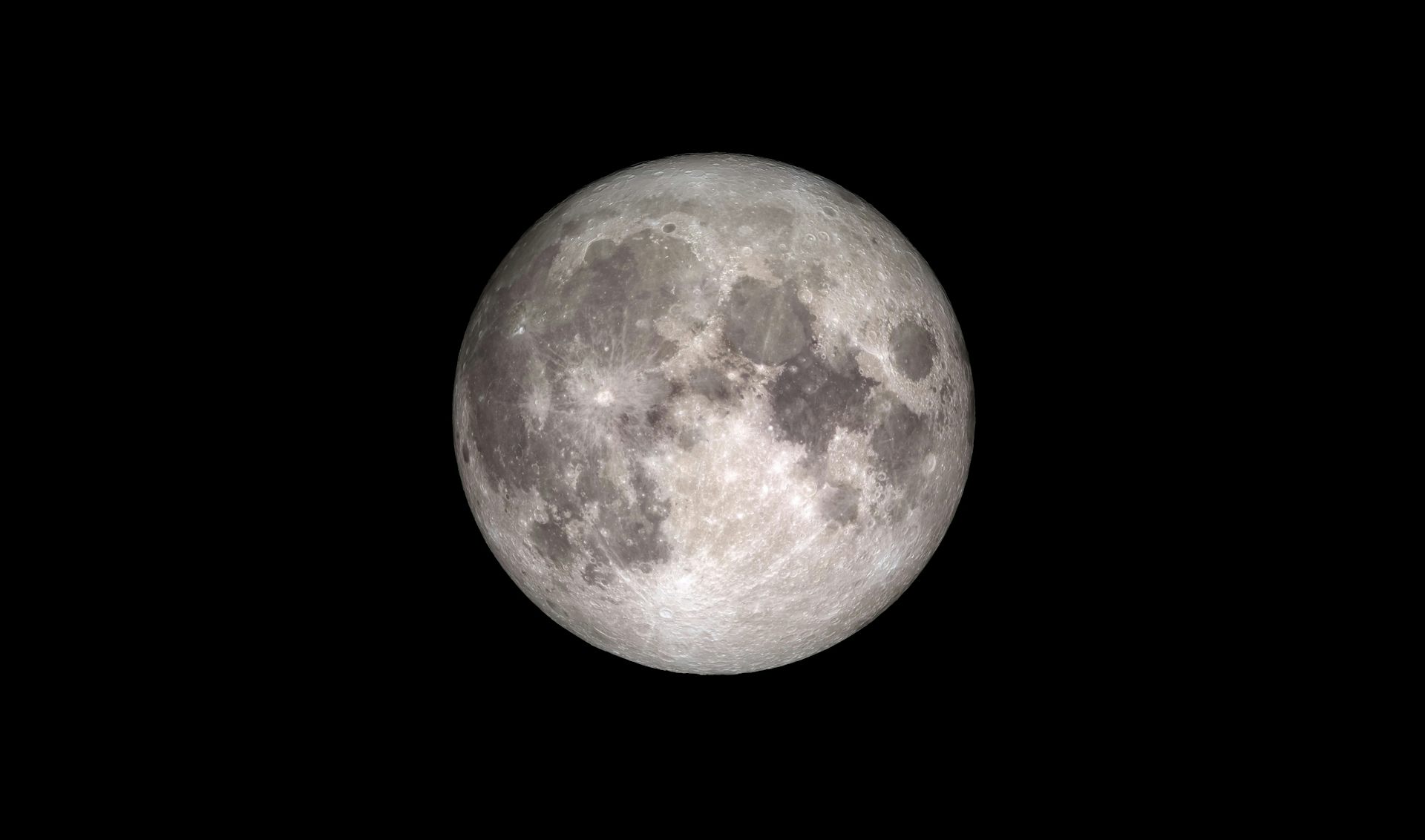
Volcanoes were erupting on the Moon as recently as 120 million years ago, evidence collected by a Chinese spacecraft suggests.
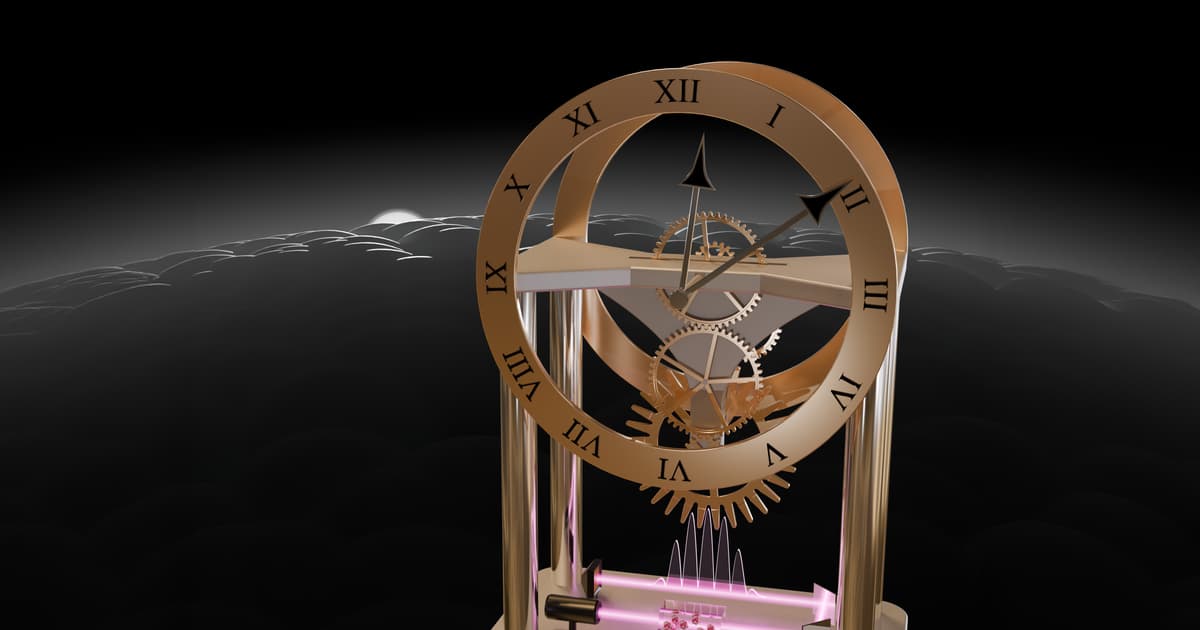
Atomic clocks are the most accurate timekeepers we have, losing only seconds across billions of years. But apparently that's not accurate enough - nuclear clocks could steal their thunder, speeding up GPS and the internet.
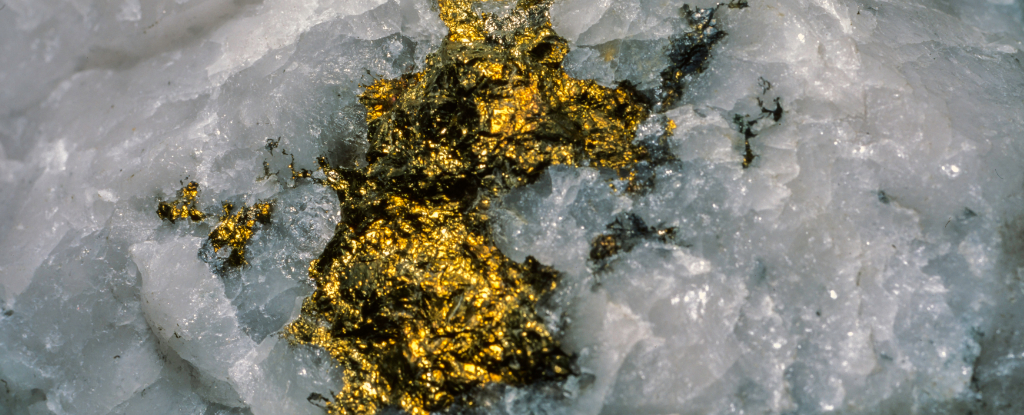
New findings by scientists in Australia could challenge what we thought we knew about the way gold nuggets bloom in vast reefs beneath our feet.

Too much background noise about UFOs can get in the way of legitimate science communication about the possibility of finding microbial extraterrestrial life. Astrobiology, the science dealing with such matters, has a far less effective publicity machine than UFOlogy.
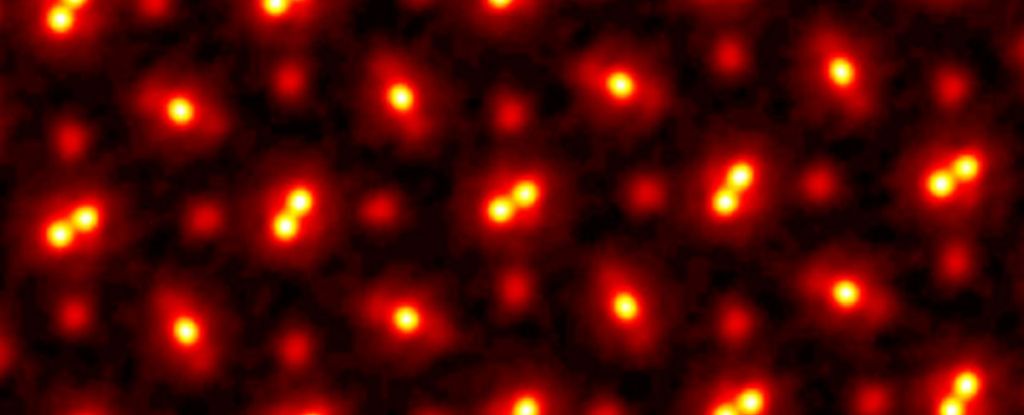
The image was made back in 2021 and those dots are the atoms in the crystal lattice of a piece of praseodymium orthoscandate (PrScO3), at a magnification of 100 million.

A new research has detailed the rate at which Siberia's massive Batagaika crater is devouring the surface of the Earth. Its rapid expansion is now fueled by warming air temperatures.

Look hard enough at the roiling mist of gas and starlight that is our galaxy, and you'll find traces of a violent upbringing.

In an incredibly inhospitable lake, scientists have discovered a new tiny species that forms huge colonies.
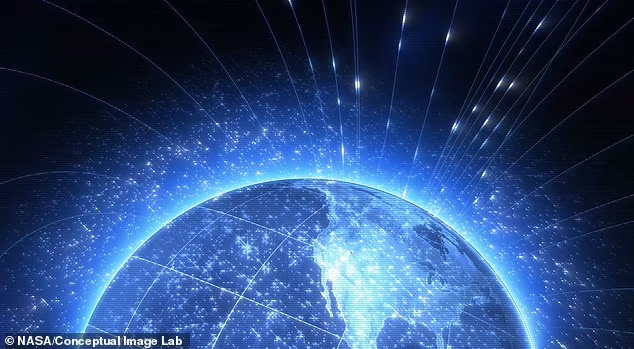
An international team of scientists has successfully measured a planet-wide electric field thought to be as fundamental to Earth as its gravity and magnetic fields.

A team of astronomers working with the James Webb Space Telescope (JWST) has detected six new ‘rogue planets,’ a discovery that could help us learn more about how stars and planets form.
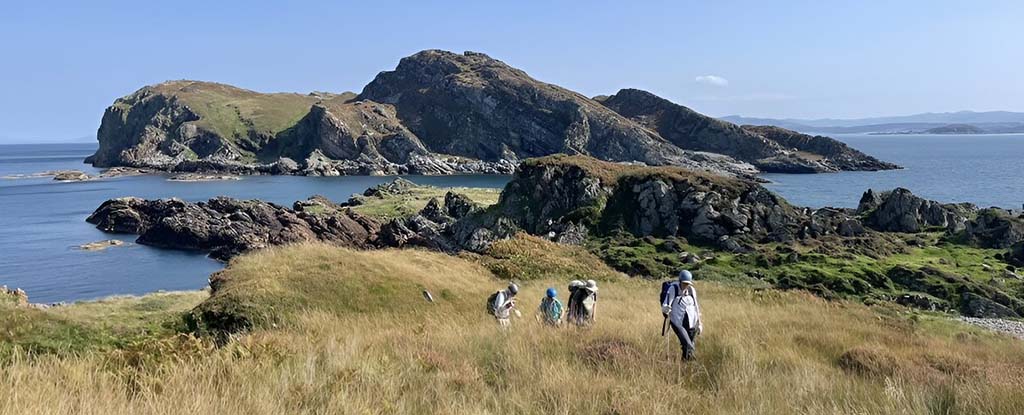
Now, scientists have discovered evidence of Earth's transition from a tropical underwater world, writhing with photosynthetic bacteria, to a frozen wasteland – all preserved within the layers of giant rocks in a chain of Scottish and Irish islands.

A persistent, nagging problem with the expansion speed of the Universe may not require a rewrite of everything we know about physics.

Researchers at Sakana.AI, a Tokyo-based company, have worked on developing a large language model (LLM) designed specifically for scientific research.


