
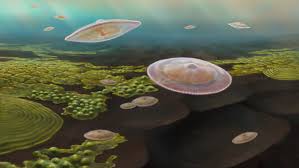
Fossilized skeletons and shells clearly show how evolution and extinction unfolded over the past half a billion years, but a new analysis extends the chart of life to nearly 2 billion years ago.
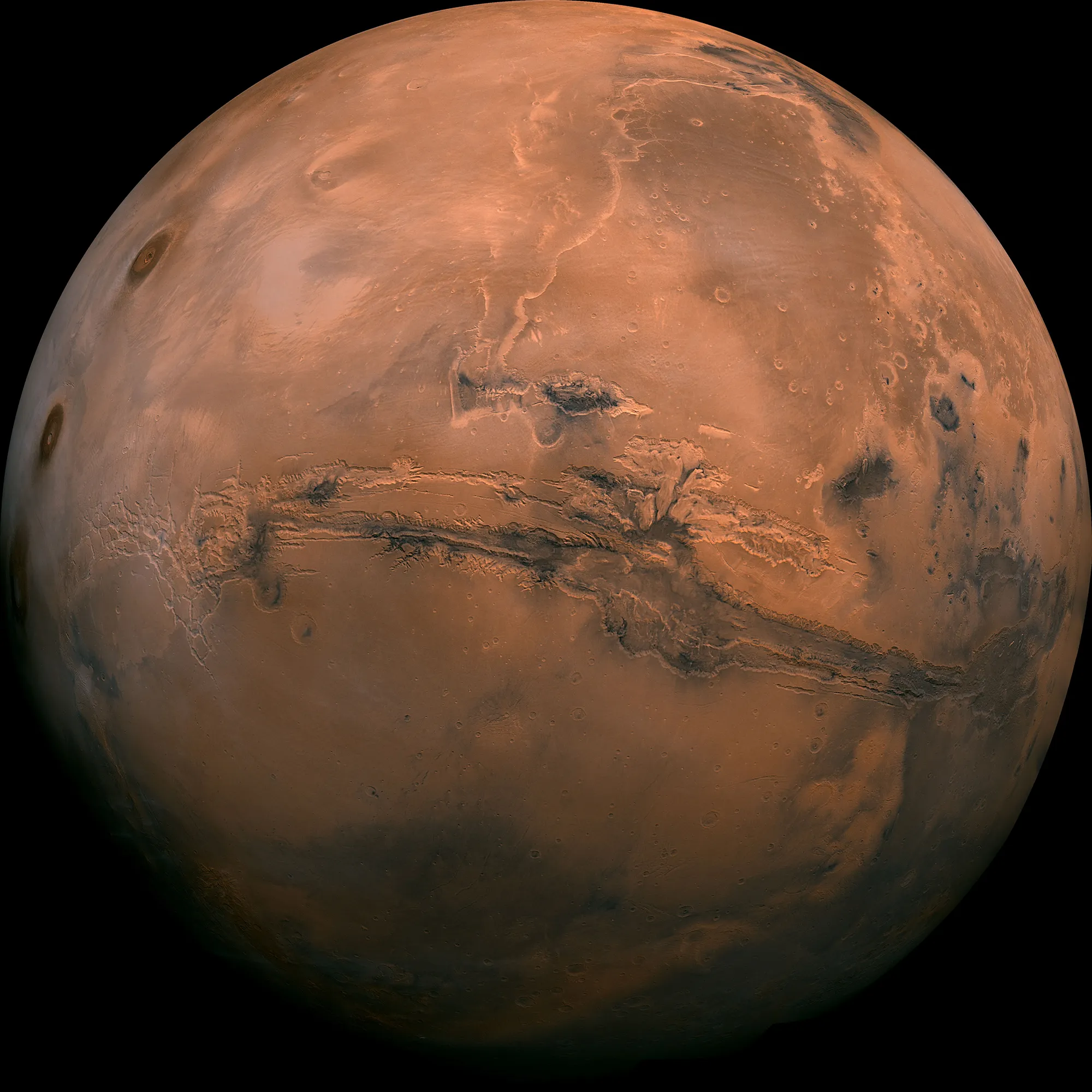
The research suggests that the thick crust of Mars' southern highlands formed billions of years ago generated granitic magmas and sustained vast underground aquifers.
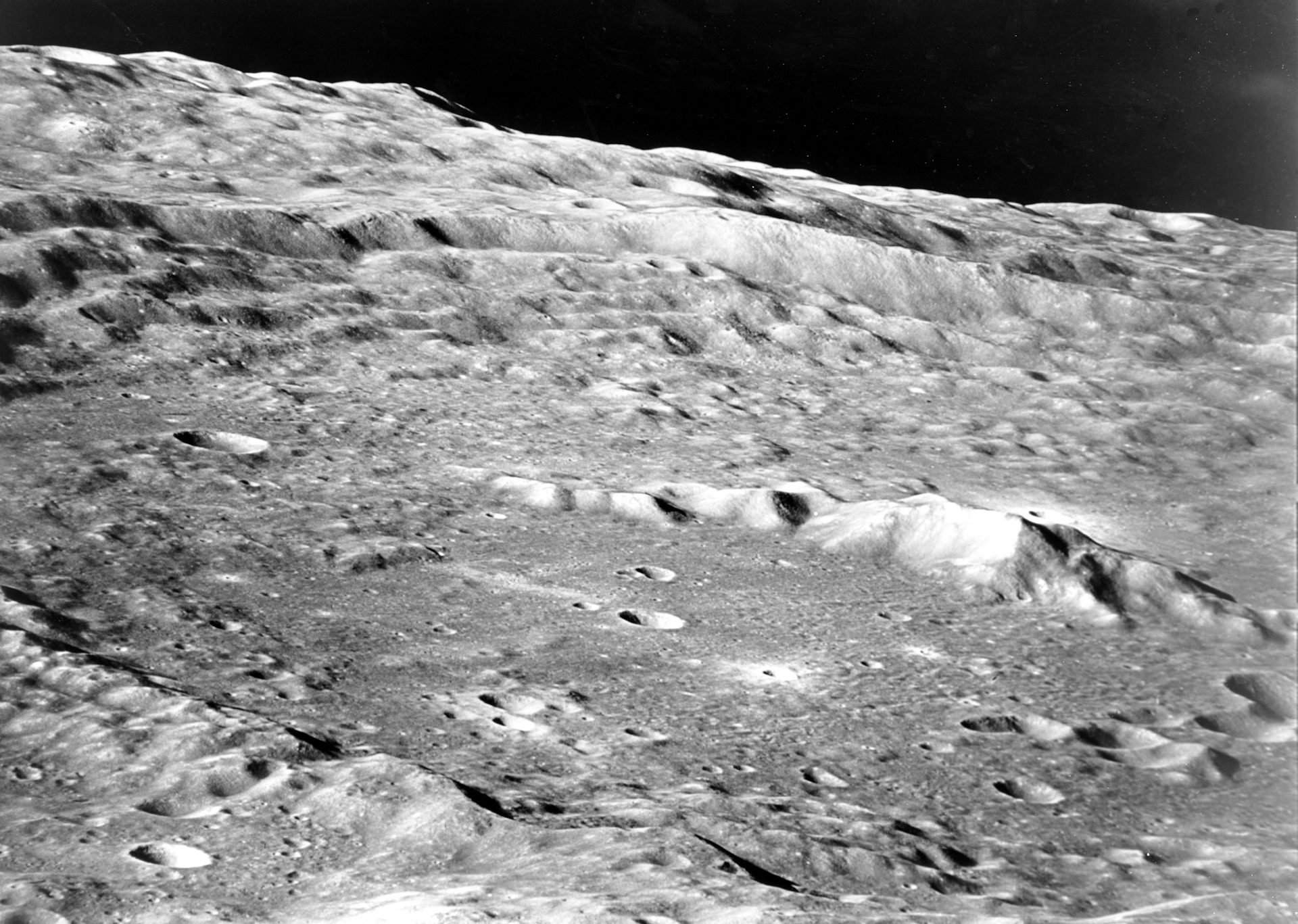
An extreme heating event may have interfered with scientists' attempts to figure out the Moon's age by dating lunar rock samples.
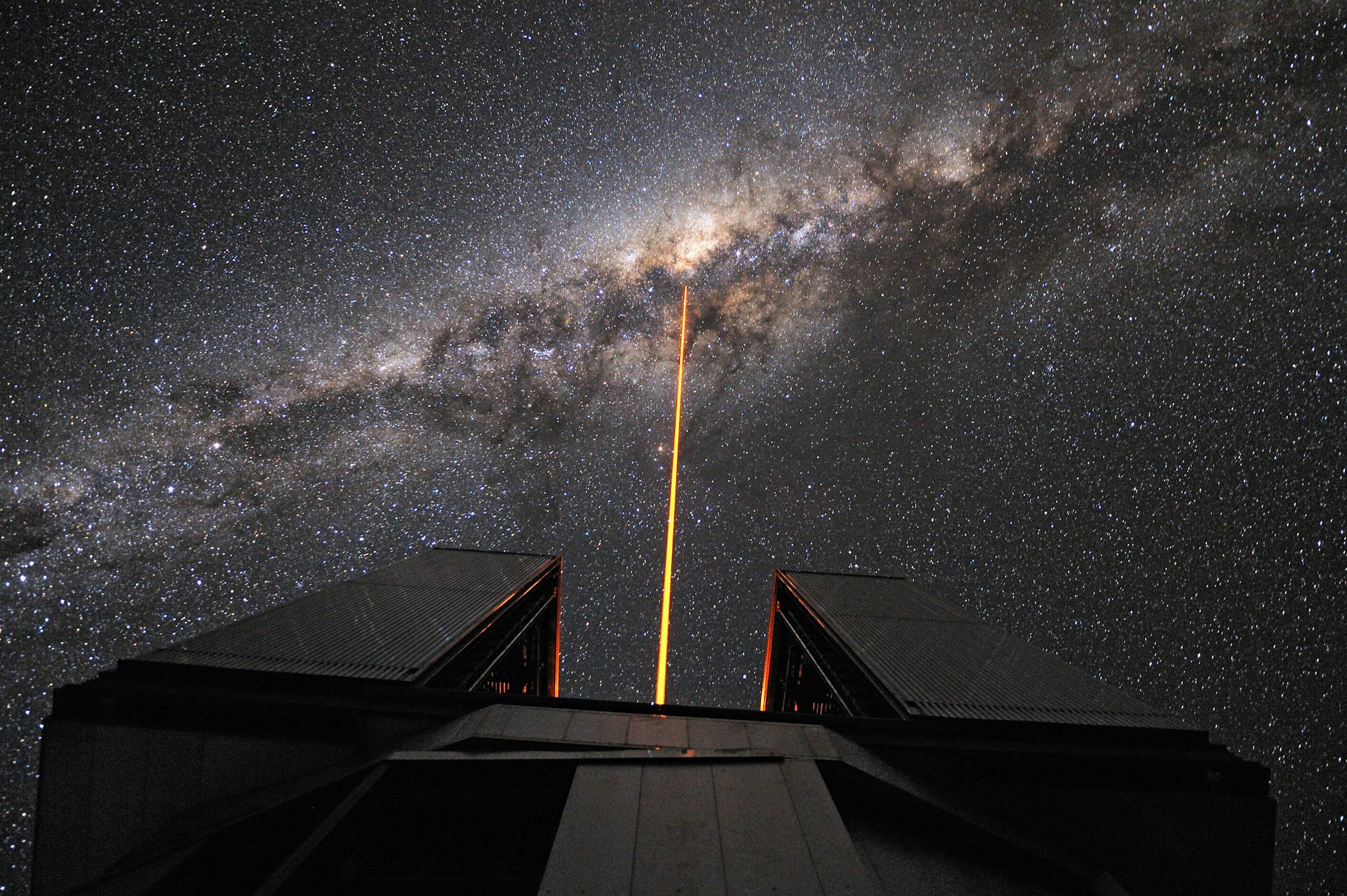
The discovery helps explain a long-running cosmic mystery about why some stars hurtle through space much faster than others.

Saturn’s icy rings could be much older than they appear due to their resistance to pollution from impacts with rocky debris.
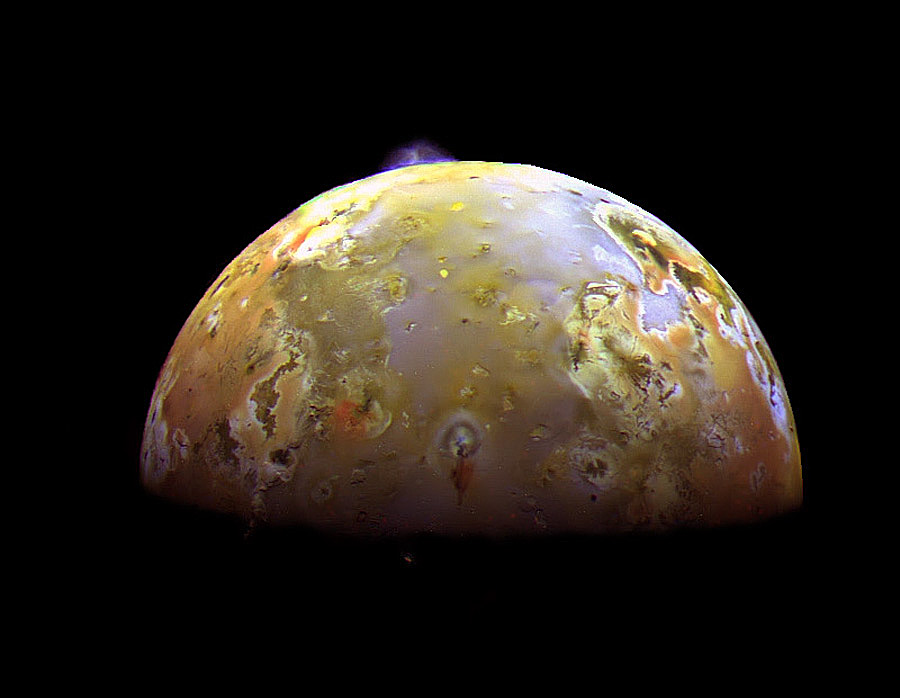
Io does not have a shallow global magma ocean beneath its surface, counter to previous claims, suggests a paper published in Nature.
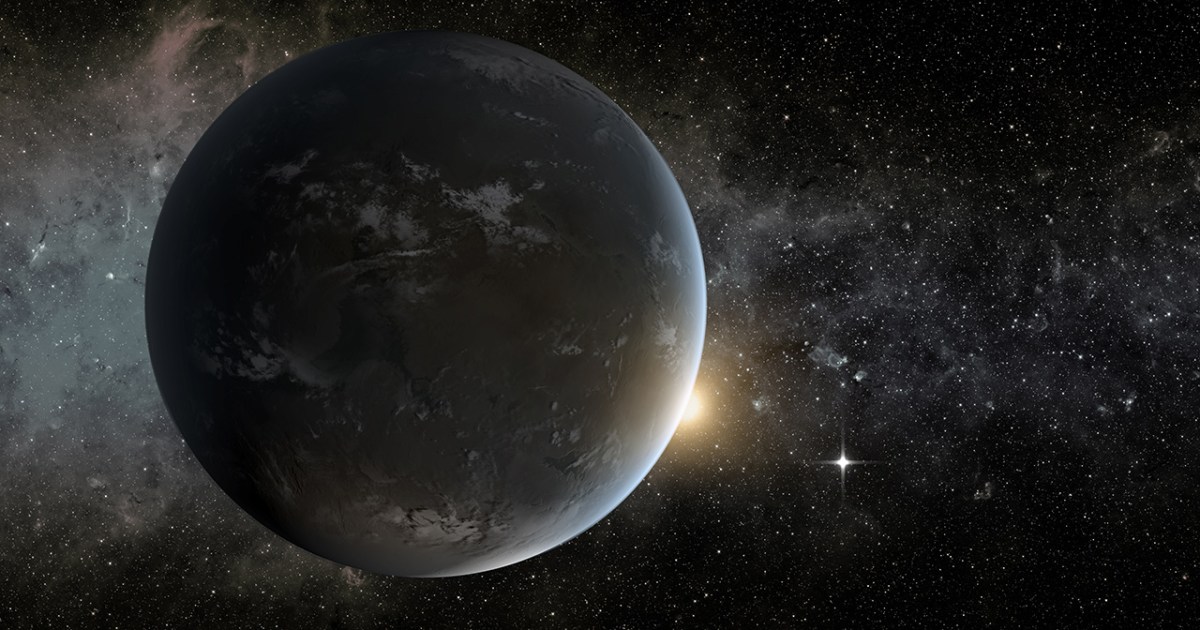
Data from 2023 soured hopes that a nearby exoplanet had a habitable atmosphere. That disappointment might have been premature.

We focus on planets as habitats for life but what if other environments, even ones maintained by organisms themselves, can also provide these necessities?
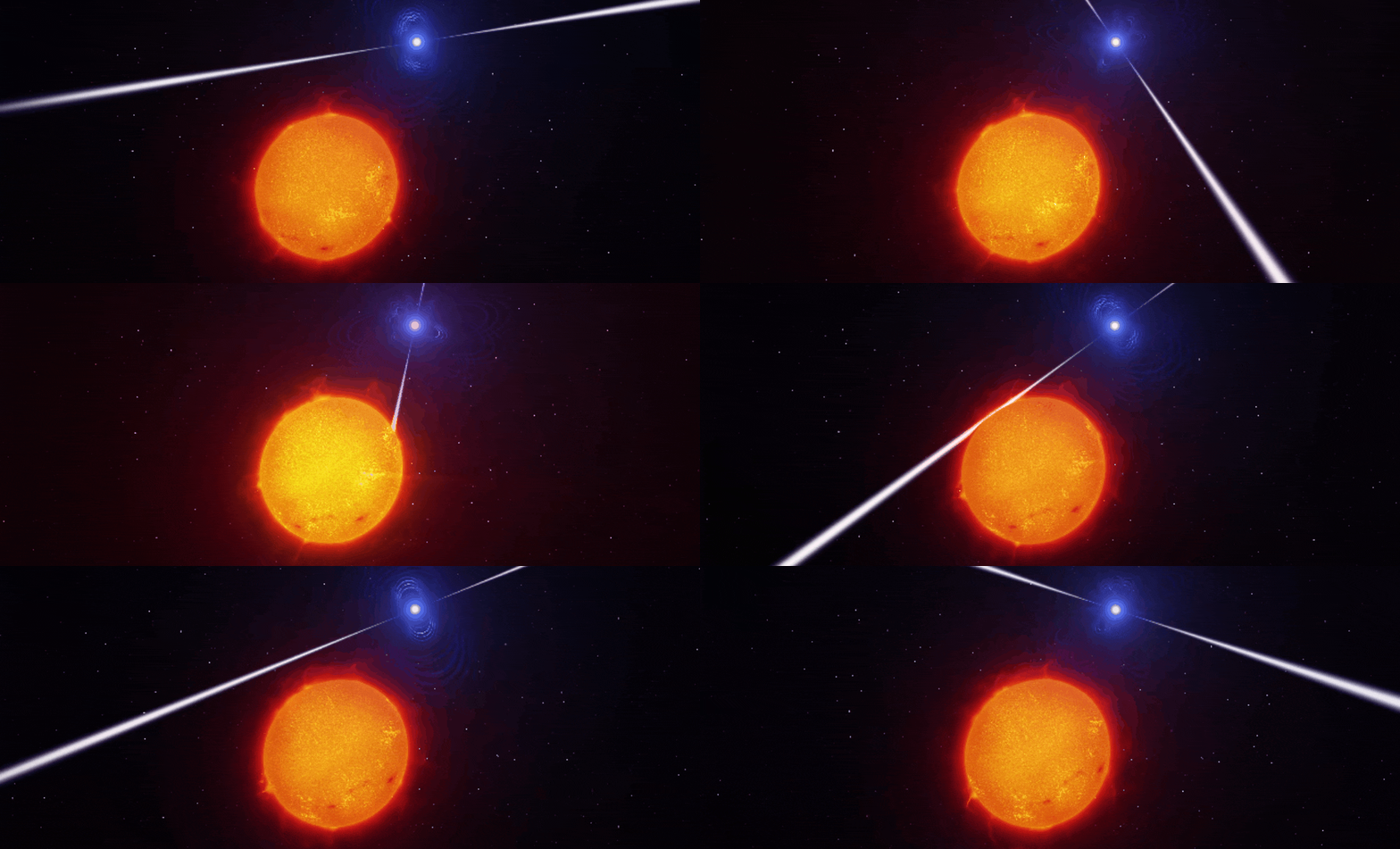
A few years ago, a radio telescope operating out of the desert of Western Australia observed something very weird.

In case dark matter didn't seem mysterious enough, a new study proposes that it could have arisen before the Big Bang.

The first dead elephants were discovered in May 2020. By July of that year, over 350 of the endangered animals had been found strewn lifeless across a remote region of Botswana.

A new analysis of the eruption rates of 56,400 Sun-like stars has estimated that the Sun's superflare rate is at the low end of that scale – once every 100 years.

A league of scientists are calling for a critical discussion on the dangers of life forms made up of 'mirror-image molecules', because of the significant risks these creations may pose to global health.
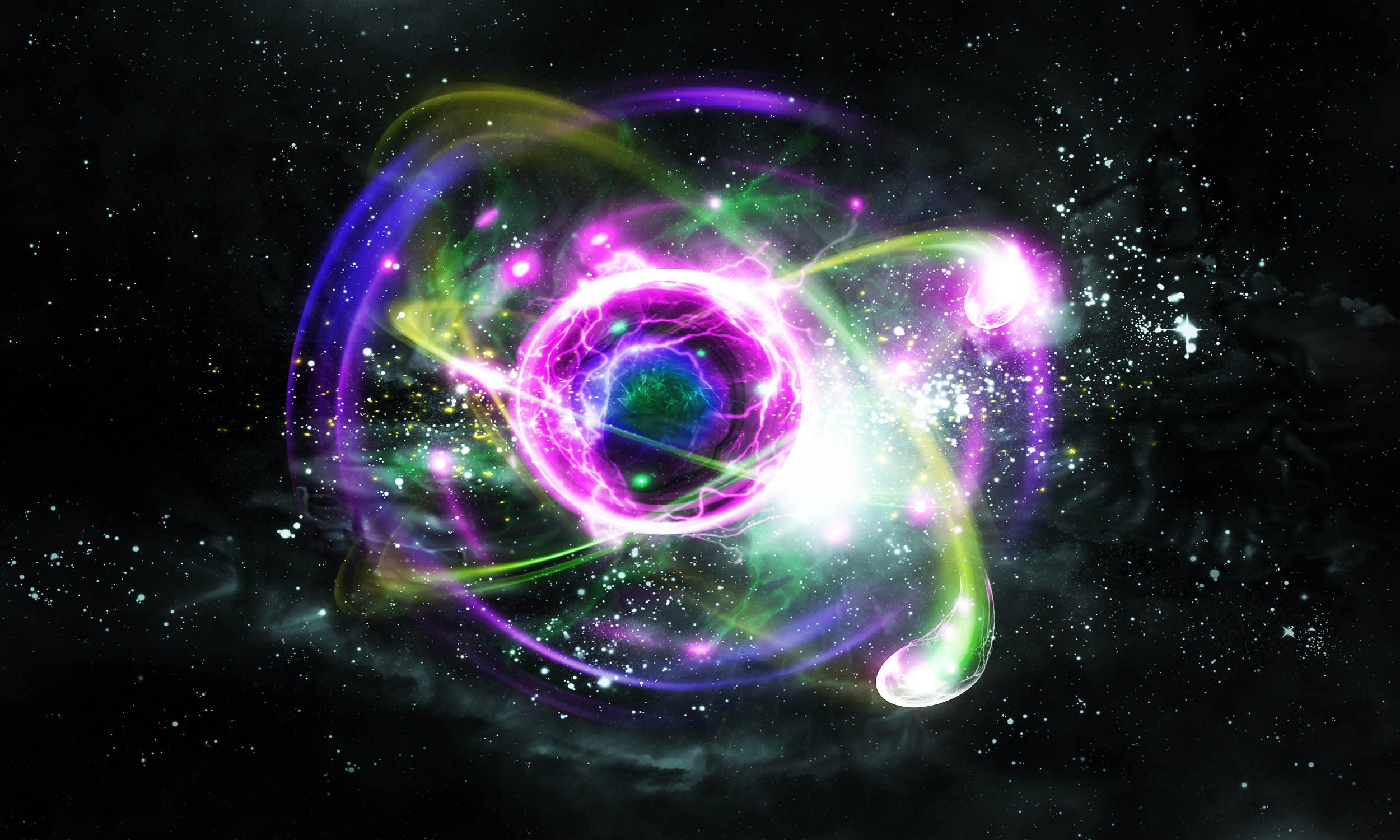
For the first time, researchers observed a type of quasiparticle that behaves in an unusual way. It only has mass moving in one direction.

Astronomers made a photo of a colossal belch – a gamma-ray eruption from one of the powerful jets of plasma launched from the black hole's poles as it feeds.


