

A male humpback whale that traveled three oceans, during the years 2013 to 2022. This whale has now broken the record for the longest documented distance yet traveled by a humpback. The animal undertook a journey of 12,875 km.

The review takes a close look the final flight of the agency’s Ingenuity Mars Helicopter, which was the first aircraft to fly on another world.
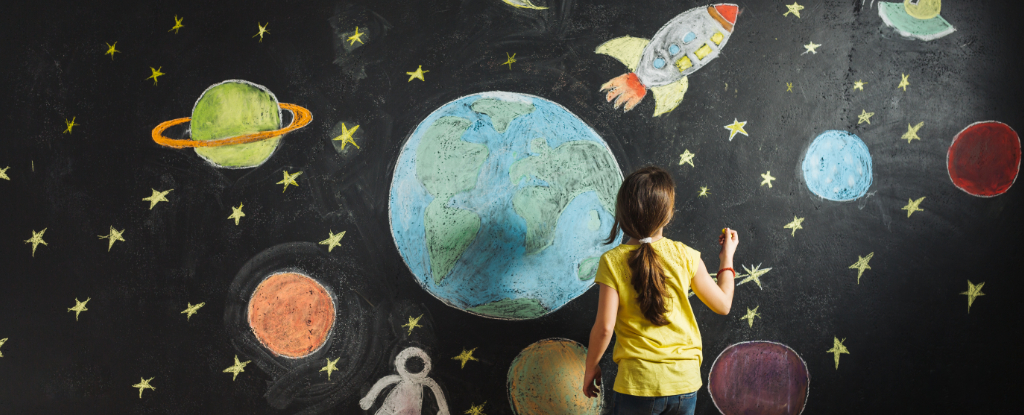
Signed exactly 76 years ago today, the Universal Declaration of Human Rights is the world's most translated document. But few know that among the many social and political freedoms defined by the declaration is a human right to science.
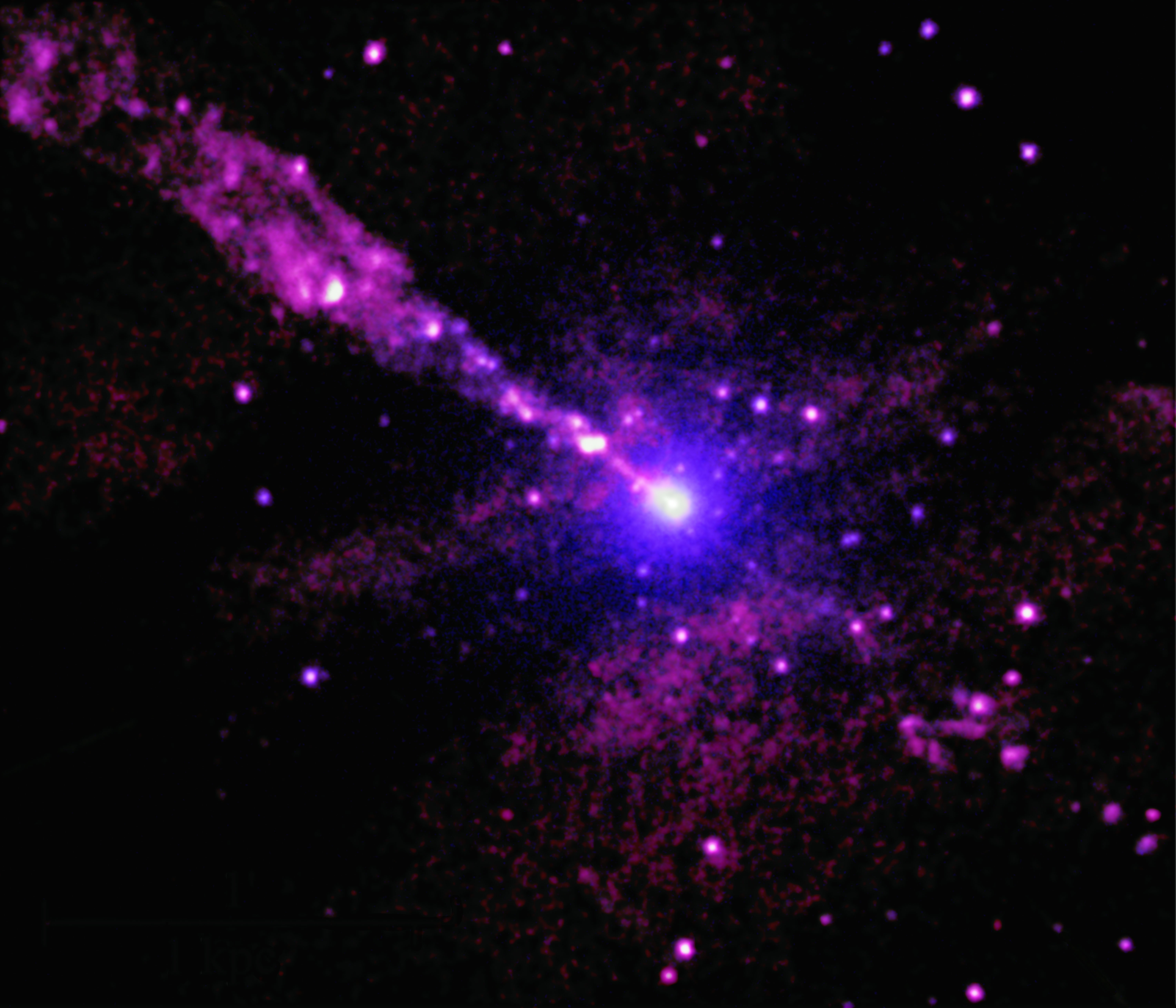
Using NASA’s Chandra X-ray Observatory, astronomers have found an unusual mark from a giant black hole’s powerful jet striking an unidentified object in its path.
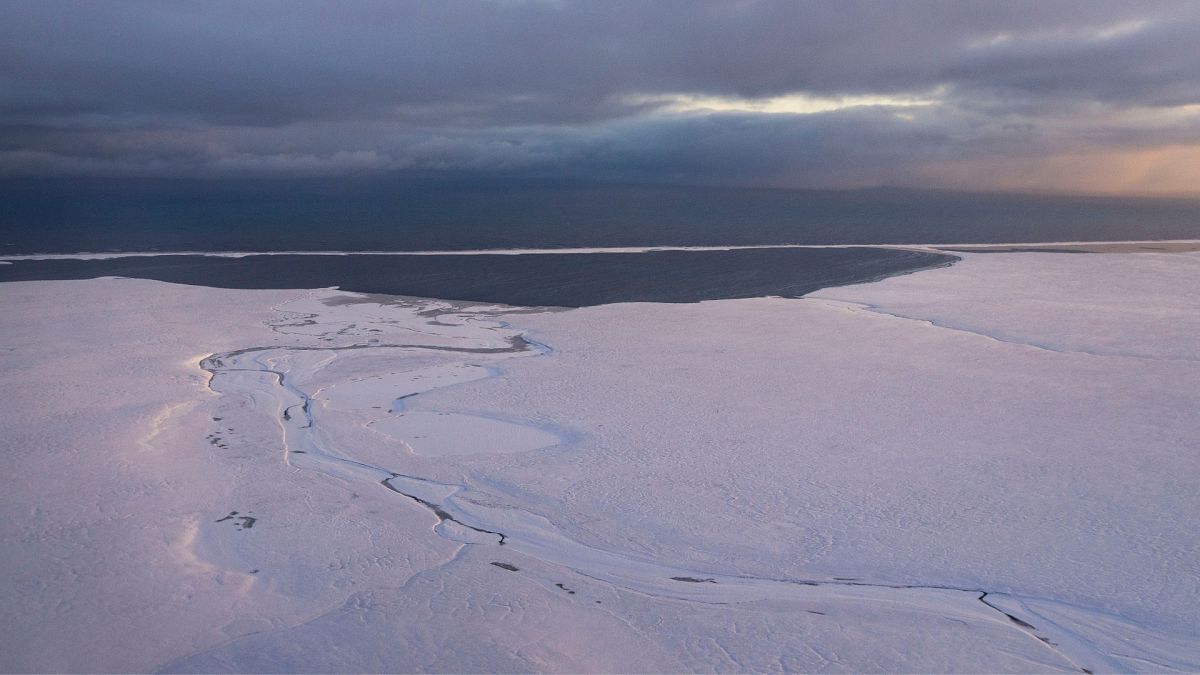
Dramatic changes in the Arctic are being driven by high temperatures and intense wildfires. After storing carbon dioxide for millennia in frozen soil, the Arctic tundra has now become a source of emissions.
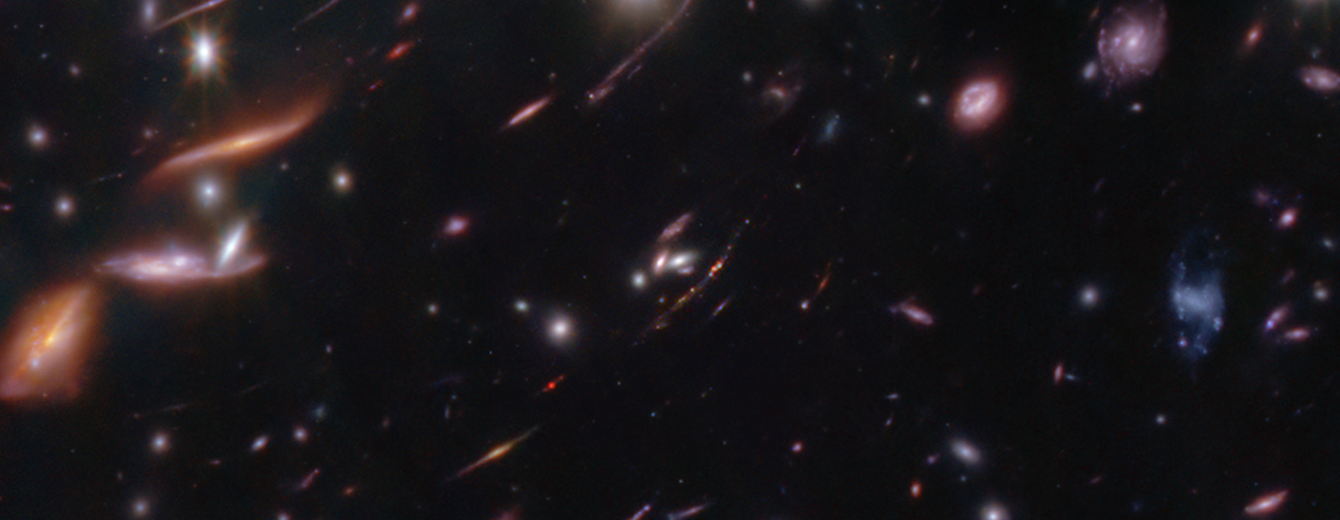
For the first time, NASA's James Webb Space Telescope has detected and "weighed" a galaxy that not only existed around 600 million years after the big bang, but is also similar to what our Milky Way.

An object up to dozens of times the mass of Jupiter flying through our solar system may have disrupted planetary orbits.

Scientists know the Universe is expanding because they can track other galaxies as they move away from ours. They define expansion using the rate that other galaxies move away from us.
Google’s latest quantum computer chip, which the team dubbed Willow, has ignited a heated debate in the scientific community over the existence of parallel universes.

Dark comets are objects that looks like asteroids but acts like comets. Now, new research has doubled the number of known dark comets and grouped them into two distinct populations.
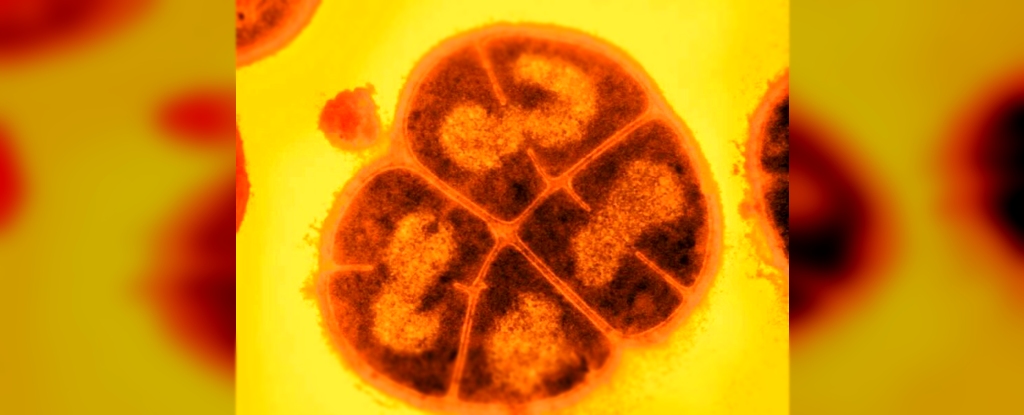
Capable of handling extreme cold, acid, and dehydration, the microbe Deinococcus radiodurans handles doses of radiation that would kill a human tens of thousands of times over.

Americans, especially those born between 1966 and 1986 (largely so-called generation X), have probably suffered from an additional 151 million mental health disorders that would not have occurred without the use of leaded petrol.
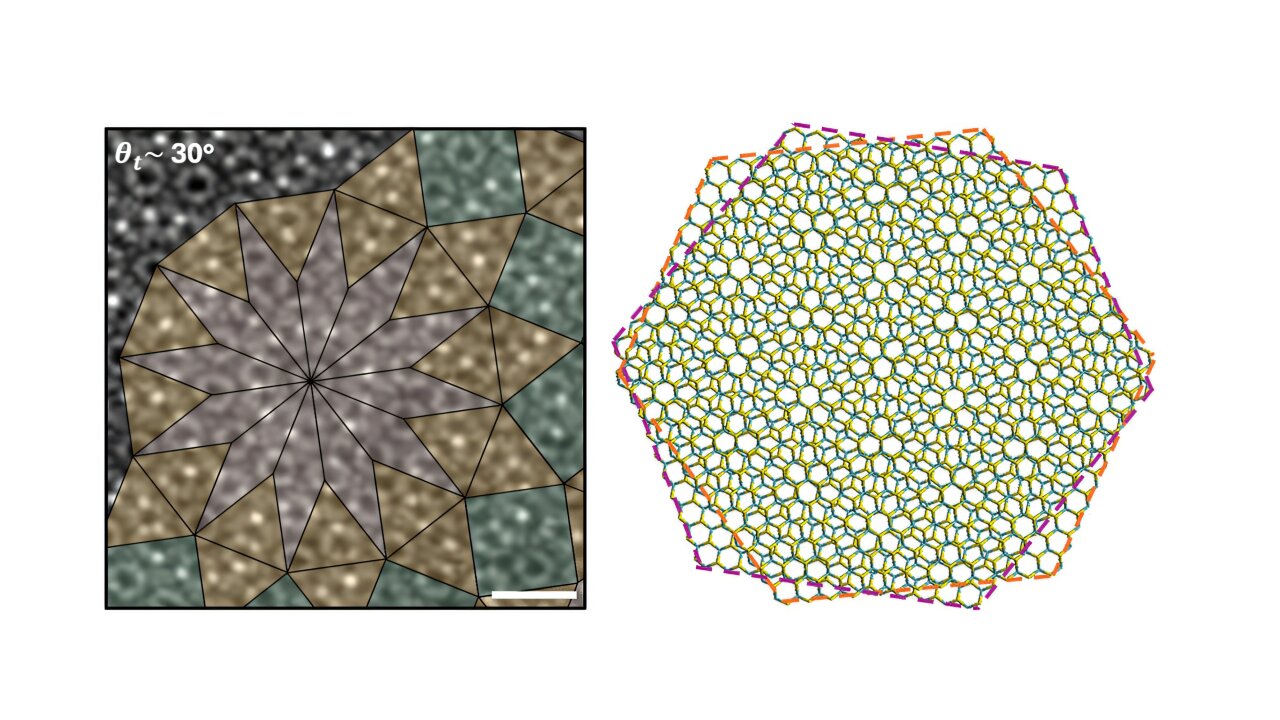
A new vortex electric field with the potential to enhance future electronic, magnetic and optical devices has been observed by researchers from City University of Hong Kong and local partners.
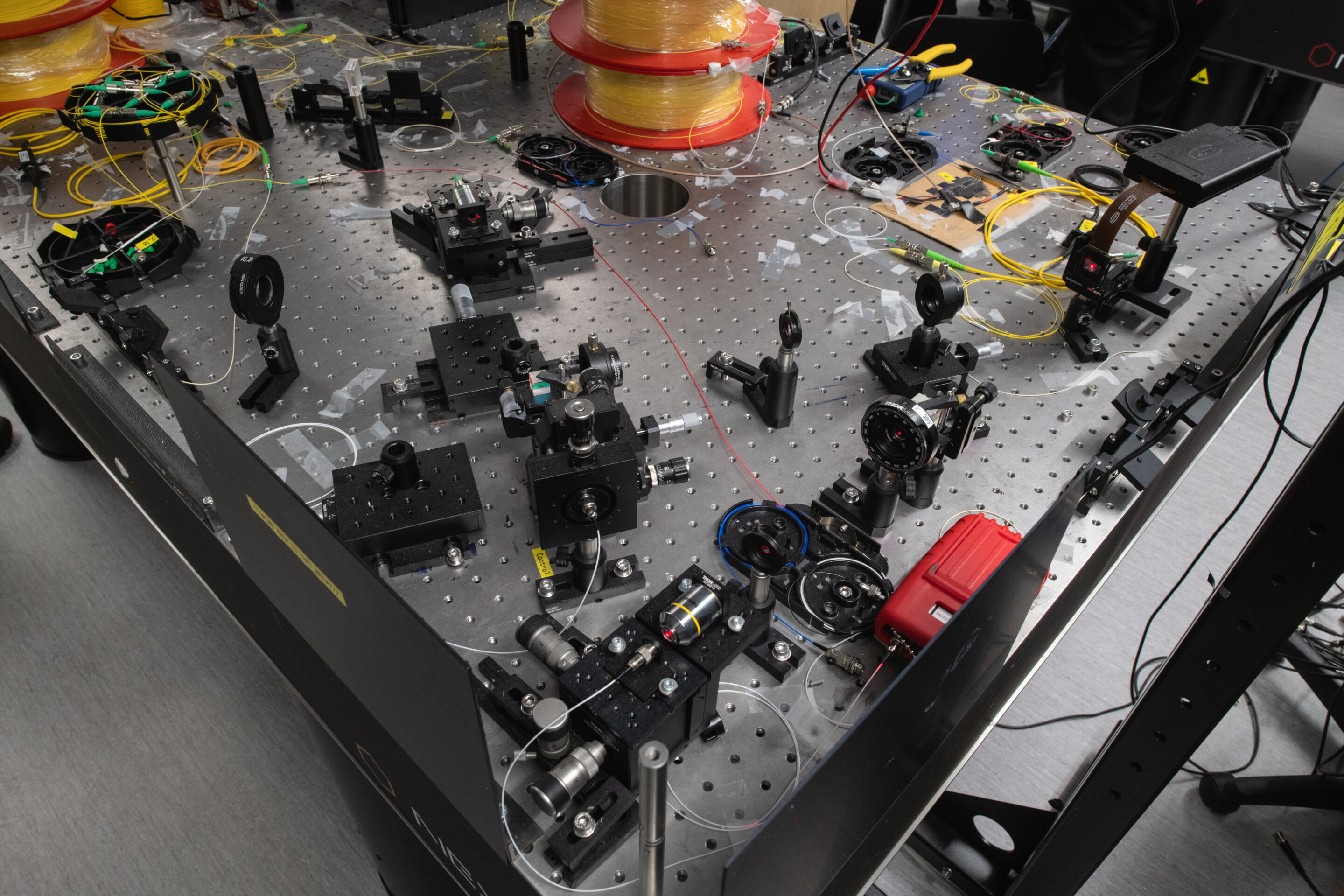
International researchers have confirmed a theory that proposes a connection between the complementarity principle and entropic uncertainty.
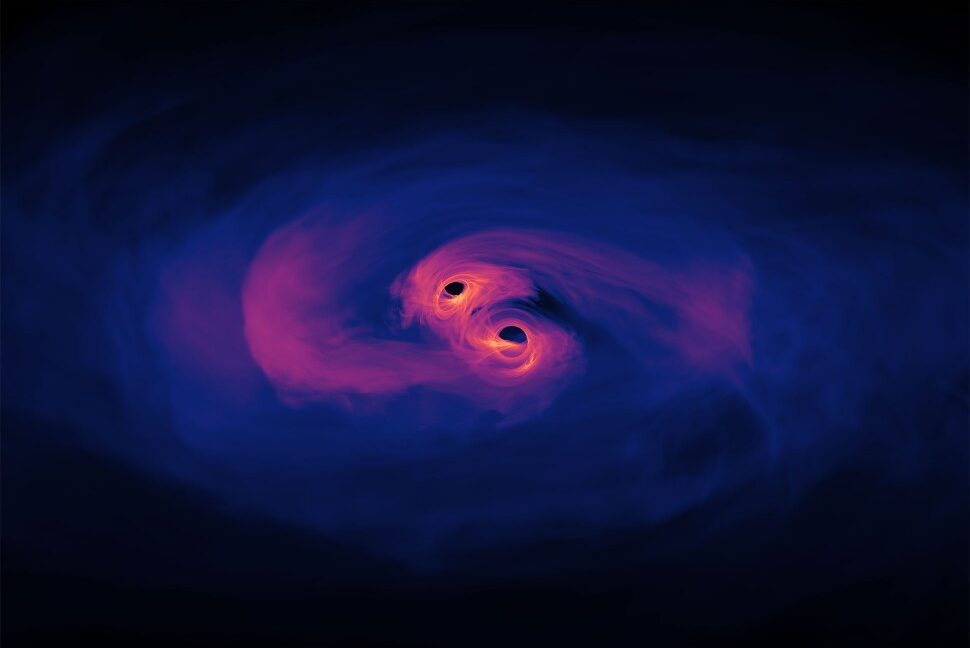
Their orbit periodically takes them through a cloud of gas, triggering flares.


