

US scientists have developed a technique to directly convert the cells in an open wound into new skin cells. The approach relies on reprogramming the cells to a stem-cell-like state and could be useful for healing wounds.

A Japanese team is testing a small prototype space elevator. The pair of satellites will be released from the ISS and a container acting like an elevator car will be moved on a cable connecting the satellites using a motor.
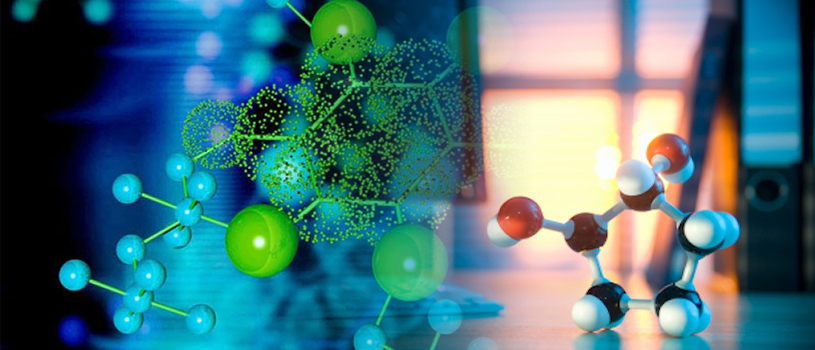
A team of US biologists has discovered thousands of four- and five-drug combinations of antibiotics that are more effective at killing harmful bacteria than the prevailing views suggested.
An atom gives off energy and causes many other atoms in its vicinity to emit light as well. This phenomenon is called 'superradiance'. For the first time, this phenomenon has now bean measured in a solid-state system.

More than a quarter (1.4 billion) of the world's adult population were insufficiently active in 2016, putting them at greater risk of disease according to the first study to estimate global physical activity trends over time.

Less than a year after the world's largest X-ray laser launched in Germany it's showing promise for medical research. Researchers have published the first results: three-dimensional images of protein molecules.

Texting under the table should be a thing of the past after French children returned to class Monday following a nationwide ban on mobile phones in schools.
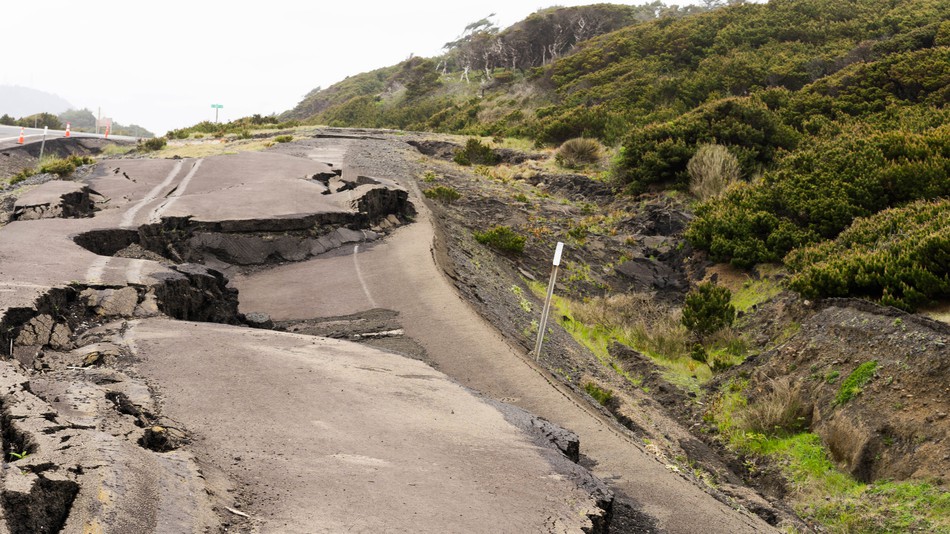
Scientists from Harvard and Google have devised a method to predict where earthquake aftershocks may occur, using a trained neural network.

An inexpensive new kind of solar power has just been launched in Australia and it could signal the start of a groundbreaking new market for renewable energy.

The quality and speed of data transmission is achieved due to the superior constrained shortest path finder algorithm made by the scientists. Thus, the data transmission speed can be increased up to 50%.
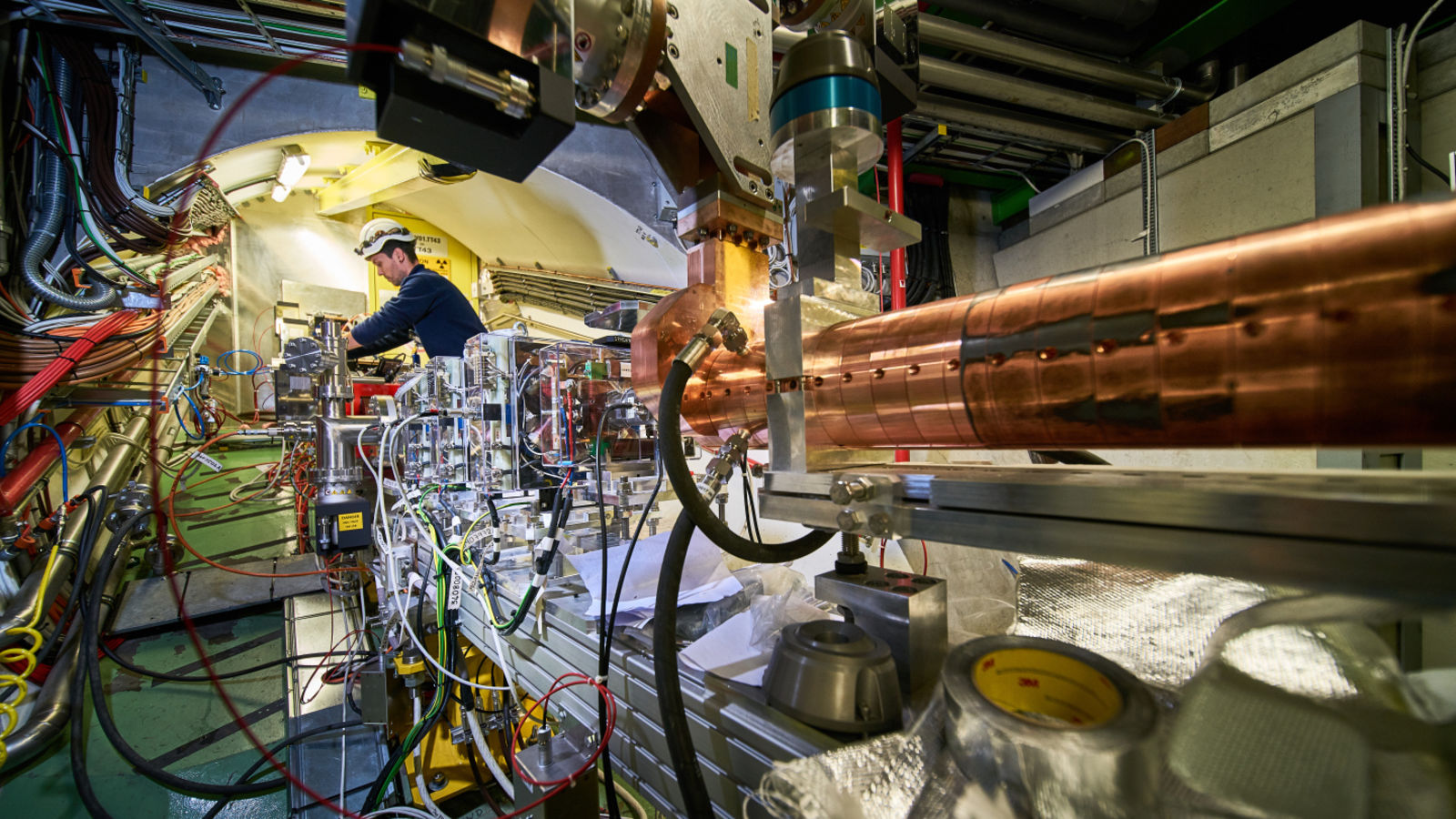
The Advanced Proton Driven Plasma Wakefield Acceleration Experiment (AWAKE) at CERN is a new kind of machine that could accelerate electrons over a fraction of the distance needed by other accelerators.

Key to the mission is NASA’s Ice, Cloud and land Elevation Satellite-2, which will use the laser instrument to measure - within the width of a pencil - the amount of land ice elevation changes in Antarctica and Greenland.
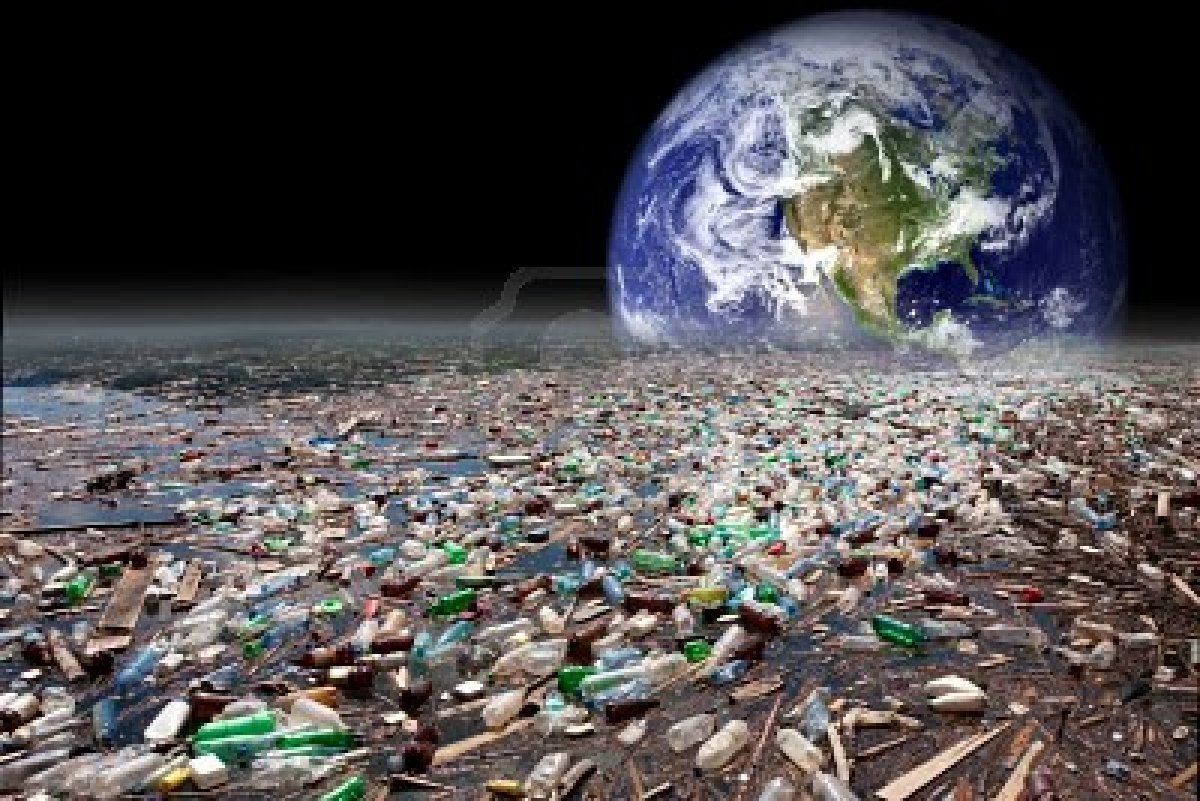
Arctic sea ice isn't just threatened by the melting of ice around its edges, a new study has found: Warmer water that originated hundreds of miles away has penetrated deep into the interior of the Arctic.

Without dramatic reductions in greenhouse-gas emissions, most of the planet's land-based ecosystems - from its forests to the deserts and tundra - are at high risk of 'major transformation' due to climate change.

Researchers have found among the first and perhaps only hard evidence that simple protein catalysts - essential for cells, the building blocks of life, to function - may have existed when life began.


