

High above Earth's tropics, a pattern of winds changed recently in a way that scientists had never seen in more than 60 years of consistent measurements.

NASA's Juno spacecraft has sent back the first-ever images of Jupiter's north pole, taken during the spacecraft's first flyby of the planet with its instruments switched on.

Rocketing pollution, pesticide use and gadgets have caused childhood cancer rates to soar by 40 per cent in less than two decades, according to new analysis.

Google Brain is actually a real thing that exists inside Google's massive collection of data centers.

Scientists have engineered a bacterium that can take carbon dioxide from the air and turn it into fuel in a single enzymatic step.

The Body of European Regulators for Electronic Communications (BEREC) guidelines aims to preserve an equal treatment of Internet traffic regardless of its content or source. Open Internet advocates argue the move will help ensure the Internet stays true to its roots as a non-discriminatory.
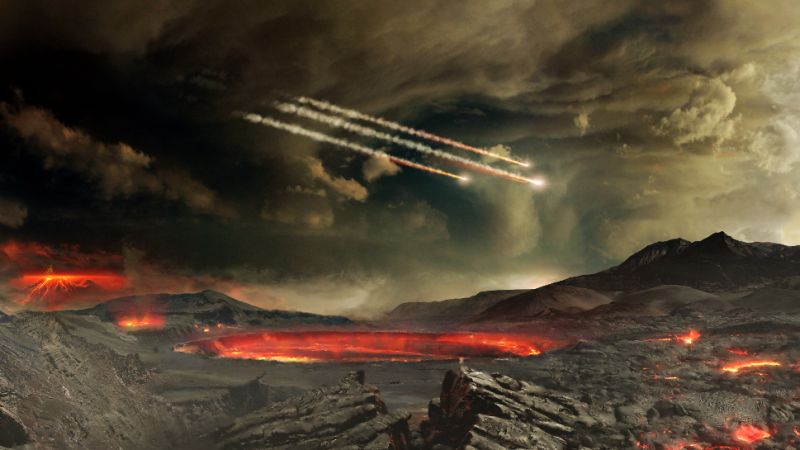
Researchers working in Greenland have found traces of microbial life in our planet's most ancient rocks. The discovery pushes back the oldest evidence of life on Earth by about 220 million years, showing just how habitable our planet was during its earliest stages.

The shocking decline of elephant populations in Africa highlights the devastating impact the loss of large mammals will have on the planet.

OSIRIS-REx will bring back specimens for researchers to interrogate inside high-tech labs around the world, seeking clues about the origin of life, water and the planets themselves. The results could be skewed by an unexpected microbe or spore from planet Earth.

A joint research team at Masdar Institute and MIT has developed a new two-layer solar cell with a theoretical efficiency of 40 percent, smashing the current world record.

Sweden is on its way to being zero waste - and it transforms much of its trash into sustainable energy.

Another day, another dire warning about the global climate emergency. NASA's top climate scientist announced Tuesday that the Earth is warming at a pace not seen in at least the past 1,000 years.
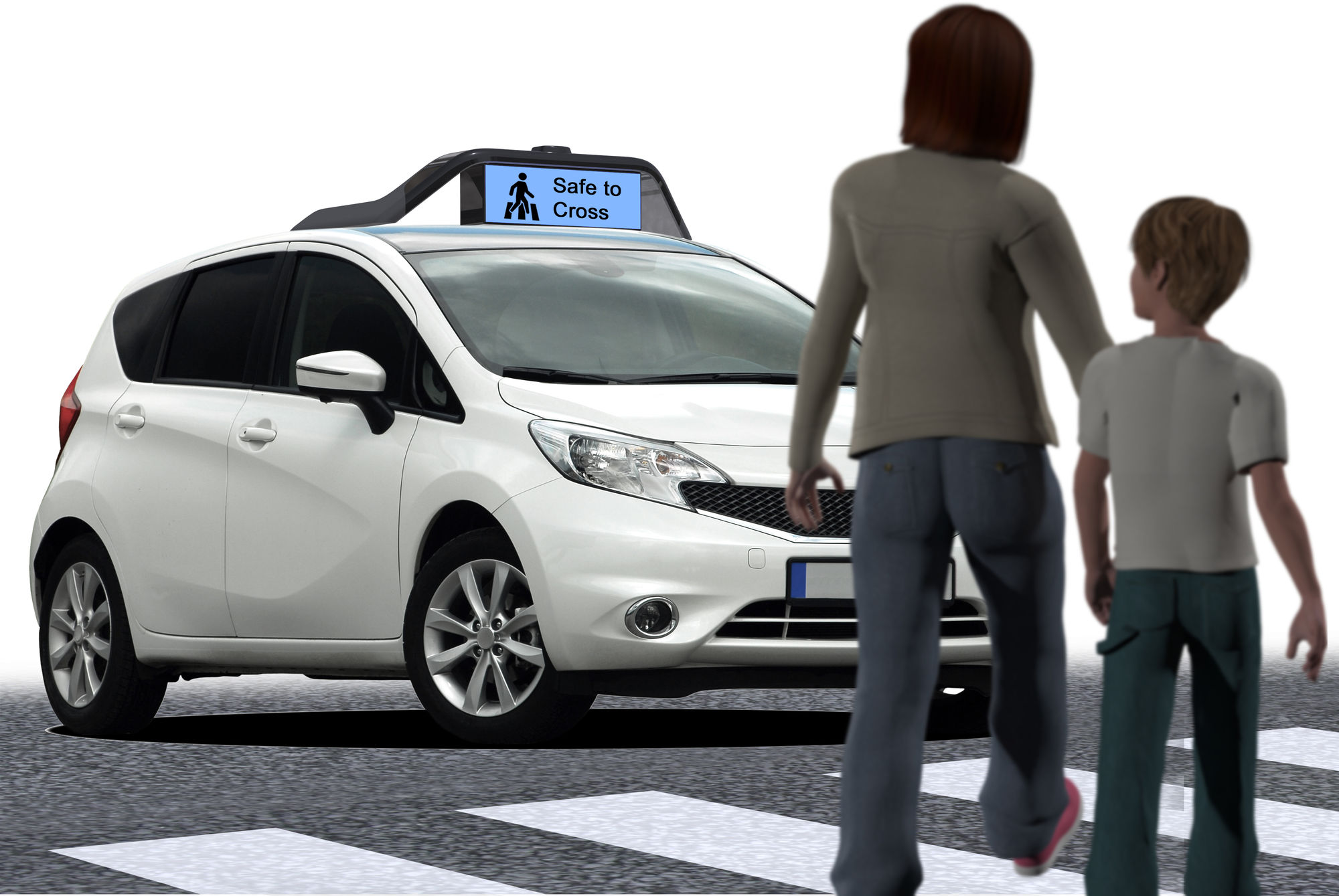
While self-driving cars they may be able to fairly easily communicate their traffic intentions, there is one thing that they have yet to be able to do: communicate with people. This is the problem that a new self-driving car startup strives to solve.
An international team of astronomers led by Italian Claudio Maccone has published the first preliminary data on the signal, which comes from a star 95 light years away.

One year ago, six volunteers entered a 36-by-20 foot dome, located near a barren volcano in Hawaii, to simulate what living conditions would be like on Mars. Today they re-emerged from their year-long isolation.


