

eBay founder Pierre Omidyar and LinkedIn founder Reid Hoffman will each donate $10 million to the Ethics and Governance of Artificial Intelligence Fund.

The Ashalim project, which is being constructed in the Negev desert, will have four different plots, three of which are being built in the first phase. The solar tower is the centerpiece at 250 meters high.

The high cost of equipment seems to be a hurdle the public won't pass, but location-based VR offers new opportunities for manufacturers of gear, creators of content and distributors

Humans are a part of nature in every moment, in every place, and recognizing this puts a different lens on how you interact with the world’s ecological and social communities.

Through warming effects, methane and other gases impact rising seas long after leaving the atmosphere

The Chinese tech giant LeEco has begun construction on its planned $3 billion electric car manufacturing facility in China.

A San Francisco, US - led study has identified signatures of ethnicity in the genome that appear to reflect an ethnic group's shared culture and environment, rather than their common genetic ancestry.

Mark your calendars: In 2022, a rare "red nova" will appear in the sky, according to an unprecedented and ultra-precise stellar prediction.
ESO has signed an agreement with the Breakthrough Initiatives to adapt the Very Large Telescope instrumentation in Chile to conduct a search for planets in the nearby star system Alpha Centauri.

Porous, 3-D forms of graphene developed at MIT can be 10 times as strong as steel but much lighter.

Dutch railway company NS announced its entire electric train fleet is running on 100-percent wind power as of January 1, 2017, ushering in a new era of green transportation.

Several schools in northern China are installing huge domes where children can play and exercise during recess to protect them from the smog outside.

Can we repurpose the capacities of smartphones to improve health diagnostics on a global scale? Can we provide fast and reliable health diagnostics in areas with limited health infrastructure or health professionals?

In a world where these labor cycles are accelerating, the question is: What skills do we teach the next generation so they can keep pace?
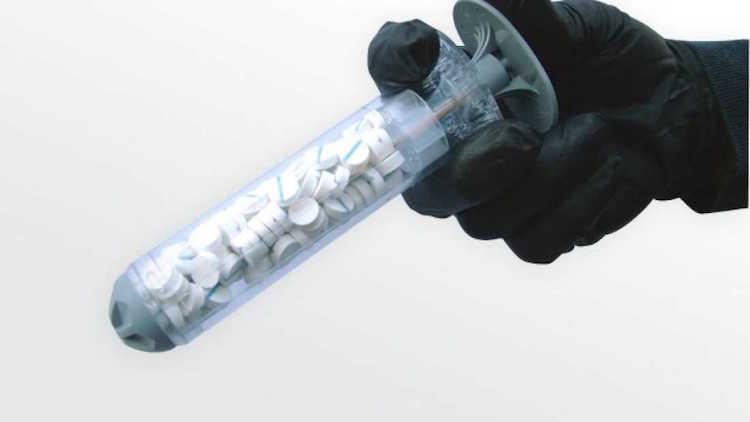
The XSTAT injector is in its final stages of approval and it has the ability to save thousands of lives from blood loss.


