

If we're going start building colonies elsewhere, then one of the essential resources we're going to need is energy. A new study says Saturn's largest moon, Titan, has it in abundance.

The 530 million total electric cars forecast to be on the road by 2040.

In the space of 10 years there are 1.9 milion fewer smokers in Britain and "big changes in public attitudes towards smoking".

Shipping container farms, called TerraFarms, grow produce twice as fast as a traditional farm, all while using 97 percent less water and zero pesticides or herbicides.

Last Friday, the United Nations passed the first-ever treaty imposing a total nuclear weapons ban.
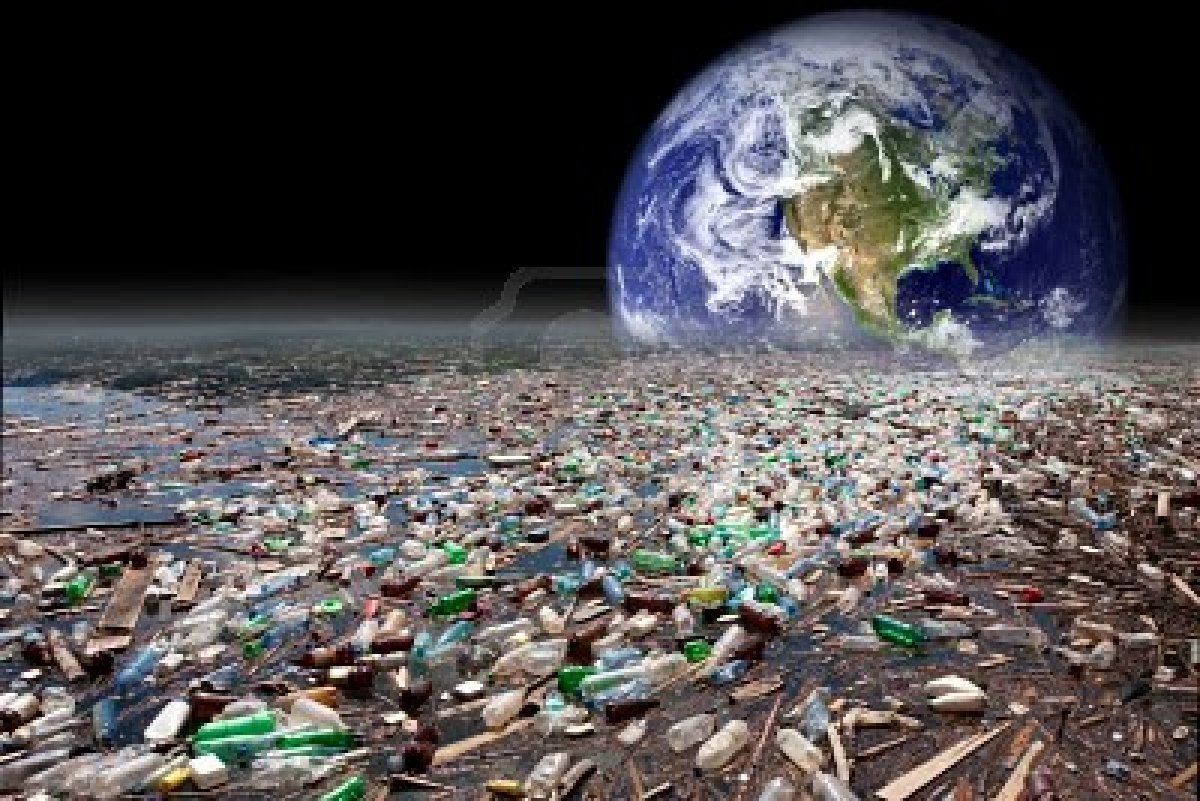
Two vertebrate species go extinct every year on average, but few people notice..

The country’s ambitious plans to stem climate change will be a challenge.

The results suggest that extreme sea levels will likely occur more frequently than previously predicted, particularly in the west coast regions of the U.S. and in large parts of Europe and Australia.

An international study finds thousands of cases of type 2 diabetes could be prevented every year if people stopped drinking sugary drinks.

Cities plagued with terrible traffic problems may be overlooking a simple, low-cost solution: High-occupancy vehicle (HOV) policies.

A field trial will take place in New York area and will become the first wild release of an insect modified using genetic engineering in the US.

Engineers have designed the first battery-free cellphone that can send and receive calls using only a few microwatts of power, which it harvests from ambient radio signals or light.

A new scientific model studies whether liquid water can be maintained on planets in various conditions, and could be used to confirm the presence of vegetation on faraway worlds.

Our galaxy could have 100 billion brown dwarfs or more according to a recent survey of dense star clusters

Analyzing a galaxy through a gravitational lens, astronomers obtained images 10 times sharper than Hubble could see on its own.


