

Bringing together mega-economies, green city infrastructure, and e-services that decimate inefficiency, future transportation and web-based urban services will shape how and where we live, on unthinkable dimensions.

More than 600 cities, counties and tribes from 28 states have filed a federal lawsuit against eight members of the owners of the pharmaceutical giant Purdue Pharma LP accusing them of creating the opioid addiction crisis.

The two young co-founders of Avidbots, Faizan Sheikh and Pablo Molina have robots cleaning floors in 14 countries. Neo frees workers from doing basic things to concentrate on more complex tasks.
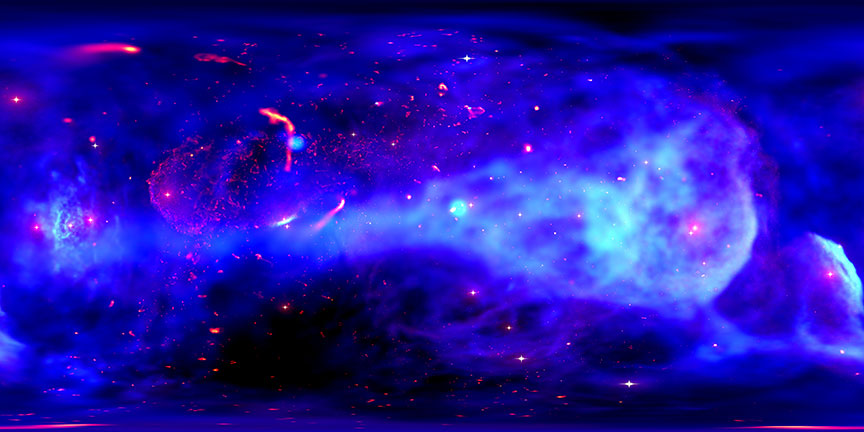
This 360-movie offers an unparalleled opportunity to look around the center of the galaxy, from the vantage point of the central supermassive black hole, in any direction the user chooses.

The tropical cyclone that tore through Mozambique and other Southern African nations spotlights how the combination of rapid urbanization and climate change is turning deadly in the world’s poorest nations.

Climate change means springtime temperatures are arriving earlier with more intense early-season rains, worsening the risk of damaging floods. Current flooding has far surpassed previous all-time records.
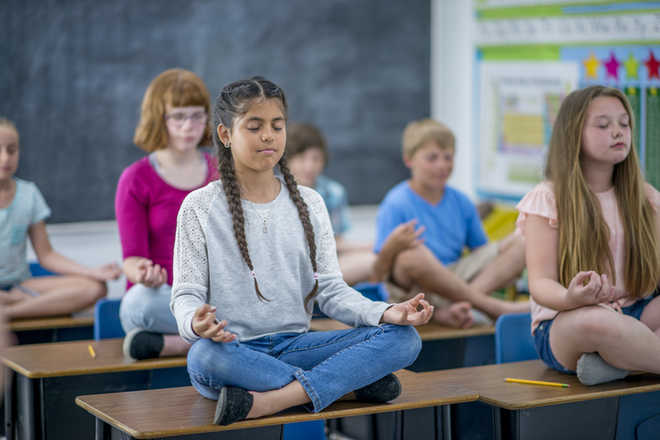
Middle school students practicing meditation as part of a school Quiet Time program had significant improvements in social-emotional competencies and psychological distress, according to a new U.S. study.

The World Happiness Report 2019, which ranks 156 countries by how happy their citizens perceive themselves to be, has just been released at the United Nations. Finland, Denmark, Norway, Iceland and Netherlands are the top 5.

The SIRIUS-19 experiment recently kicked off in Russia, with six cosmonauts entering a simulated lunar environment (where they will spend the next 122 days conducting experiments).

The supercomputer will be called Aurora and Intel is aiming to deliver it by 2021. Aurora will apply AI and high-performance computing to "areas such as cancer research and climate modeling.

First came the helicopter parenting of the 1980s, the intensive parenting of the 1990s, the 2000s brought the lawnmower parents and now we have snowplow parents of the 2010s that clear everything out of their child's way.
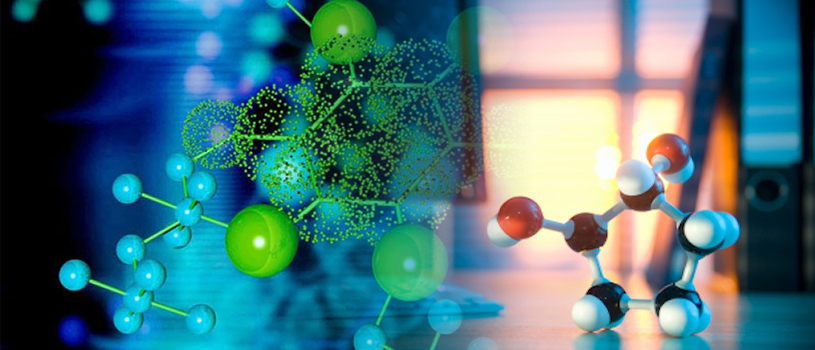
A pulse of laser light resulted in a stable "supercrystal" created by a team of U.S. researchers. The team's goal is to discover interesting states of matter that do not exist in equilibrium in nature.

China will test the idea of a space-based solar power station that would capture the sun’s energy that never makes it to the planet and use laser beams to send the energy back to Earth. NASA has abandoned this idea decades ago.

China, US, Germany, India, Spain, UK, France, Brazil, Canada and Italy currently have the highest capacity of wind energy.

It's challenging to electrify aviation using batteries or fuel cells in part because of the weight restrictions on aircraft, so liquid biofuels have the potential to play a big role in greenhouse gas emissions reductions.


