

The launch came five years and one month after Astra was founded in 2016. SpaceX required six years and four months and Virgin Orbit needed seven or more years to successfully reach orbit.

The results from Mars simulations, Project Sirius and project Mars-500, showed worrisome outcome - the astronauts become detached from mission control and almost autonomous with time.

Greta Thunberg along with Ugandan activist Vanessa Nakate, Polish activist Dominika Lasota and others released an appealed world leaders to save planet Earth.

Homo bodoensis lived in Africa during the early Middle Pleistocene, around 500,000 years ago, and was the direct ancestor of the Homo sapiens lineage.

New findings from NASA's Juno probe orbiting Jupiter provide a fuller picture of how the planet's distinctive and colorful atmospheric features offer clues about the unseen processes below its clouds.

Climate change may affect the production of maize (corn) and wheat as early as 2030 under a high greenhouse gas emissions scenario, according to a new NASA study published in the journal, Nature Food.

The device can be switched between its two states a trillion times a second, which is up to 1,000 times faster than today's leading commercial transistors.

An inexpensive repurposed drug called fluvoxamine can save the lives of COVID-19 patients and cut hospital admissions by up to 30 percent.

A new device successfully hauled 20,000 pounds of trash out of the Pacific Ocean last week. This technology could potentially help clean up the Great Pacific Garbage Patch.

Los Angeles, Irvine and Petaluma have won $1 million each to become carbon neutral by 2030.

French oil company TotalEnergies knew at least 50 years ago about a link between burning fossil fuels and global warming, researchers have said.

Astronomers have discovered unusual signals coming from the direction of the Milky Way's centre. The radio waves fit no currently understood pattern of variable radio source and could suggest a new class of stellar object.

A former science teacher who's been blind for 16 years became able to see letters, discern objects' edge thanks to a visual prosthesis that includes a camera and a brain implant.

New research by scientists from Germany and the United Kingdom shows that daily mental training for 3 to 6 months can buffer the long-term systemic stress load of healthy adults.
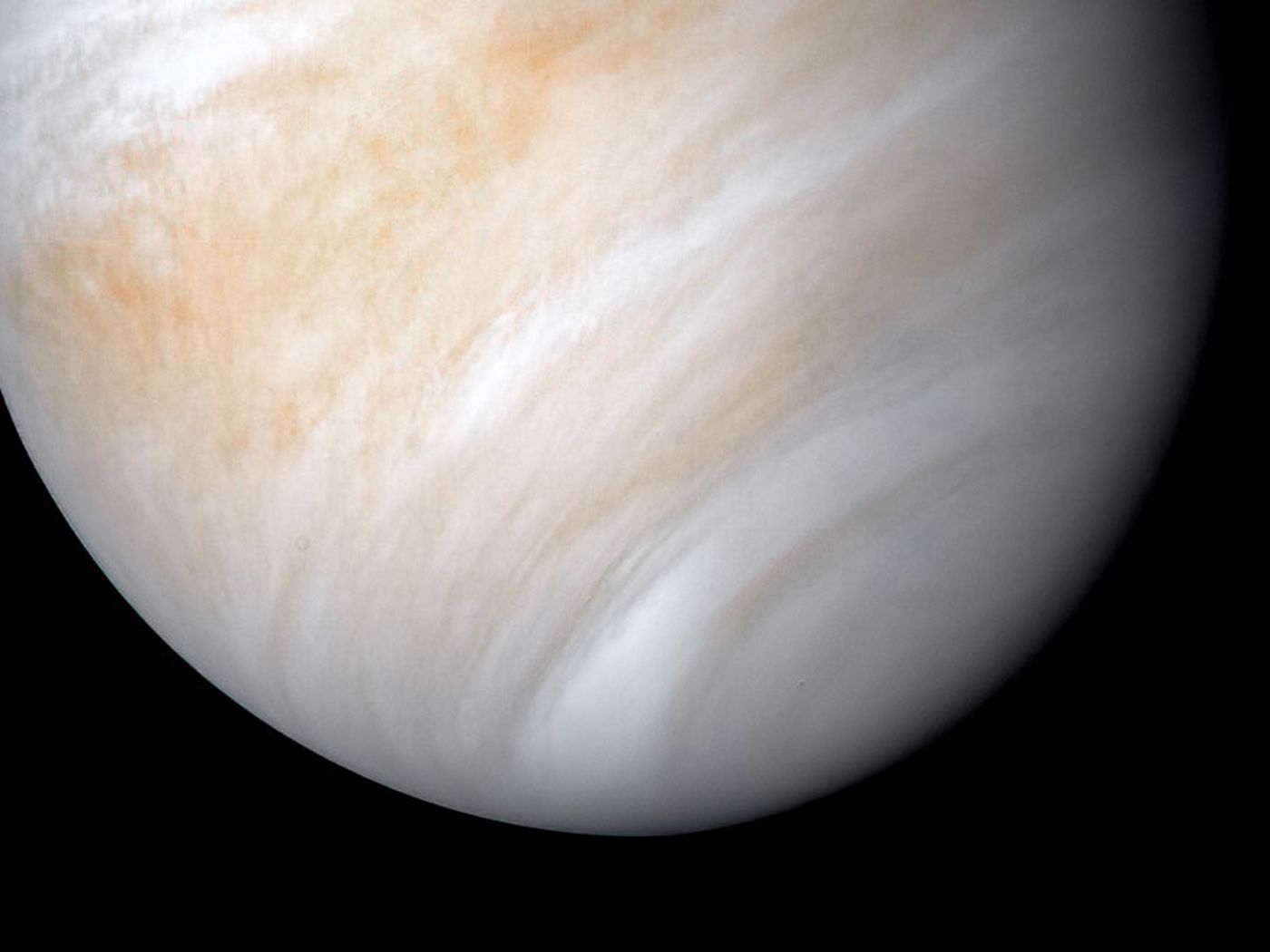
New research suggests that water never condensed and that, consequently, oceans never formed on the surface of Venus. One of the main reasons for this is the clouds that form preferentially on the night side of the planet.


