

Astronomers and geologists have recently concluded that most rocky planets orbiting nearby stars are more diverse and exotic than previously thought, with types of rocks not found anywhere in our Solar System.

U.S. scientists recently discovered that water was once present in a region of Mars called Arabia Terra.

The unique form and efficiency of human running, which includes the ability to sustain this form of exertion (i.e., by jogging as opposed to sprinting), and the evolutionary success of humans are closely linked.

So far, only six countries have successfully launched more than 1 ton of equipment into space using domestically developed rockets. Now, a seventh, North Korea, has successfully done so, almost successfully.

Totality was visible only in Antarctica on early Saturday, experienced by a small number of scientists experts and adventure tourists.
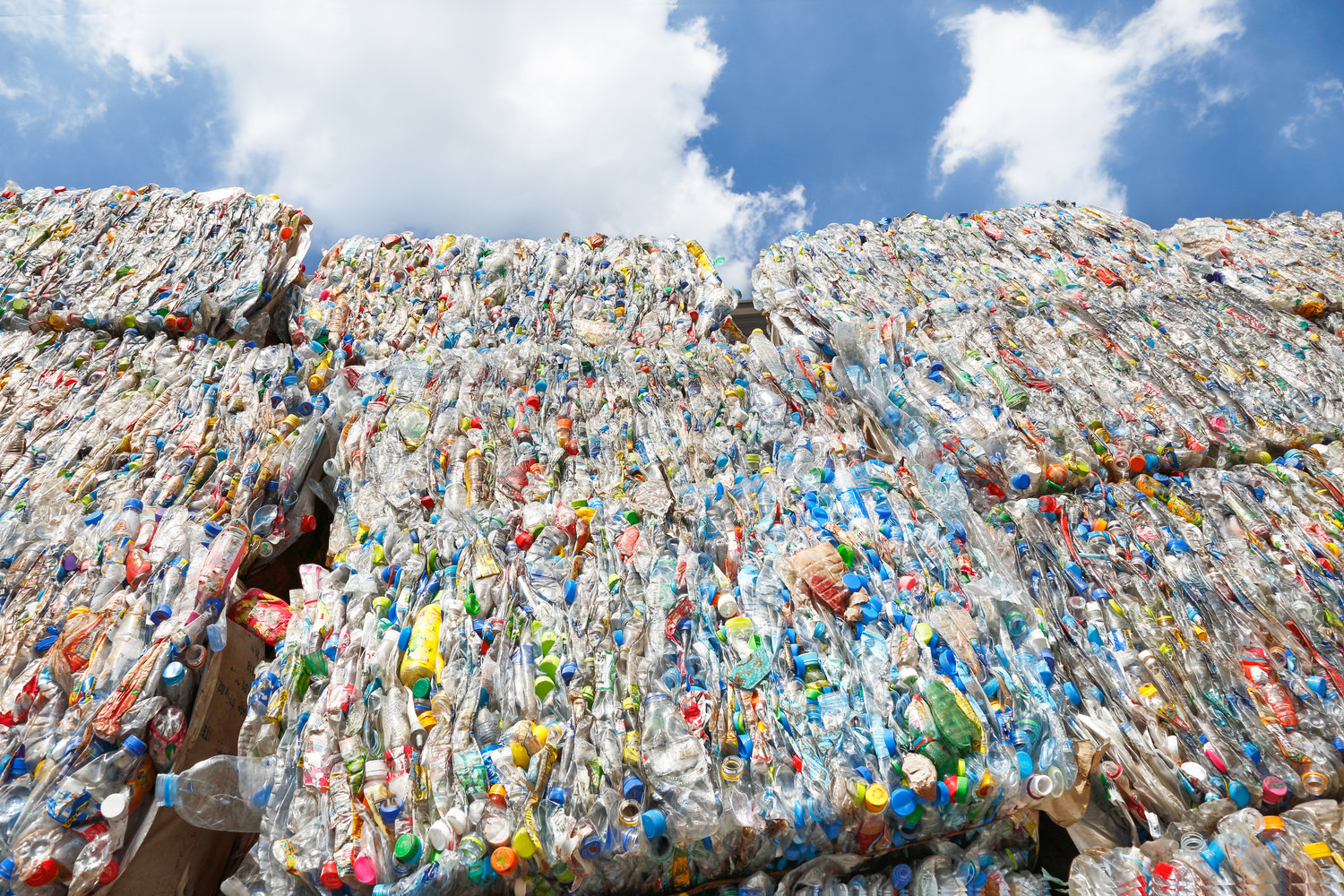
At 42m metric tons of plastic waste a year, the US generates more waste than all EU countries combined. Recycling infrastructure has failed to keep pace with the huge growth in American plastic production.

Nasa's Dart mission has launched on a mission to test technology that could one day tip a dangerous asteroid off course. The spacecraft will crash into an object called Dimorphos to see how much its path can be altered.

A 30-year-old woman from the city of Esperanza, Argentina - the so-called Esperanza Patient - appears to be the second person whose immune system cleared the HIV-1 virus without antiretroviral therapy.

The moon’s regolith is made up of approximately 45 percent oxygen. Each cubic meter of lunar regolith contains 1.4 tons of minerals on average, including about 630 kilograms of oxygen.

Nvidia is building what it calls “the world’s most powerful AI supercomputer dedicated to predicting climate change. The system will be called Earth-2.

The Mammoth Solar farm will be built in a rural area of Indiana about 80 miles south-east of Chicago. Distributed throughout that space will be 2,850,000 solar panels, which will generate 1.65 gigawatts of electricity.

The new chip has 127 "qubits", twice as many as the previous IBM processor. The company called its new Eagle processor "a key milestone on the path towards practical quantum computation".

Signatories include heavily forested nations, such as Brazil, Canada, Russia, the U.S., the U.K., Indonesia, China and the Democratic Republic of the Congo.

Costa Rica, Denmark, France, Greenland, Ireland, Sweden, Wales and Quebec are bravely taking the lead in a commitment to stop exploring for and producing oil and gas.

A recent study has found that renewables can meet most of the world’s energy needs. Even the most industrialized countries that need a heavy power supply can rely on renewable energy, specifically wind and solar.


