
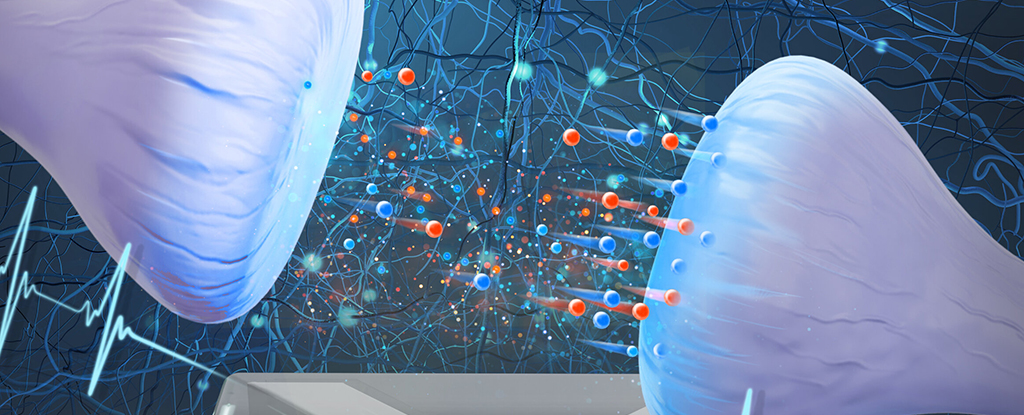
For the first time, researchers have simulated neurological junctions called synapses using the same water and salt ingredients the brain uses, contributing to an emerging field that combines biology with electronics called iontronics.
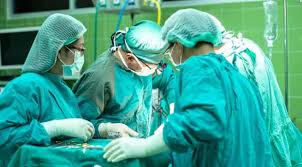
Surgeons in the United States have transplanted a modified pig kidney into a living person for the second time, a hospital said Wednesday, celebrating an advance in animal-to-human organ transplants.
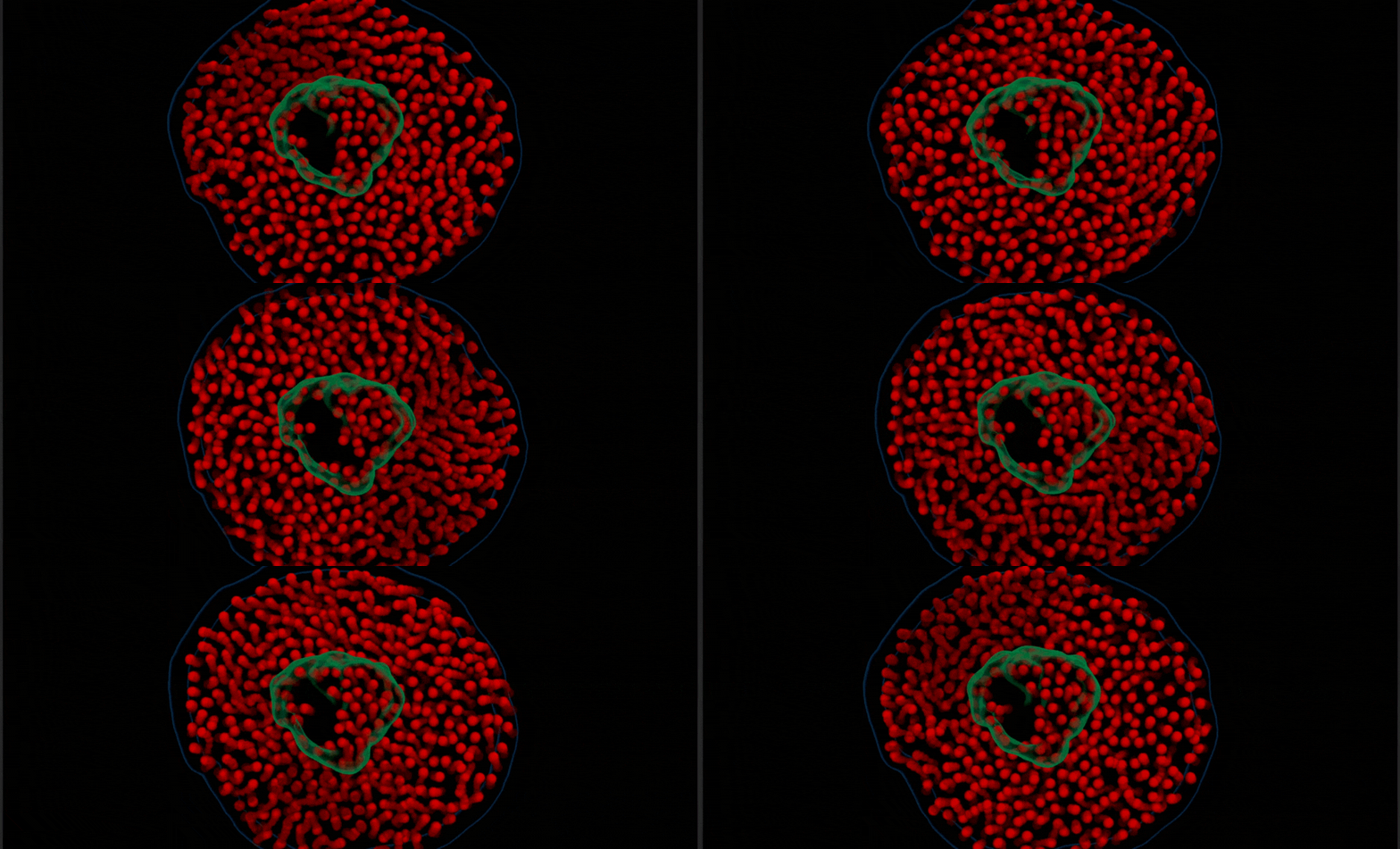
Scientists for the first time captured the dance between proteins and fats as they would normally move in cells.

While natural diamonds take billions of years to form, lab-grown diamonds can be produced quickly and at a fraction of the cost.

Scientists have traced bioluminescence to its earliest known evolutionary origins: a class of corals called Octocorallia in the depths of the ocean in the Cambrian, some 540 million years ago.
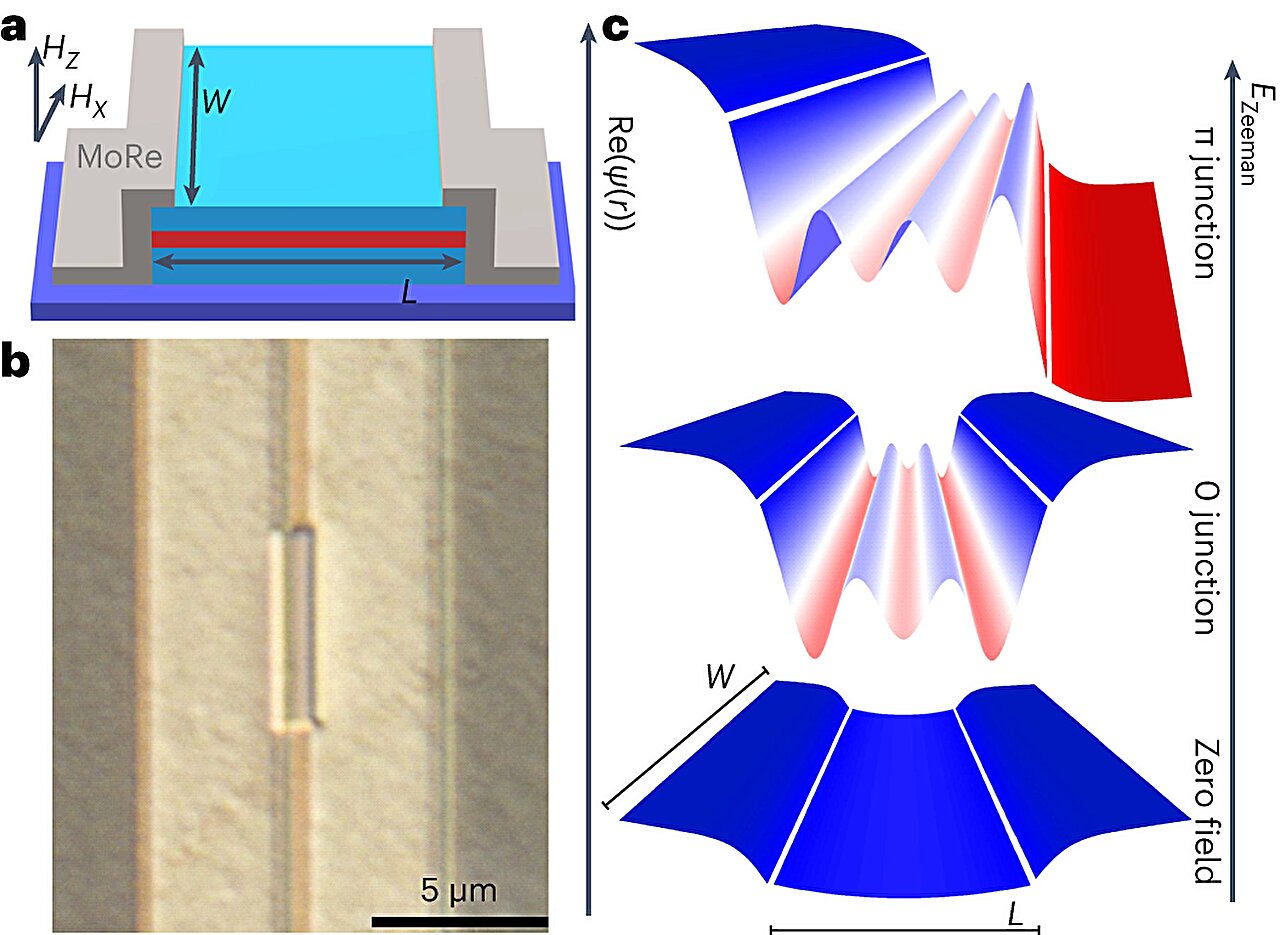
An international team of researchers has succeeded in creating a special state of superconductivity. This discovery could advance the development of quantum computers.

Australian scientists used an advanced 3D printing technique to create a super strong, super lightweight new "metamaterial".
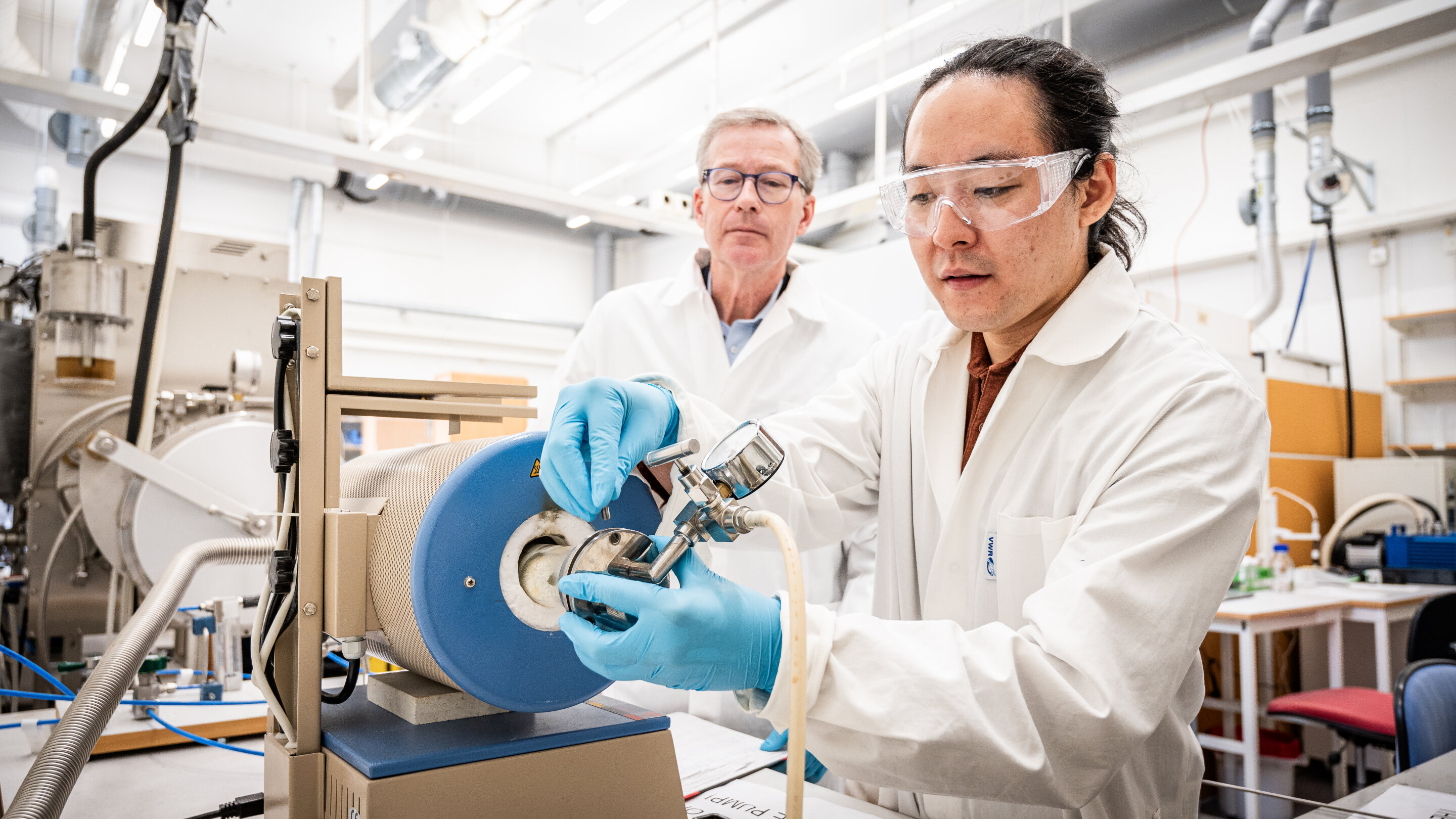
For the first time, scientists have managed to create sheets of gold only a single atom layer thick. The material has been termed goldene.

From the spiral arms of galaxies to microscopic snow crystals, nature seems to fall into fractal-like patterns that repeat in increasingly smaller increments.

Electronic wearables and sensors could one day be made from a material that toughens up as it gets hit or stretched, thanks to new research carried out by a team from the University of California, U.S

The intermittent energy restriction (IER) diet changes the human brain-gut-microbiome axis. There are highly dynamic changes in the gut microbiome and in the activity in addition-related brain regions during and after the diet.

A newly developed silicon material covered with tiny nanospikes is capable of taking out 96 percent of the virus particles unfortunate enough to touch its surface in tests.

The early-stage research - which saw 99 % of melanoma cells eradicated in a lab - could provide new cancer treatment options, experts say.

The Earth's atmosphere just pulled a surprising U-turn! The polar vortex, a swirling mass of cold air circling the Arctic, has unexpectedly reversed its direction.

University of Wyoming researchers have gained further insight into how tardigrades survive extreme conditions and shown that proteins from the microscopic creatures expressed in human cells can slow down molecular processes.


