
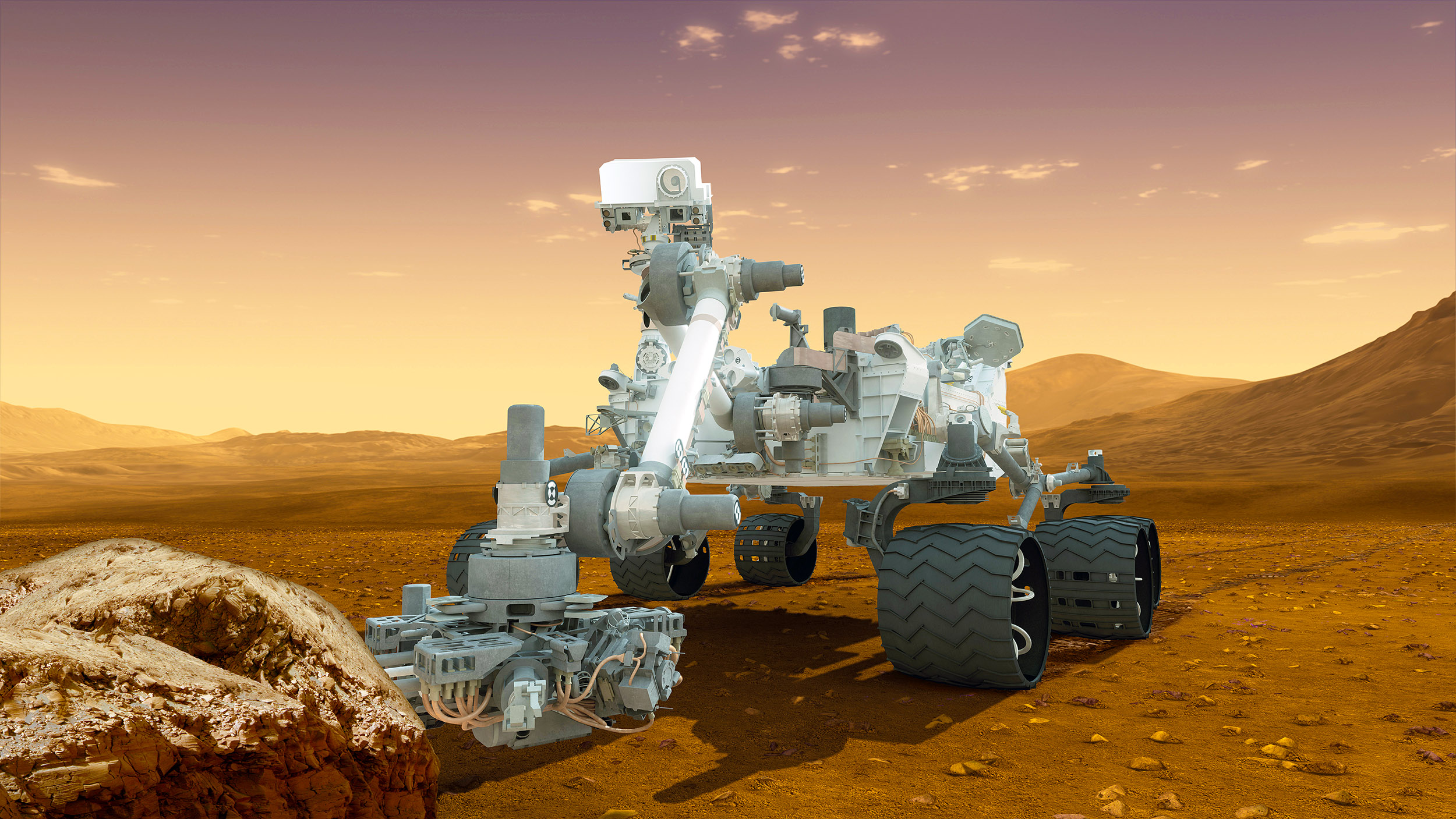
The mystery of life’s origins on Earth has long puzzled scientists, but a recent discovery on Mars might be shedding new light on this profound question, while also inching closer to finding life on Mars.
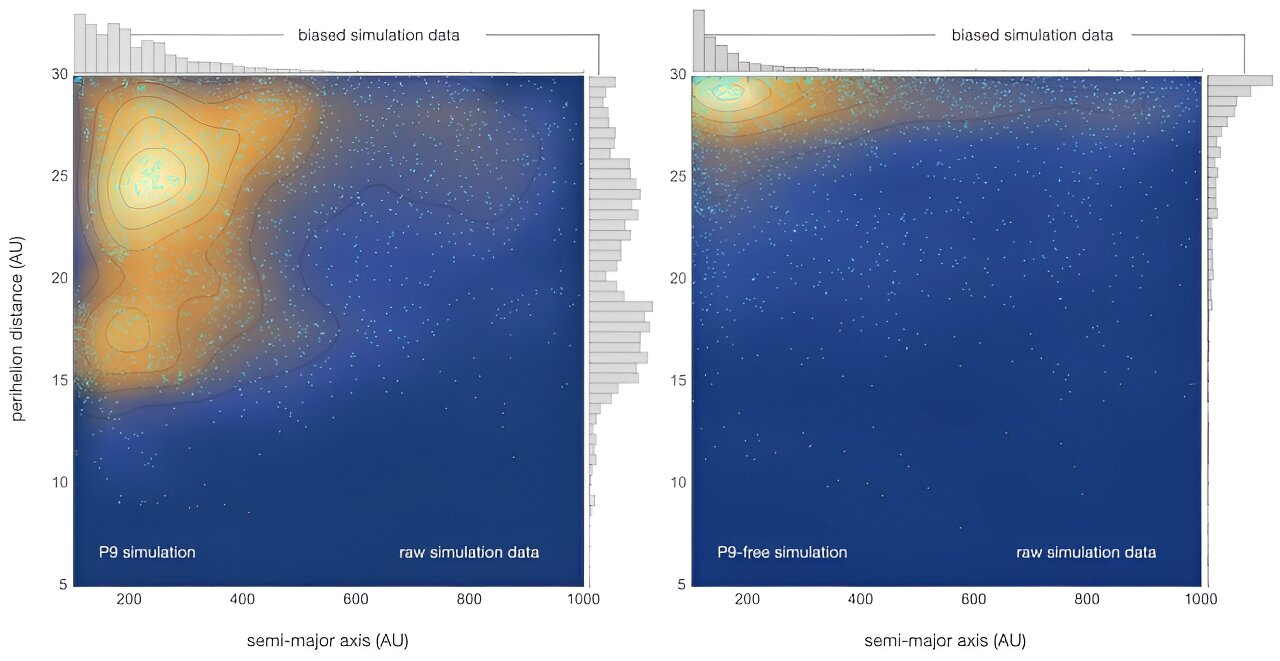
A small team of planetary scientists from U.S. reports possible new evidence of Planet 9.
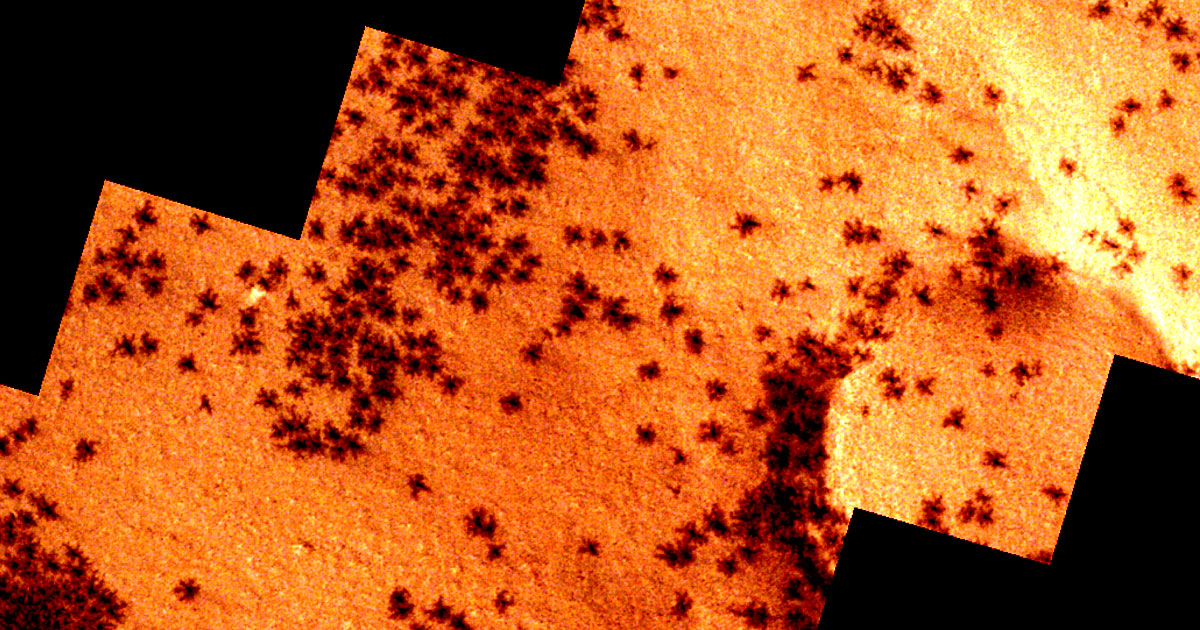
These so called "spiders" are the result of a complex geological process that causes carbon dioxide to sublimate, digging up darker material from below the surface during the planet's spring.
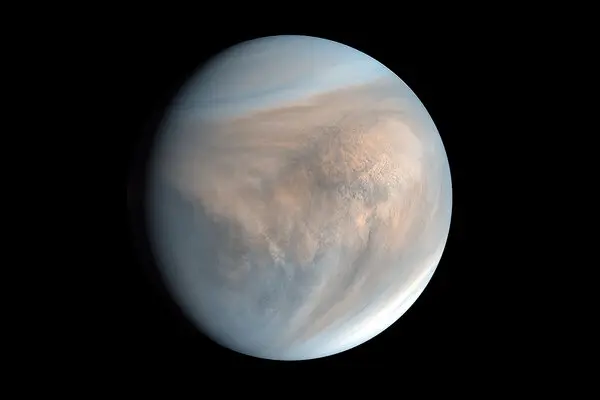
BepiColombo made two flybys of Venus on its journey to Mercury. The spacecraft found carbon and oxygen escaping into space in a previously unexplored region of Venus’ magnetosphere.

Ceres, the largest asteroid in our solar system, harbors a dark secret: extremely young ice deposits in permanently shadowed craters near its poles.

The experts attribute the formation of the unique heart-shaped terrain to a colossal oblique-angle collision with a celestial body approximately 700 kilometers in diameter – roughly twice the size of Switzerland from east to west.

A team of scientists have found that a single meteorite was likely responsible for creating billions of craters on the Martian surface.

Although more eroded and not as tall, the newly discovered volcano rivals the others in diameter. It’s about 450 km across. The volcano sits on the eastern edge of a broad rise called Tharsis, home to 3 other well-known giant volcanoes.

Astronomers have found water vapor around a young star within the constellation Taurus, 450 light-years away from Earth.

For a quiet, dusty lump of a planet we see today, Mars has had a surprisingly violent history, one that could reveal some clues about Earth.

If life ever existed on Mars, the Perseverance rover’s verification of lake sediments at the base of the Jezero crater reinforces the hope that traces might be found in the crater.

An international team of researchers has gained new insights into the formation of diamond rain on icy planets such as Neptune and Uranus, using the X-ray laser European XFEL in Schenefeld.

ESA's Mars Express has revisited one of Mars's most mysterious features to clarify its composition. Its findings suggest layers of water ice stretching several kilometers below ground—the most water ever found in this part of the planet.

How long does planet formation take? Maybe not as long as we thought, according to new research.

Neptune is fondly known for being a rich blue and Uranus green – but a new study has revealed that the two ice giants are actually far closer in colour than typically thought.


