
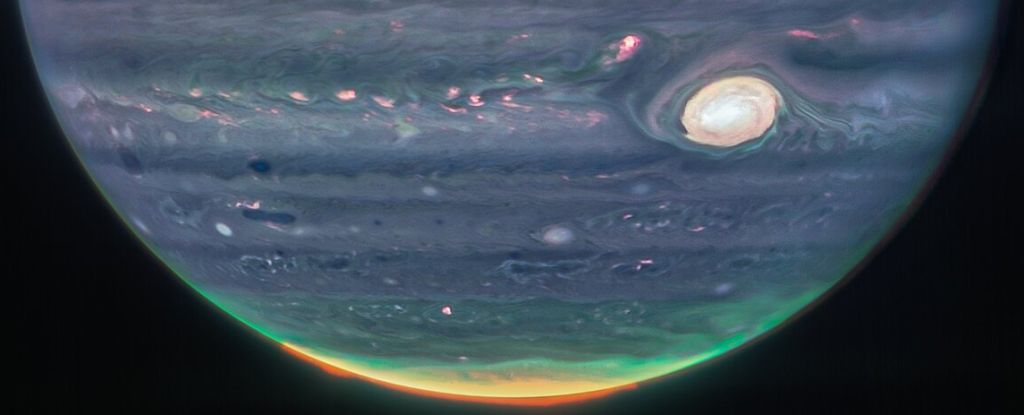
An infrared glow high up in the atmosphere of Jupiter could be produced by an interaction with dark matter.
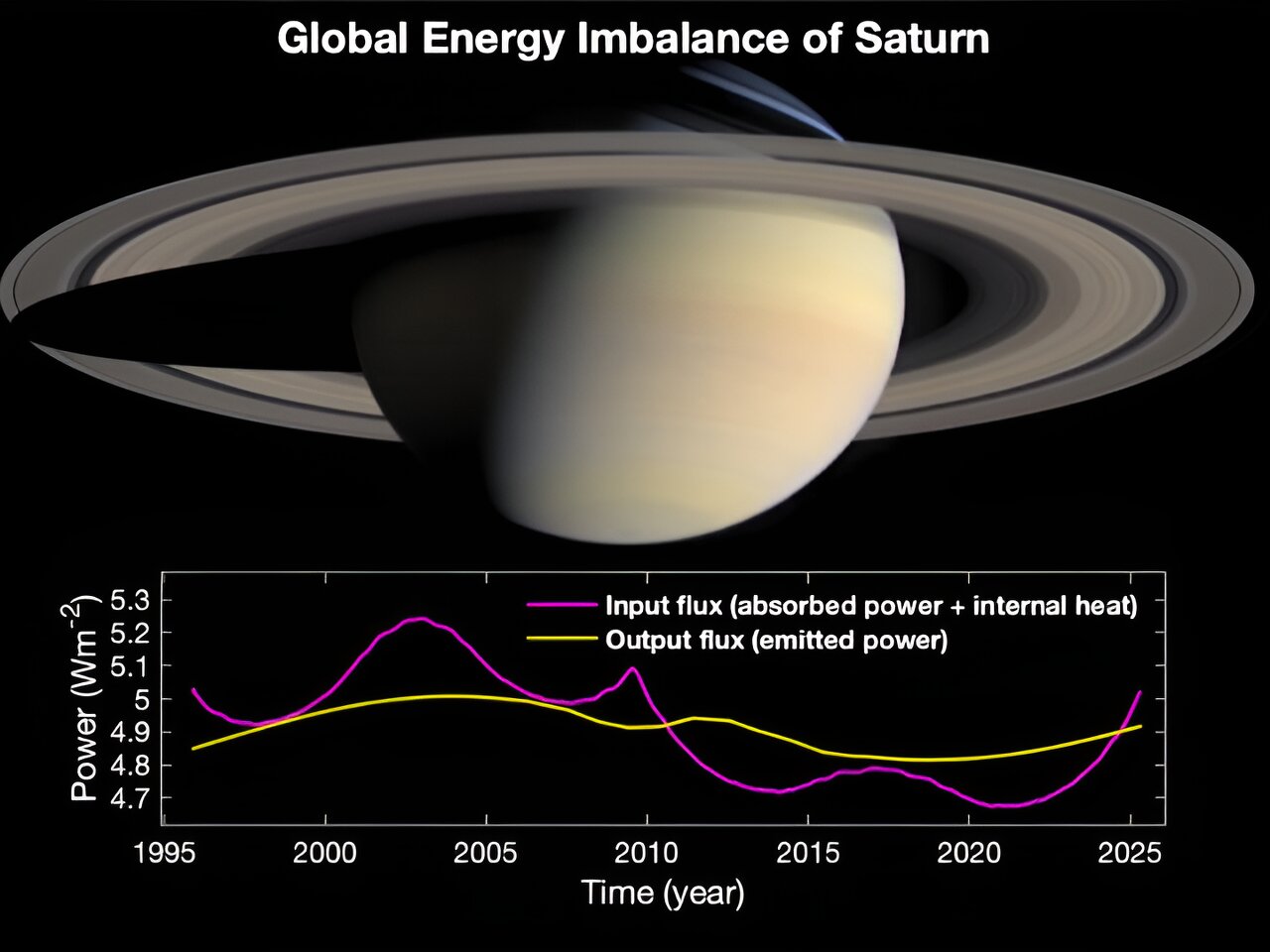
The imbalance is due to Saturn's large orbital eccentricity, resulting in huge seasonal variations in absorbed solar energy.
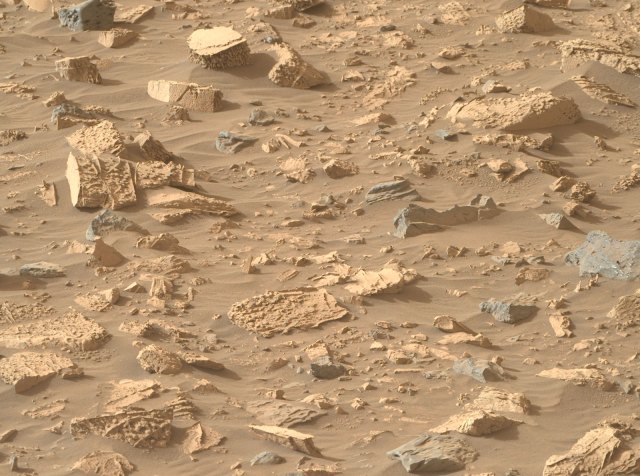
After months of driving, Perseverance has finally arrived at "Bright Angel", discovering oddly textured rock unlike any the rover has seen before.
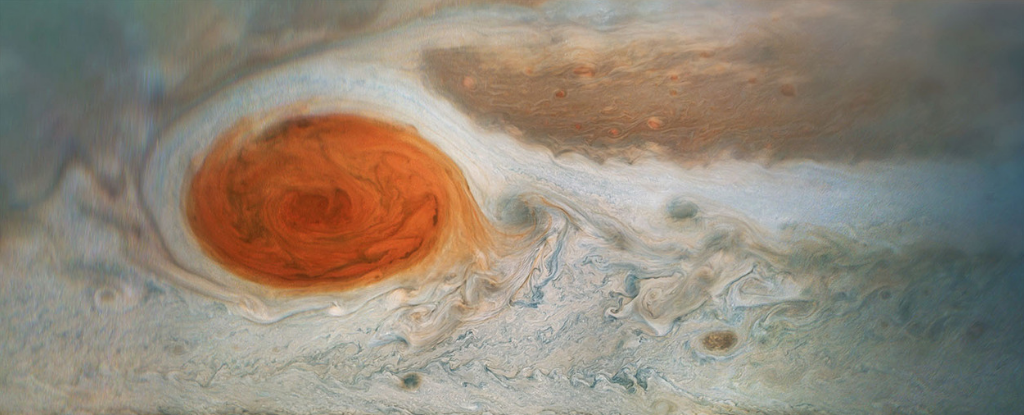
Jupiter's Great Red Spot (GRS) is one of the Solar System's defining features. It's a massive storm that astronomers have observed since the 1600s. However, its date of formation and longevity are up for debate.
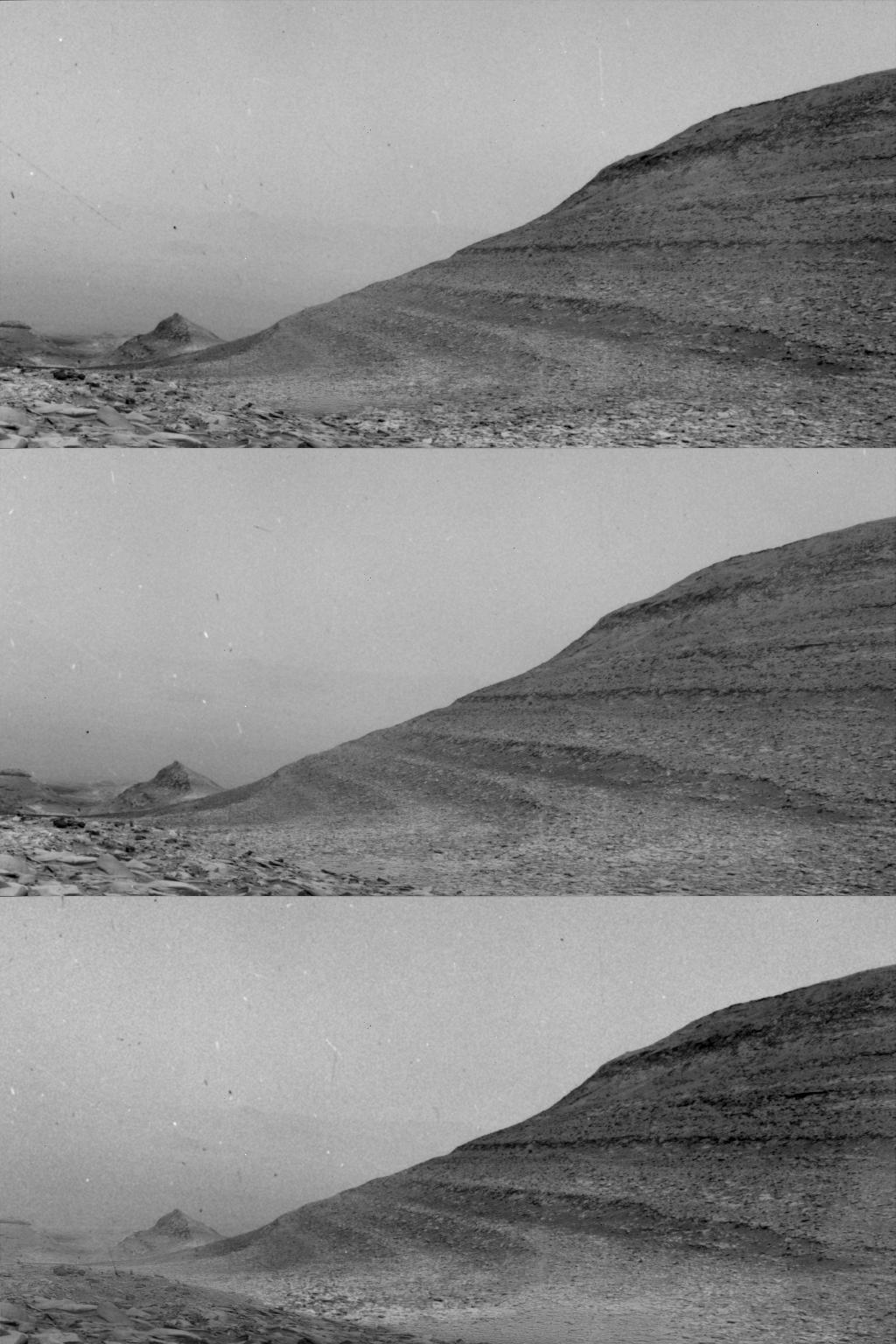
In addition to producing auroras, a recent extreme storm provided more detail on how much radiation future astronauts could encounter on the Red Planet.
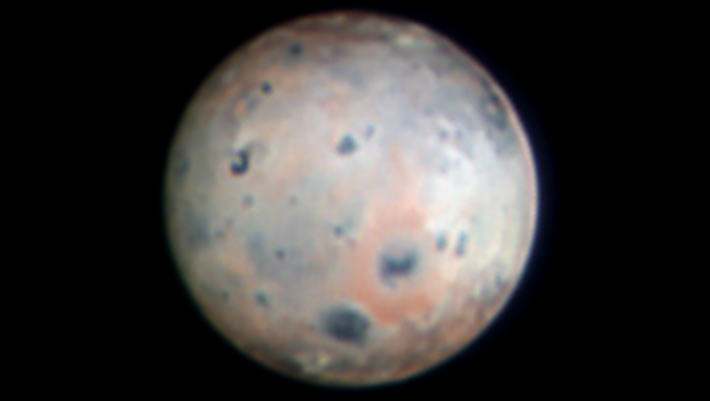
Using the SHARK-VIS instrument on the Large Binocular Telescope on Mount Graham in Arizona, the United States, astronomers have captured the highest resolution optical images of Io ever obtained from a ground-based telescope.
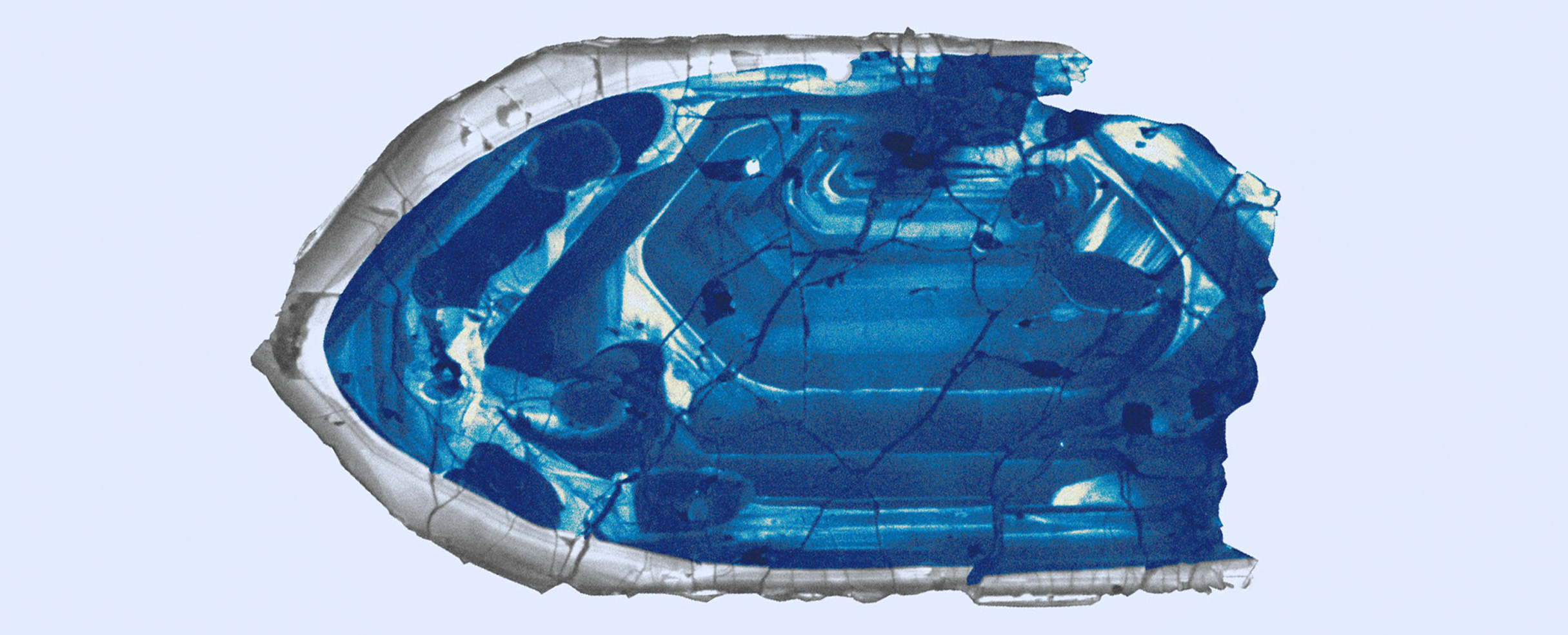
New research finds Earth's surface was first sprinkled with fresh water some 4 billion years ago, a whole 500 million years earlier than previously thought.
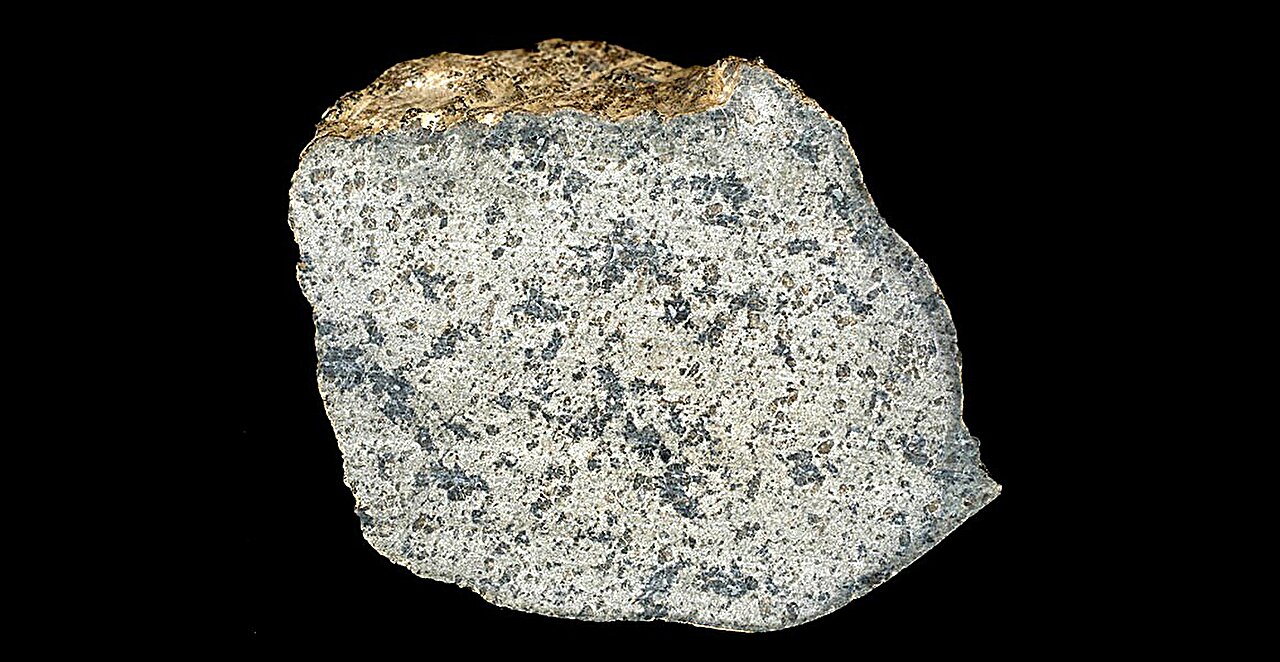
Mars has a distinct structure in its mantle and crust with discernible reservoirs, and this is known thanks to meteorites that scientists have analyzed.
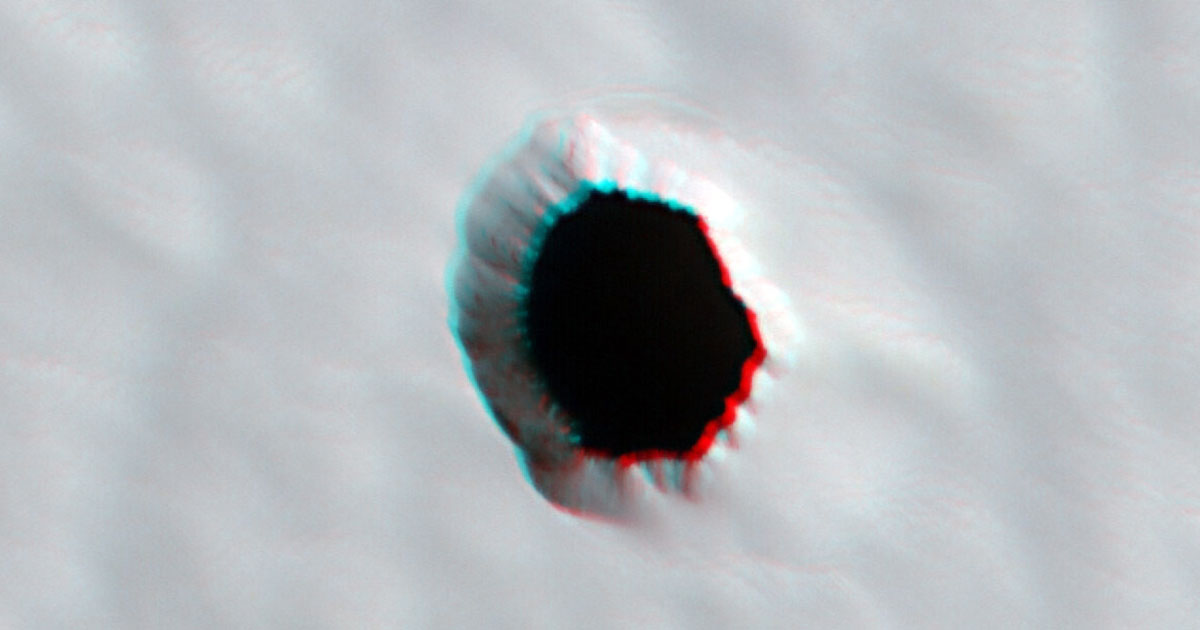
NASA's Mars Reconnaissance Orbiter (MRO) has discovered another intriguing formation on the planet's barren surface. Despite their best efforts, scientists can only guess as to how exactly holes like this one were formed.
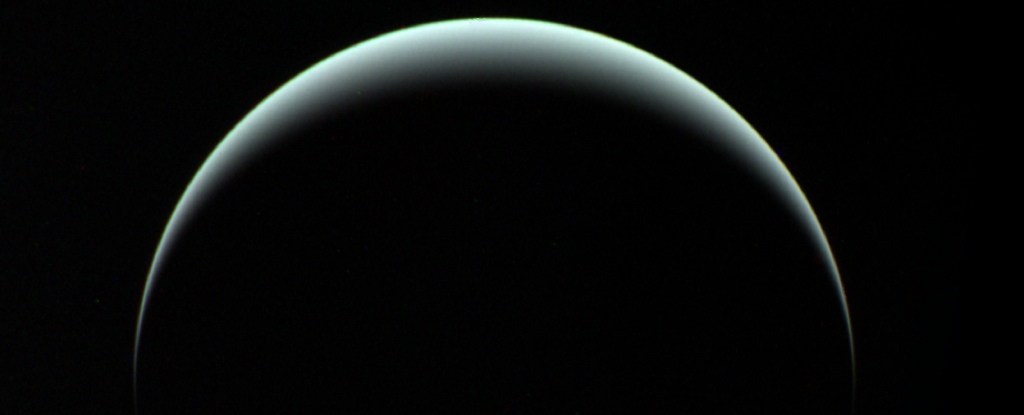
One of the most peculiar things about Uranus and Neptune is their magnetic fields.
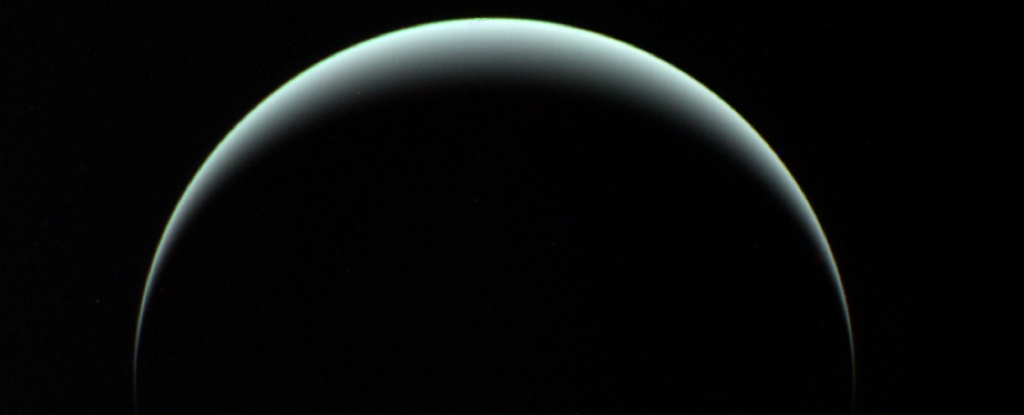
One of the most peculiar things about Uranus and Neptune is their magnetic fields.
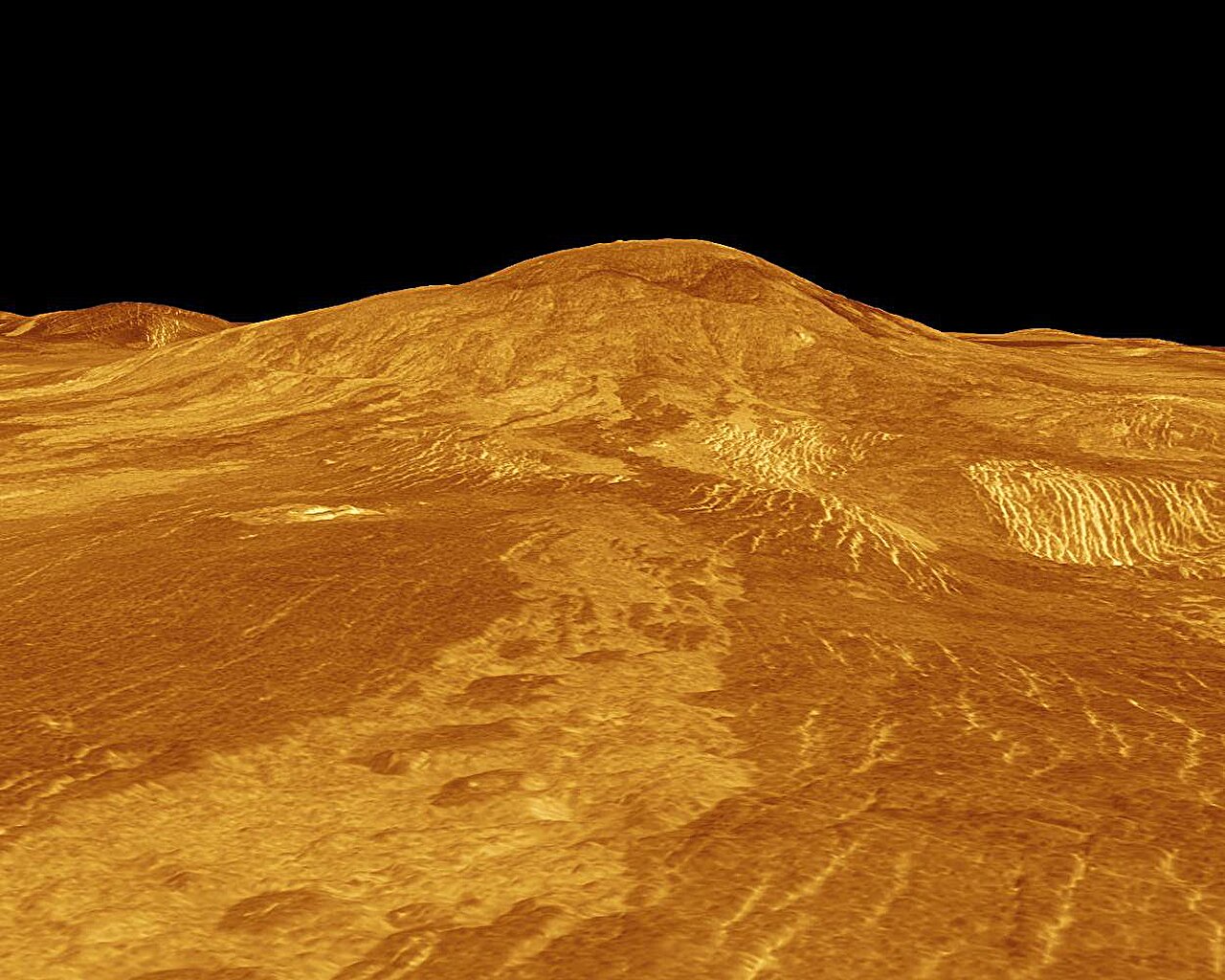
A new analysis of data collected on Venus more than 30 years ago suggests the planet may currently be volcanically active.
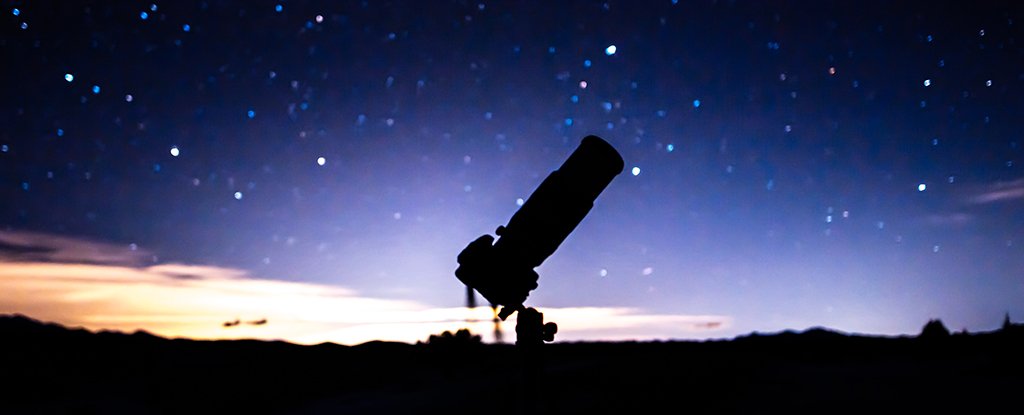
Six of the planets of the Solar System are about to line up for a rare sight in Earth's sky.

Nasa says its Perseverance rover has essentially completed the job it was asked to do when it landed on Mars in February 2021.
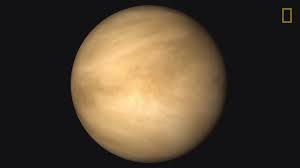
A new study details dissociative recombination, which may have led to Venus losing its water.


