

A new U.S. study released earlier this month reports on a worrying link between higher levels of air pollution and faster bone loss through osteoporosis
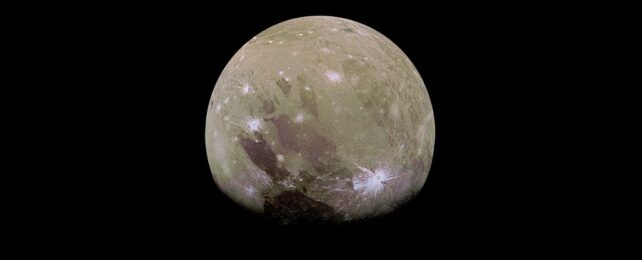
Two newly discovered forms of frozen salt water could help scientists resolve a mystery concerning the Solar System's ice-encrusted moons.

A high-risk stem cell transplant has rid a middle-aged man of any signs of the human immunodeficiency virus (HIV) more than nine years after treatment.

Netherland's team of researchers developed a light sensor more sensitive than anything built before.

A comma-shaped molecular cloud near the center of the Milky Way seems to be orbiting one of the most sought-after objects in astronomy - an intermediate black hole.

In the southern hemisphere summer of 2022, the amount of sea ice dropped to 1.92m sq km on 25 February – an all-time low based on satellite observations that started in 1979.

The new layer of the inner core consists of an iron-nickel alloy, like other parts of the core, but it has a different crystal structure.

Observations of supermassive black holes at the centres of galaxies point to a likely source of dark energy - the "missing" 70% of the Universe.

A UK University team developed a system able to transport information from one chip to another with a reliability of 99.999993% at record speeds.

The dwarf planet is known as Quaoar. The presence of a ring at a distance of almost seven and a half times the radius of Quaoar, opens up a mystery for astronomers to solve: why has this material not coalesced into a small moon?

One newly discovered dwarf galaxy, FAST J0139+4328, located a mere 94 million light-years away is barely emitting any light at all. The galaxy seems to be made up almost entirely of dark matter.

In 2021, a global assessment found a shocking one-third of all tree species are currently teetering on the edge of existence. The extinction of a single species can cause a massive domino effect.

Japan marked progress toward its green energy transition with the start of a new offshore wind farm at Noshiro Port in Akita Prefecture.

Construction of the world’s first offshore wind farm featuring 16 megawatt (MW) wind turbines has started in China.

The facility will generate energy that is equivalent to 370 million cubic meters of gas per year.


