

Scientists have observed yet another type of magnetism for the first time within a lab-made crystal, promising to drive improvements in efficiency and speed in electronics as well as open new areas to explore in fundamental physics.
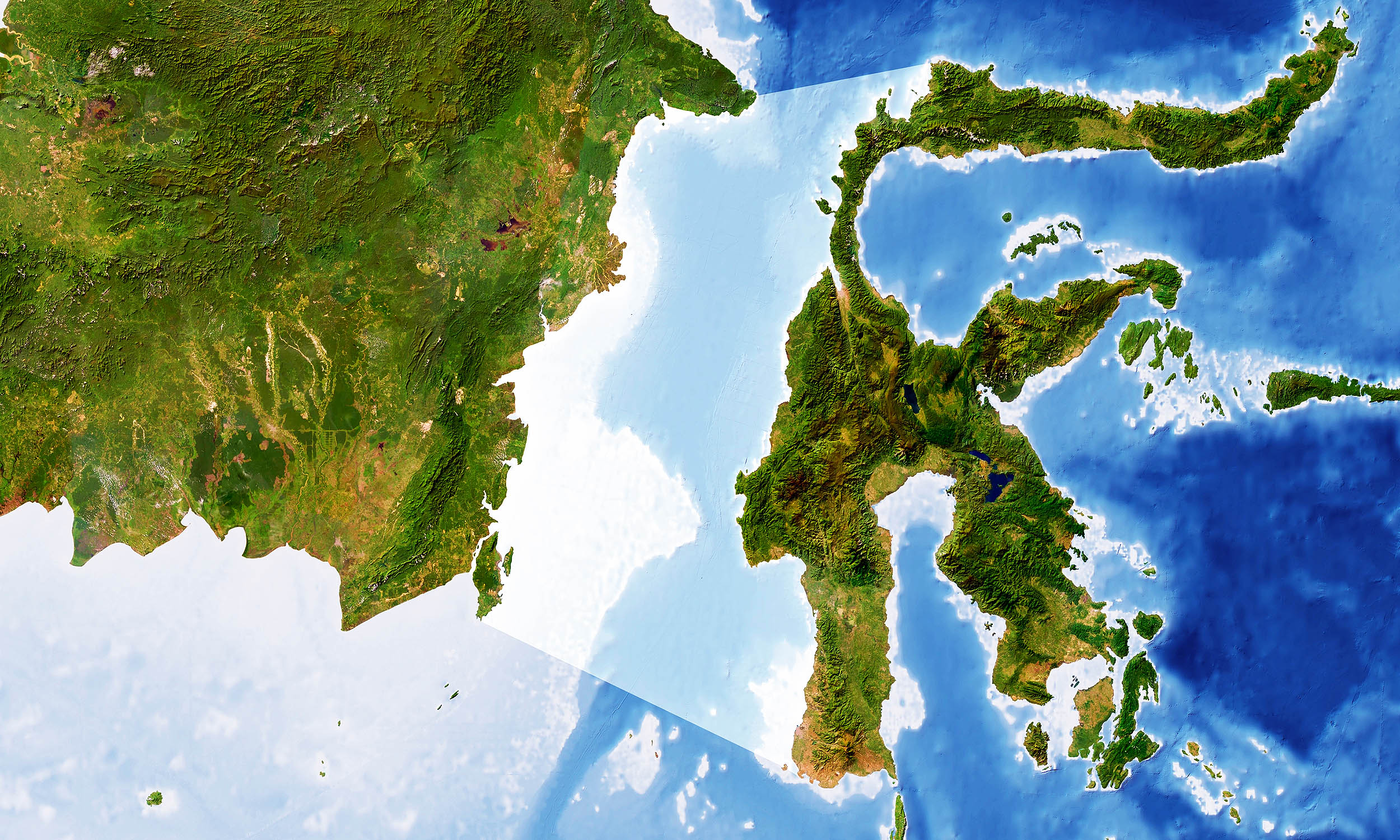
The Wallace Line divides species in Southeast Asia. A deep ocean trench prevents animal migration. Even flying birds rarely cross it.
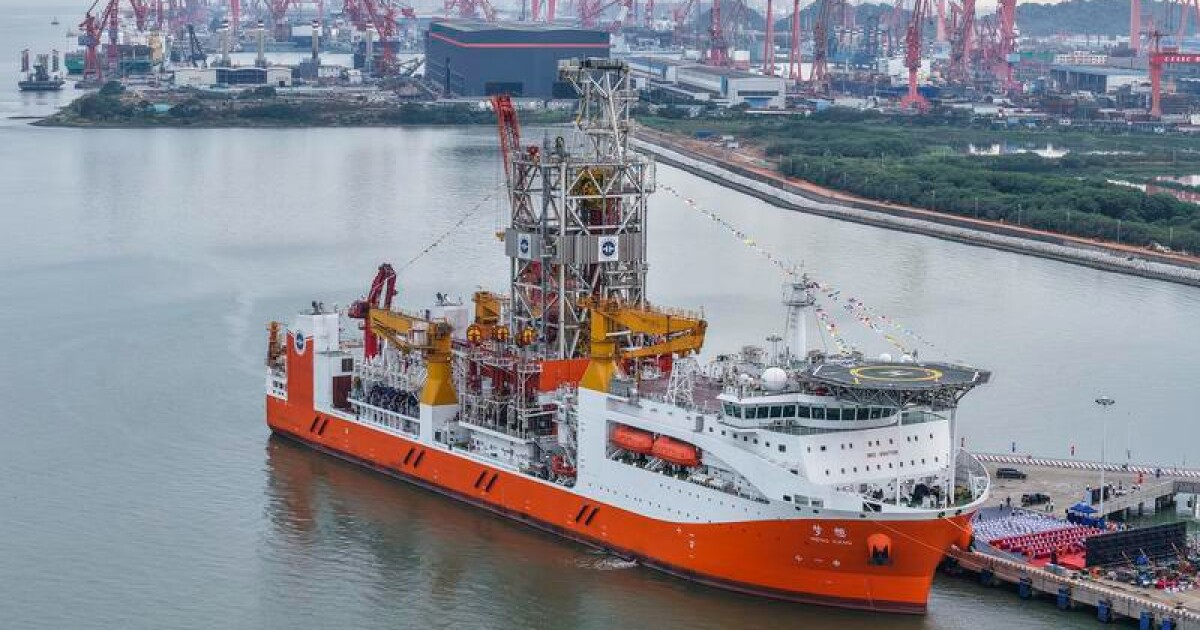
China is going full Jules Verne as it prepares to go where no drill has gone before. As part of its Deep Ocean Drilling Program, the special-built Meng Xiang ("Dream") drill ship is gearing up for a multi-year effort to pierce the Earth's crust.
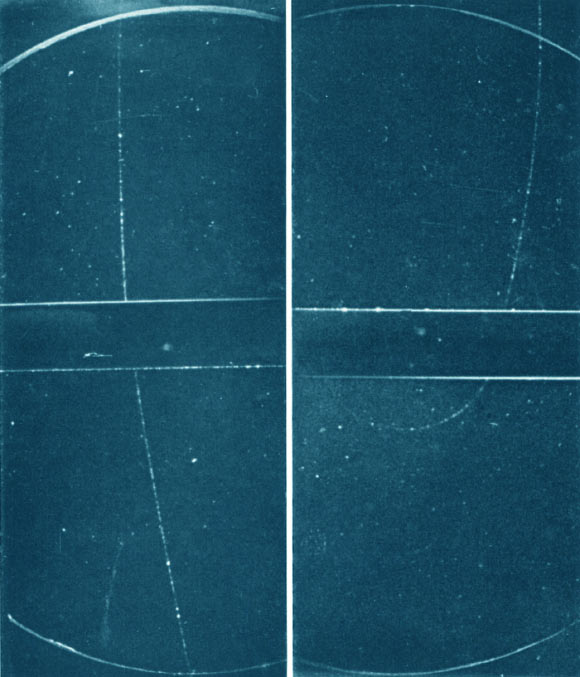
Physicists from the Muon g-2 experiment have released their third measurement of the muon magnetic anomaly.

A team of astronomers led by Michael Janssen (Radboud University, The Netherlands) has trained a neural network with millions of synthetic black hole data sets.
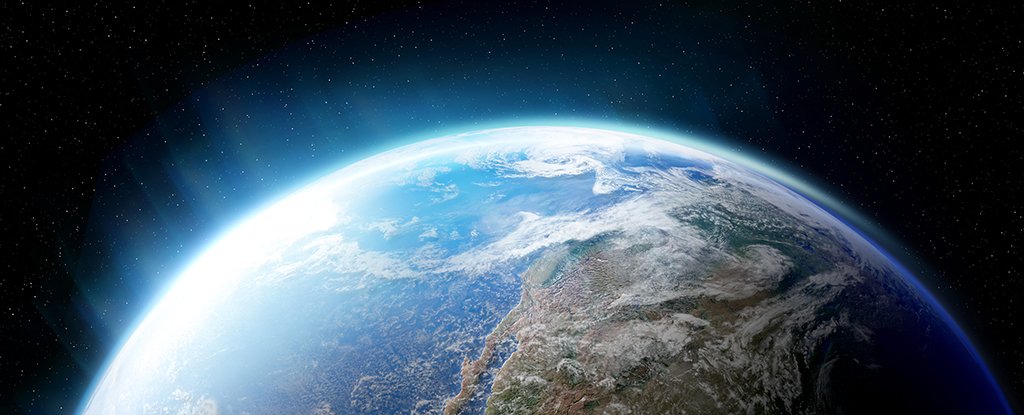
But Earth's atmosphere wasn't always like it is today, and scientists predict that in the future, it will revert back to one that's rich in methane and low in oxygen.
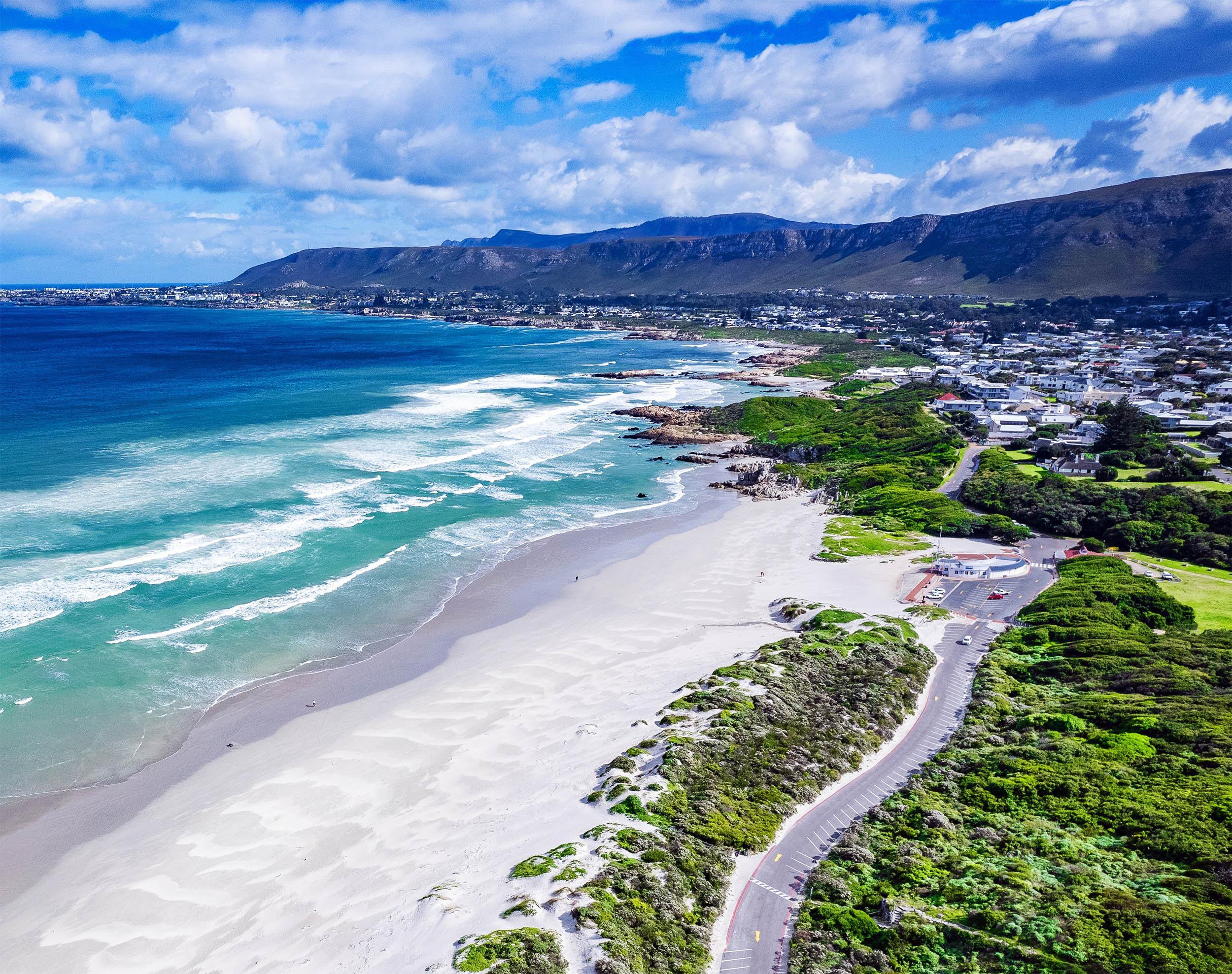
South Africa's land is rising due to long-term drought. GPS and satellite data show the uplift is linked to drying underground water.
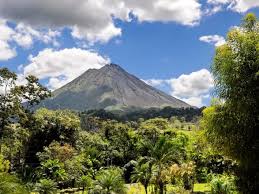
Volcanoes often give little warning before they erupt, but now scientists have discovered an unexpected early warning sign—trees.

Scientists in China have developed contact lenses that let wearers see light normally invisible to the human eye.

For the first time, scientists have caught lightning in the act of unleashing a powerful burst of gamma radiation known as a terrestrial gamma-ray flash (TGF).

A groundbreaking milestone was reached earlier this month as surgeons collaborated to successfully complete the world’s first-in-human bladder transplant.

Here are nine natural mysteries across the world that scientists have yet to fully explain.

Scientists have developed a new material that incorporates living cells, so it's biodegradable and can help break down waste too. Oh, and you can eat it, if you're curious like that.

Researchers from Germany have simulated ancient environment in a vial, and found that archaic life forms that live in the deep sea today can thrive under these primordial conditions.

According to a large study involving over 85,000 people in the UK, the more steps you take each day, the lower your chances of developing up to 13 different types of cancer.


