

Before it goes out in a blaze of glory, Cassini has been sending back some of the most incredible images of Saturn and its moons—but one of its latest from Saturn’s rings is especially spectacular.

New state of matter - the first 3-D quantum liquid crystals may have applications in ultrafast quantum computing.

Researchers are turning glass bottles into high performance lithium-ion batteries for electric vehicles and personal electronics .

The study of alien worlds is entering its next phase as astronomers amass the best planets outside our Solar System to look for signs of life. A newly discovered “super-Earth” has catapulted itself to the top of that list.

The WFIRST mission, the next in the agency’s line of powerful observatories after the Hubble and James Webb telescopes to probe the make-up of planets around nearby stars and a bigger-than-expected launch vehicle.

The global advanced biofuel market is likely to grow close to 44 percent by 2021, according to a latest report.

Albania has inaugurated its first waste-to-energy plant. The plant will be able to generate 2.85 MW of electricity per hour.
A team of UK researchers have developed a machine-learning algorithm that can predict a likelihood of having a heart attack or stroke as well as any doctor.

Led by the former head of DARPA and Google ATAP, Regina Dugan, Building 8 has created a way to talk to your computer with your brain.

Forget the gloom and doom of crowded graveyards – you can know turn the ashes of your loved ones into a blossoming coral reef under the sea.
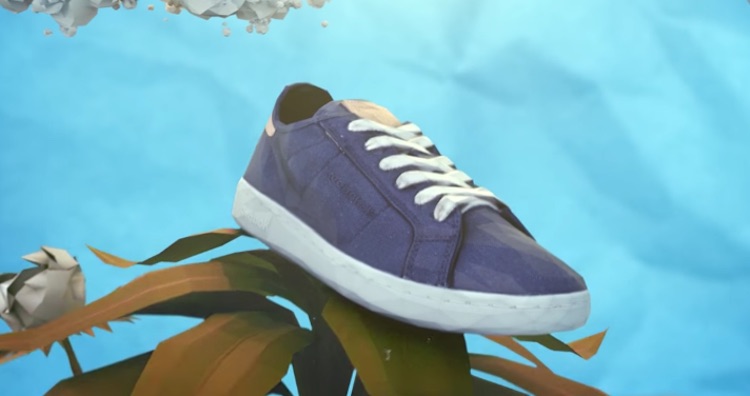
These slick new kicks will be the first pair of shoes made entirely out of compostable plant-based materials.

April 22 is Earth Day, and while it’s a time to celebrate our planet, it’s also an opportunity to take a look at the serious environmental issues we’re facing.

Researchers estimate that approximately 13.1 million people could be displaced by rising ocean waters.

Social networks are an ideal stage for narcissists to showcase themselves. Accordingly, a lot of people with narcissistic traits are drawn to these platforms as a new study conducted by psychologists.

Some communities in the US - most notably New York City - have eliminated the use of trans fats in restaurants and eateries in recent years.


