

A day after the UAE's Hope probe entered into the orbit of Mars, China has followed suit. In May, the probe will land a Chinese rover on Mars. The goal of Tianwen-1 is to survey the atmosphere from orbit.

A giant iceberg, larger than the size of most European cities, has broken away from Antarctica. Scientists had been expecting a huge chunk of ice to break away for almost a decade after the first "vast cracks" had formed.

Perseverance, the largest, most advanced rover NASA has sent to another world, touched down on Mars yesterday. The $2.4 billion rover arrived at Jezero Crater, a basin that scientists say was once flooded with liquid water.

King Island residents in Tasmania will soon enjoy renewable energy harnessed from wave swells. Currently, about two-thirds of the island’s energy needs are covered by wind and solar power.
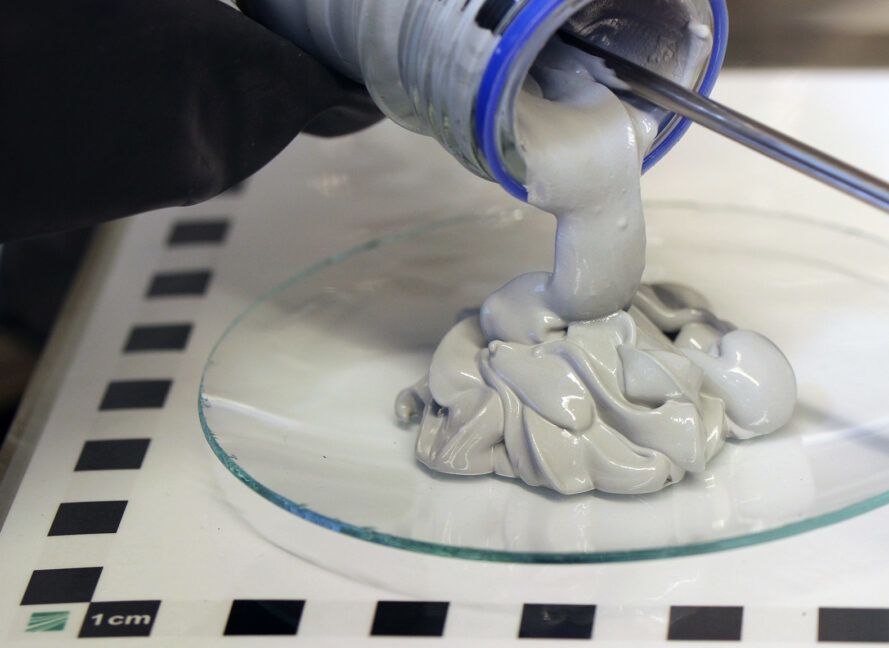
German researchers have created POWERPASTE, a hydrogen fuel paste that could one day be used to fuel vehicles. The product is created from a magnesium base and would be stored in vehicles in the form of a cartridge.

Since element 99 - einsteinium - is very hard to create and it is exceptionally radioactive. A team of chemists has overcome these obstacles to report the first study characterizing some of its properties.

Eating too much fat and sugar as a child can alter your microbiome for life, even if you later learn to eat healthier, a new study in mice suggests.

A new study provides evidence of a mechanism by which climate change could have played a direct role in the emergence of SARS-CoV-2, the virus that caused the COVID-19 pandemic.

Robotic dogs, laughter therapy and mindfulness are some of the ways that might help people - particularly the elderly - cope with loneliness and social isolation while social distancing, say UK researchers.

Researchers using the Hubble Space Telescope observed one of the closest globulars to Earth – NGC 6397 and were surprised to find signs of multiple stellar-mass black holes.

Lunar Gateway will be an orbiting habitat that will allow astronauts to make regular trips to and from the lunar surface. NASA has signed a contract with SpaceX to launch modules of the Gateway aboard a a Falcon Heavy rocket in 2024.

"Mining" for the cryptocurrency is power-hungry, involving heavy computer calculations to verify transactions. If Bitcoin was a country, it would be in the top 30 energy users woldwide.

Geoscientists have released a video that for the first time shows the uninterrupted movement of the Earth’s tectonic plates over the past billion years. On a human timescale however - things move in cm per year.
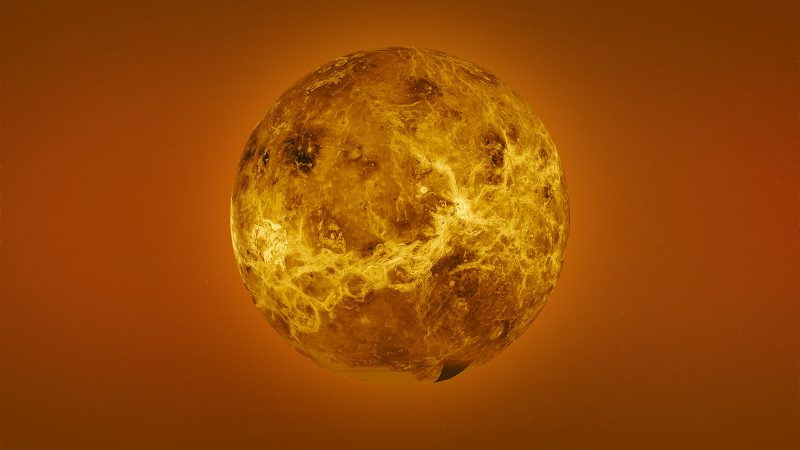
The widely-publicized detection of phosphine gas on Venus – a possible "biosignature" suggesting the hellish planet could have living microbes in its clouds – was probably caused by sulfur gas.

The construction project, believed to be the biggest in Danish history, will link hundreds of wind turbines to deliver enough electricity for millions of households. Authorities hope to have the hub operable by 2033.


