

Humans may feel small when contemplating the universe, but astronomers are closer than ever to at least making us feel a little less lonely thanks to a new method of measuring planetary habitability and advances in telescope technology.
The James Webb Space Telescope (JWST), as the largest space-based astronomical observatory with near- and mid-infrared instrumentation, will elucidate many mysterious aspects of comets.
Some 300 hot Jupiters have been identified over the past two decades, and this is the first time any close-in planets were discovered.

The new field of exoplanet science has progressed rapidly in the last two decades: Astronomers have now confirmed the existence of nearly 2,000 planets beyond our own solar system.

Astronomers at the University of Maryland, observed the event, which is the closest tidal disruption discovered in about a decade.

For decades, Alan Stern talked about how important it was to send a spacecraft to Pluto. Those speeches, given to any audience willing to lend an ear, helped build up support for a mission to what was once classified the ninth planet, maintain support once NASA agreed to fly a mission after previous efforts foundered, and to retain interest once New Horizons was on its long cruise to Pluto.

Dr Amitabha Ghosh, who has worked in multiple Mars missions of National Aeronautics and Space Administration (Nasa) since the US launched the Mars Pathfinder spacecraft in 1996, believes that one day space travel will become "affordable".

Five possible space missions have been selected by NASA to receive preliminary funding, ahead of a possible launch as early as 2020. Each of the projects, chosen as part of NASA
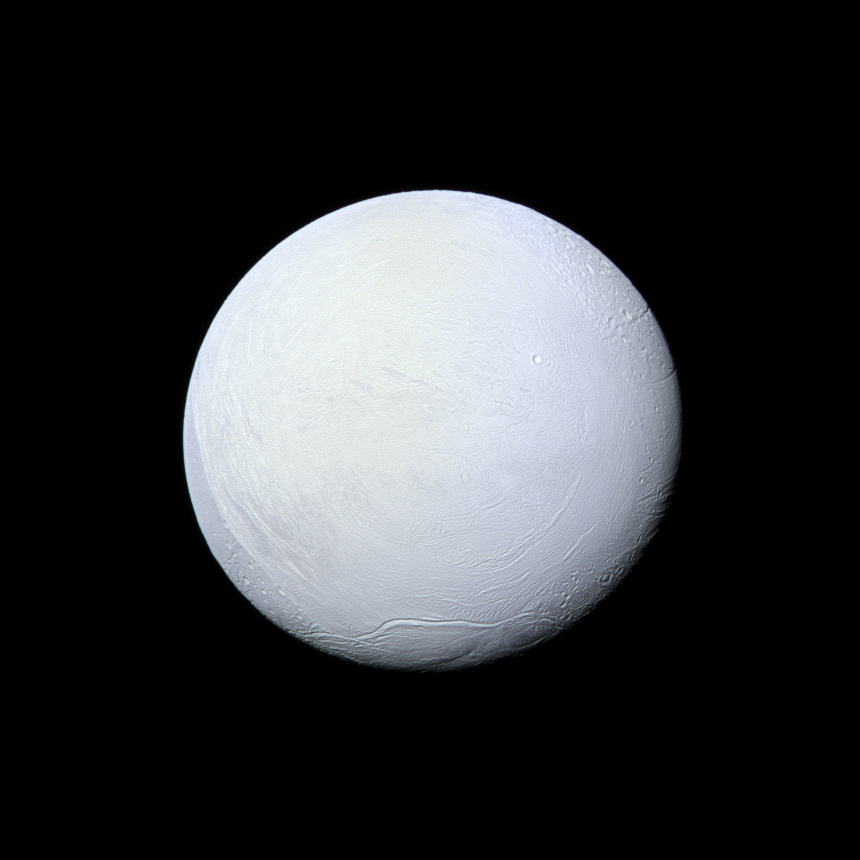
Scientists are developing a mission concept that would send a probe flying through the plume created by the 100-odd geysers erupting from the south polar region of Saturn
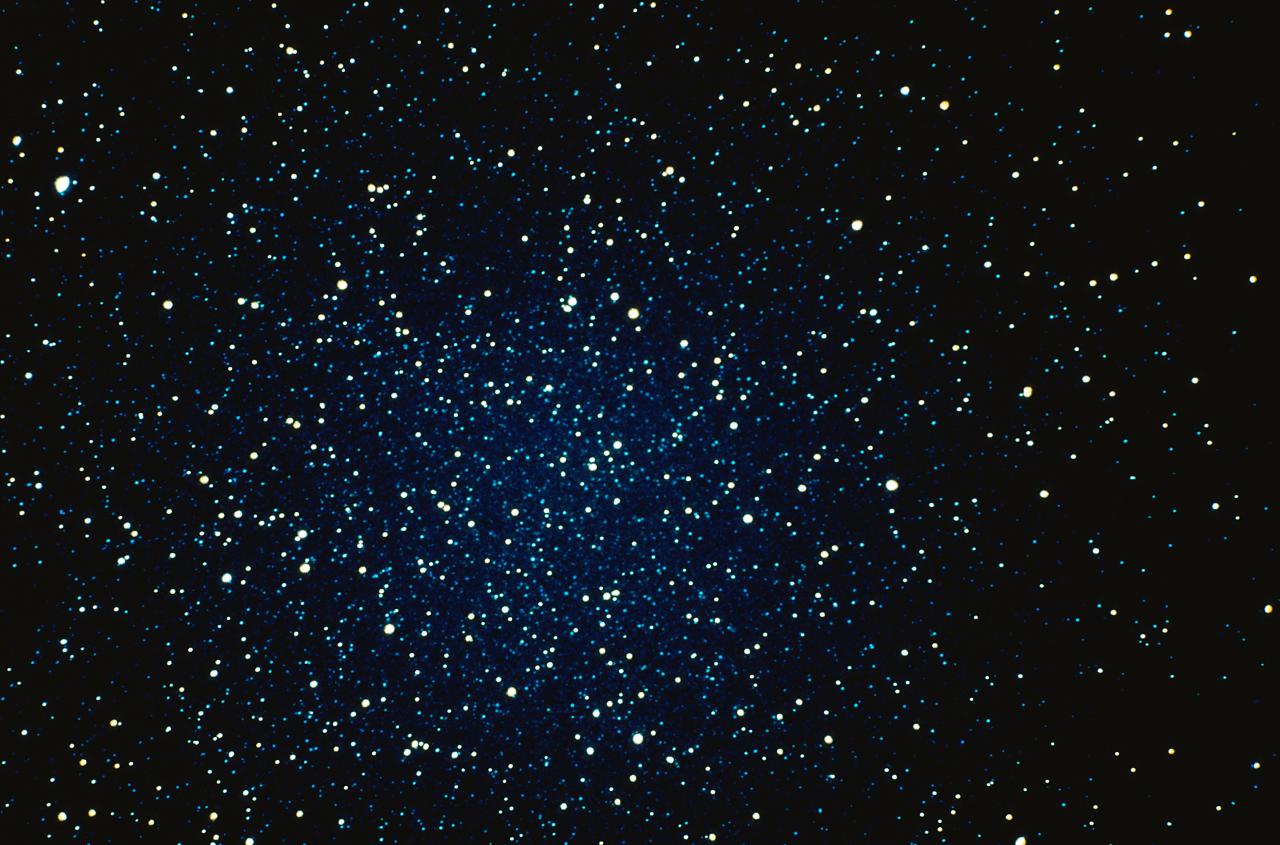
In January 2002, astronomers discovered a massive explosion coming from V838 Monocerotis. They initially thought they were witnessing a supernova, but after the initial flash of light began to dim (as expected), it began to brighten again in infrared wavelengths at the beginning of March. After that brightening faded, another one happened in April.

Dr. Harold "Sonny" White, the Advanced Propulsion Theme Lead for the NASA Engineering Directorate has said that "a Star Trek experience within our lifetime is not such a remote possibility."
A record-breaking star system has been discovered, playing host to nine alien worlds -- including three "super-Earths."
The pulsar at the center of the famous Crab Nebula is a veritable bundle of energy. Astronomers observed the pulsar in the area of very high energy gamma radiation from 25 up to 400 gigaelectronvolts (GeV), a region that was previously difficult to access with high energy instruments, and discovered that it actually emits pulses with the maximum energy of up to 400 GeV -- 50 to 100 times higher than theorists thought possible. These latest observations are difficult for astrophysicists to explain.

First spectroscopic results from BOSS give the most detailed look yet at the time when dark energy turned on some six billion light years ago, as the expansion of the universe was slipping from the grasp of matter

(PhysOrg.com) -- Some six billion light years distant, almost halfway from now back to the big bang, the universe was undergoing an elemental change. Held back until then by the mutual gravitational attraction of all the matter it contained, the universe had been expanding ever more slowly. Then, as matter spread out and its density decreased, dark energy took over and expansion began to accelerate.


