

As far as stars go, these two are rather close together to have such massive, Jupiter-sized planets orbiting them. The planets and their stars were found 154 light-years away in the constellation Libra.
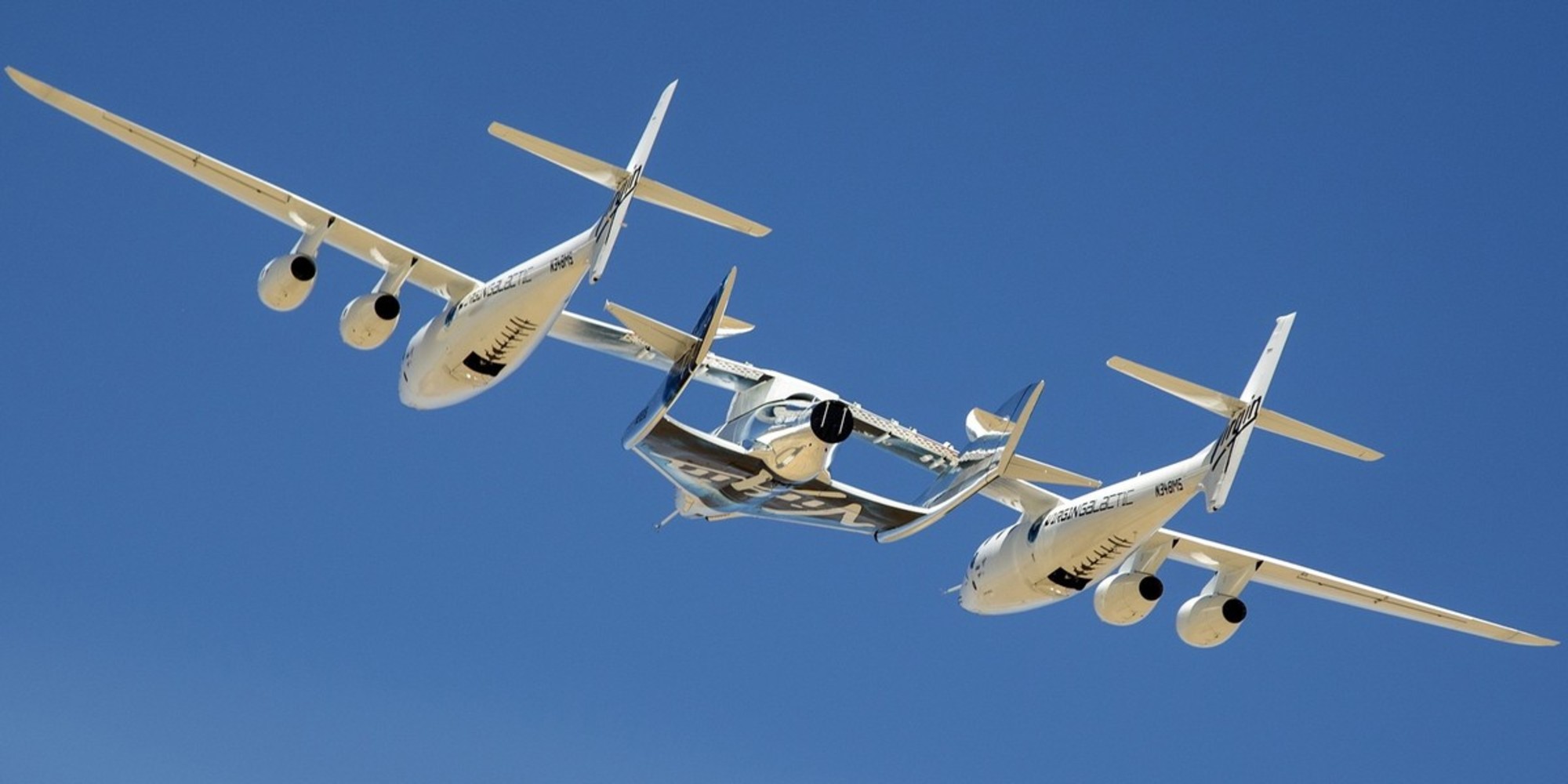
Anchored to a carrier aircraft, Virgin SpaceShip Unity takes to the skies in Mojave, Calif.
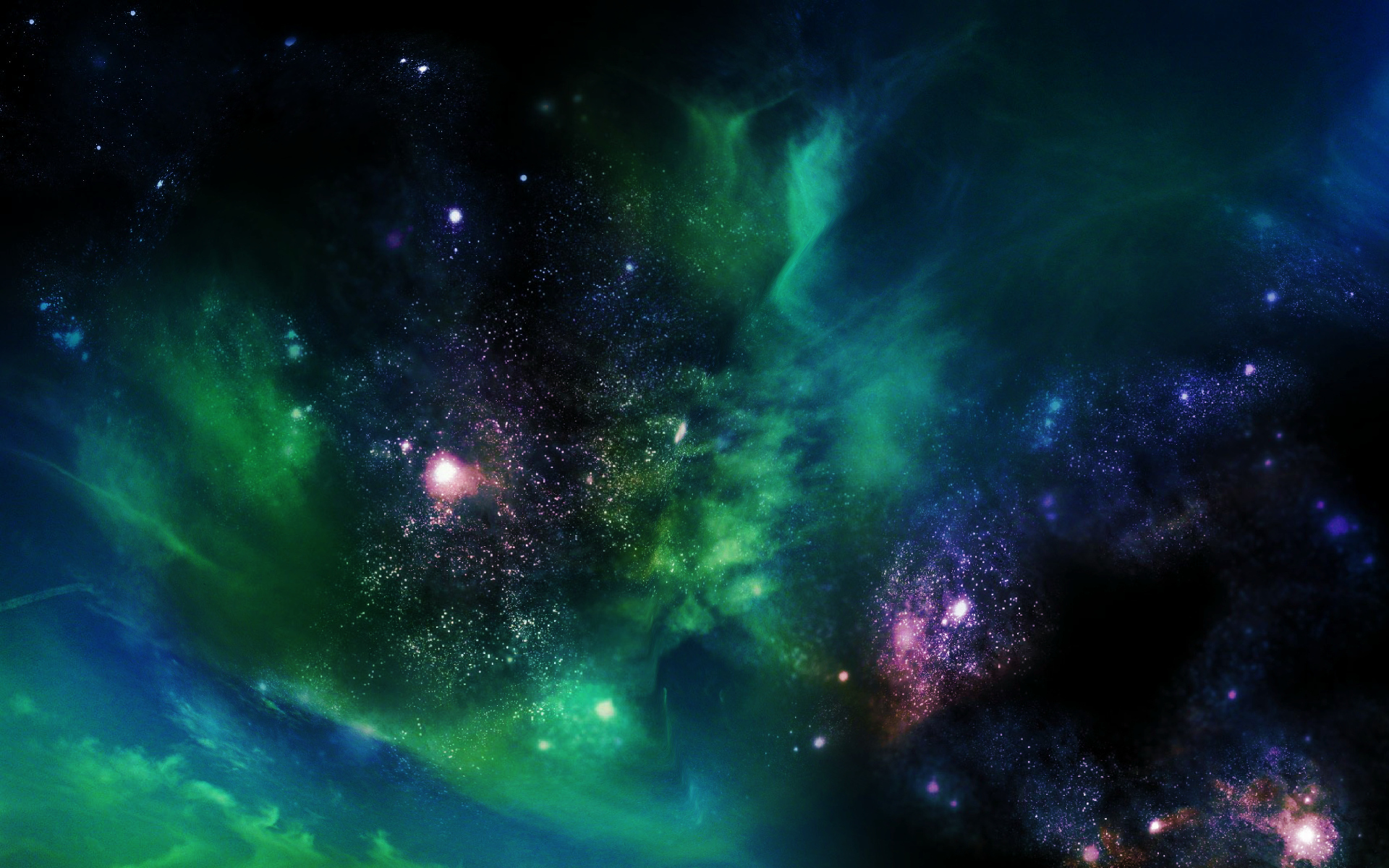
Computer simulations of a spherical collection of stars known as 'NGC 6101' reveal that it contains hundreds of black holes, until now thought impossible.

Humanity is about to deepen its understanding of Earth's winds. The European Space Agency has secured a rocket launch deal for its wind-tracking Aeolus satellite, which is now expected to enter orbit before the end of 2017.

The Global Seed Vault is a vast storehouse far north of the Arctic Circle. In it are half a billion seeds from around the world. The vault is meant to safeguard humanity against losing vital food stocks to extinction, natural disaster, nuclear war or climate change.

Scientists believe Venus was once Earth-like. How is this possible and what caused the planet to turn toxic?

Research by Rice University Earth scientists suggests that virtually all of Earth’s life-giving carbon could have come from a collision about 4.4 billion years ago between Earth and an embryonic planet similar to Mercury.

NASA's Juno spacecraft has sent back the first-ever images of Jupiter's north pole, taken during the spacecraft's first flyby of the planet with its instruments switched on.

OSIRIS-REx will bring back specimens for researchers to interrogate inside high-tech labs around the world, seeking clues about the origin of life, water and the planets themselves. The results could be skewed by an unexpected microbe or spore from planet Earth.
An international team of astronomers led by Italian Claudio Maccone has published the first preliminary data on the signal, which comes from a star 95 light years away.

One year ago, six volunteers entered a 36-by-20 foot dome, located near a barren volcano in Hawaii, to simulate what living conditions would be like on Mars. Today they re-emerged from their year-long isolation.

The astronauts who will one day be the first to walk on Mars are likely middle school students today. A virtual reality tour of Mars is done on a retrofitted school bus outside the Denver Museum of Nature, USA
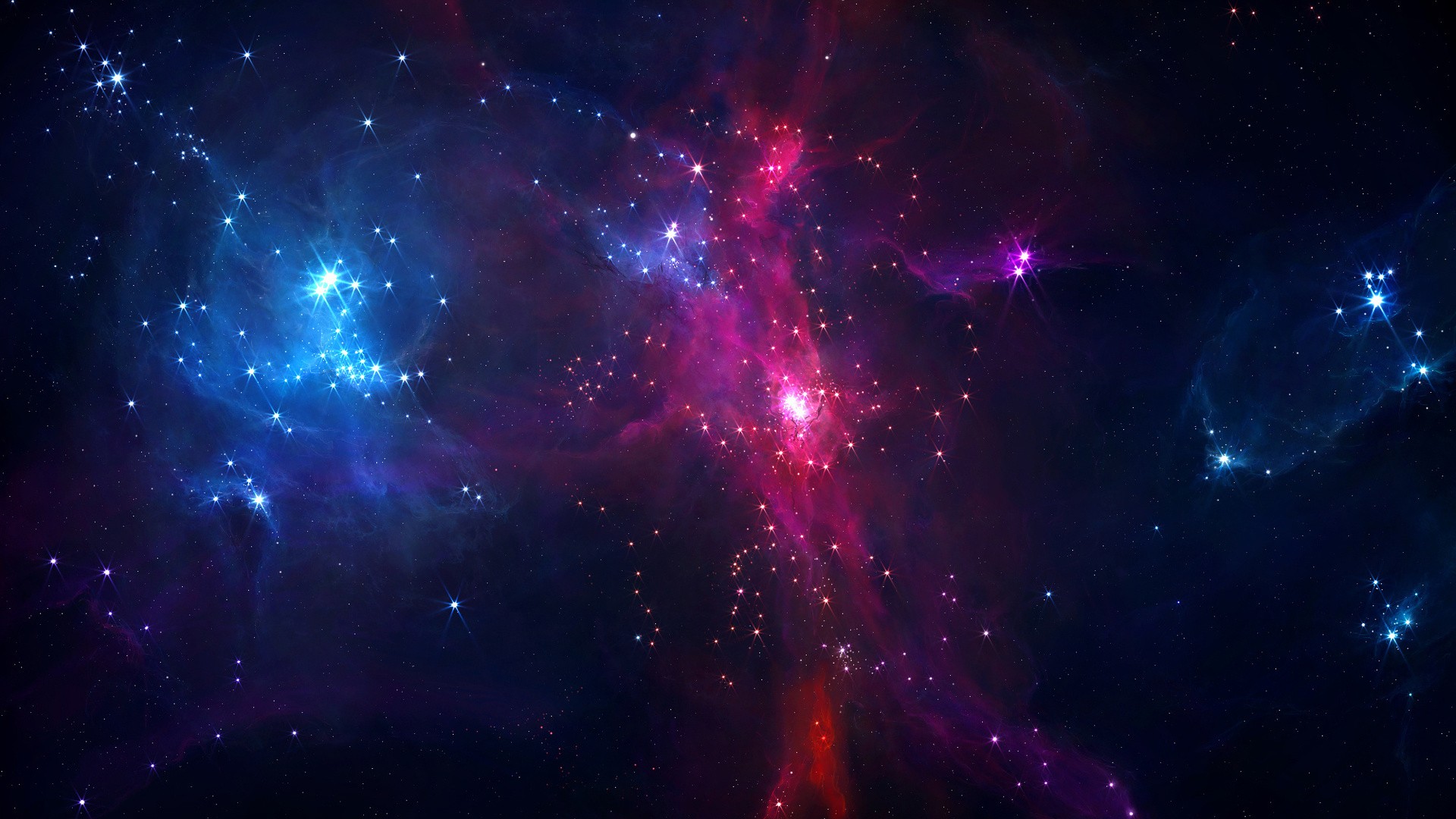
Dragonfly 44, as it has been named, is roughly the same size as our Milky Way but with far fewer stars. Rather, the galaxy appears to be composed largely of dark matter, which does not emit light or interact with electromagnetic radiation.

New stars are formed in the undulating clouds of M8, also commonly referred to as the Lagoon Nebula, situated some 5,000 light years from our planet.

A new planet that bears striking similarities to our own planet prompts remarkable inroad into the study of space. This also brings a new area to search for the possibility of extraterrestrial life.


