
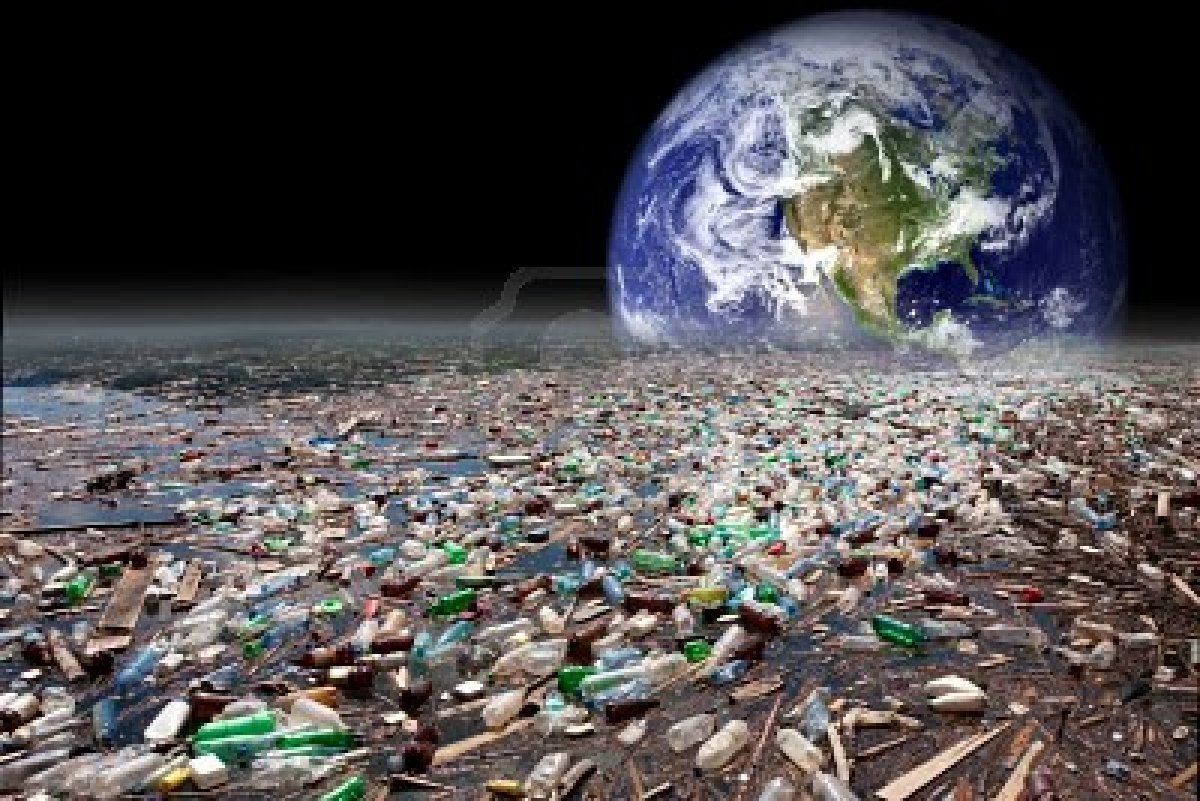
Over the last 800,000 years, pre-industrial atmospheric CO2 content remained below 280 ppm, but it has now risen to the 2016 global average of 403.3 ppm.

Human’s impact on nature is unmistakable, from vast swaths of lost forest to heaps of trash on beaches. Before these species go extinct one photographer is trying to document these species facing the struggle before it’s too late.

In the past decades, large areas of forest in Sumatra, Indonesia, have been replaced by cash crops like oil palm and rubber plantations. New research shows that these changes in land use increase temperatures in the region.

Pollution kills more people each year than wars, disasters and hunger, also causing huge economic damage, a study says. Almost half the total deaths occur in just two countries.

E-cigarettes appear to trigger unique immune responses as well as the same ones that cigarettes trigger that can lead to lung disease, according to a new research.

The total flying insect biomass decreased by more than 75 percent over 27 years in protected areas, according to a study .

30 years on ozone hole healing is proving painfully slow. New discoveries about chemicals not covered by the Montreal protocol are raising fears that full recovery could be postponed into the 22nd century — or possibly even prevented altogether.

According to the World Wildlife Fund said unseasonably extensive amounts of sea ice around the colony forced the adult penguins to travel further than normal to forage for food. The babies did not survive the parents' journeys.

Canadian experts say new research on ‘grim’ health crisis highlights need for action, including ad restrictions and better food access
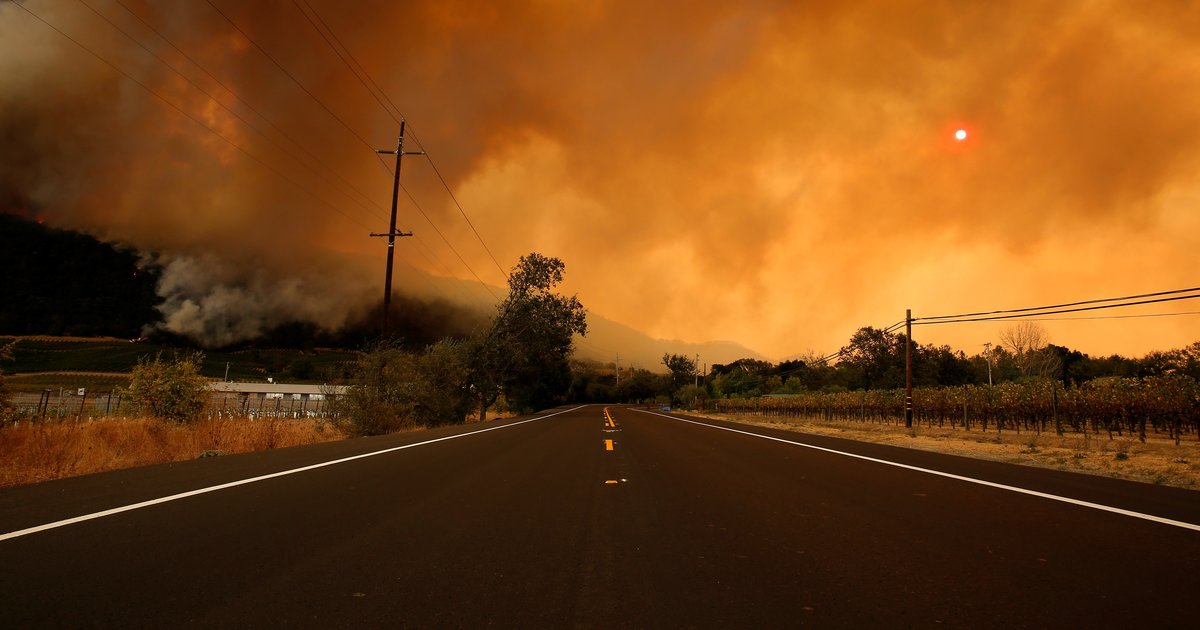
Health experts warn of the effects of the fine-particulate pollution generated by wildfires, which are worsening in part due to climate change.

Neonicotinoids, the chemicals commonly found in pesticides, have been linked to colony collapse in bee populations.

Silicon Valley rose as water use restrictions kicked in.

Tropical Storm Ophelia poised to tie a hurricane season record more than a century old.

Without tax subsidies, 6 billion tonnes of CO2 could be avoided in USA over the next several decades.

An estimated 3400 ‘throwaway’ bottles are produced by Coca-cola every second, according Greenpeace.


