

Neptune is fondly known for being a rich blue and Uranus green – but a new study has revealed that the two ice giants are actually far closer in colour than typically thought.

Jupiter's largest moon, Ganymede, features a surprisingly strong magnetic field for its size. Now, a new experimental study has put one of the leading models of core dynamics to the test: the formation of crystalized 'iron snow'.

Engineers at NASA successfully test-fired an innovative Rotating Detonation Rocket Engine combustor, a potentially revolutionary propulsion technology that could deliver a lander to the lunar surface or propel a spacecraft to Mars.

India has recently launched its first satellite to study black holes as it seeks to deepen its space exploration efforts ahead of an ambitious crewed mission next year.
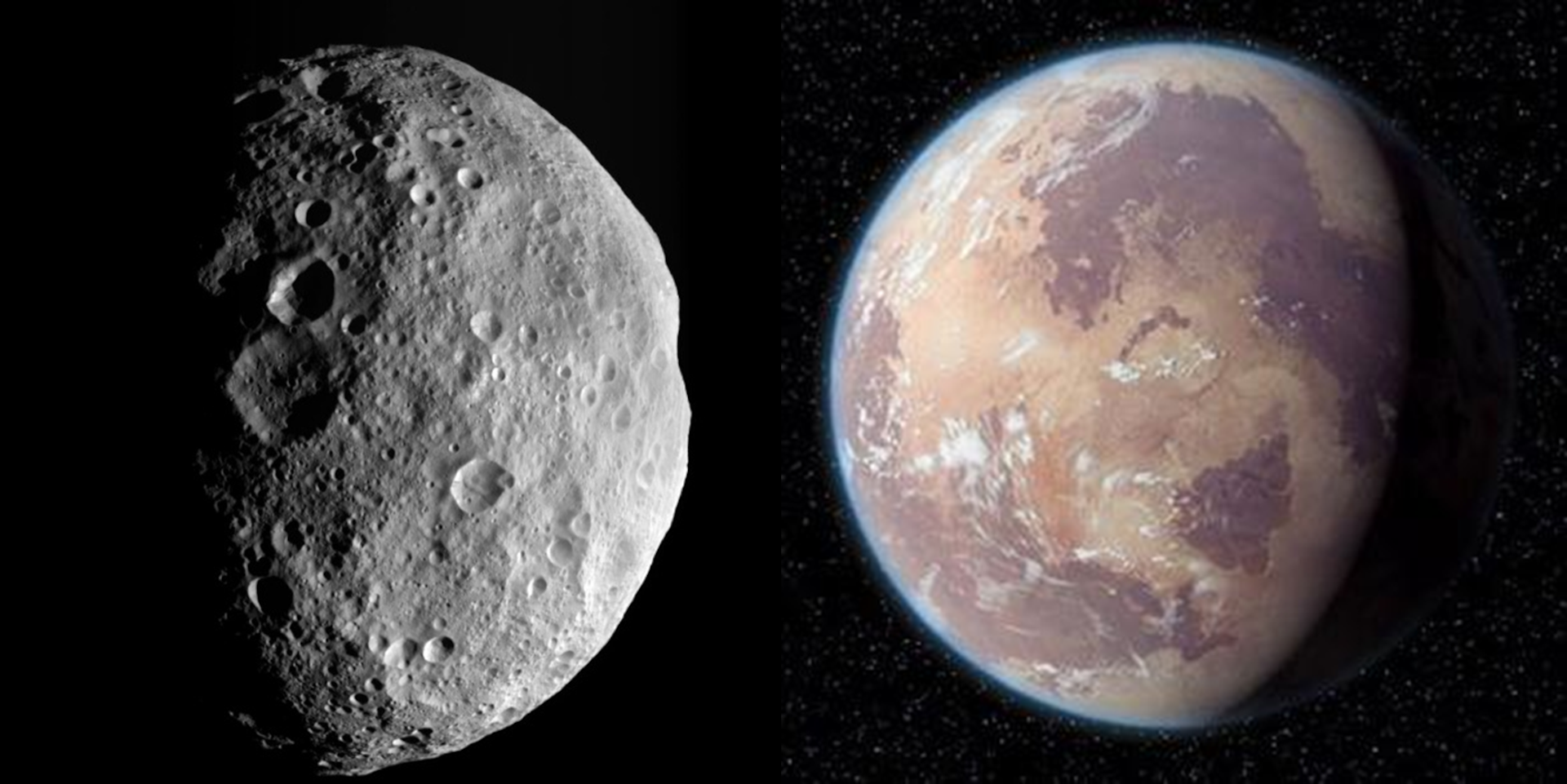
The presence of veins in Tatahouine meteorite suggest the sample has experienced pressures of up to 25 gigapascals (GPa) of pressure. The pressure at the bottom of the Mariana Trench, the deepest part of our ocean, is only 0.1 GPa.

Discovered in 2013 as the source of rampant star formation just 880 million years after the Big Bang, a 'galaxy' named HFLS3 is not a galaxy at all. HFLS3 is actually six galaxies undergoing an epic, giant collision at the dawn of time.

High cholesterol is becoming an all-too common health problem. Now a new vaccine currently in development promises to effectively and affordably lower levels of 'bad' cholesterol in the body.

Japan's SLIM space probe entered the moon's orbit on Monday in a major step towards the country's first successful lunar landing, expected next month.

Scientists in the US have found a way to destroy cancer cells by stimulating molecules with near-infrared light and causing them to vibrate. The researchers found that the method was 99 % effective against melanoma cells.
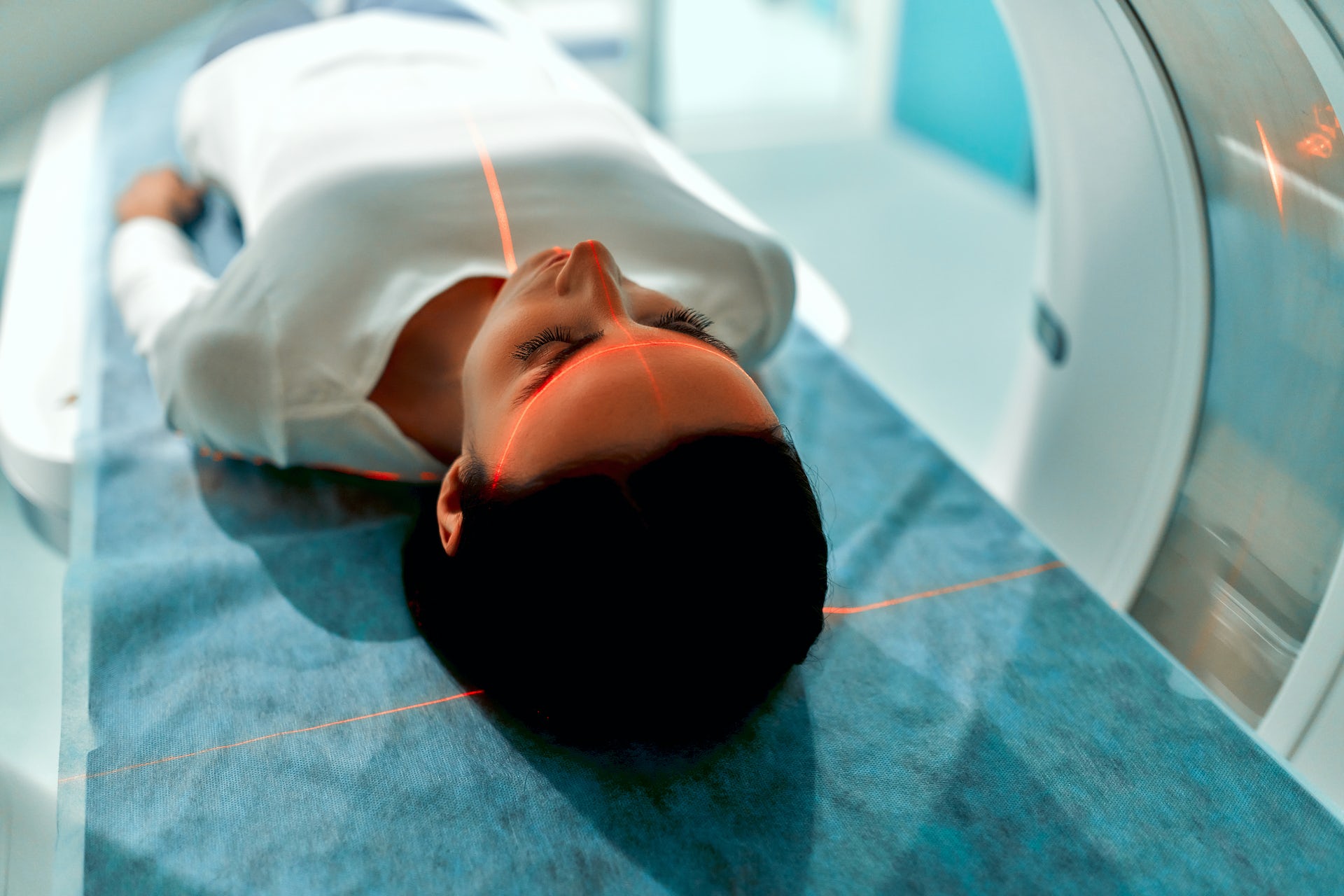
Research suggests AI could diagnose depression from health records or even social media posts. And it could overcome GP bias when it comes to prescribing medications.
Scientists have now demonstrated how weirdness can be harnessed to charge a quantum battery.

The study examined placentas donated by women who delivered in Hawaiʻi from 2006 to 2021. The rise in microplastics found in the placentas of Hawaiʻi mothers corresponds with the skyrocketing levels of global plastic production.

U.S researchers have made a landmark discovery in the field of mental health, potentially leading to a blood test capable of detecting suicidal thoughts in individuals with major depressive disorder.

A rare species of ray has been declared extinct after an assessment by an international team led by Charles Darwin University.

A team led by geoscientists Yachong An and Hao Ding of Wuhan University have determined that Earth's inner core wobbles with a periodicity of 8.5 years.


