

Data from Chinese Zhurong rover provide an unprecedented look into rocks buried near a proposed shoreline billions of years old. The researchers claim to have found beach deposits from an ancient Martian ocean.

Atomic nuclei may be more complex than we thought, and may have implications for our understanding of the formation of heavy elements.
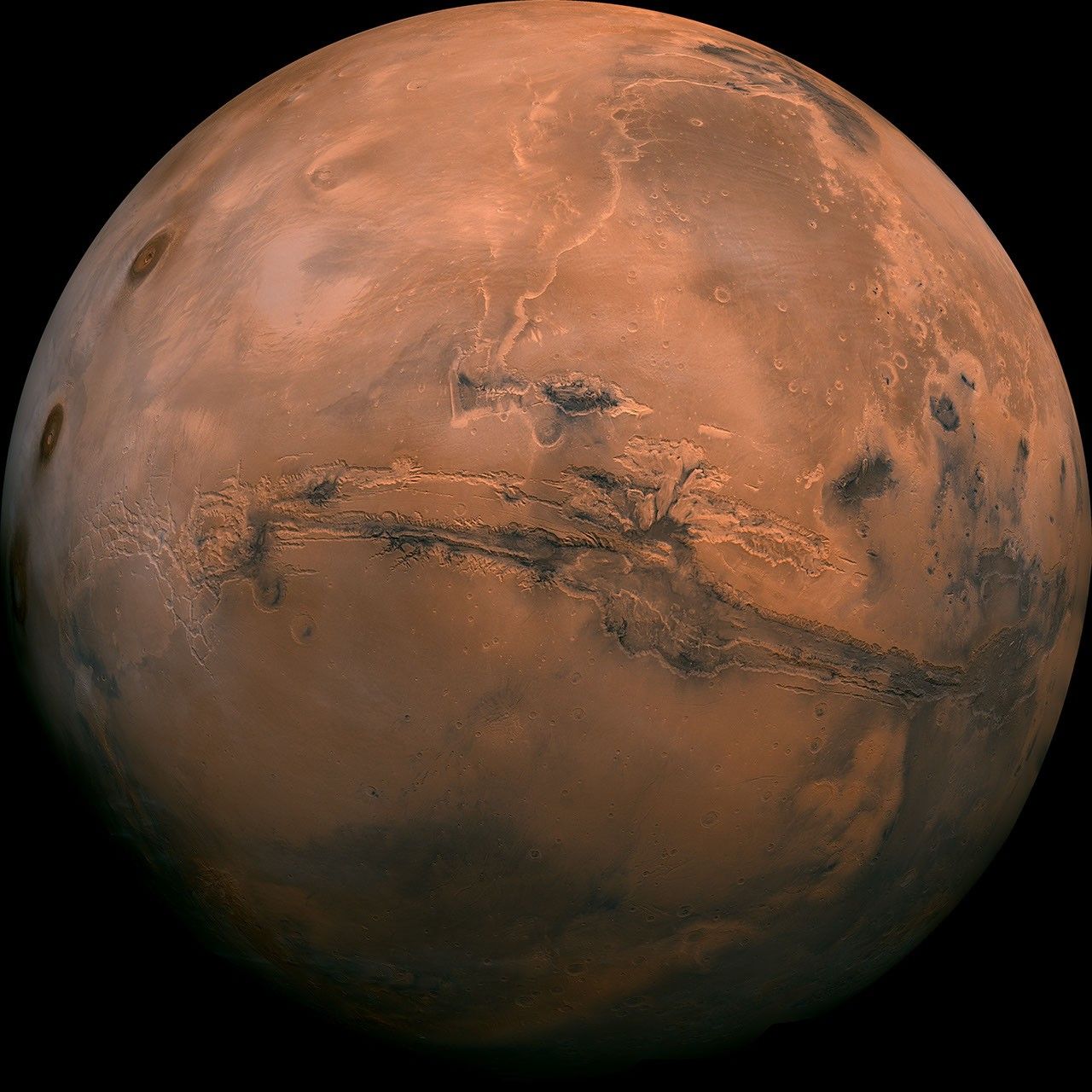
A new international study partially funded by NASA on how Mars got its iconic red color adds to evidence that Mars had a cool but wet and potentially habitable climate in its ancient past.
In everyday life, we typically encounter water in one of three familiar states – solid, liquid or gas. But there are in fact many more phases, some of which are so strange they’re referred to as exotic.

French scientists on Tuesday announced that they had reached a "crucial milestone" in the long road towards nuclear fusion by managing to maintain raging-hot plasma for a record 22 minutes.
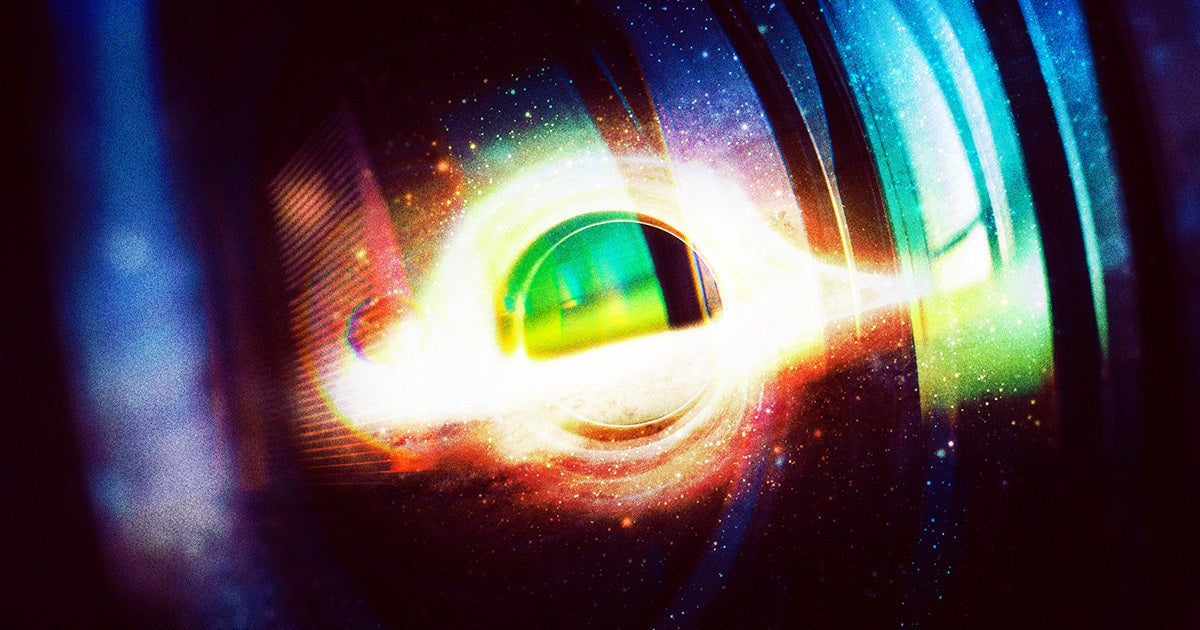
Using the James Webb Space Telescope, scientists witnessed a brilliant light show at the heart of our Milky Way galaxy.
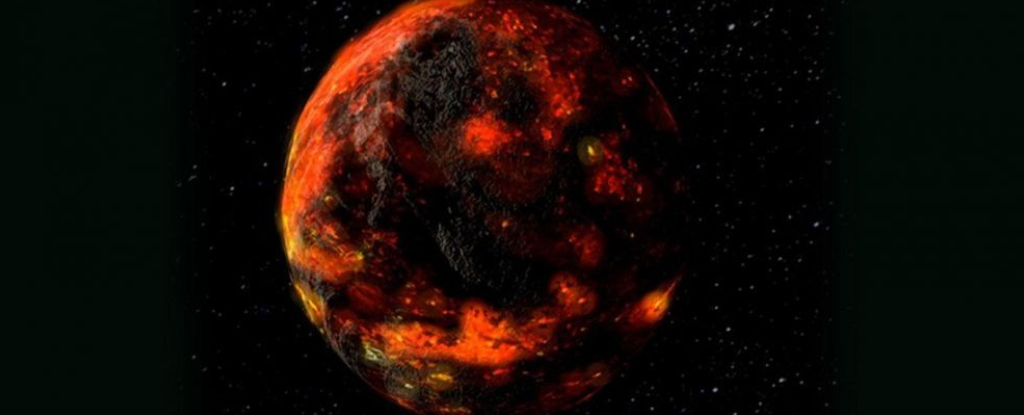
New measurements of rocks gathered during the Apollo missions now show it solidified some 4.43 billion years ago. It turns out that's about the time Earth became a habitable world.
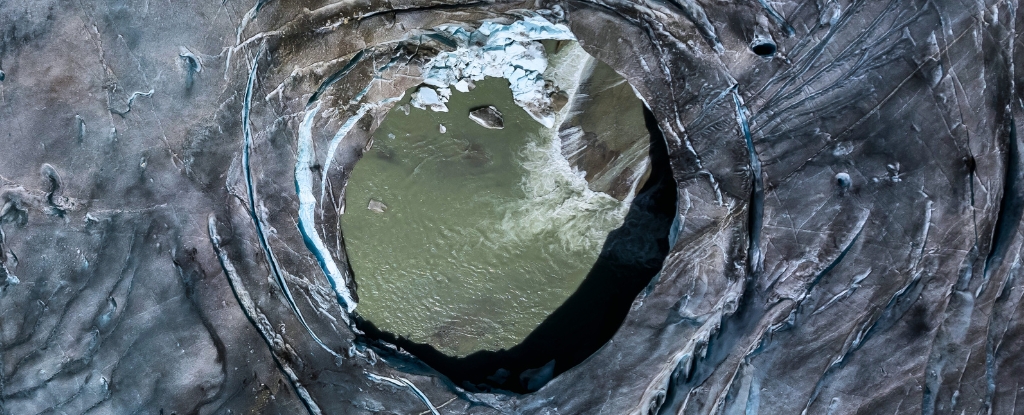
Ice loss from the world's glaciers has accelerated over the past decade, scientists said on Wednesday, warning that melting may be faster than previously expected in the coming years and drive sea levels higher.
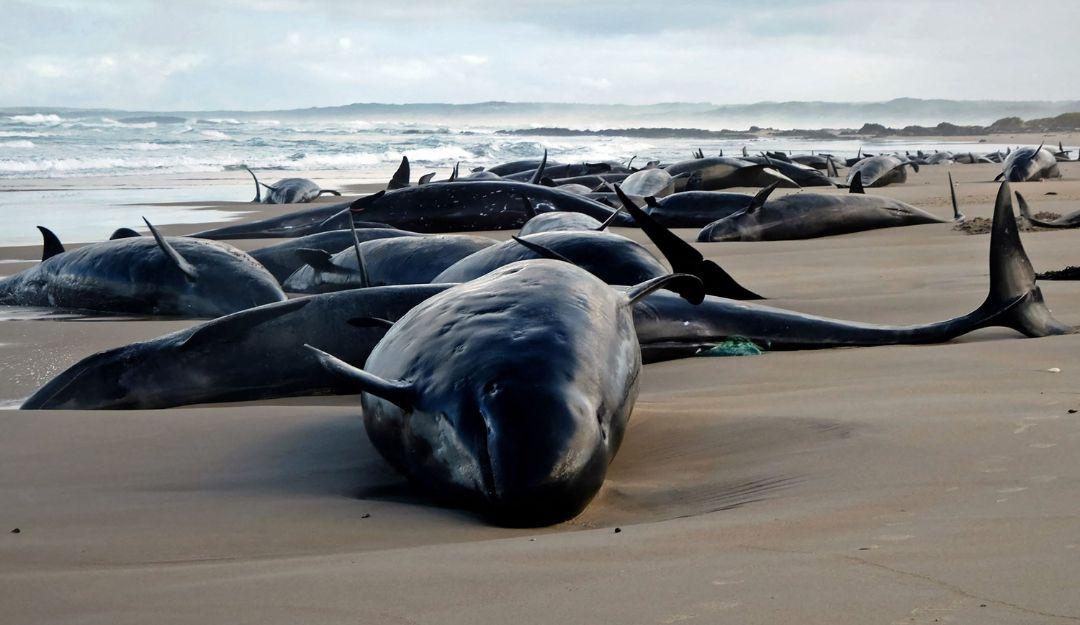
A pod of 157 dolphins has become stranded on a remote beach in Tasmania, with dozens already dead and efforts underway to save the survivors.

Microsoft says it's made a major breakthrough in quantum computing capabilities with the Majorana 1, its first quantum chip.
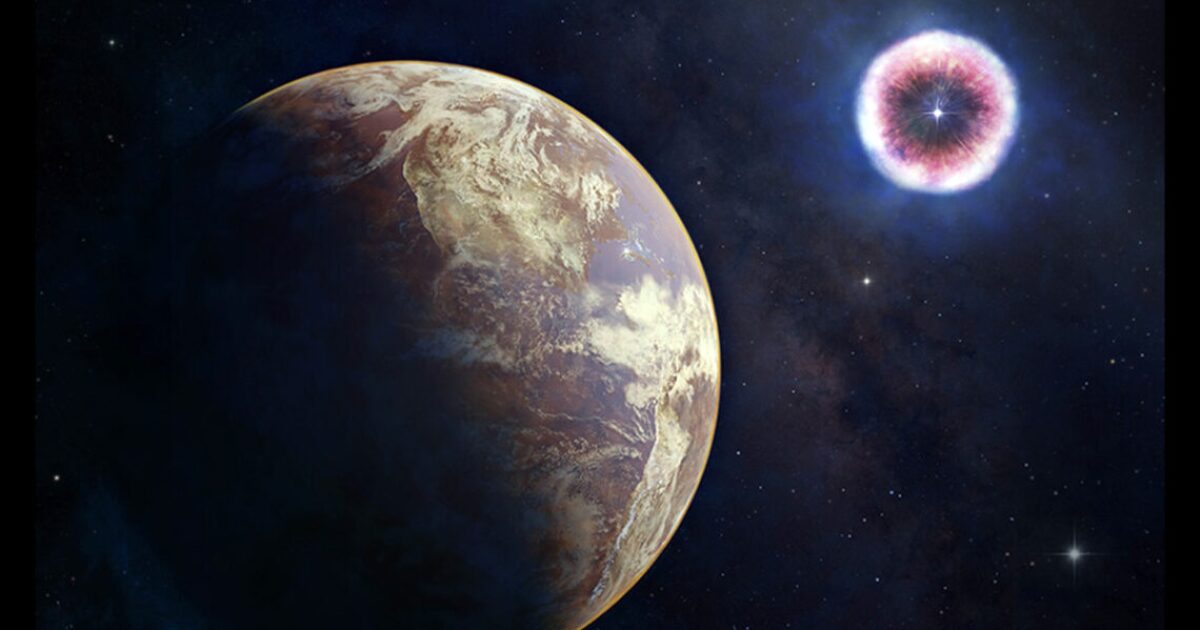
Scientists have traced radioactive elements on the seafloor back to the cosmic explosions they might have come from – and potentially linked the event to evolutionary changes in viruses in a lake in Africa.

With much of the developed world hastening its transition to renewables, take a look at some renewable megaprojects around the globe.
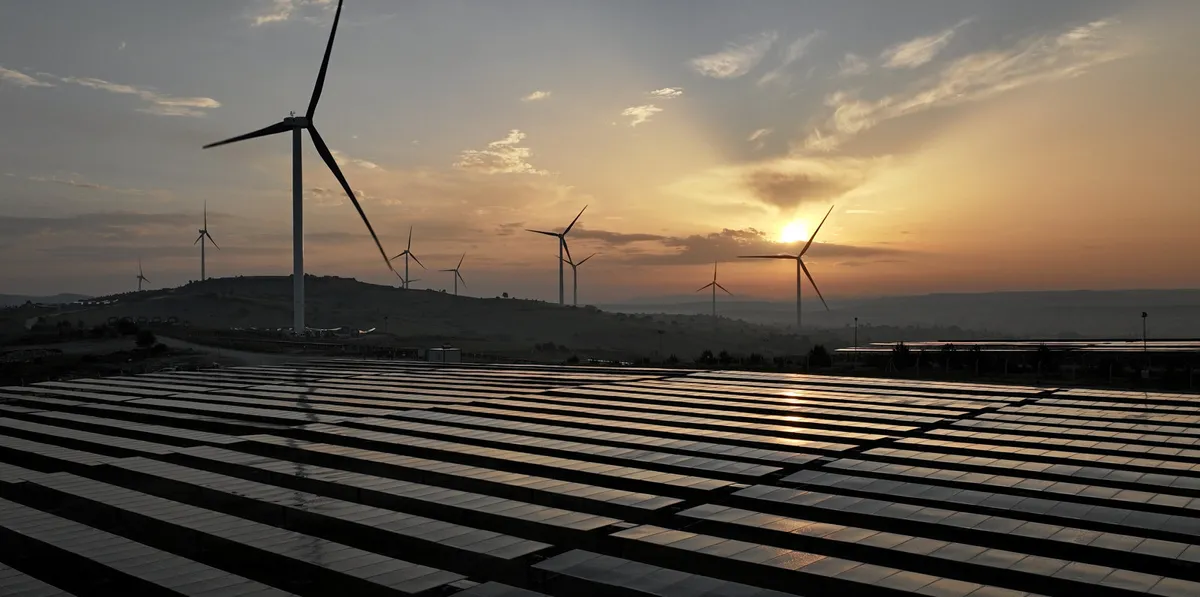
The world’s largest planned renewable energy project would be bigger than entire countries, with onshore wind turbines potentially triple the size of current market leading machines, according to new documents.

Switzerland is leading the way in clean energy with a world-first project: the installation of removable solar panels on active railway tracks.
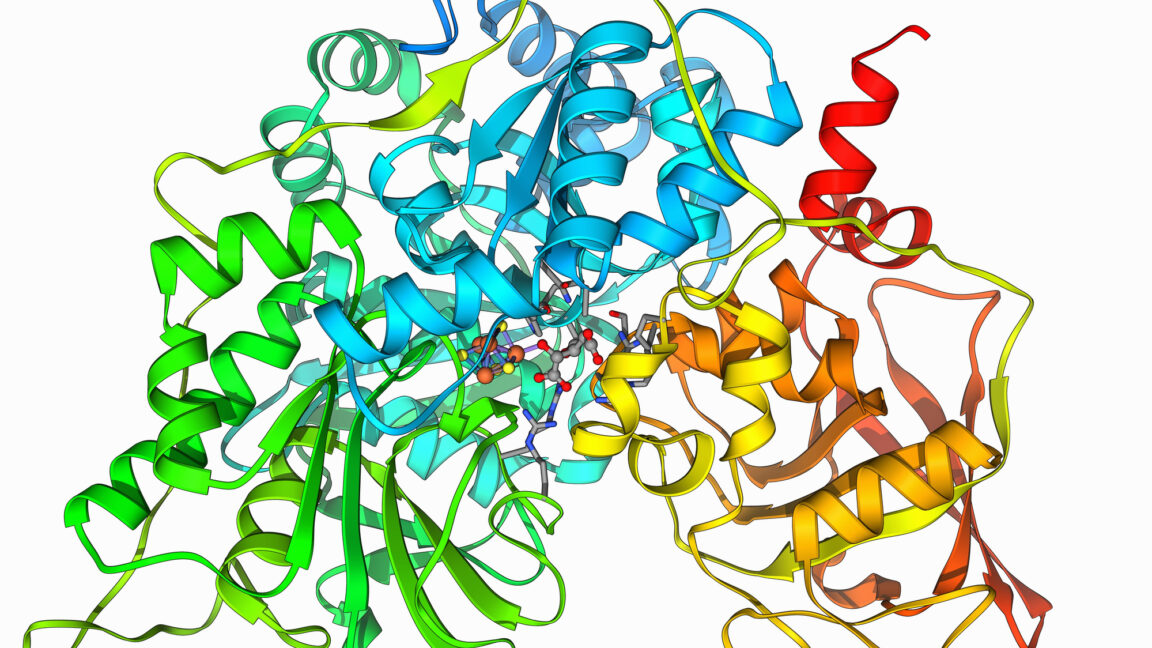
A new paper describes a success in making a brand-new enzyme with the potential to digest plastics.


