

Daylighting this declining trend in readability should remind scientists that their choice of words is just as important as their decisions about data collection and statistics.

According to the Global Wind Energy Council (GWEC) in 2016 wind power helped the planet avoid more than 637 million tonnes of CO2 emissions.
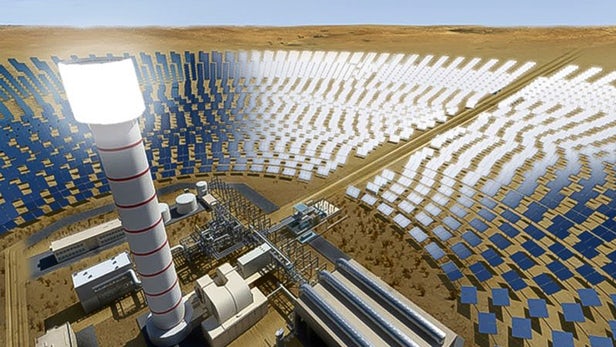
The planned capacity is expected to grow to 5,000 MW by 2030, with the park eventually covering 214 sq km and reducing carbon emissions by 6.5 million tons per year.

Human travel and shipping is transporting trillions of bacteria around the globe with unexpected effects.

Not only will this massive electric dump truck replace a dirty diesel truck, but it will also be an "energy plus" vehicle.

The spacecraft deserves a fond farewell and a round of applause.
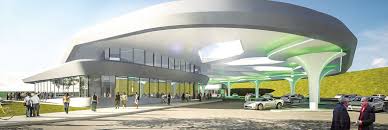
A German company plans to build the world’s biggest EV fast-charging station with 144 charging ports.

This low-tech, energy efficient, and artistic solution to the sweltering heat harnesses the power of evaporative cooling. The innovative AC is made with conical clay tubes that naturally reduce temperature.
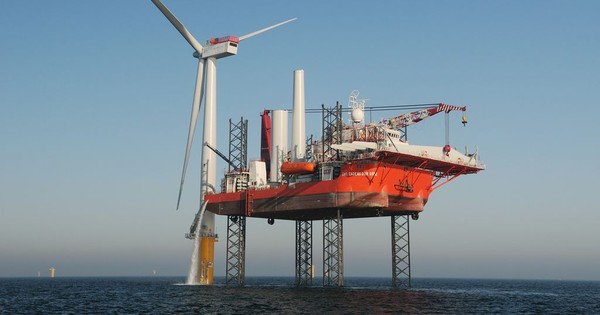
Costs are about half of what they were just two years ago.
A team of researchers from US has reported a breakthrough in stretchable electronics that can serve as an artificial skin.

Around 4.5 billion people throughout the world are currently exposed to levels of particulate air pollution at least twice the levels the WHO considers safe.

A recent study involving data collected by the K2 mission has revealed three possible Super-Earths around a nearby Sun-like star.

Schools and universities have a responsibility to protect students from hate speech while also exposing them to views that disrupt their ways of thinking and ideas of the world.

Australian researchers have designed a new type of qubit - the building block of quantum computers - that they say will finally make it possible to manufacture a true, large-scale quantum computer.

The UN Development Program and Asian Development Bank just released a joint report —100 percent Electricity Generation through Renewable Energy by 2050.


