

Scientists fed fruit flies with a combination of probiotics and an herbal supplement called Triphala that was able to prolong the flies' longevity by 60 % and protect them against chronic diseases associated with aging.

The hottest and fastest-moving lava of Kilauea volcano’s latest eruption spread across new parts of the Big Island Wednesday, forcing officials to order evacuations.
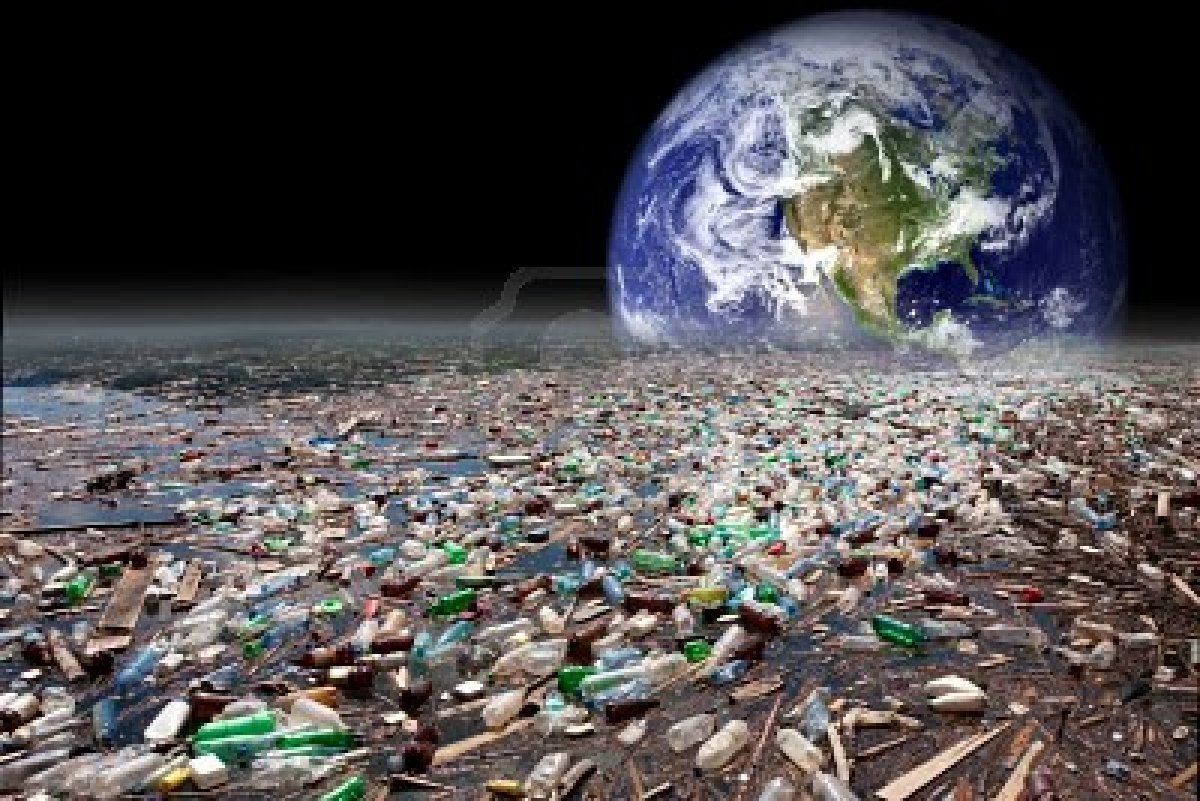
Toxic chemicals such as bromine, antimony and lead are finding their way into food-contact items and other everyday products because manufacturers are using recycled electrical equipment as a source of black plastic.

US Researchers have identified more than 100 giant planets that potentially host moons capable of supporting life. Their work will guide the design of future telescopes that can detect these potential moons.

An analysis predicts the Bitcoin network could be using 7.67 gigawatts of electricity by the end of the year. That’s half a percent of the world’s electricity and the same amount used by the whole of Austria.
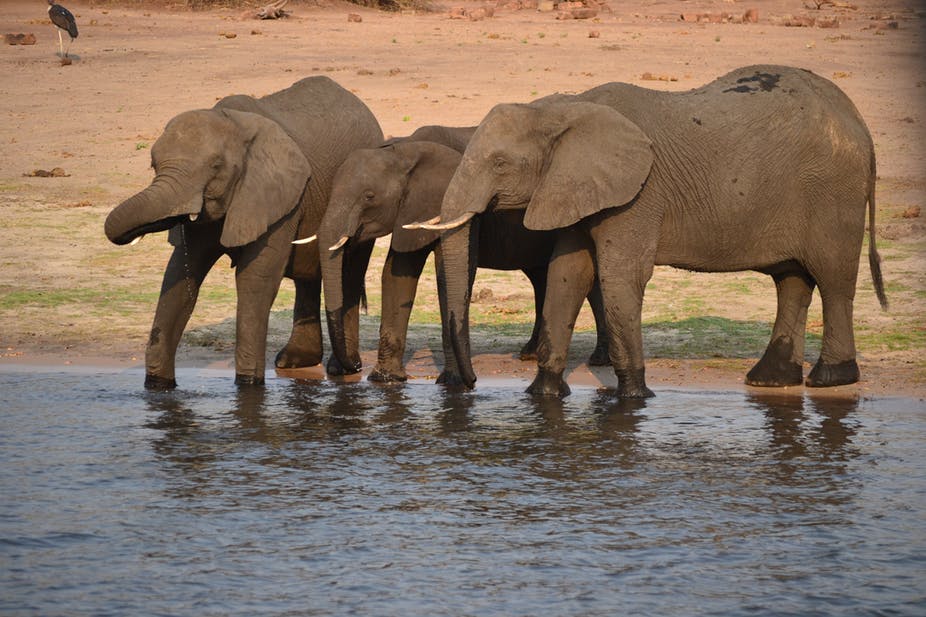
United Kingdom Secretary of the Environment Michael Gove has introduced a bill to Parliament that would ban the purchase, sale, possession for sale and international trade of ivory.

The 100 percent electric, zero-emission E-ferry, called Ellen, could allow for green ferry travel starting in Denmark. E-ferry is funded by the European Union.

The China Space Station, or CSS, could become operational as soon as 2022. "CSS belongs not only to China, but also to the world," said Shi Zhongjun, China's ambassador to the UN.

The most commonly consumed vitamin and mineral supplements provide no consistent health benefit or harm, suggests a new study led by Canadian researchers.

The first human corneas have been 3D printed by scientists at Newcastle University, UK. It means the technique could be used in the future to ensure an unlimited supply of corneas.

A new discovery about the effects of aging in our cells could allow doctors to cure or prevent diabetes, fatty liver disease and other metabolic diseases—and possibly even turn back the clock on aging itself.

On NASA’s Exoplanet Exploration website, you can explore an imagined surface of an alien world via 360-degree, interactive visualizations.

A "pay-as-you-throw" system for household rubbish should be introduced by 2030 in UK, one of the biggest waste firms has said. Weighing domestic waste would help drive a revolution in recycling.

Plastic utensils, straws, coffee stirrers and cotton swabs may soon be a lot harder to come by in Europe. The EU Commission is to present its plan to ban the single-use products in the fight against plastic waste.

More than 30 percent of the global greenhouse gas emissions emitted by cities are generated by buildings alone, according to National Geographic.


