

A tiny South Pacific nation of Niue is the first country to be formally accredited as an International Dark Sky Place. Dark Sky Places are spaces recognized for the lighting policies that keep the night-time environment naturally dark.

NASA is running a new round of its Moon to Mars Exploration Systems and Habitation Academic Innovation Challenge that encourages university students to study and develop spacefaring tech.

The future of technological employment comes down to a key challenge of human-machine collaboration.

The world today is getting steadily older—mature, settled adults over the age of 30 are now half the population and growing. And the world is getting steadily richer—about half the world is now middle class or richer.

It's calculated that, thanks to rapid inflation, the universe may contain more than 1 googol (10^100) stars, and if this is the case then more complex, life-sustaining RNA structures are more than just probable, they're practically inevitable.

The molecules were extracted by the Curiosity rover from a mudstone section of the Gale Crater. Scientists have concluded that we can't rule out those molecules actually have a biological origin.

Researchers have found that the lettuce, grown on board the International Space Station, is as nutritious as counterparts grown on the Earth, an advance that may help astronauts grow safe, fresh food during space missions.

According to a new study, up to half of the world’s sandy beaches are at risk of disappearing by the end of this century if no action is taken to limit greenhouse gas emissions.

The Earth Island Institute asked for unspecified damages and an order for Coca-Cola, Pepsi, Nestle USA, Procter & Gamble and six other companies to clean up plastic waste that the group says has created a global pollution crisis.

Luxembourg has become the first country in the world to make public transportation free. The European country made the move to reduce car traffic, as cars account for nearly half of travel for work, and 71% of travel for leisure.
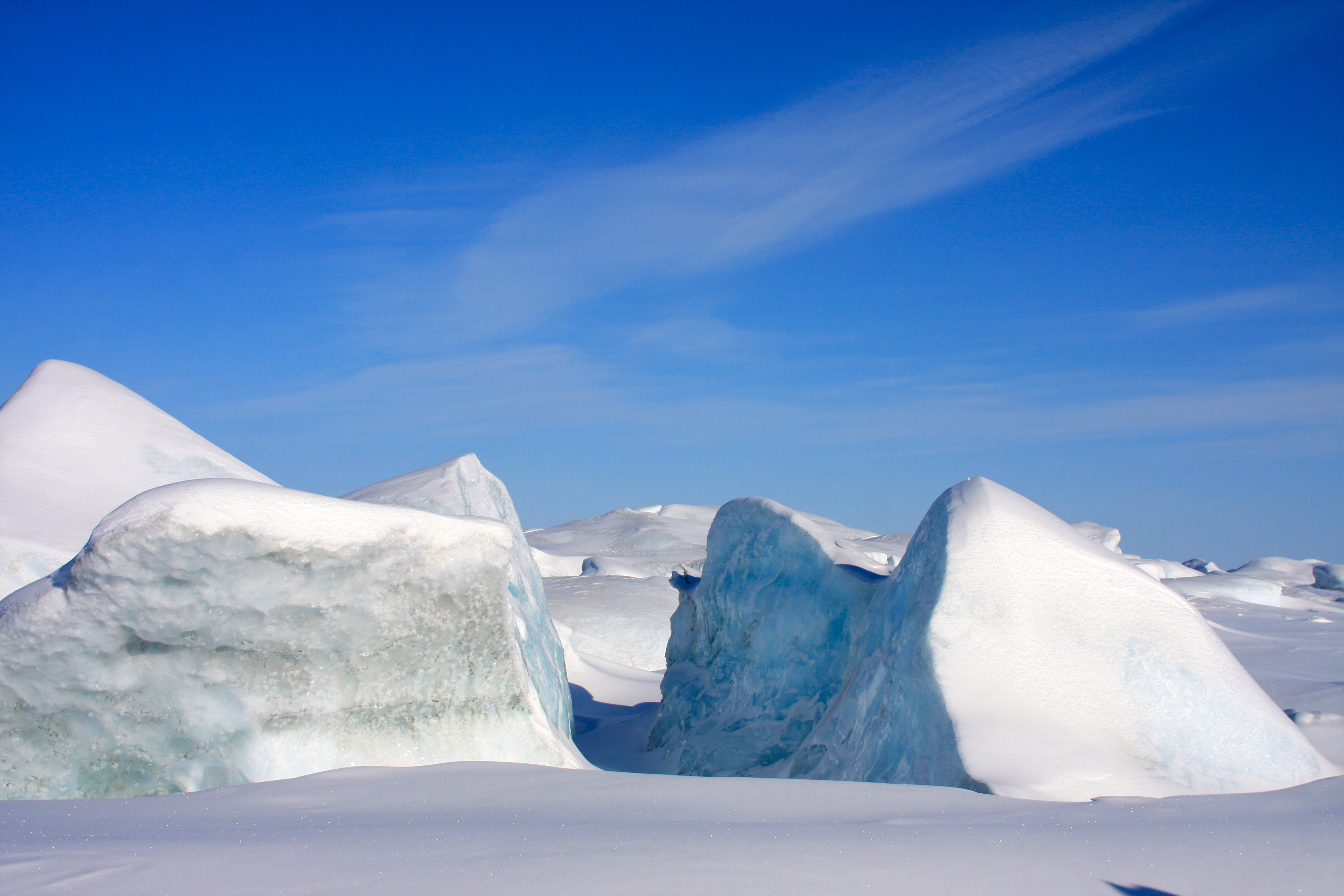
Thousands of glaciers in the northern Ellesmere Island Canadian territory of Nunavut have shrunk, losing an estimated 1680 km, in the past nearly 20 years.
Follow the story of golden atoms from their birth in stellar explosions via incorporation into formation of our planet to their coming together in a golden nugget and appearance in the Earth's crust.

Millions of people in Myanmar are threatened by flooding and rapid soil erosion caused by rising sea levels. One village of 1,500 residents had to relocate entirely, moving further inland to escape the rising water, and abandoning farmland in the process.

US astronomy student Michelle Kunimoto has discovered 17 new planets, including a potentially habitable, Earth-sized world, by combing through data gathered by NASA.

A robotic servicing spacecraft has hooked up with an aging satellite over the Pacific Ocean. It accomplished the first link-up between two commercial satellites in space, and the first docking with a satellite that was never designed to receive a visitor.


