
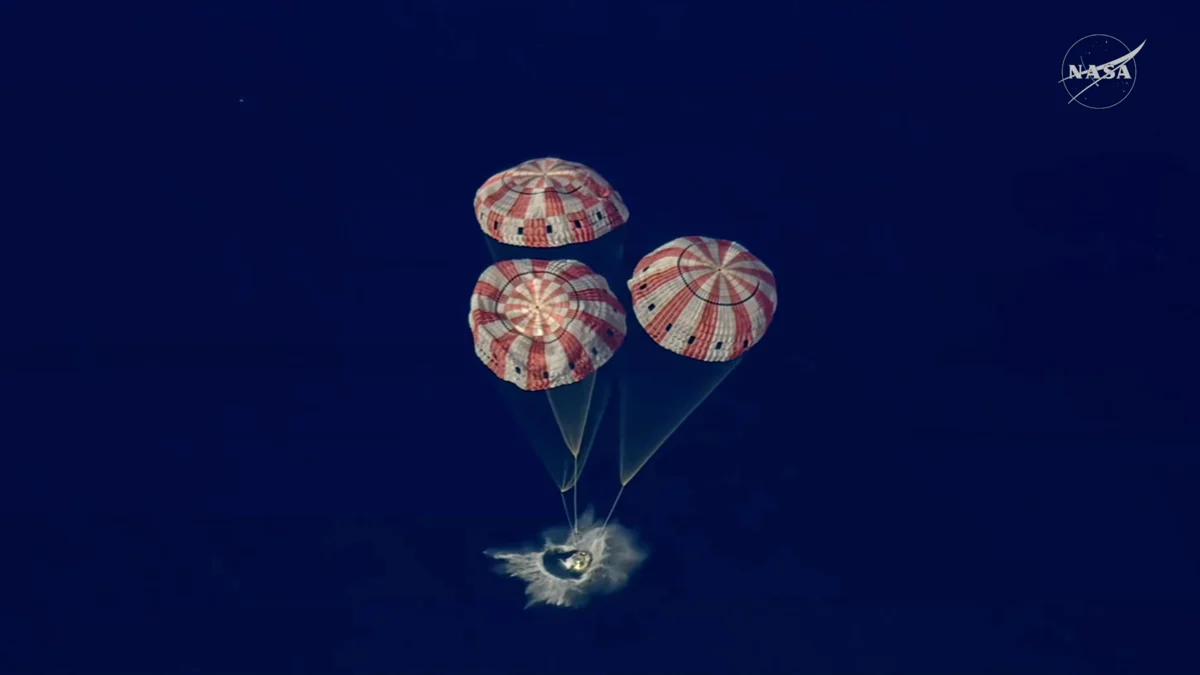
It was a triumphant homecoming for the crew of four whose record-breaking lunar flyby revealed not only swaths of the moon's far side — never seen before by human eyes — but a total solar eclipse.
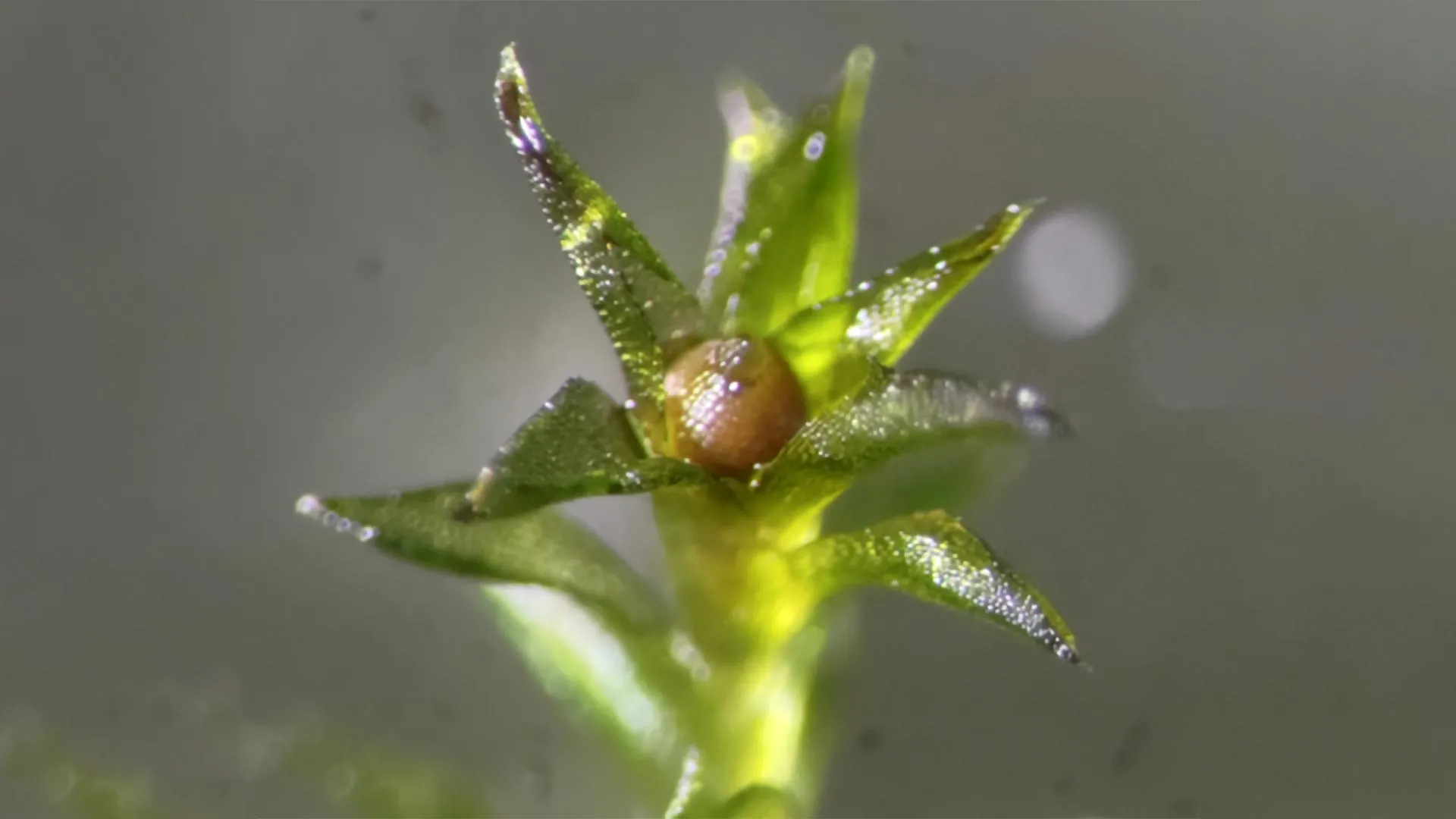
Moss spores survived an extended stay on the outside of the ISS and remained capable of germinating once back on Earth.
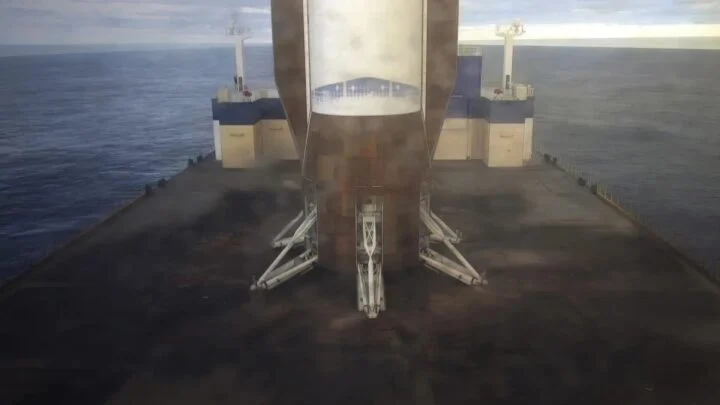
Jeff Bezos's Blue Origin successfully launched its New Glenn rocket on Thursday with NASA twin spacecraft destined for Mars aboard, and in a breakthrough, nailed the landing of its booster.
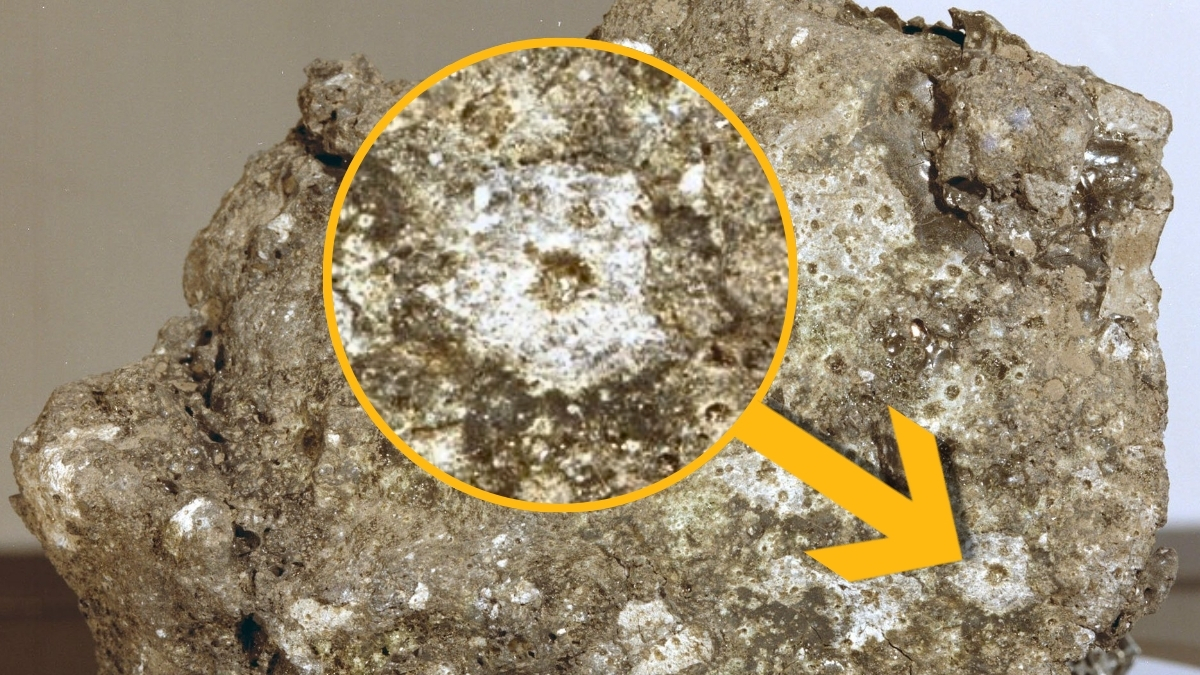
The Moon has no atmosphere, yet it faces an invisible bombardment more relentless than any terrestrial storm, a constant rain of micrometeoroids, tiny fragments of rock and metal traveling at speeds up to 70 kilometers per second.
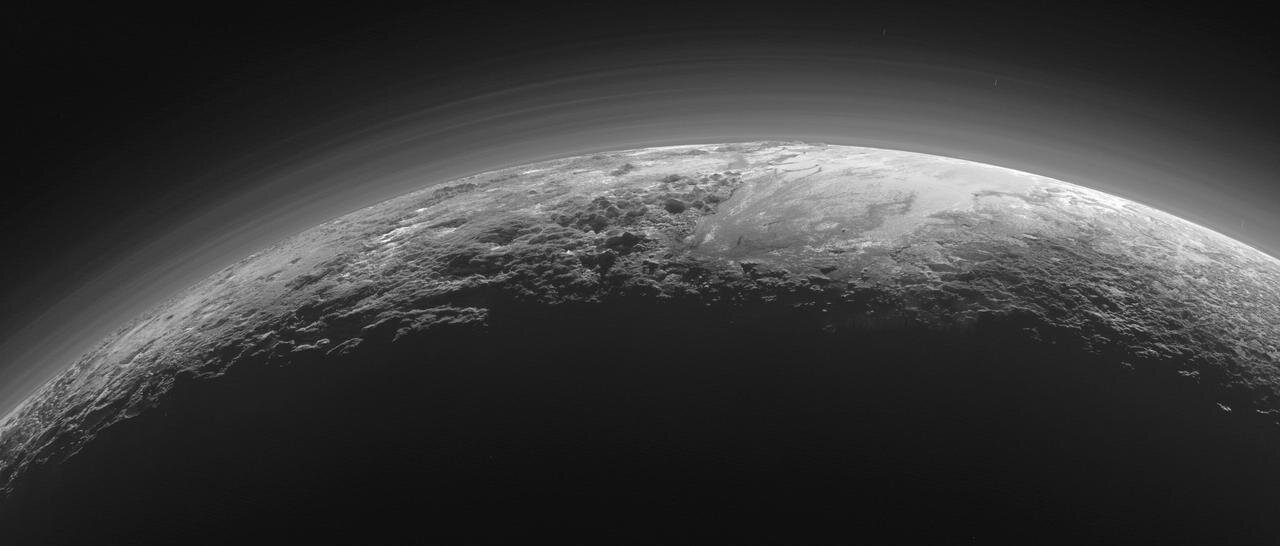
As NASA's New Horizons spacecraft traveled through the Kuiper Belt at a distance of more than 5.5 billion ml from Earth, an international team of astronomers conducted the first-ever successful demonstration of deep space stellar navigation.
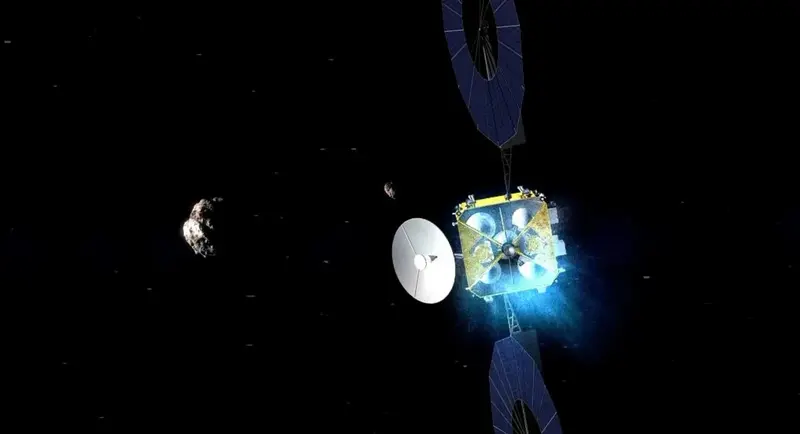
China joins the asteroid sample return game, with the ambitious Tianwen 2 mission, which launched successfully on Thursday (local time).

ESA's Hera mission for planetary defence made the first use of its payload for scientific purposes beyond Earth and the Moon. Activating a trio of instruments, Hera imaged the surface of the red planet as well as the face of Deimos.
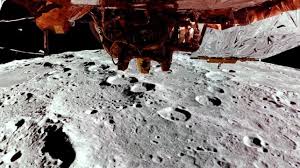
Firefly’s Blue Ghost lunar lander softly touched down in Mare Crisium carrying 10 NASA instruments.
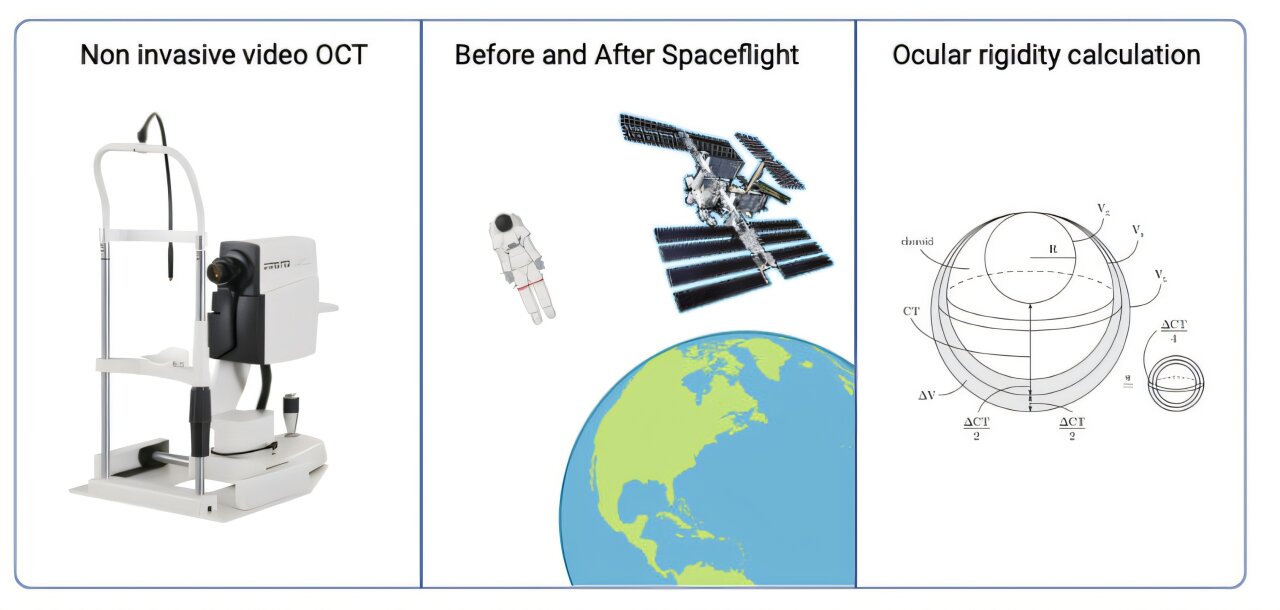
The low levels of gravity (microgravity) in space cause significant changes in astronauts' eyes and vision after six to 12 months aboard the International Space Station (ISS).

On 8 January 2025, the ESA/JAXA BepiColombo mission flew past Mercury for the sixth time, successfully completing the final "gravity assist manoeuvre" needed to steer it into orbit around the planet in late 2026.
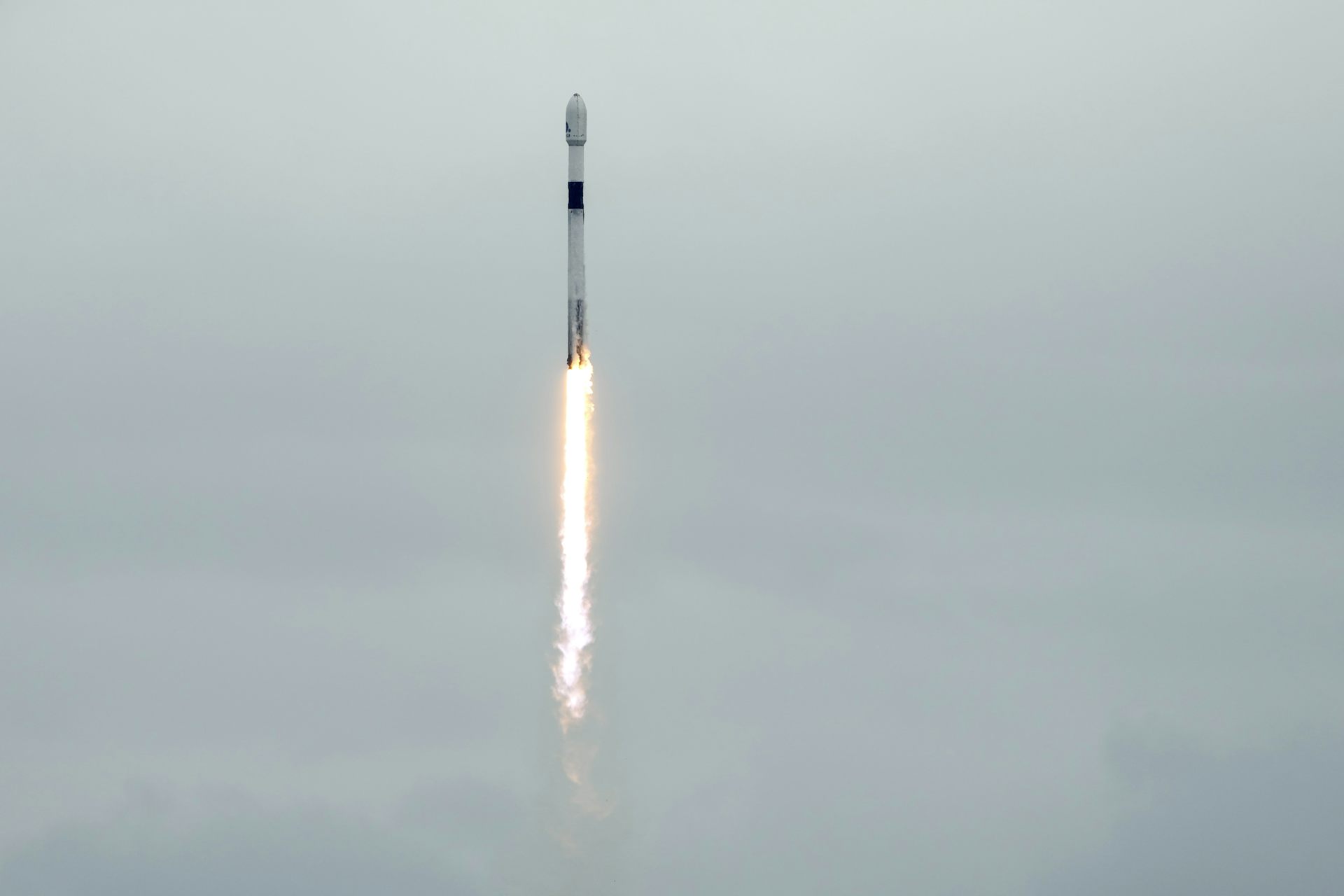
From exploring the Moon to revealing mysteries of the solar system, space agencies around the world are gearing up for an exciting year of launches and flybys.

Scientists hope the data from Parker will help them better understand why the Sun's outer atmosphere is hundreds of times hotter than its surface.

New findings using data from NASA's IXPE mission offer unprecedented insight into the shape and nature of a structure important to black holes called a corona.
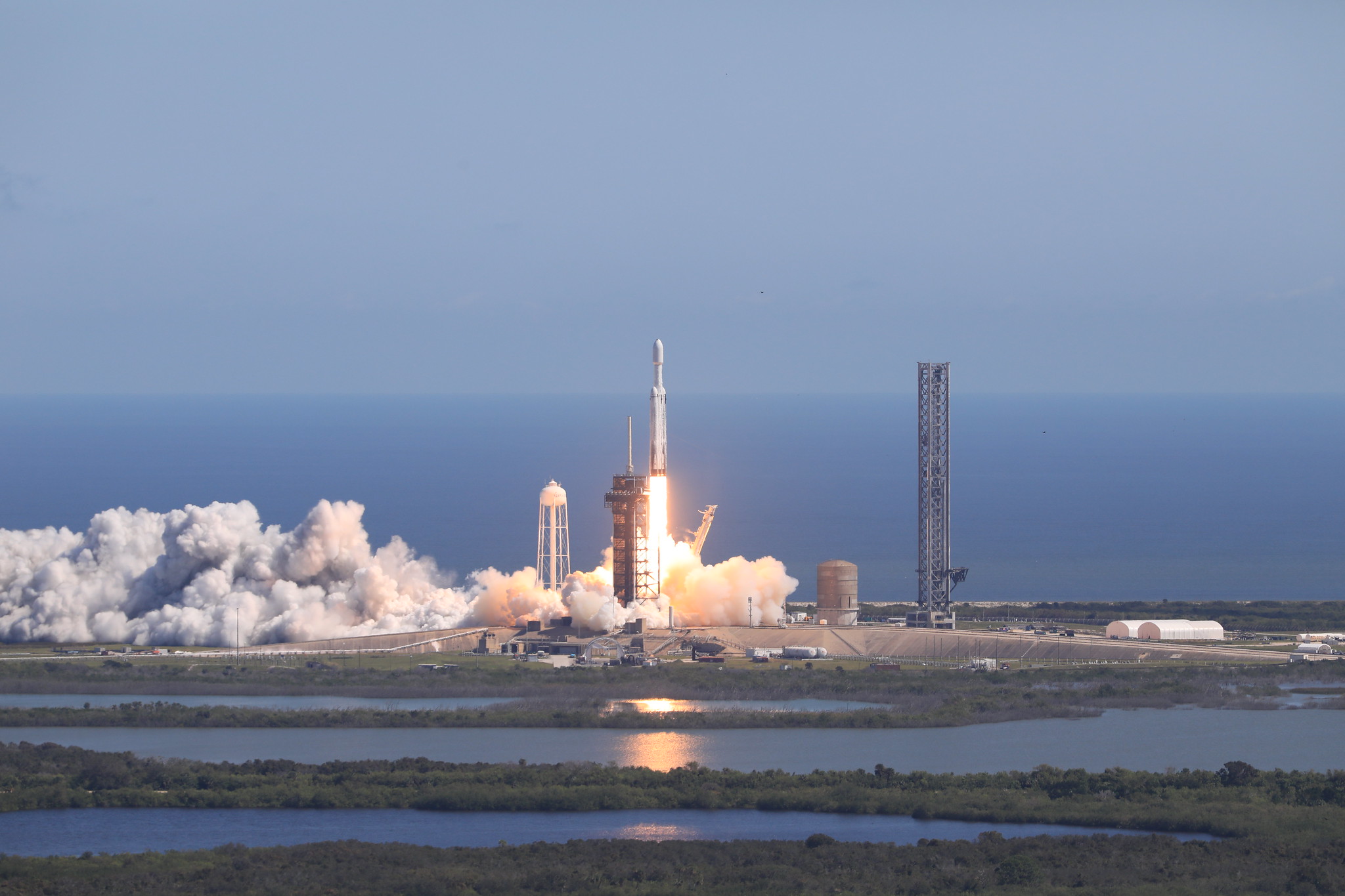
NASA’s Europa Clipper has embarked on its long voyage to Jupiter, where it will investigate Europa, a moon with an enormous subsurface ocean that may have conditions to support life.

This means that astronauts may not be tied to visiting the lunar south pole on future missions to acquire water. Instead, they may be able to find water everywhere on the Moon.


