
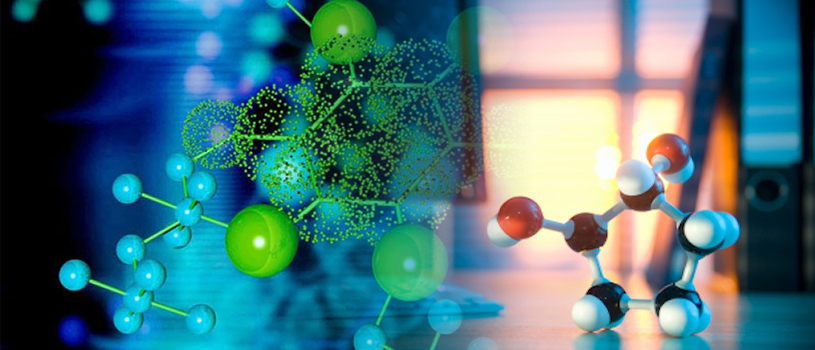
Psilocybin makes a brain circuit involved in depression break down and reform anew.

Canadian experts say new research on ‘grim’ health crisis highlights need for action, including ad restrictions and better food access

Now an international team of researchers suggests one way to reduce racial bias in kids is by teaching them to identify individual faces of those of other races.

People who are overweight cut their life expectancy by two months for every extra kilogram of weight they carry, research suggests. A major study has also found that education leads to a longer life, with almost a year added for each year spent studying beyond school.

A study conducted at the Max Planck Institute for Human Development has investigated the relationship between the availability of nature near city dwellers' homes and their brain health.

Wind-power generation in the North Atlantic would provide three times as much power as land-based systems, but costs remain a significant challenge.

VLBA achievement nearly doubles the previous record for distance measurement within our galaxy.

Richard Branson has backed the introduction of a universal basic income and said it is crucial to tackling the rise of artificial intelligence (AI). Braanson said it could help protect people whose jobs will be lost as a result of new technology.

After over a decade in development, Virgin Galactic, a private space travel service founded by billionaire Richard Branson, is nearly ready to enter orbit.

The device, which was developed by a pair of Australian surfers, works by sucking in various kinds of pollution (including oil) and spitting out clean water.
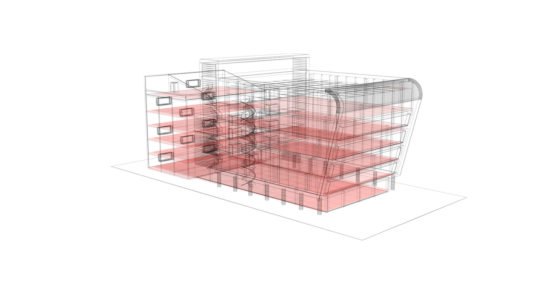
The concept utilizes a building’s thermal mass to drastically reduce energy use by around 85 percent.

Previously undetected matter was found in the form of gas filaments between galaxies, which is a major step toward explaining the structure of the cosmos.

Technology is already transforming the way we teach and learn. What will these trends lead to? What will the word “education” mean 30 years from now?

These dolls serve as beautiful reminders of how their owners are beautiful, too – no matter their physical condition or appearance.

China’s FAST Radio Telescope Discovers 2 Pulsars During 1 Year Trial Run


